AFTER two years of often self-congratulatory rhetoric from Prime Minister Scott Morrison and various state and territory leaders, the omicron deluge shows Australia is just as vulnerable as anywhere to COVID. Fortunately, not all of the news is bad.
As chief medical officer Dr Paul Kelly observed at the press conference after yesterday's National Cabinet meeting, the hospitalisation rate during this latest wave is almost three times smaller than it was during delta.
From the very start, COVID left many who contracted it untouched, resulting in low overall rates of illness and mortality, on a population-wide scale.
But with so little known about it early on, most governments were unwilling to let their citizens chance the roll of the COVID-outcomes dice, and so draconian measures were put quickly in place.
Now, with 77 per cent of the total population (91.5 per cent of those over 16) now vaccinated, and with omicron's milder nature now more or less beyond dispute, the National Cabinet is trying to refocus the debate.
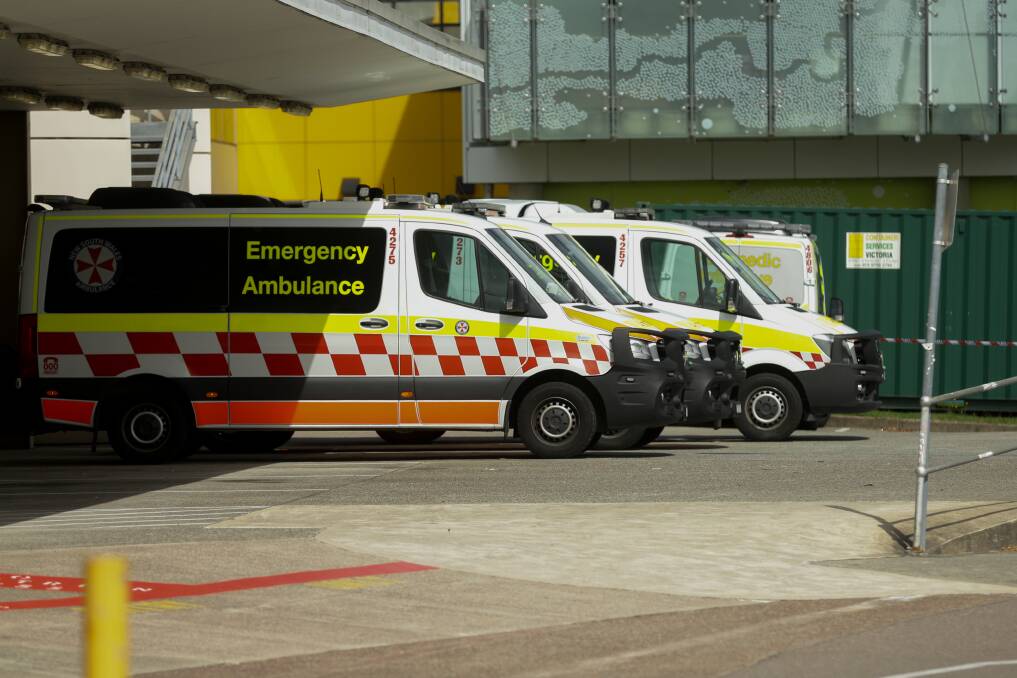
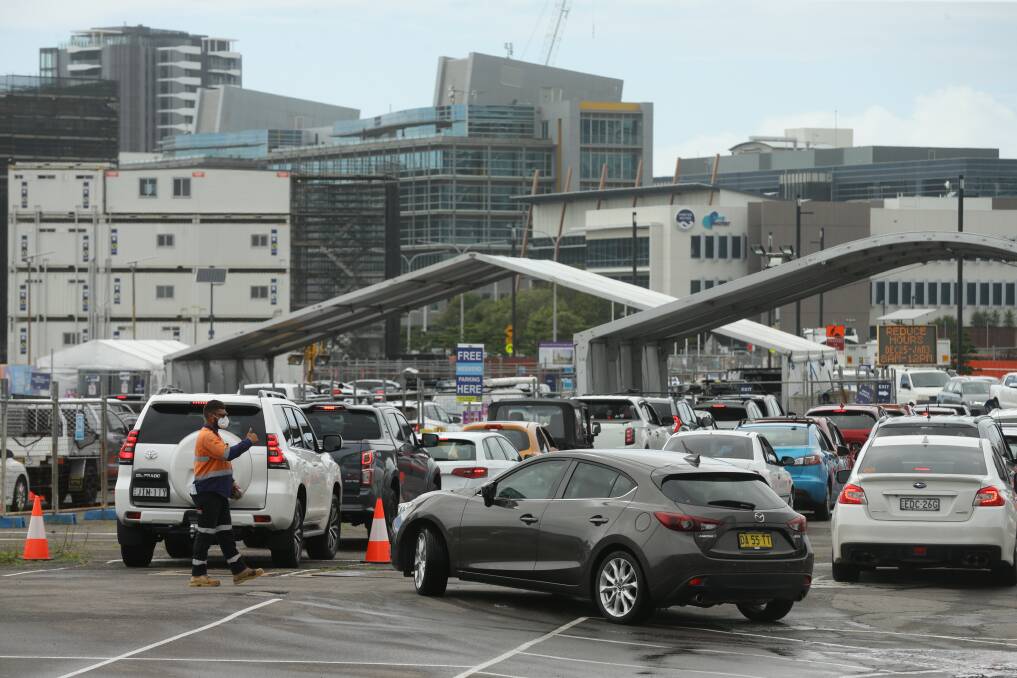
Milder or not, the pressure that omicron is exerting on hospitals and testing systems - together with a probably preventable shortage of rapid antigen or RAT tests - means the federal government's attempts to reassure the nation are falling on unappreciative ears.
Mr Morrison says RAT supplies are unlikely to improve for a fortnight.
It may be sooner, it may be longer, but as he also acknowledged yesterday, the nation's school students - more than 4 million all told - are due to return to learning at the end of this month.
Mr Morrison said the view from the cabinet was that schools should "go back and stay back, on day one of term one".
COVID CATCH-UP:
- US: Free RAT tests as cases hit 1 million a day
- Huge jump as Hunter New England records almost 3000 new cases
- Protect yourself from Omicron, because the PM's plan won't
- Meryl Swanson catches COVID, slams government
- Eight die as NSW records over 35,000 new cases
- Hong Kong bans flights from Australia in COVID tightening
As things stand, that sounds as much like wishful thinking as it does a plan to remedy one of the most pervasive impacts of the past two years, even if broadband has greatly helped at-home learning.
Above all, though, the cost and availability of rapid testing is the obvious problem facing most Australians.
Further easing of the compliance regime will reduce the need for some tests but the shift to "personal responsibility" - with no central register of positive RAT tests - can only hinder expert understanding of the situation, nationally.
Not a good way to stay on top of things.
ISSUE: 39,764