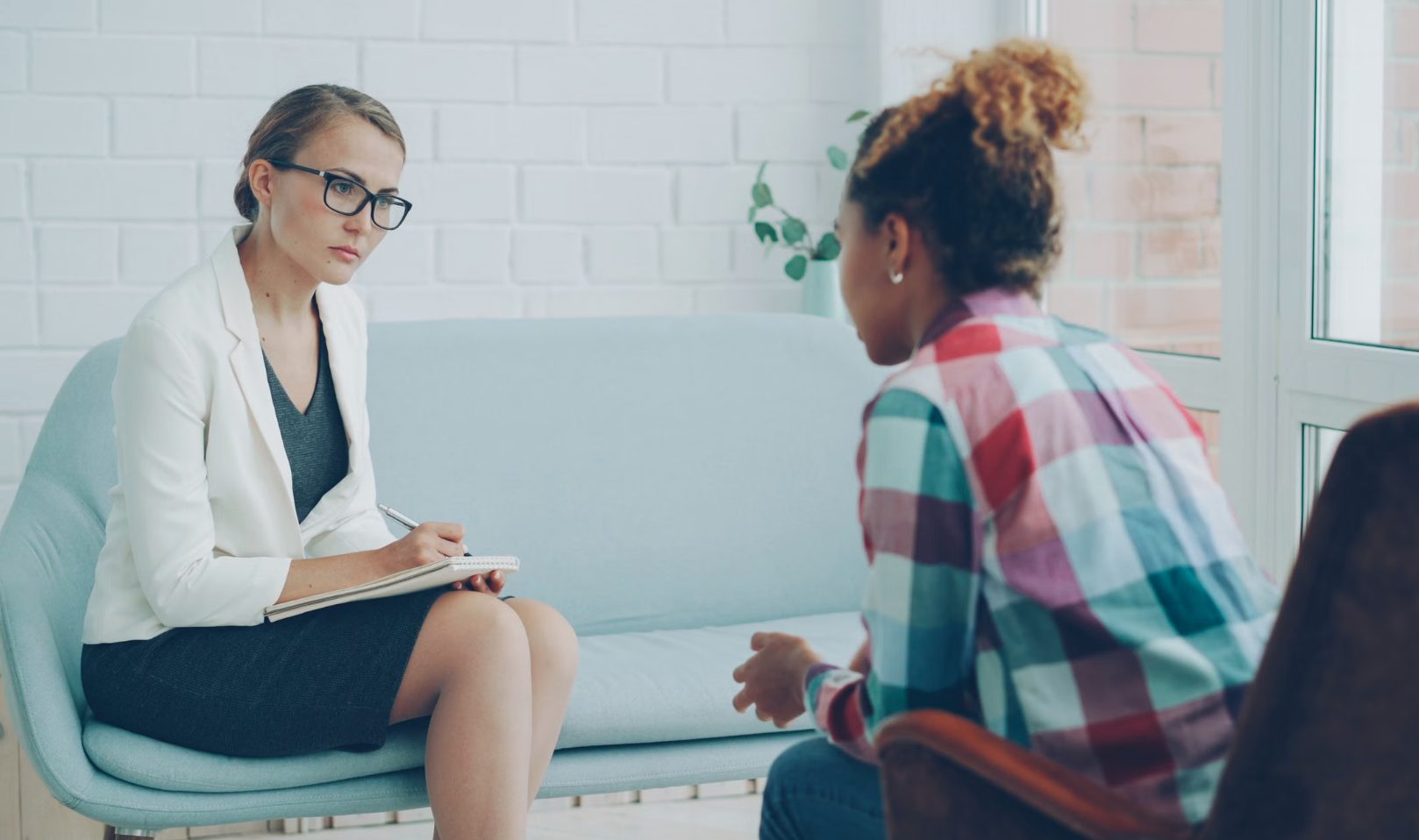
Students with disabilities continue to face barriers that go beyond academics. Many school counselors say that unconscious bias, outdated assumptions, and unequal expectations still shape how some students are treated in classrooms and school activities. While schools have made significant progress toward inclusion, experts agree that bias can quietly influence opportunities, discipline, and even student confidence. Understanding these challenges is the first step toward creating schools where every child has the chance to succeed.
1. Lower Academic Expectations Can Limit Student Growth
School counselors frequently observe that some educators unintentionally expect less from students with disabilities before giving them the opportunity to demonstrate their abilities. When expectations are lowered, students may receive fewer challenging assignments, leadership opportunities, or advanced coursework recommendations. The American School Counselor Association emphasizes that students with disabilities deserve access to rigorous academic, career, and social-emotional opportunities alongside appropriate supports. A student with dyslexia, for example, may excel in science but never be encouraged to enroll in advanced classes because adults focus only on reading difficulties. High expectations combined with individualized accommodations often produce stronger outcomes than limiting expectations from the start.
2. Invisible Disabilities Are Often Misunderstood
Not every disability is immediately noticeable, and that can create misunderstandings in school settings. Students with ADHD, autism, anxiety disorders, learning disabilities, or chronic medical conditions are sometimes viewed as lazy, distracted, or unmotivated instead of needing appropriate support. School counselors often spend time educating teachers and classmates about these less visible disabilities to reduce stigma and improve understanding. Research has consistently shown that disability awareness programs improve peer acceptance and create more inclusive school environments. When schools recognize invisible disabilities early, students are more likely to receive the accommodations they need before frustration turns into academic struggles.
3. Discipline Decisions May Be Influenced by Bias
Behavior can sometimes be interpreted differently depending on a student’s disability or background. Recent research examining school decision-making has found that stigmatizing assumptions and racial bias can influence how educators interpret student behavior during important disciplinary reviews. Instead of asking whether a behavior may be connected to a student’s disability, adults may mistakenly assume the student is simply refusing to follow directions. School counselors often advocate for evaluating the full context before disciplinary action because inappropriate punishment can damage both learning and self-esteem. Fair, individualized decision-making protects students while helping schools maintain consistent expectations for everyone.
4. Social Exclusion Can Be Just as Harmful as Academic Barriers
Bias does not only appear in grades or discipline; it also affects friendships and participation. Students with disabilities may be unintentionally excluded from group projects, extracurricular activities, or social events because classmates feel unsure about how to interact with them. Counselors regularly organize disability awareness activities that encourage empathy and normalize differences among students. A child who uses a communication device, for instance, may become fully included once classmates understand how to communicate effectively. Building genuine peer relationships improves confidence, reduces bullying, and supports stronger mental health throughout a student’s school years.
5. Families Sometimes Face Assumptions Instead of Collaboration
Parents of students with disabilities often report feeling dismissed when raising concerns about services or accommodations. School counselors recognize that families possess valuable knowledge about their child’s strengths, challenges, and learning styles. Effective schools treat parents as equal members of the educational team rather than viewing questions as conflict. Open communication helps prevent misunderstandings while leading to stronger Individualized Education Programs (IEPs) and Section 504 plans. When educators, counselors, and families work together respectfully, students benefit from consistent support both at school and at home.
Creating Schools Where Every Student Can Thrive
Bias is not always intentional, but its impact on students with disabilities can be significant if left unaddressed. School counselors play an essential role by advocating for fair treatment, educating staff, supporting families, and helping students develop confidence in their abilities. Small changes in expectations, communication, and inclusion can dramatically improve educational experiences and long-term success. Every student deserves to be recognized for their strengths rather than defined by their challenges. By acknowledging these five common biases, schools can continue moving toward learning environments where every child feels respected, supported, and empowered.
What changes would you like to see schools make to better support students with disabilities? Have you witnessed examples of inclusive practices or bias in your local schools? Share your thoughts and experiences in the comments below to help continue this important conversation.
What to Read Next
School Counselors Report a Rise in Severe Anxiety Among Younger Students
School Counselors Say More Children Are Masking Autism Symptoms Until Burnout Hits
Counselors Flag a Growing Social Trend Raising Anxiety in Kids Under 12
The post School Counselors Report 5 Biases Affecting Students With Disabilities appeared first on Kids Ain't Cheap.