Scavengers in India risk health to sift coronavirus debris
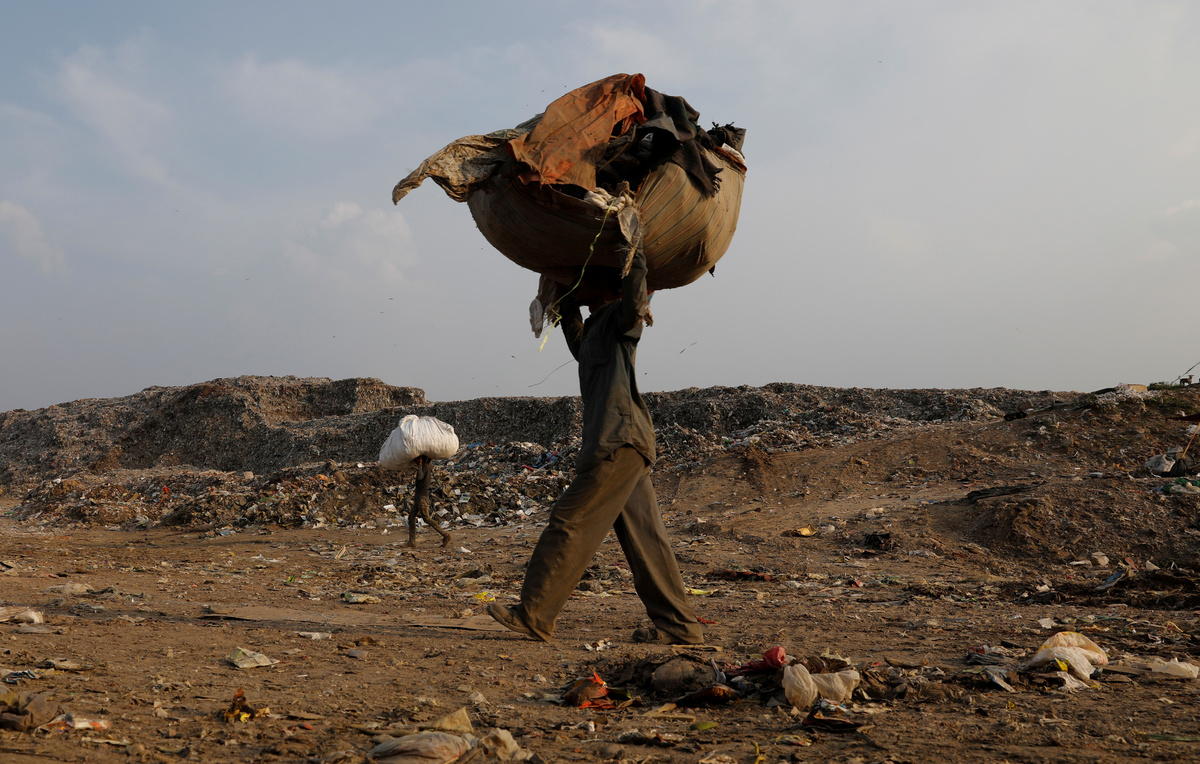
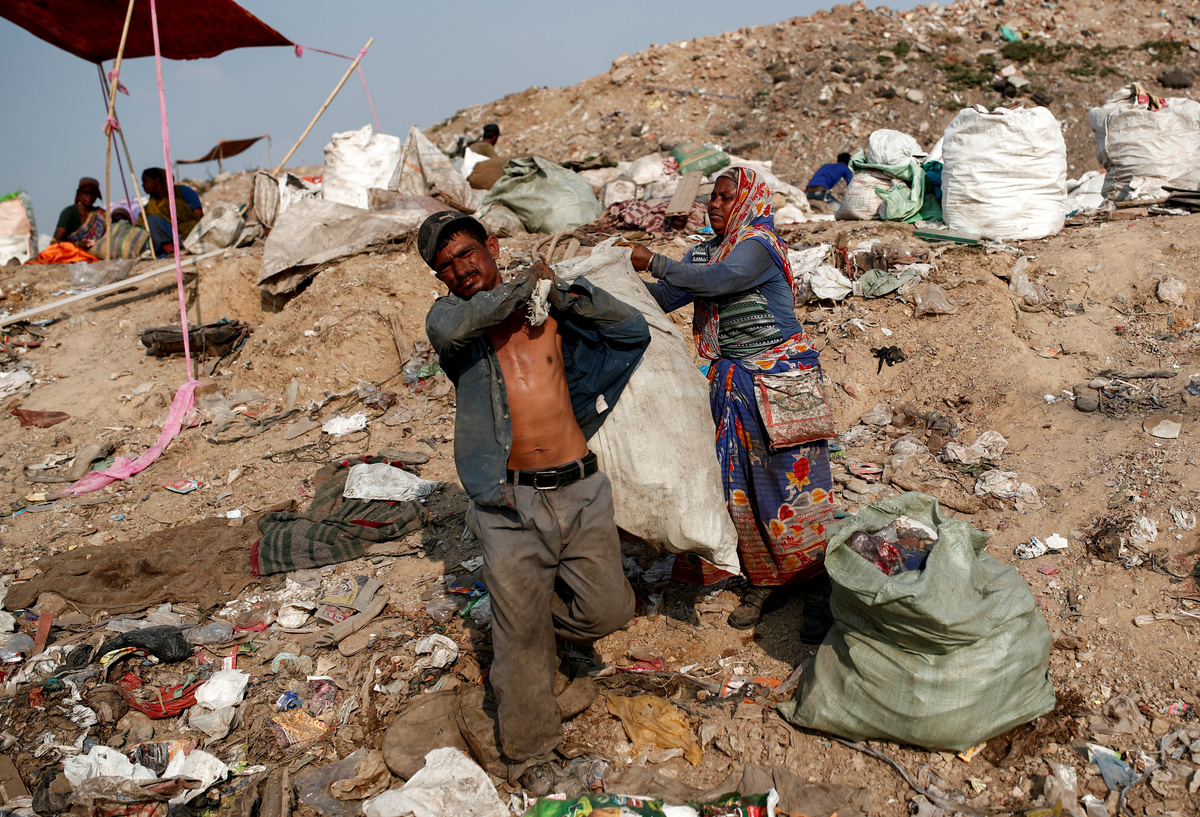
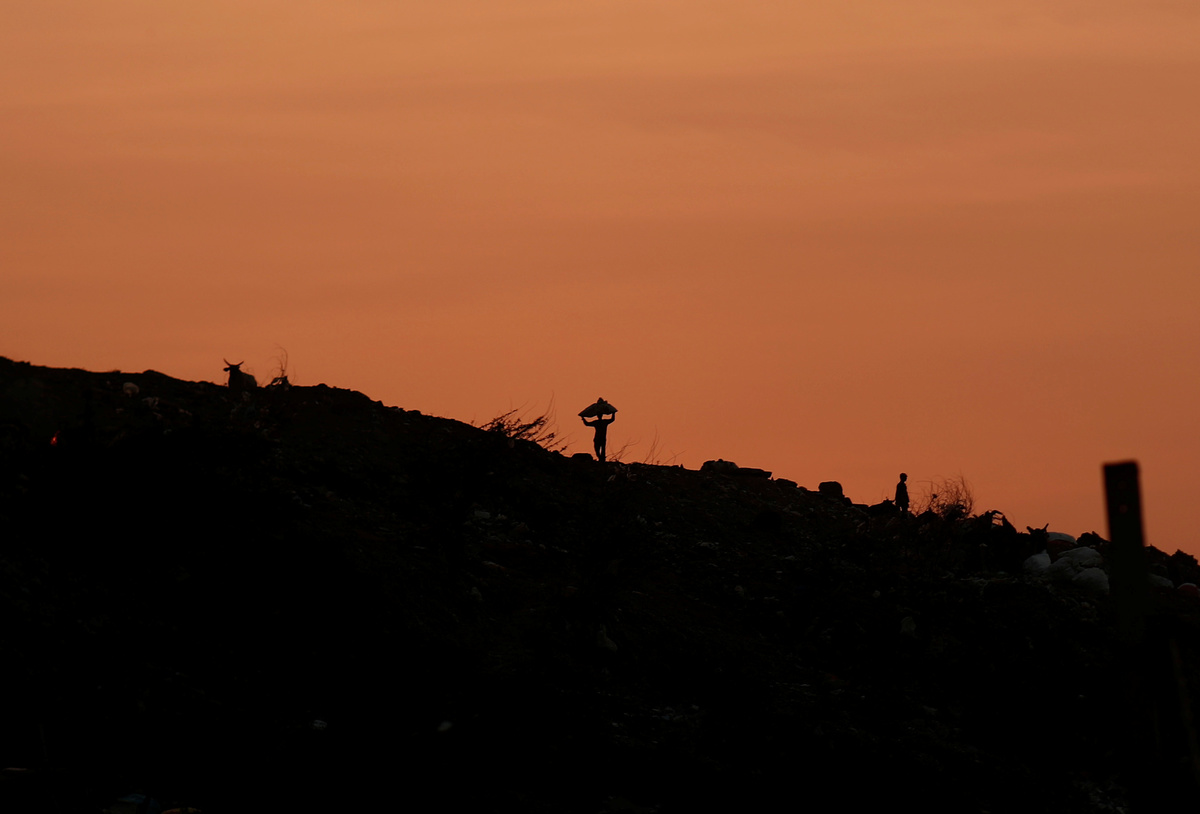
Mansoor Khan, 44, a waste collector, walks as he carries a sack of recyclable material after finishing work for the day at a landfill site, during the coronavirus disease (COVID-19) outbreak, in New Delhi, India, July 9, 2020. REUTERS/Adnan Abidi
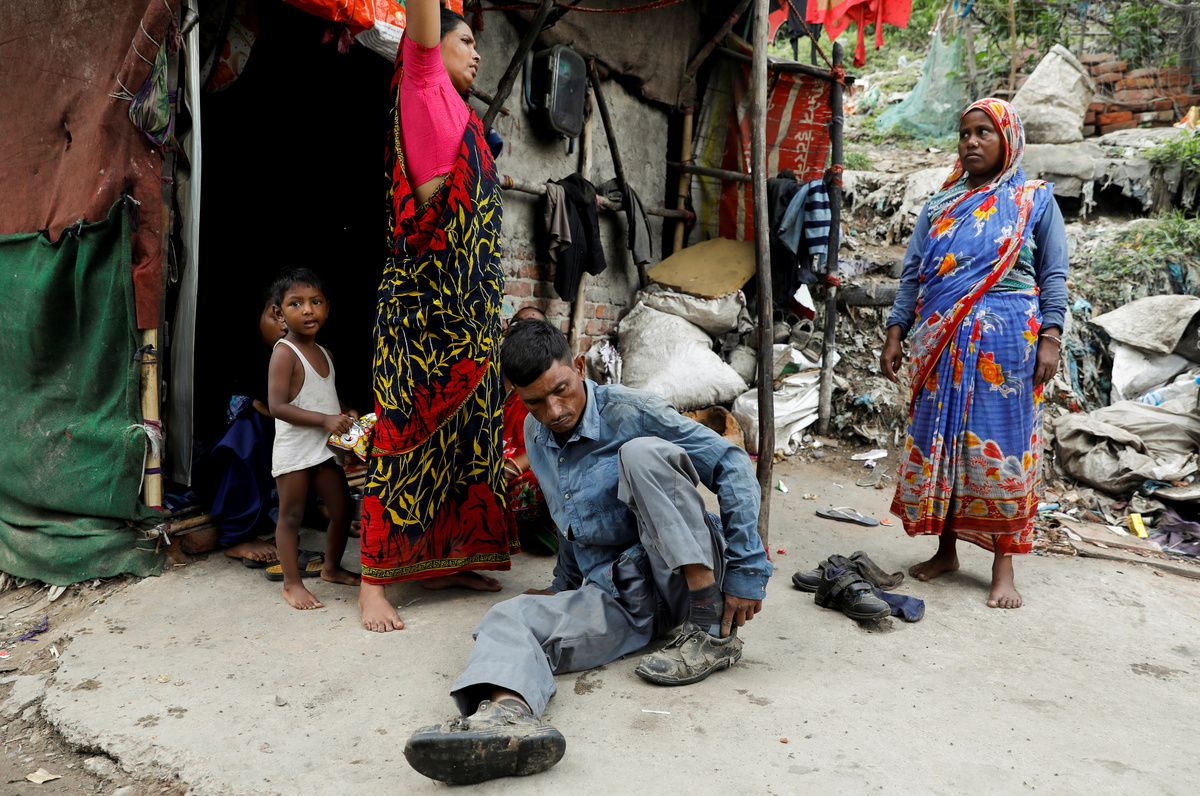
Mansoor Khan and his wife Latifa Bibi have been collecting scraps of plastic and other items at an enormous landfill site on the outskirts of New Delhi for nearly 20 years.
Their $5 daily earnings each keep their three children at school, in search of a better future than their parents' lives amid the stench of rotting garbage. But over the past few months, increasing amounts of biomedical waste have been arriving at the dump - a result, experts say, of the novel coronavirus pandemic and a huge risk for those who work there.
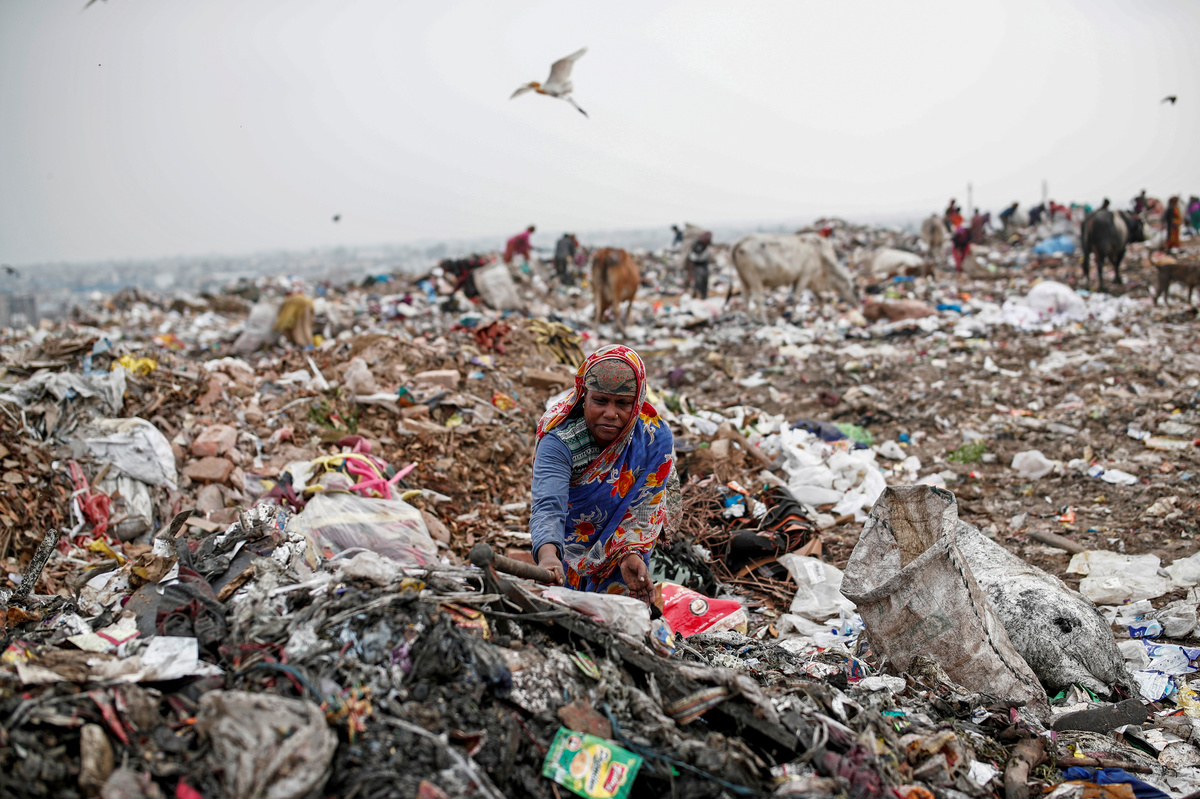
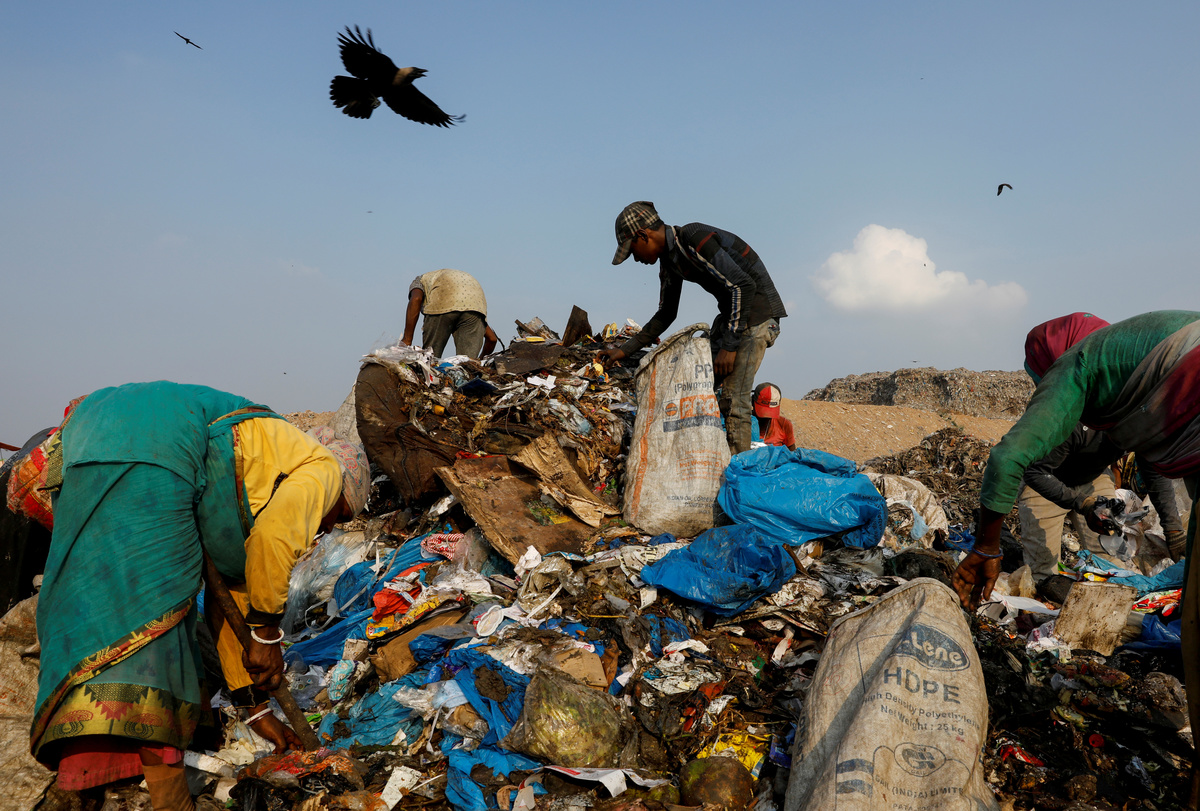
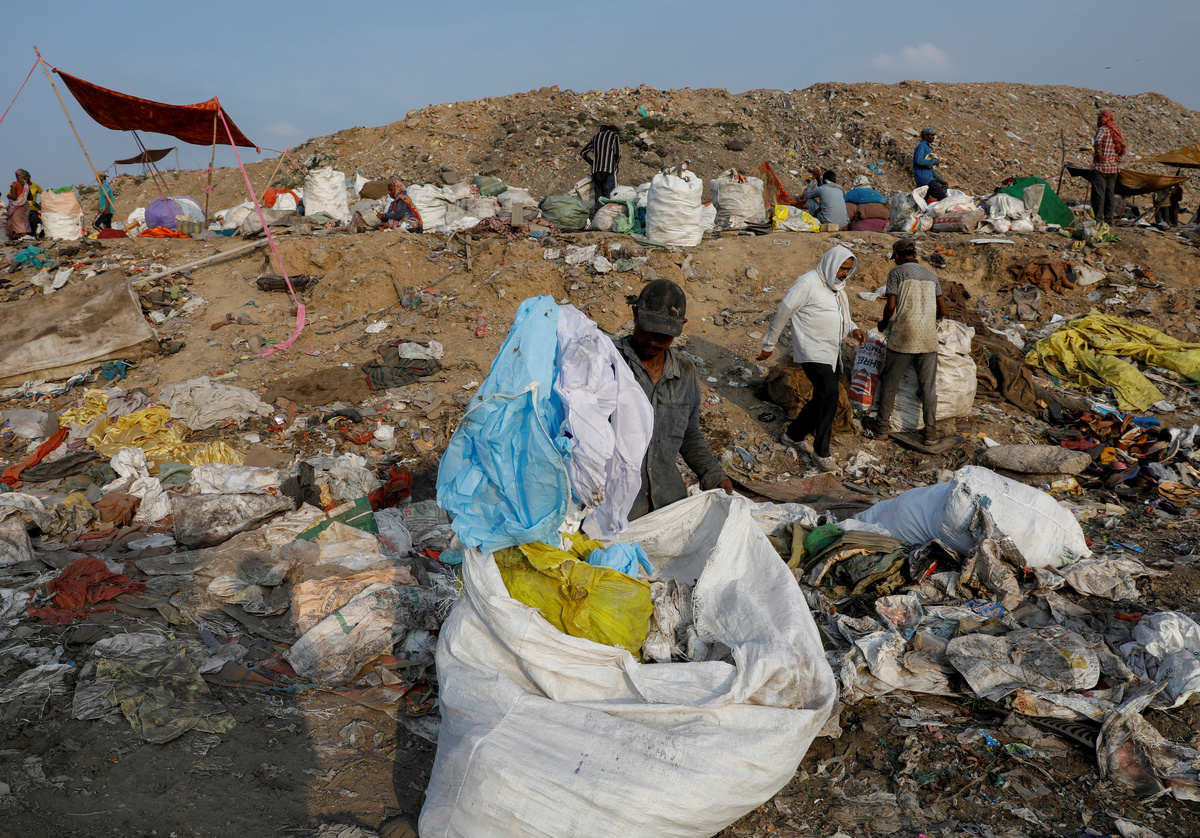
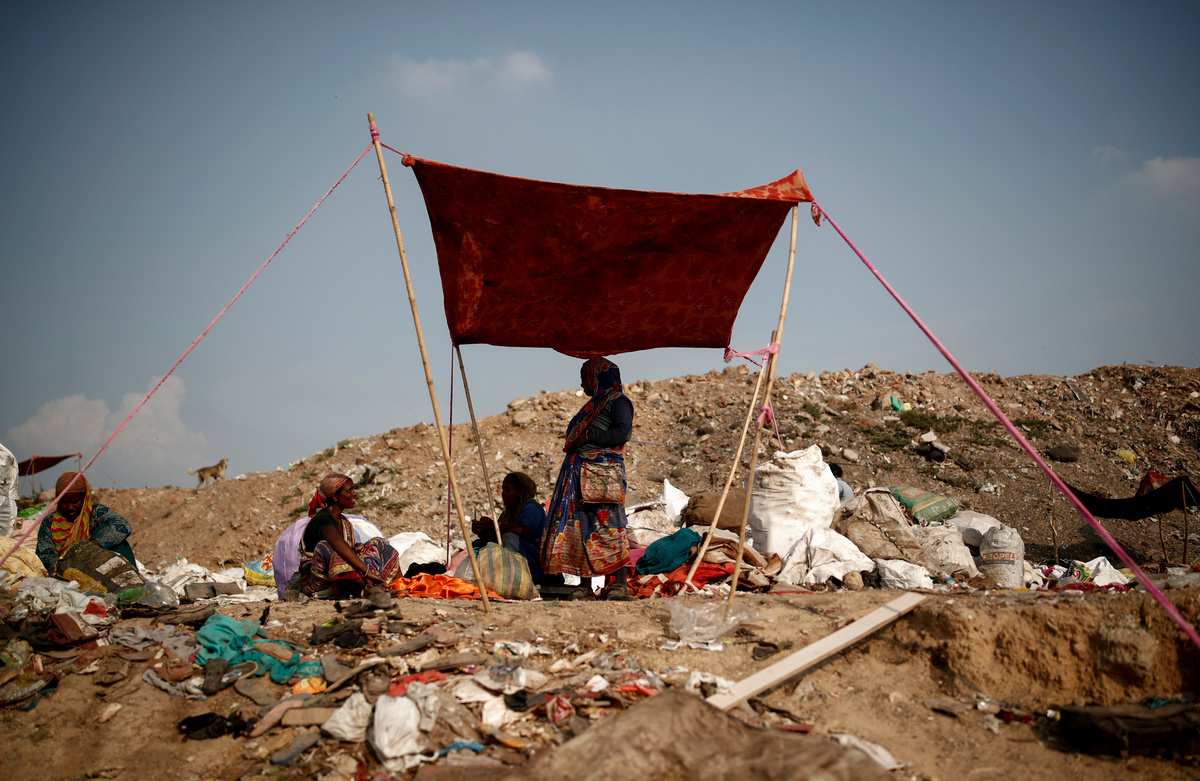
Waste collectors look for recyclable materials at a landfill site, during the coronavirus disease (COVID-19) outbreak, in New Delhi, India, July 22, 2020. REUTERS/Adnan Abidi
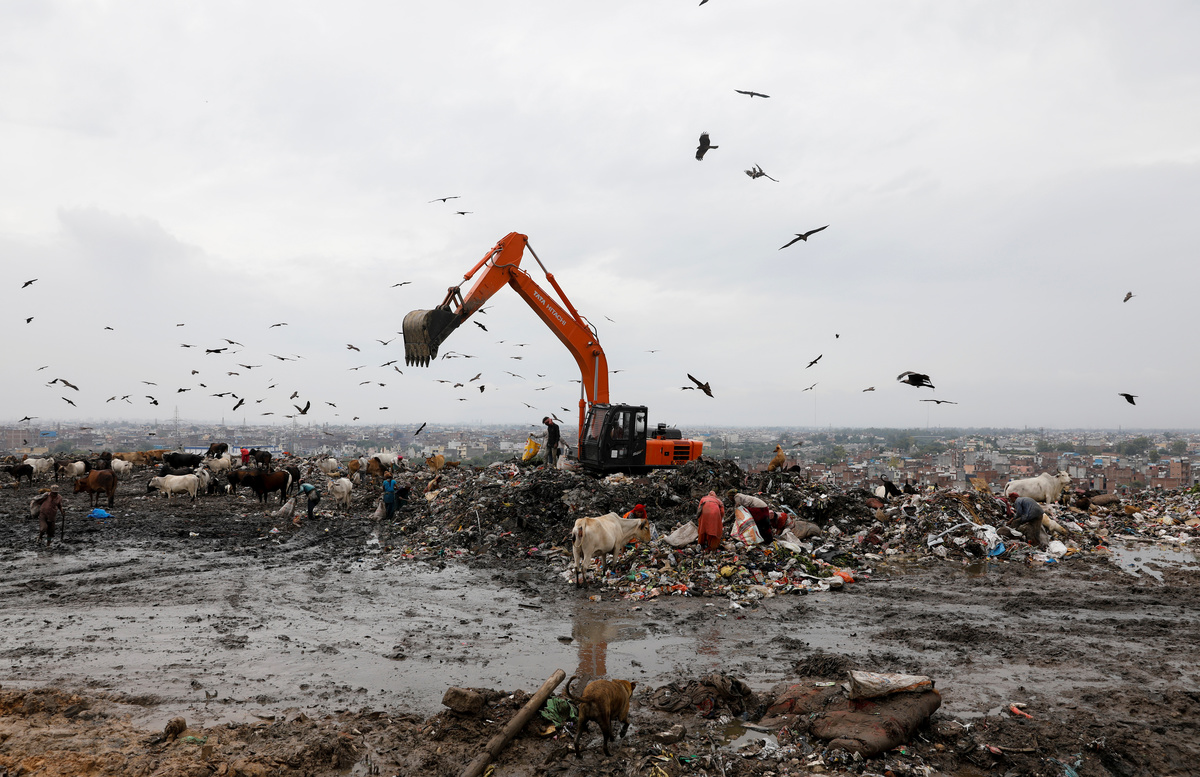
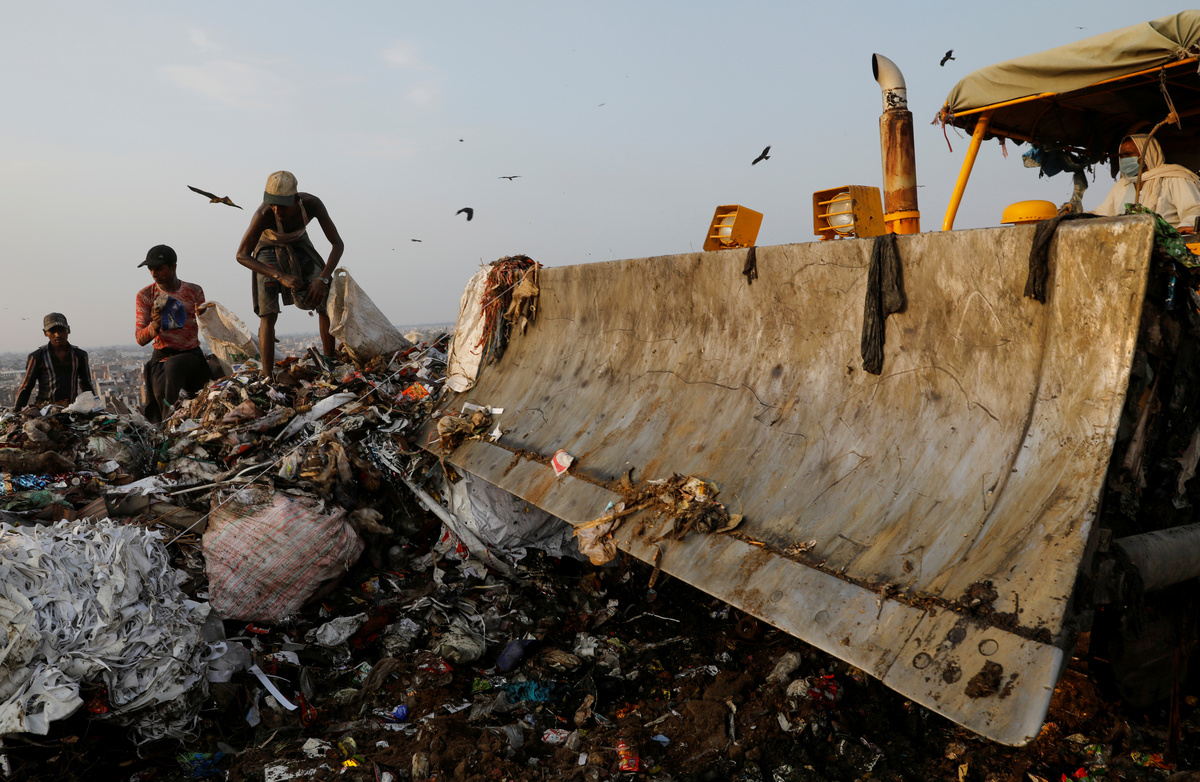
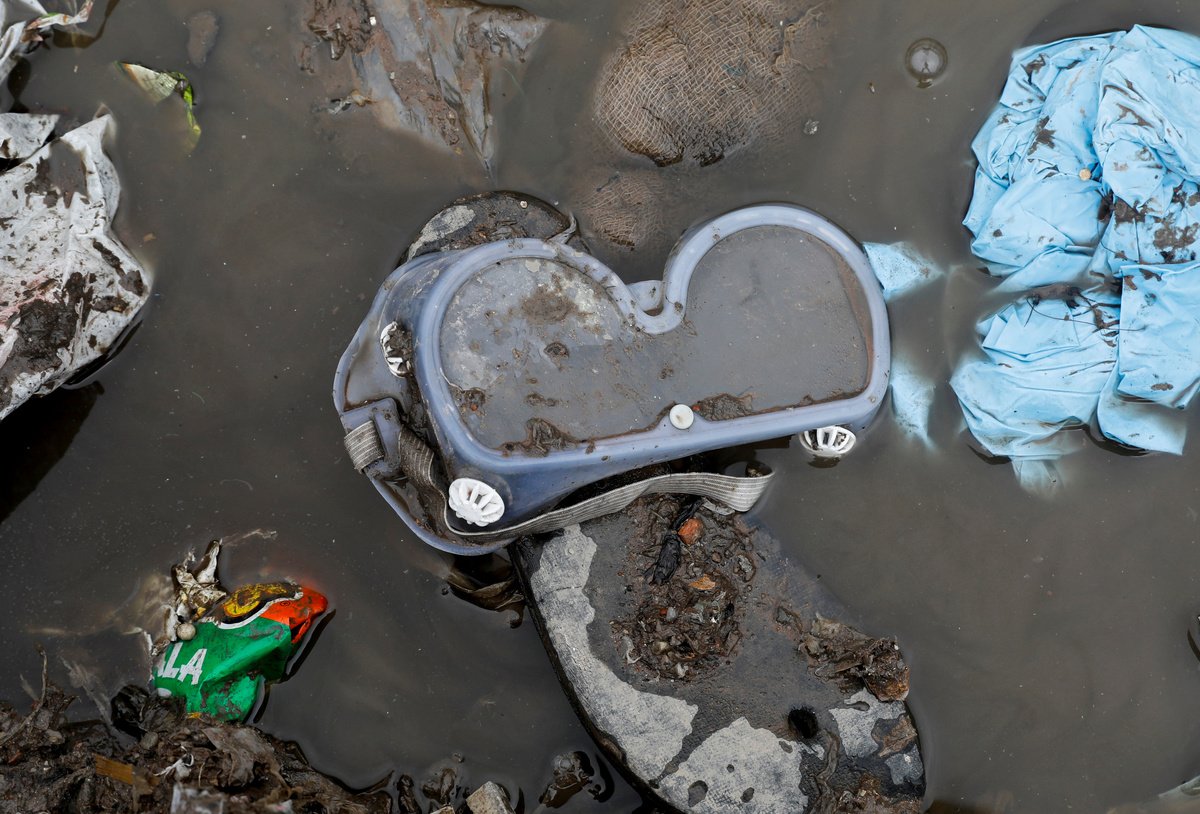
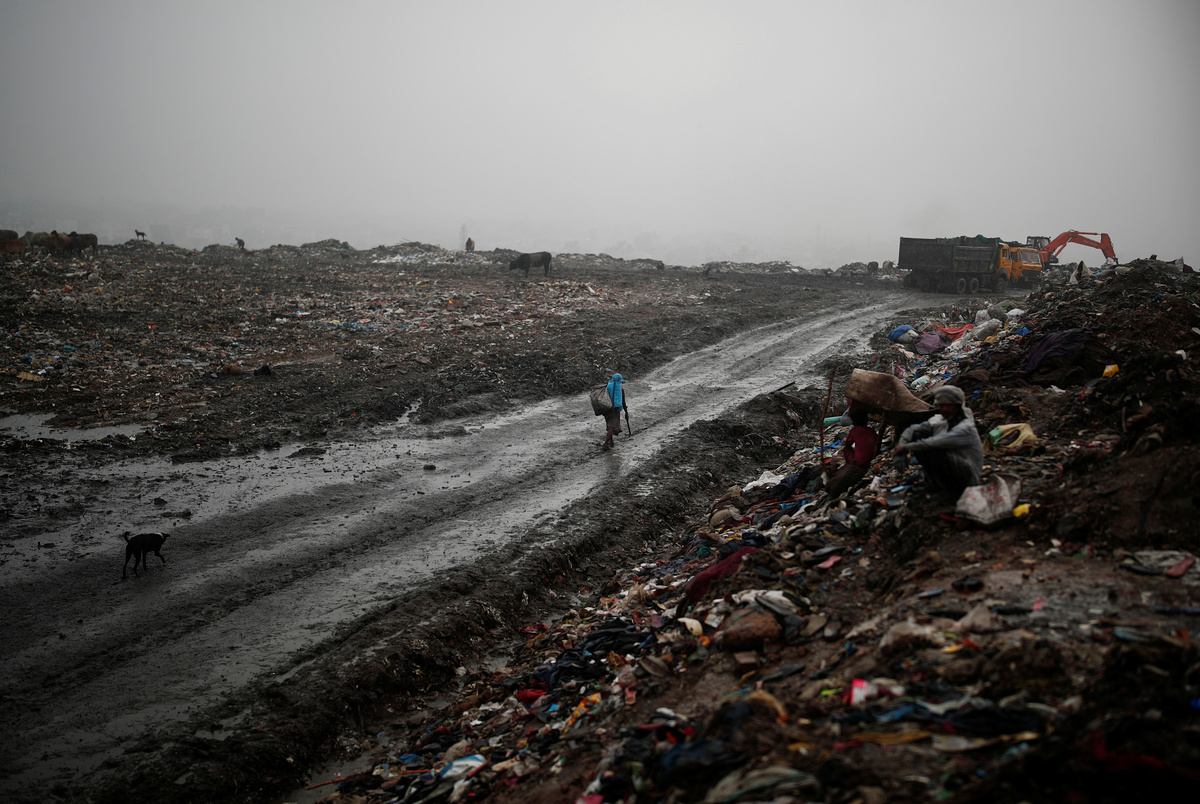
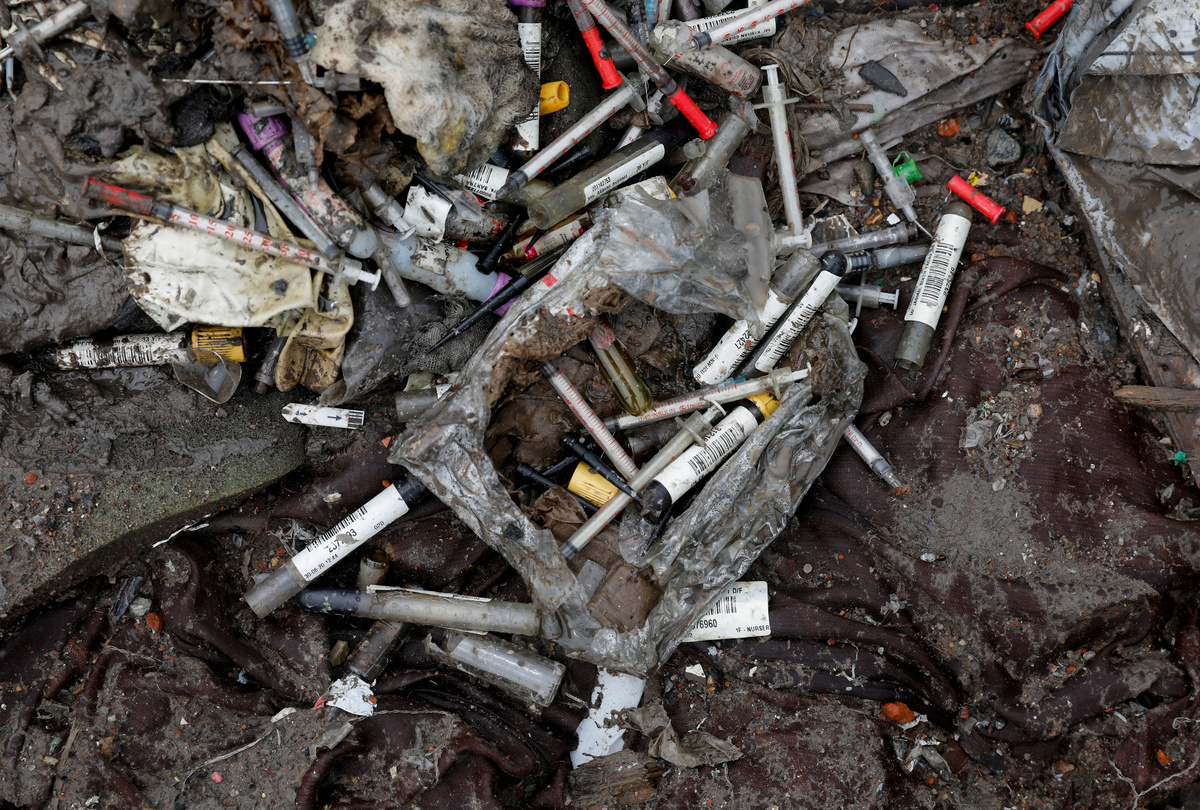
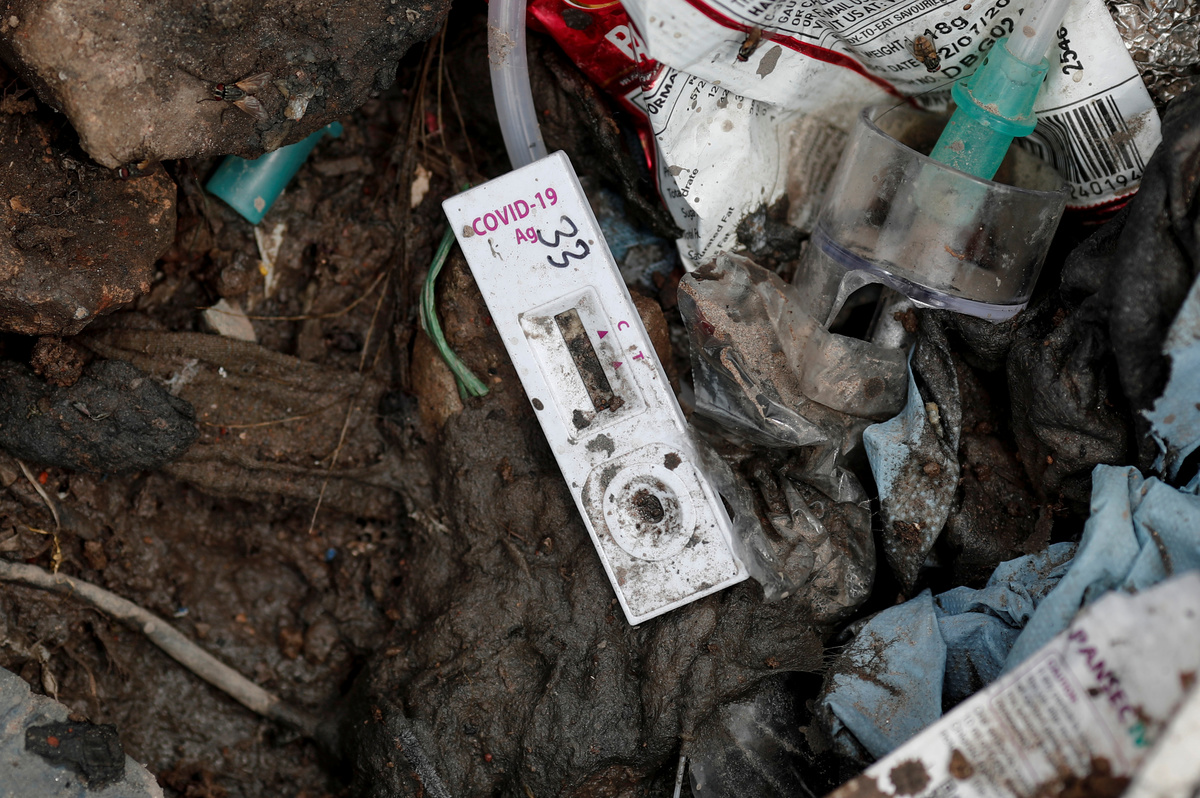
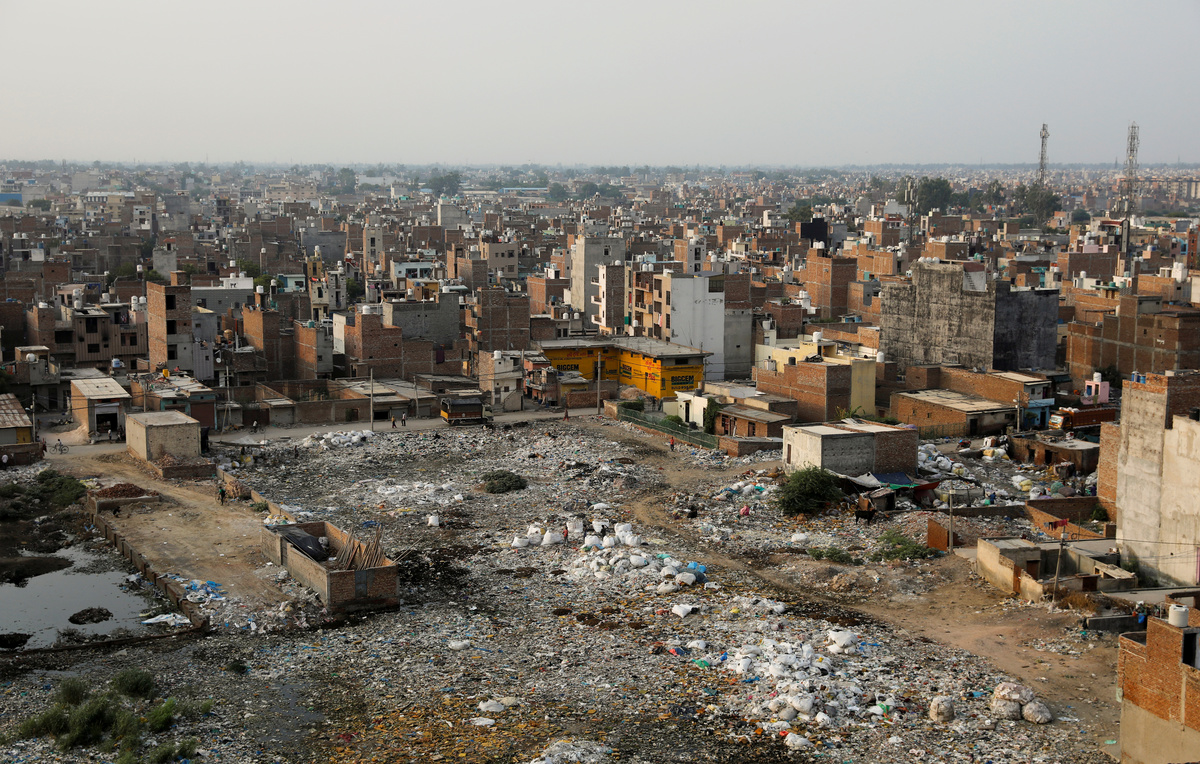
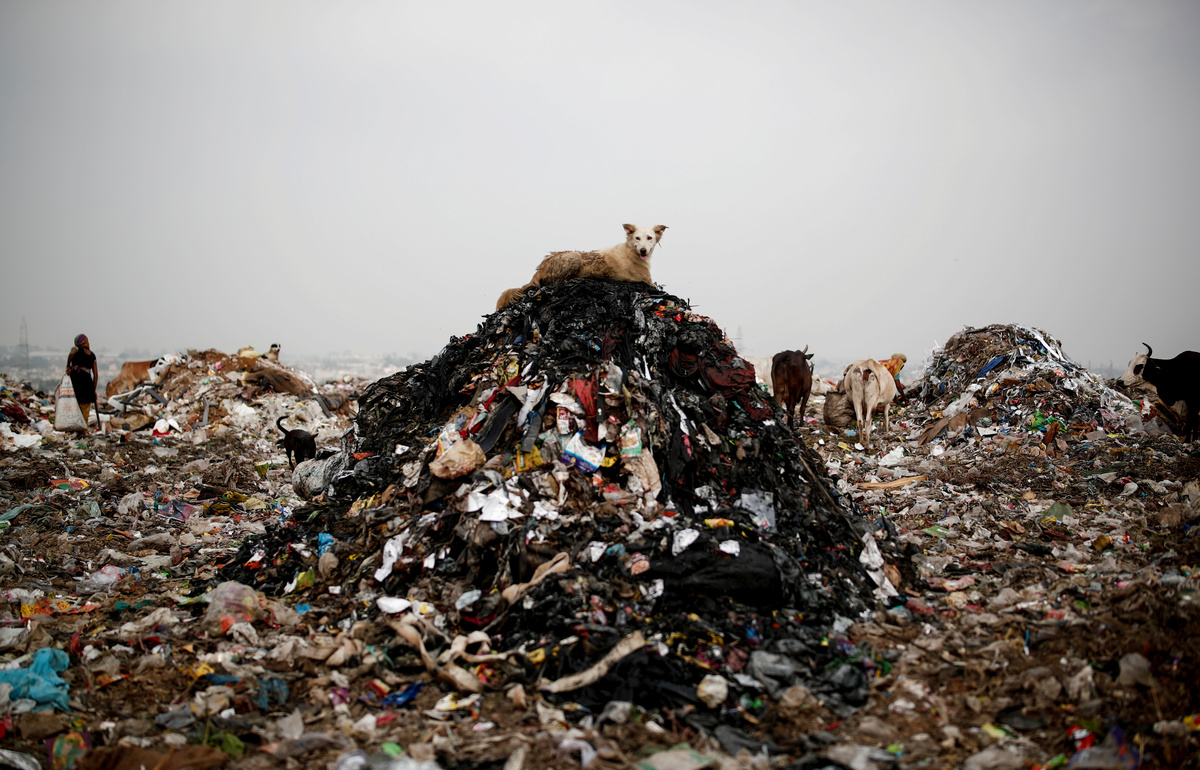
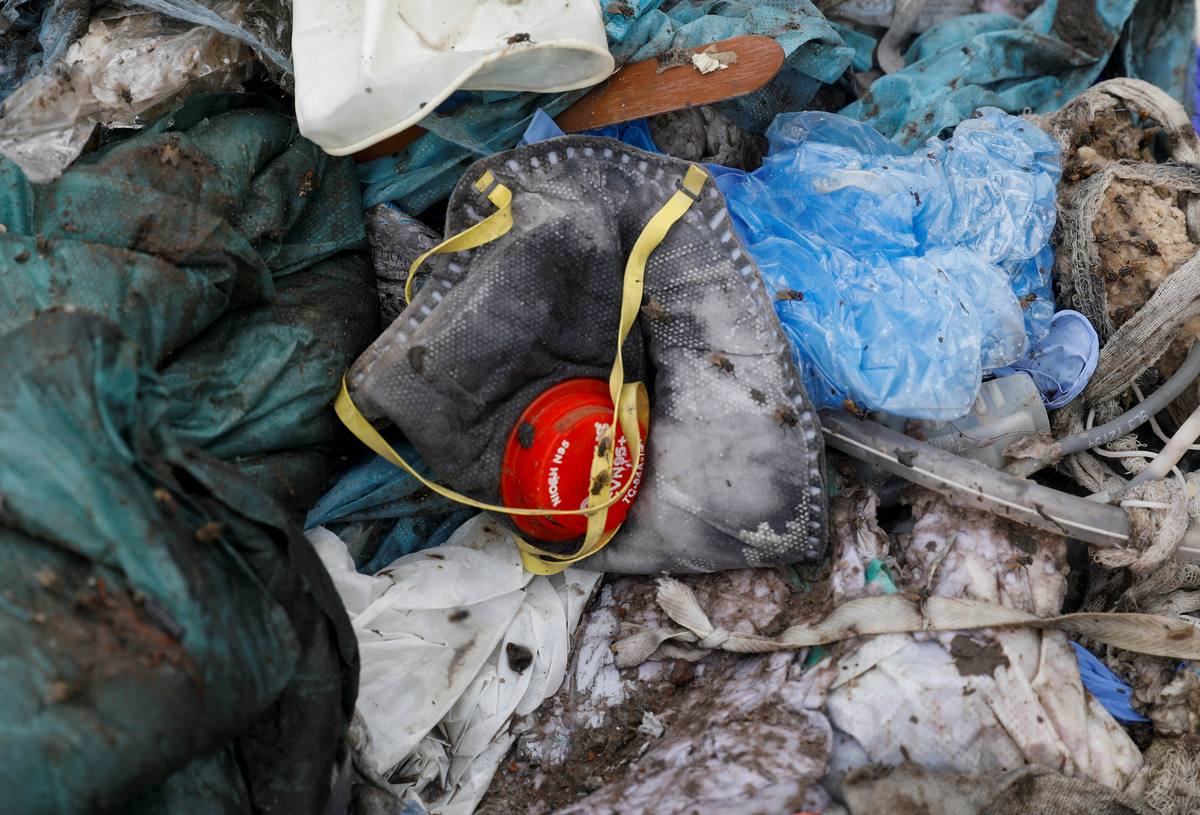
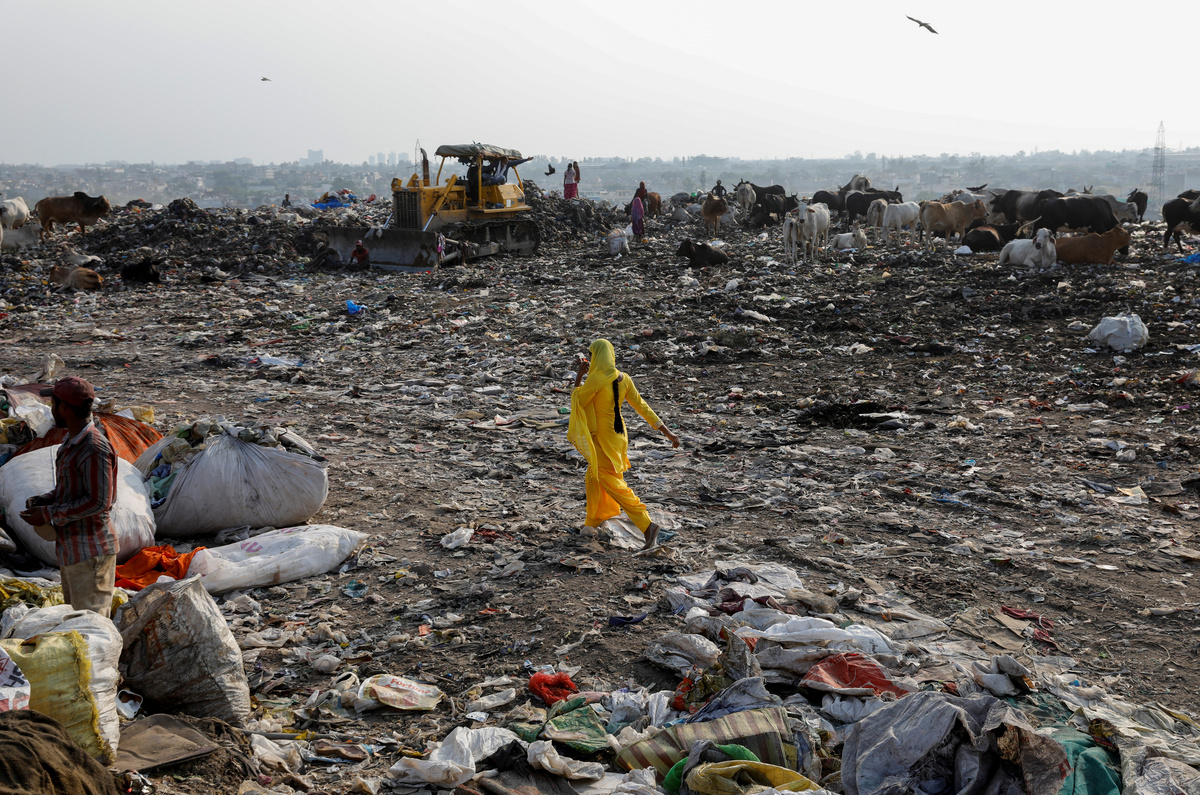
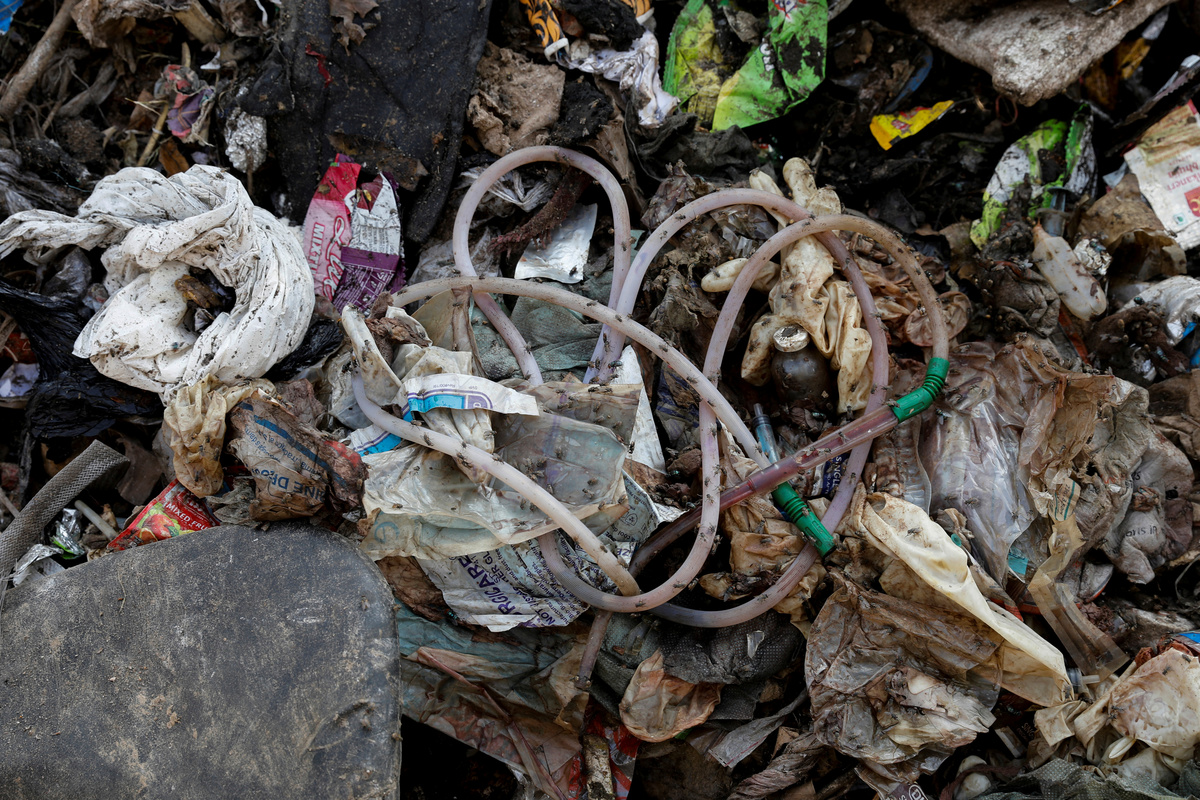
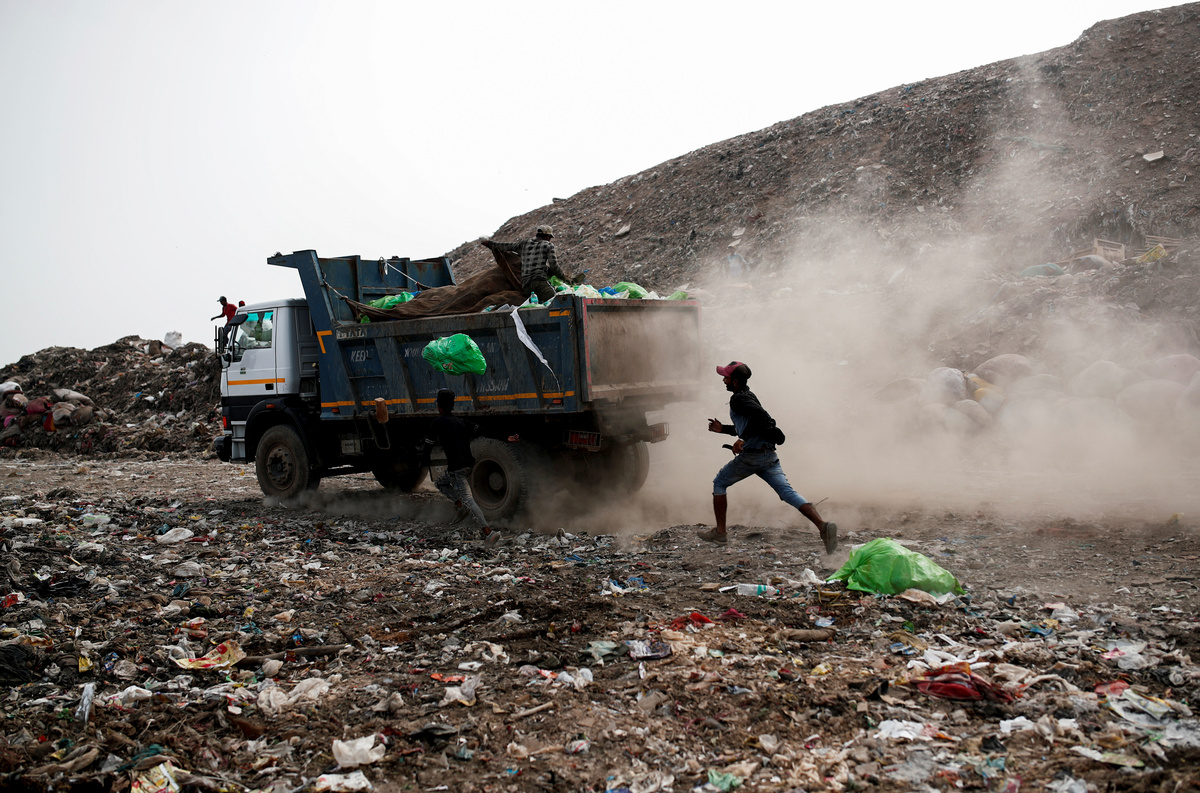
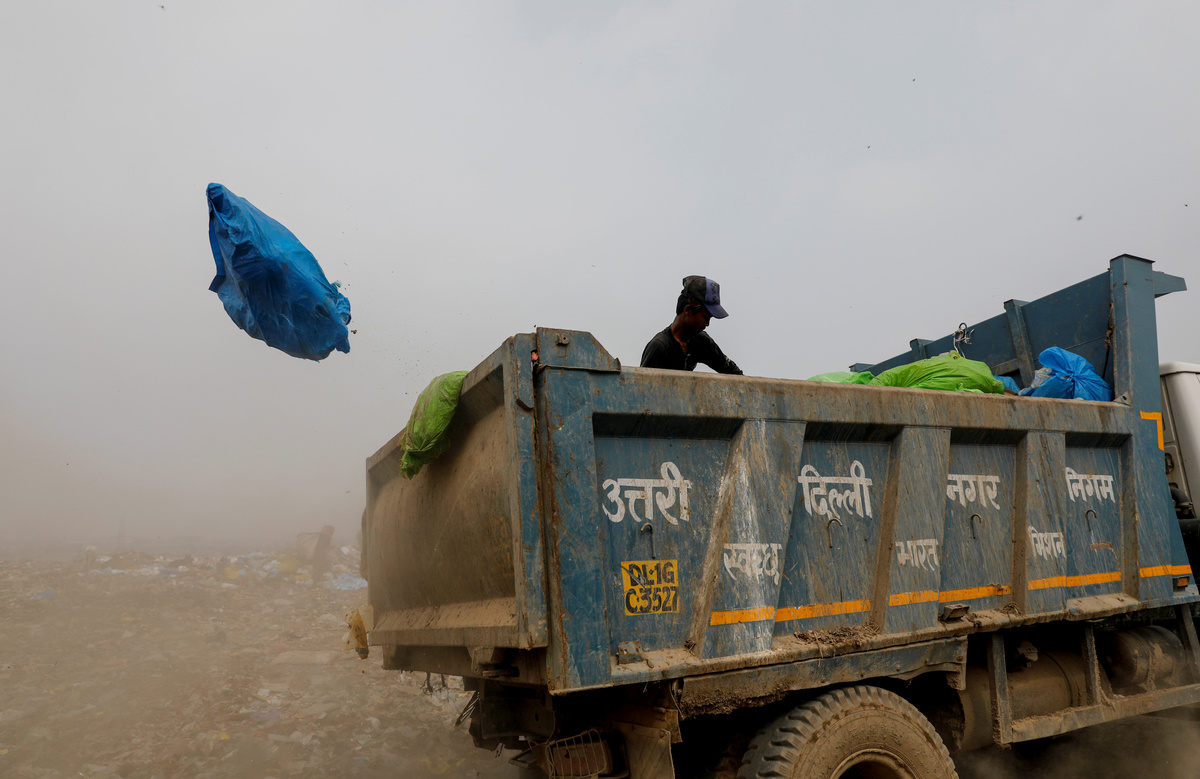
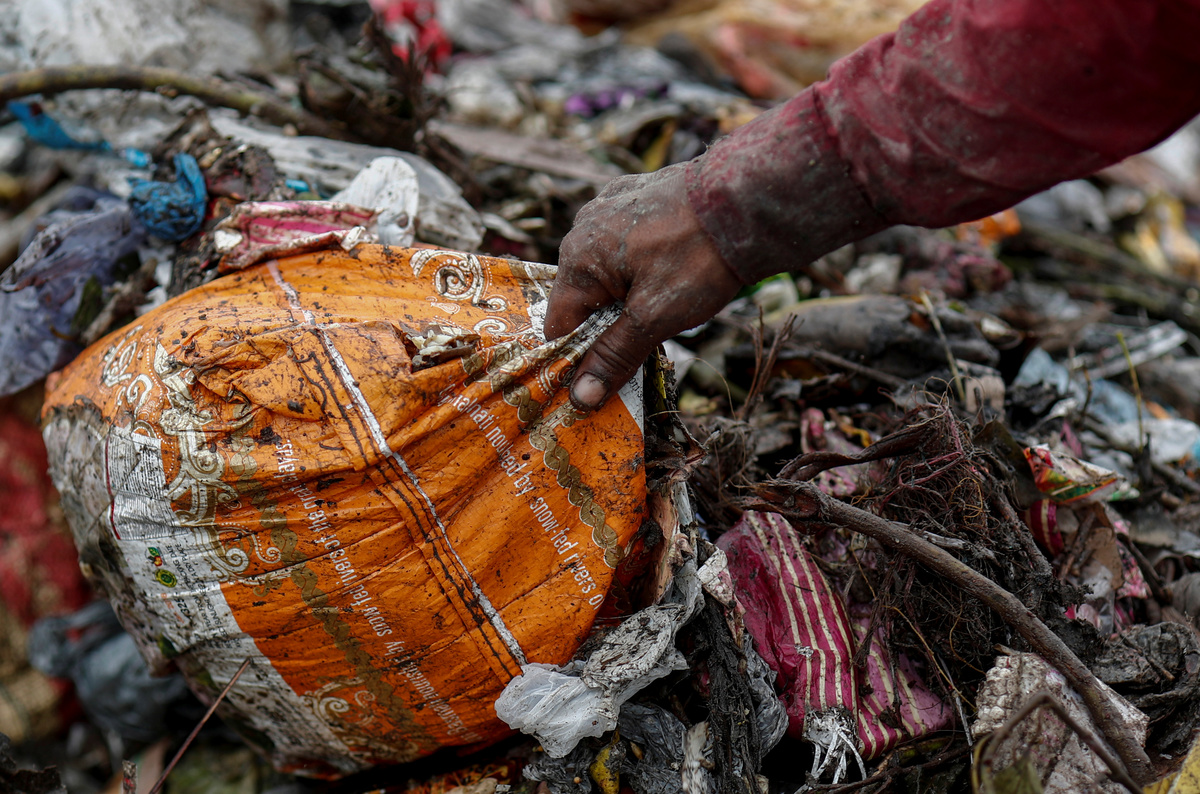
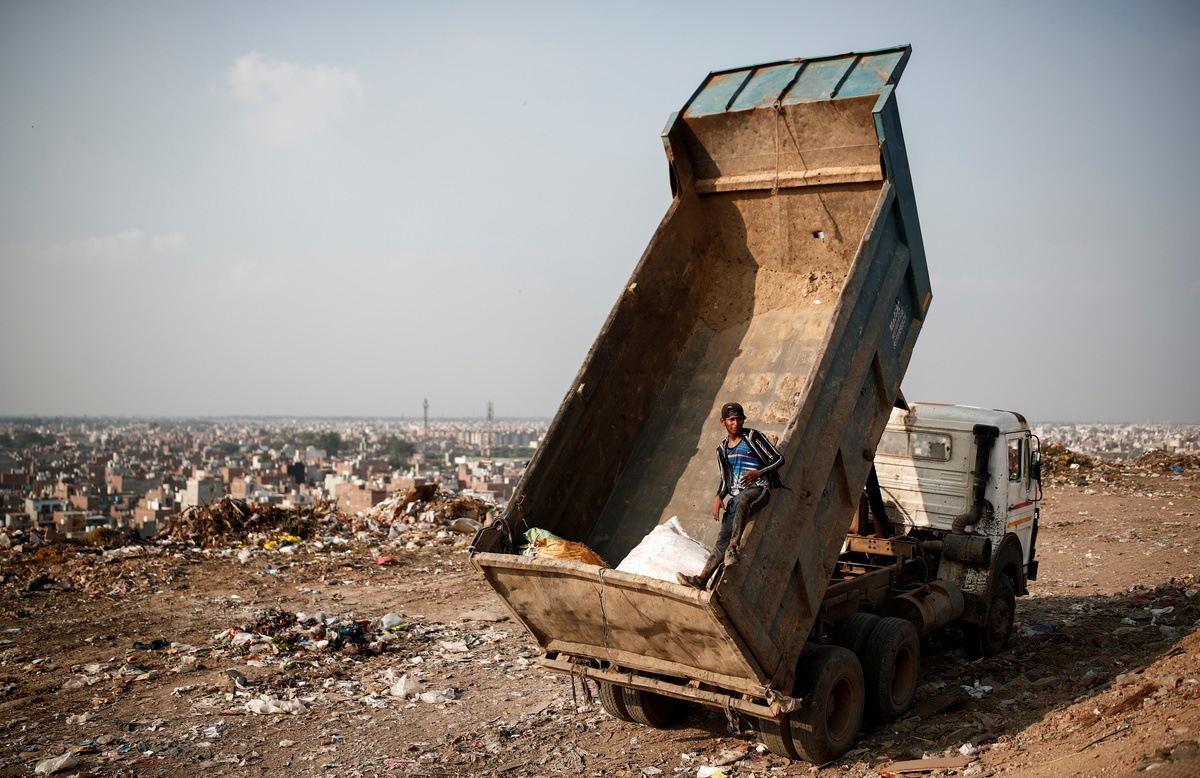
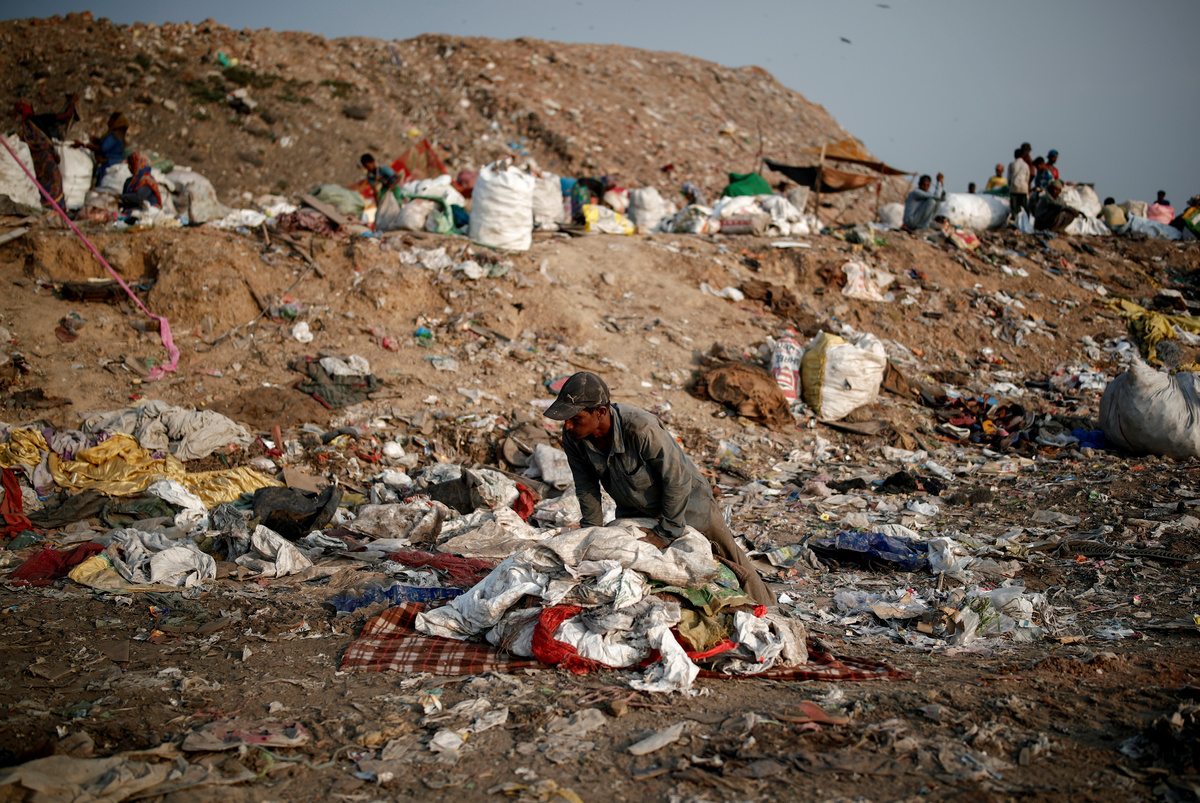
Spread over 52 acres and rising more than 60 metres, the site is littered with used, plastic coronavirus test kits, protective gear and cotton stained with blood and pus – among hundreds of tonnes of waste coming daily from across the Indian capital, including small hospitals and nursing homes.
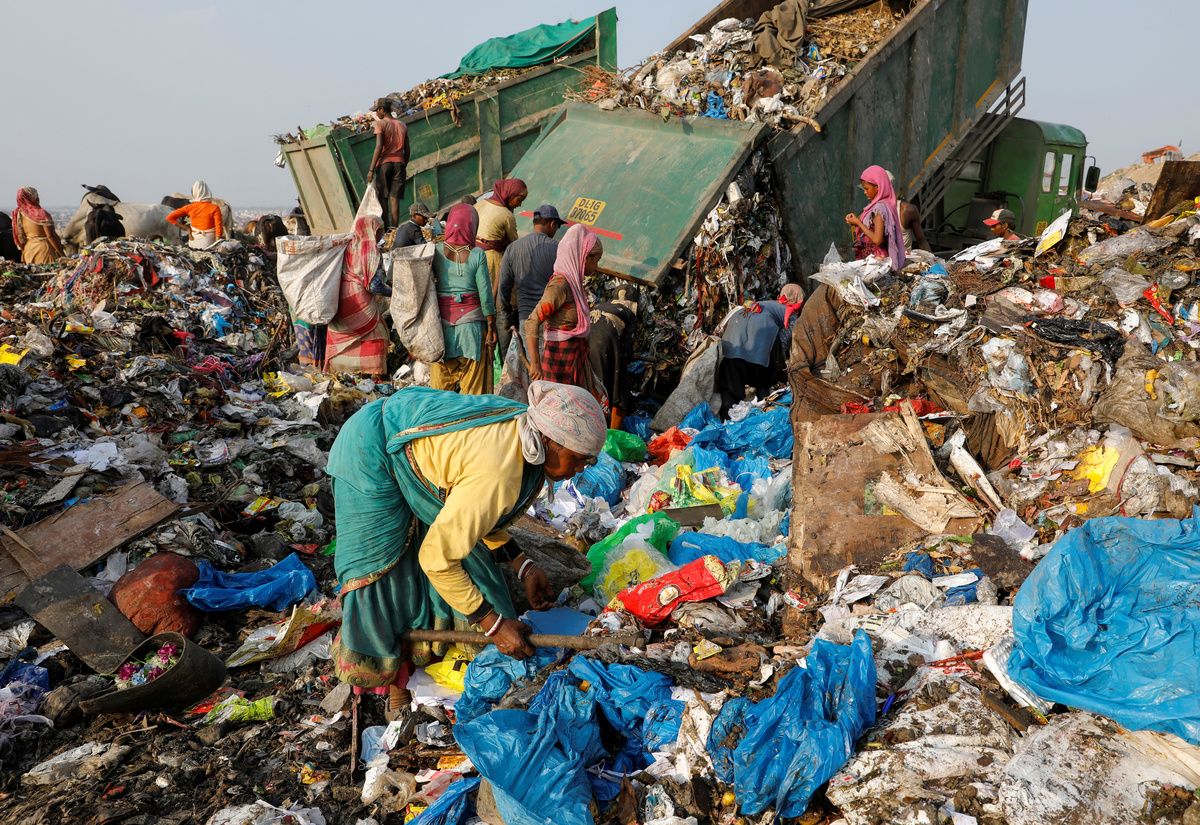
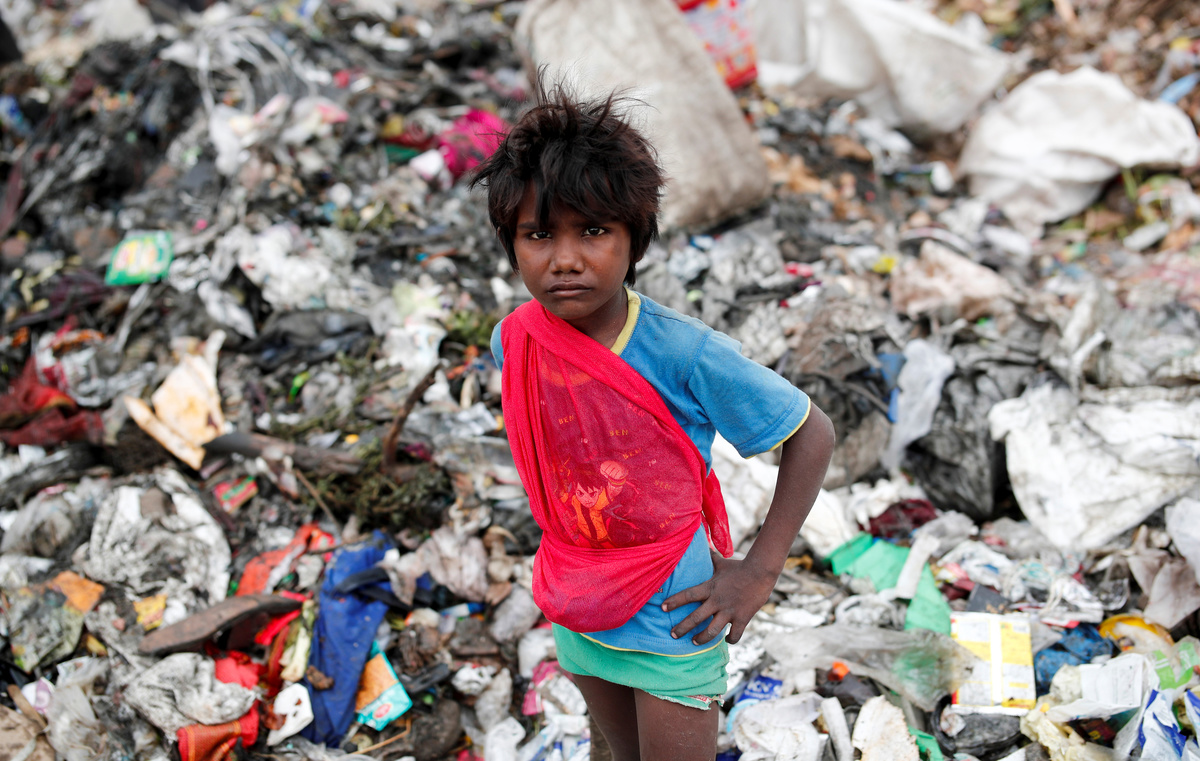
Sifting with bare hands, hundreds of scavengers including children expose themselves to a disease that has infected more than 15 million people globally and claimed over 600,000 lives.
India has reported almost 1.2 million cases overall, behind only the United States and Brazil.
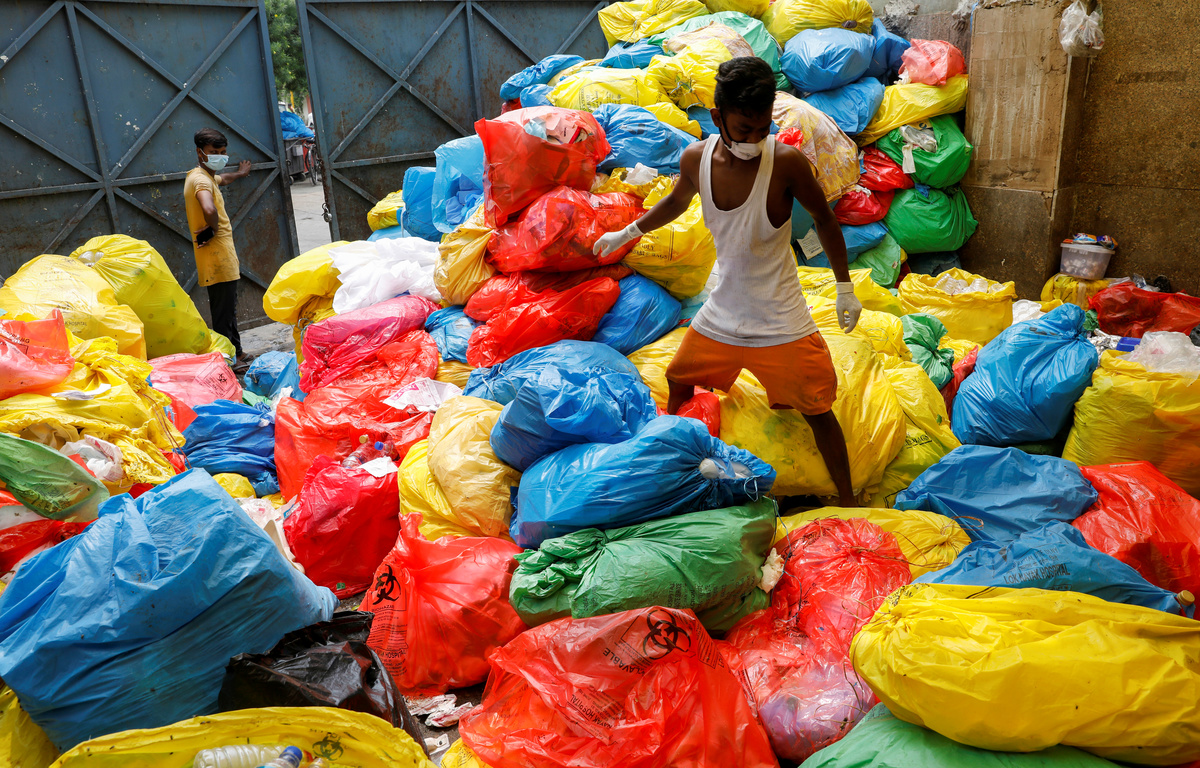
A waste collector walks over disposed medical waste bags inside a rubbish dump outside a hospital, during the coronavirus disease (COVID-19) outbreak, in New Delhi, India, July 17, 2020. REUTERS/Adnan Abidi
"WHAT IF WE DIE?"
Khan, 44, is aware of the dangers but feels he has little choice.
"What if we die? What if we get this disease? But fear will not fill our bellies, that is why we have to do this work," he told Reuters, standing outside his two-room concrete house at the foot of the garbage mountain.
Waste collectors look for recyclable materials near bags of disposed medical waste at a landfill site, during the coronavirus disease (COVID-19) outbreak, in New Delhi, India, July 9, 2020. REUTERS/Adnan Abidi
Bibi, 38, said she was worried about bringing the infection home to the couple's children, aged 16, 14 and 11.
"When I return from there, I feel afraid to enter my house because I have children at home. We are really afraid of this disease," she said.
Dinesh Raj Bandela, an expert in biomedical waste at the Delhi-based think tank Centre for Science and Environment, said protocols for disposal of biomedical waste were not necessarily being followed during the outbreak, putting those who sift through landfills at risk.
Latifa Bibi, 38, who is married to Mansoor Khan, a waste collector, looks for recyclable materials at a landfill site, during the coronavirus disease (COVID-19) outbreak, in New Delhi, India, July 16, 2020. "When I return from there, I feel afraid to enter my house because I have children at home. We are really afraid of this disease," said Bibi. REUTERS/Adnan Abidi
Neither the North Delhi Municipal Corporation, which runs the dump, nor India's Central Pollution Control Board, immediately replied to requests for comment.
According to Bandela, the Indian capital used to produce nearly 600 tonnes of medical waste a day, but that has risen by 100 tonnes since the virus hit.
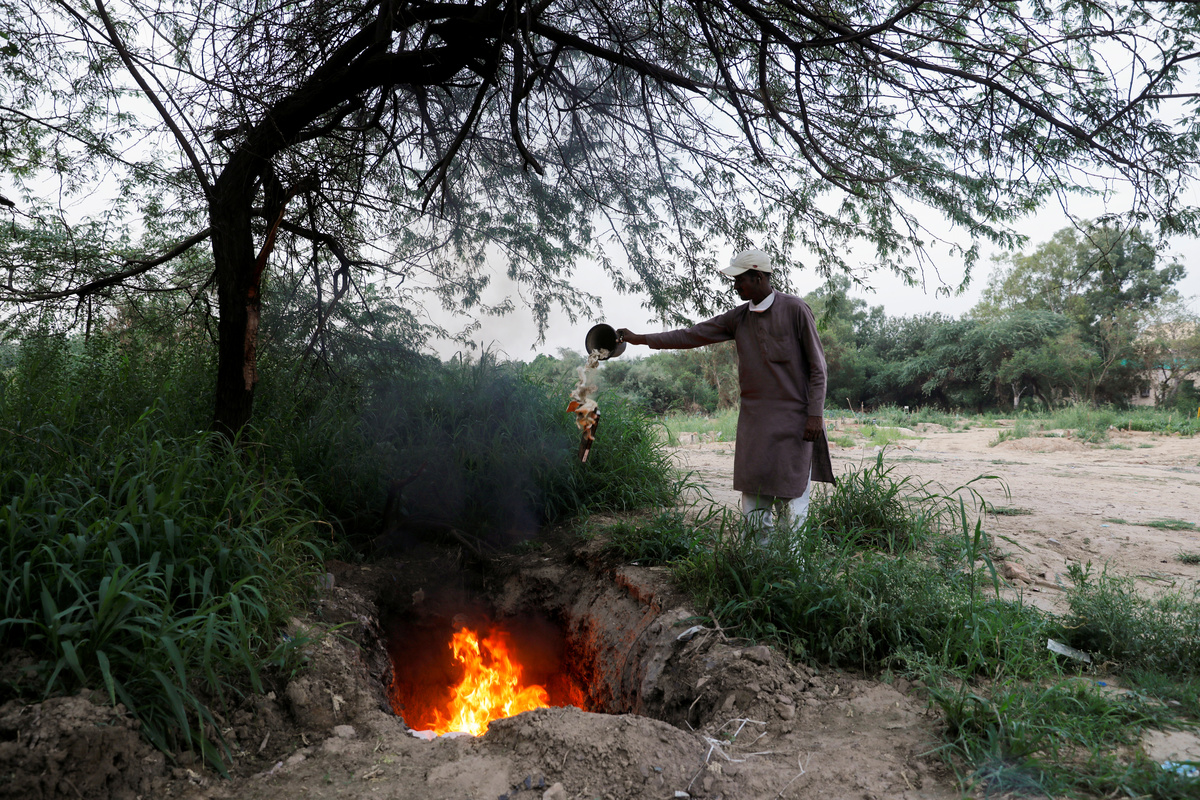
A man burns discarded personal protective equipment (PPE) suits and gloves that were left by people at a graveyard, during the coronavirus disease (COVID-19) outbreak, in New Delhi, India, July 13, 2020. REUTERS/Adnan Abidi
(Reporting by Adnan Abidi and Sunil Kataria in New Delhi; Writing by Alasdair Pal; Editing by Andrew Cawthorne)
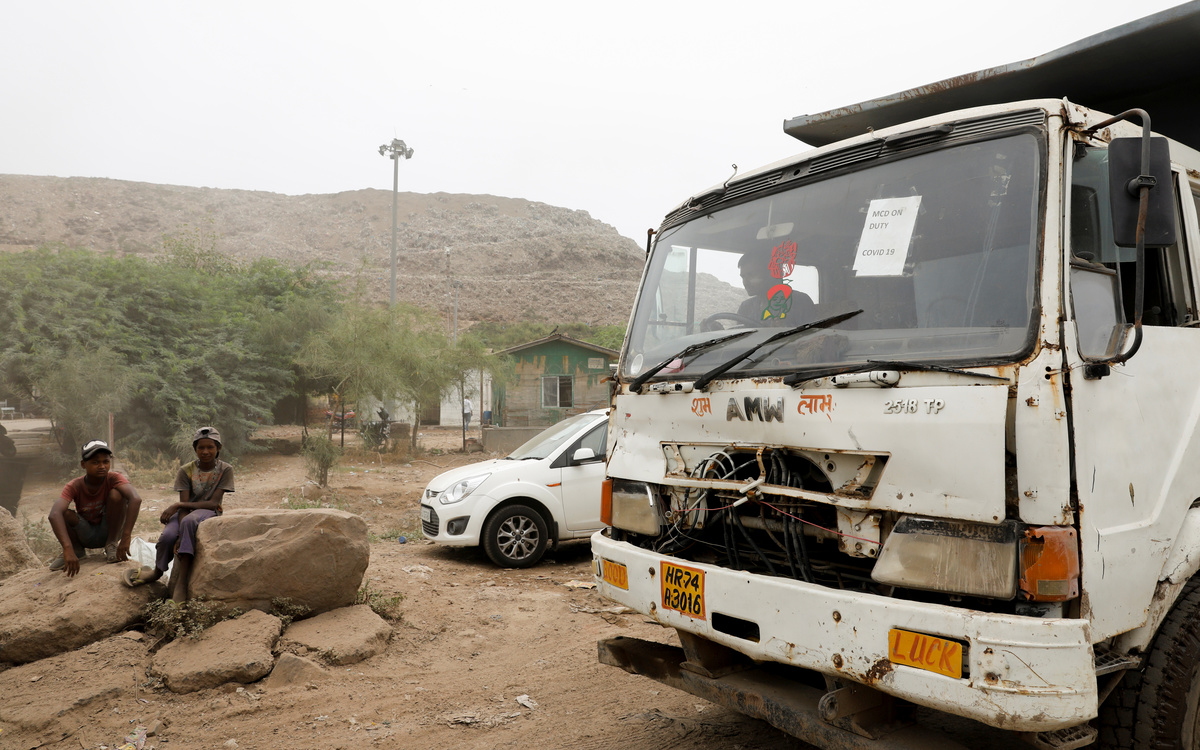
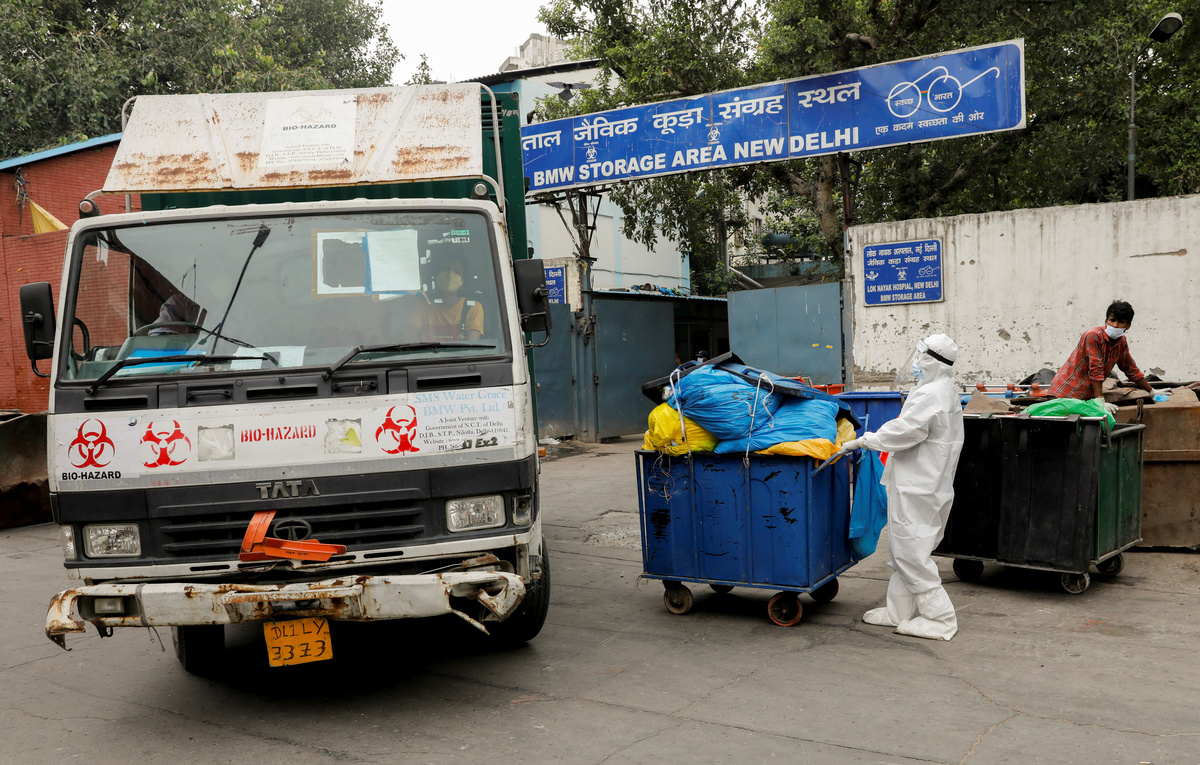
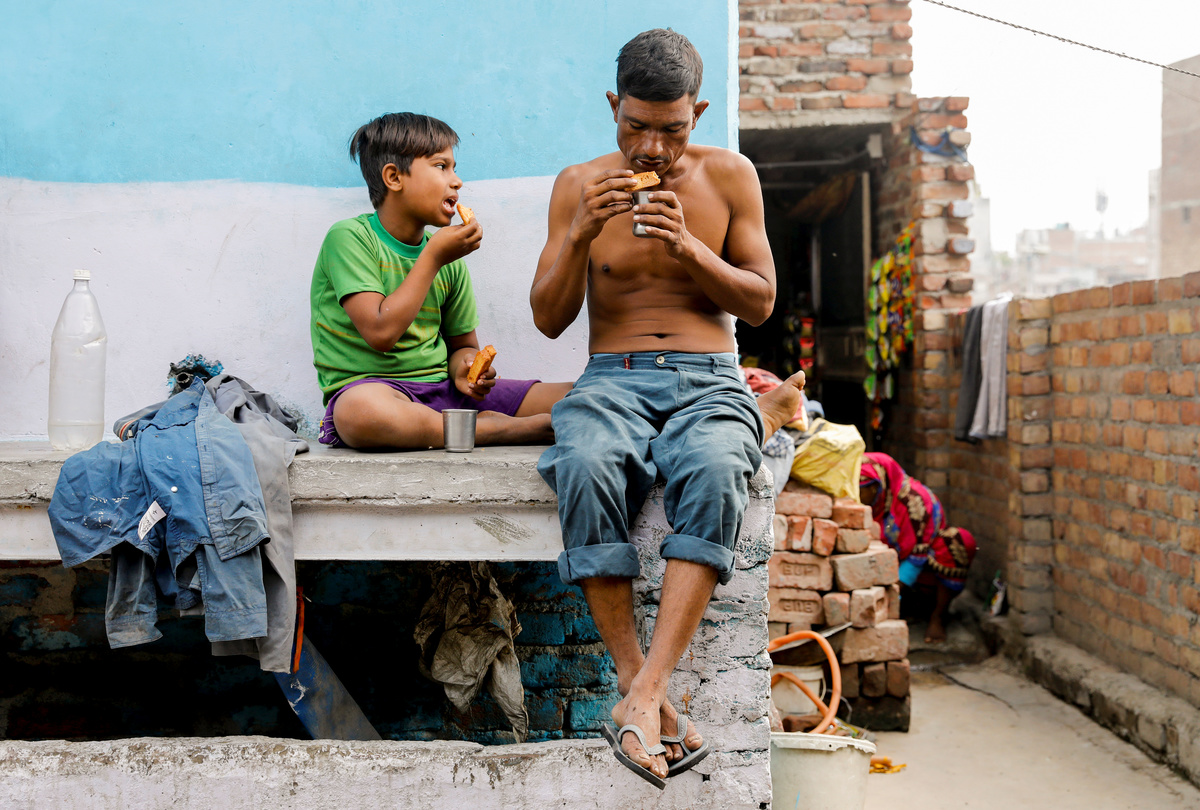
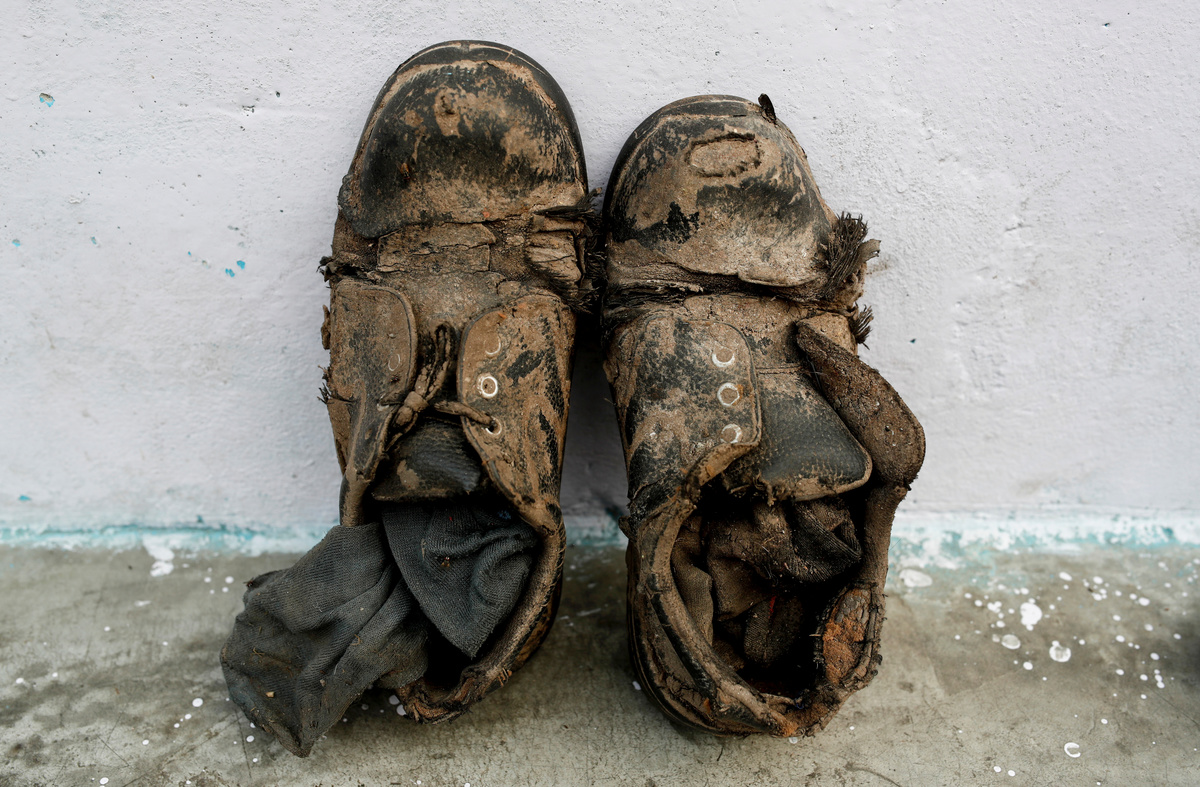
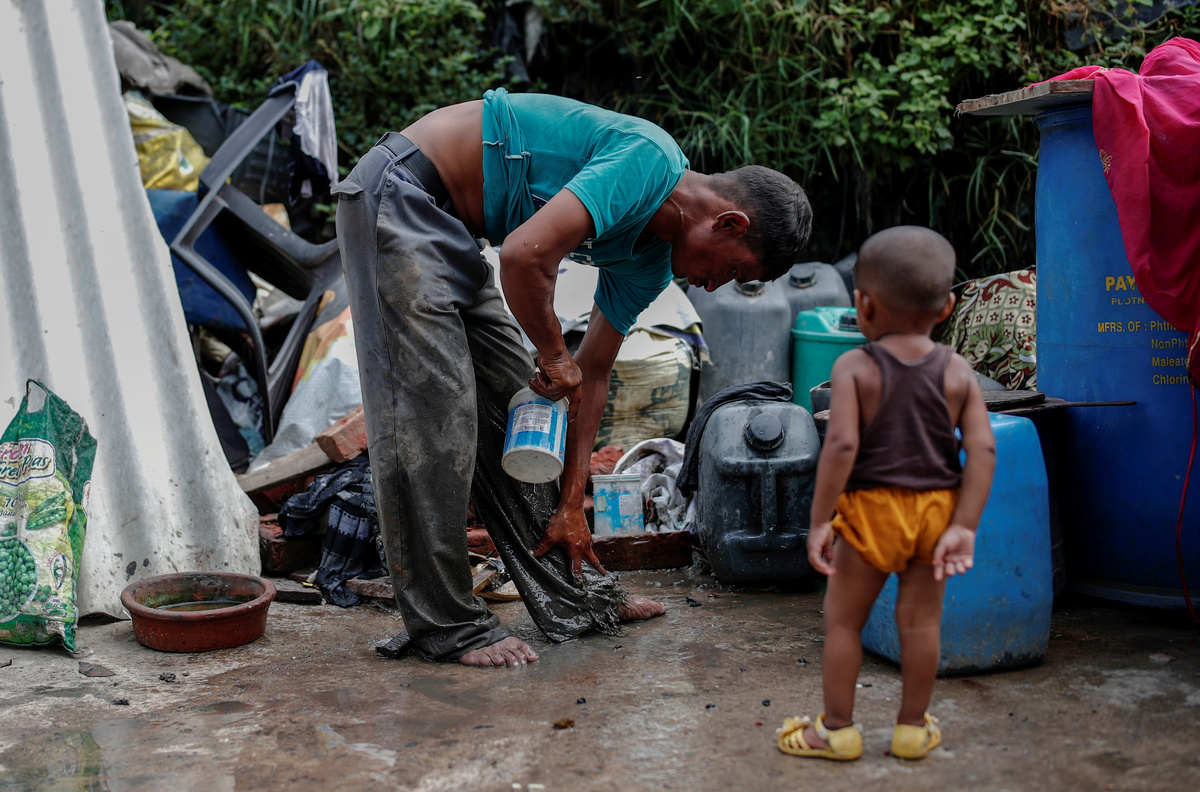
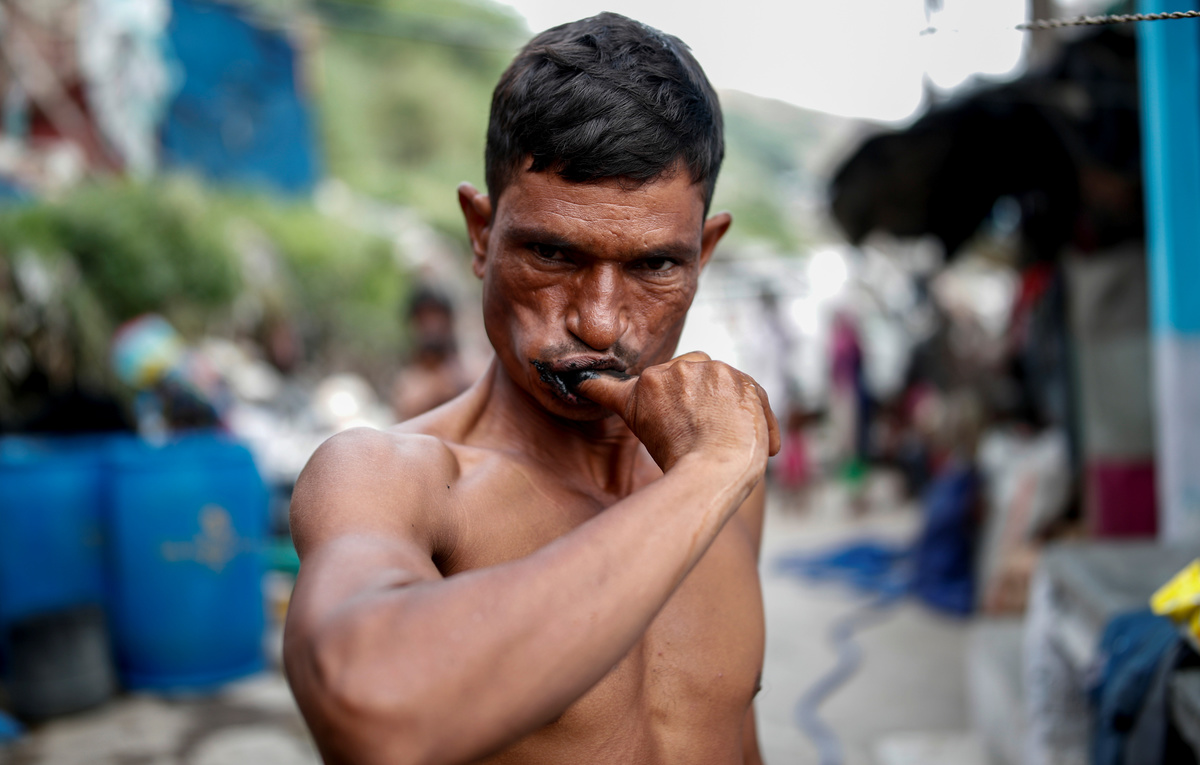
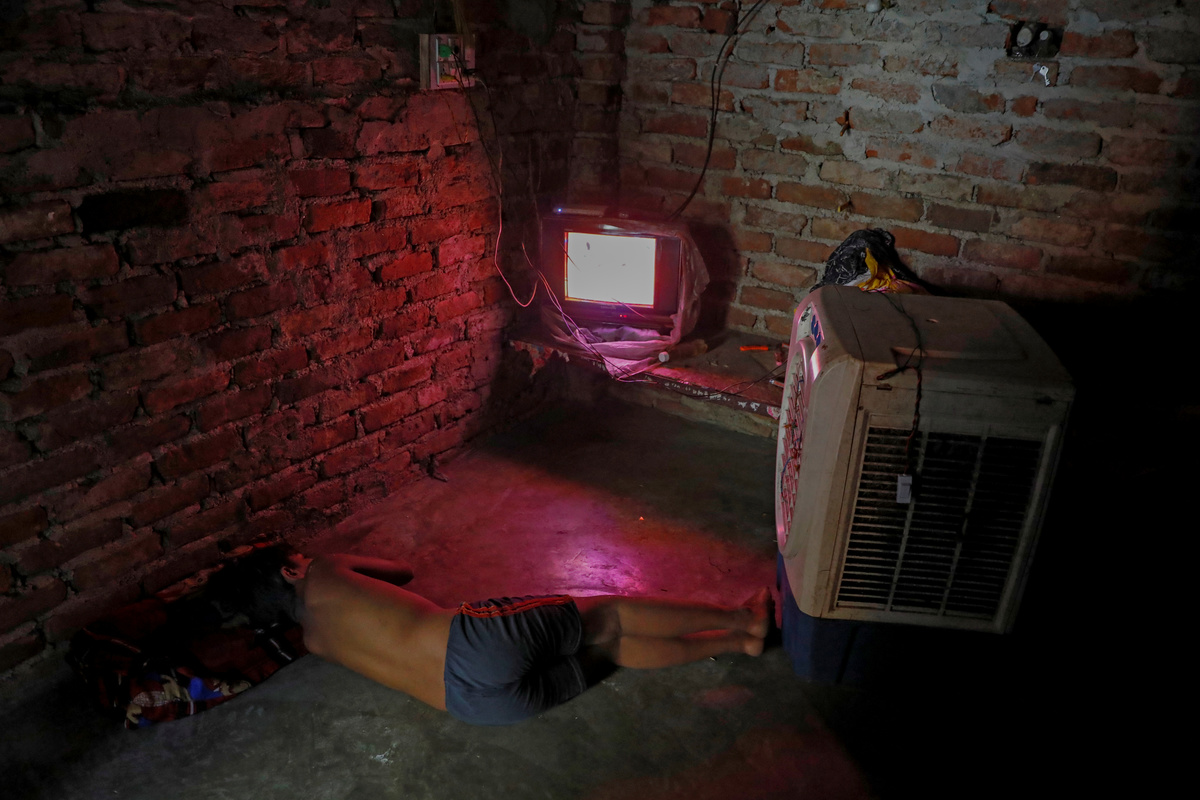
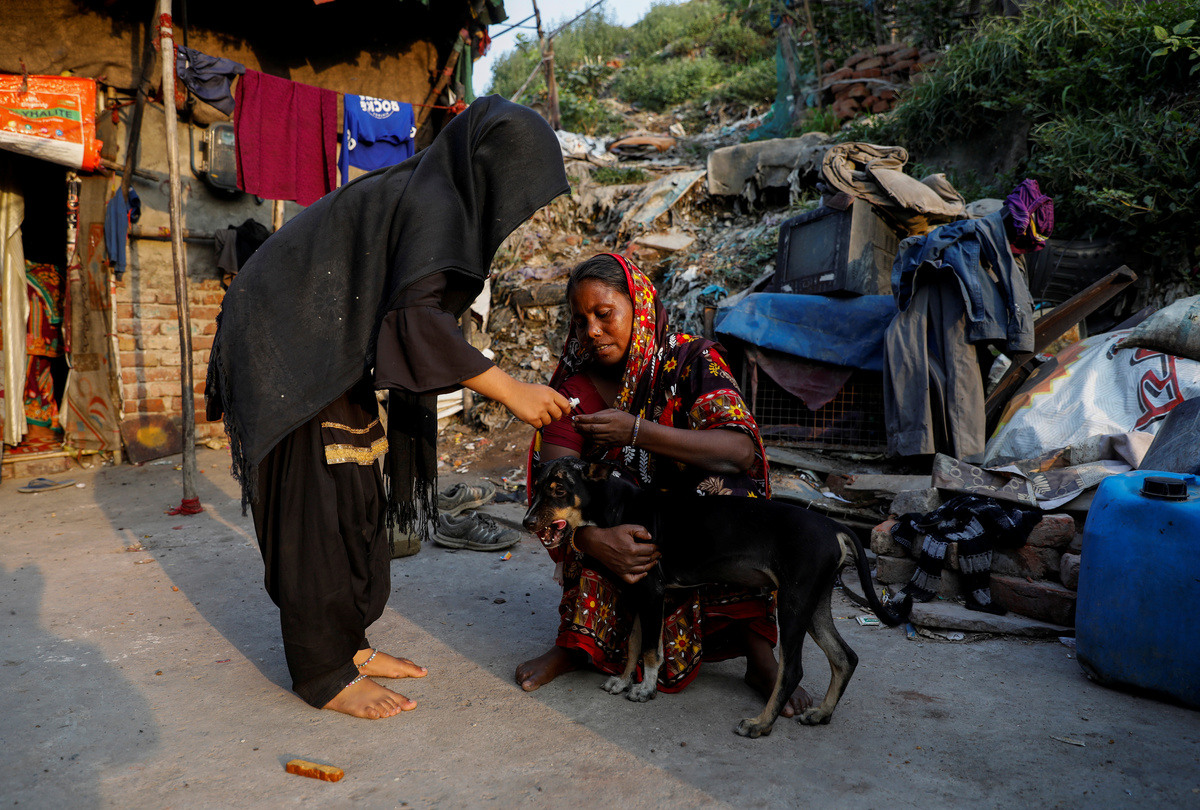
Waste collectors look for recyclable materials at a landfill site, during the coronavirus disease (COVID-19) outbreak, in New Delhi, India, July 9, 2020. REUTERS/Adnan Abidi A disposed pair of protective eye glasses lie amongst other bits of waste at a landfill site, during the coronavirus disease (COVID-19) outbreak, in New Delhi, India, July 22, 2020. REUTERS/Adnan Abidi Waste collectors look for recyclable materials among bags of disposed medical waste at a landfill site, during the coronavirus disease (COVID-19) outbreak, in New Delhi, India, July 9, 2020. REUTERS/Adnan Abidi A waste collector walks along a muddy path through a landfill site, during the coronavirus disease (COVID-19) outbreak, in New Delhi, India, July 22, 2020. REUTERS/Adnan Abidi Discarded syringes lie amongst other bits of disposed medical waste at a landfill site, during the coronavirus disease (COVID-19) outbreak, in New Delhi, India, July 22, 2020. REUTERS/Adnan Abidi A man drives into a landfill site to offload waste from his truck, during the coronavirus disease (COVID-19) outbreak, New Delhi, India, July 18, 2020. REUTERS/Adnan Abidi A COVID-19 testing kit lies on the floor at a landfill site, during the coronavirus disease (COVID-19) outbreak, in New Delhi, India, July 22, 2020. REUTERS/Adnan Abidi A medical staff member wearing personal protective equipment (PPE) pushes a trolley containing medical waste bags to a Bio-Medical Waste storage area, during the coronavirus disease (COVID-19) outbreak, in New Delhi, India, July 17, 2020. REUTERS/Adnan Abidi Mansoor Khan, 44, who works as a waste collector, eats breakfast with his son Latif Khan, 11, outside their house which is next to a landfill site, during the coronavirus disease (COVID-19) outbreak, in New Delhi, India, July 16, 2020. REUTERS/Adnan Abidi Shoes belonging to Mansoor Khan, a waste collector, are left outside of his home, next to a landfill site, during the coronavirus disease (COVID-19) outbreak, in New Delhi, India, July 16, 2020. REUTERS/Adnan Abidi Rubbish bags stand at a landfill site, near a residential area, during the coronavirus disease (COVID-19) outbreak, in New Delhi, India, July 9, 2020. REUTERS/Adnan Abidi Mansoor Khan, 44, who works as a waste collector, puts on his shoes as he gets ready to look for recyclable materials from a landfill site next to his house, during the coronavirus disease (COVID-19) outbreak, in New Delhi, India, July 16, 2020. REUTERS/Adnan Abidi A dog rests on a pile of rubbish at a landfill site, during the coronavirus disease (COVID-19) outbreak, in New Delhi, India, July 15, 2020. REUTERS/Adnan Abidi A discarded N95 protective face mask lies amongst other bits of disposed medical waste at a landfill site, during the coronavirus disease (COVID-19) outbreak, in New Delhi, India, July 22, 2020. REUTERS/Adnan Abidi A young waste collector, waits for a truck to offload rubbish onto a landfill site, during the coronavirus disease (COVID-19) outbreak, in New Delhi, India, July 16, 2020. REUTERS/Adnan Abidi Mansoor Khan, 44, a waste collector, goes through bags of rubbish containing personal protective equipment (PPE) suits, as he looks for recyclable materials at a landfill site, during the coronavirus disease (COVID-19) outbreak, in New Delhi, India, July 9, 2020. "What if we die? What if we get this disease? But fear will not fill our bellies, that is why we have to do this work," said Khan. REUTERS/Adnan Abidi A waste collector walks through a landfill site, during the coronavirus disease (COVID-19) outbreak, in New Delhi, India, July 9, 2020. REUTERS/Adnan Abidi Disposed medical waste lies on the floor of a landfill site, during the coronavirus disease (COVID-19) outbreak, in New Delhi, India, July 4, 2020. REUTERS/Adnan Abidi A waste collector runs behind a truck carrying rubbish at a landfill site, during the coronavirus disease (COVID-19) outbreak, in New Delhi, India, July 15, 2020. REUTERS/Adnan Abidi A waste collector goes through bags of rubbish as he throws them off the truck into the landfill site, during the coronavirus disease (COVID-19) outbreak, in New Delhi, India, July 15, 2020. REUTERS/Adnan Abidi Mansoor Khan, 44, a waste collector, carries a sack of recyclable materials that he found at a landfill site, during the coronavirus disease (COVID-19) outbreak, in New Delhi, India, July 22, 2020. REUTERS/Adnan Abidi A waste collector stands inside a truck at a landfill site, during the coronavirus disease (COVID-19) outbreak, in New Delhi, India, July 9, 2020. REUTERS/Adnan Abidi Latifa Bibi, 38, helps her husband Mansoor Khan, 44, a waste collector, carrying a sack of recyclable materials that they found at a landfill site, after finishing work for the day, during the coronavirus disease (COVID-19) outbreak, in New Delhi, India, July 9, 2020. REUTERS/Adnan Abidi Mansoor Khan, 44, a waste collector, washes his trousers with water, after returning from work at a landfill site, during the coronavirus disease (COVID-19) outbreak, in New Delhi, India, July 22, 2020. REUTERS/Adnan Abidi Mansoor Khan, 44, a waste collector, looks for recyclable materials at a landfill site, during the coronavirus disease (COVID-19) outbreak, in New Delhi, India, July 9, 2020. REUTERS/Adnan Abidi Mansoor Khan, 44, a waste collector, uses a piece of charcoal to clean his teeth, outside his home which is next to a landfill site, during the coronavirus disease (COVID-19) outbreak, in New Delhi, India, July 16, 2020. REUTERS/Adnan Abidi A waste collector, carries a sack of recyclable materials, after he finishes work for the day at a landfill site, during the coronavirus disease (COVID-19) outbreak, in New Delhi, India, July 15, 2020. REUTERS/Adnan AbidiLatifa Bibi, 38, who is married to Mansoor Khan, a waste collector, shields herself from the sun, under a blanket with other waste collectors, at a landfill site during the coronavirus disease (COVID-19) outbreak, in New Delhi, India, July 9, 2020. REUTERS/Adnan Abidi Latif Khan, 11, who's father Mansoor Khan works as a waste collector, watches a movie on television inside their home, which is next to a landfill site, during the coronavirus disease (COVID-19) outbreak, in New Delhi, India, July 15, 2020. REUTERS/Adnan Abidi Latifa Bibi, 38, who is married to Mansoor Khan, a waste collector, applies cream onto her dog, outside their home which is next to a landfill site, during the coronavirus disease (COVID-19) outbreak, in New Delhi, India, July 15, 2020. REUTERS/Adnan Abidi
Sign up to read this article
Read news from 100’s of titles, curated specifically for you.