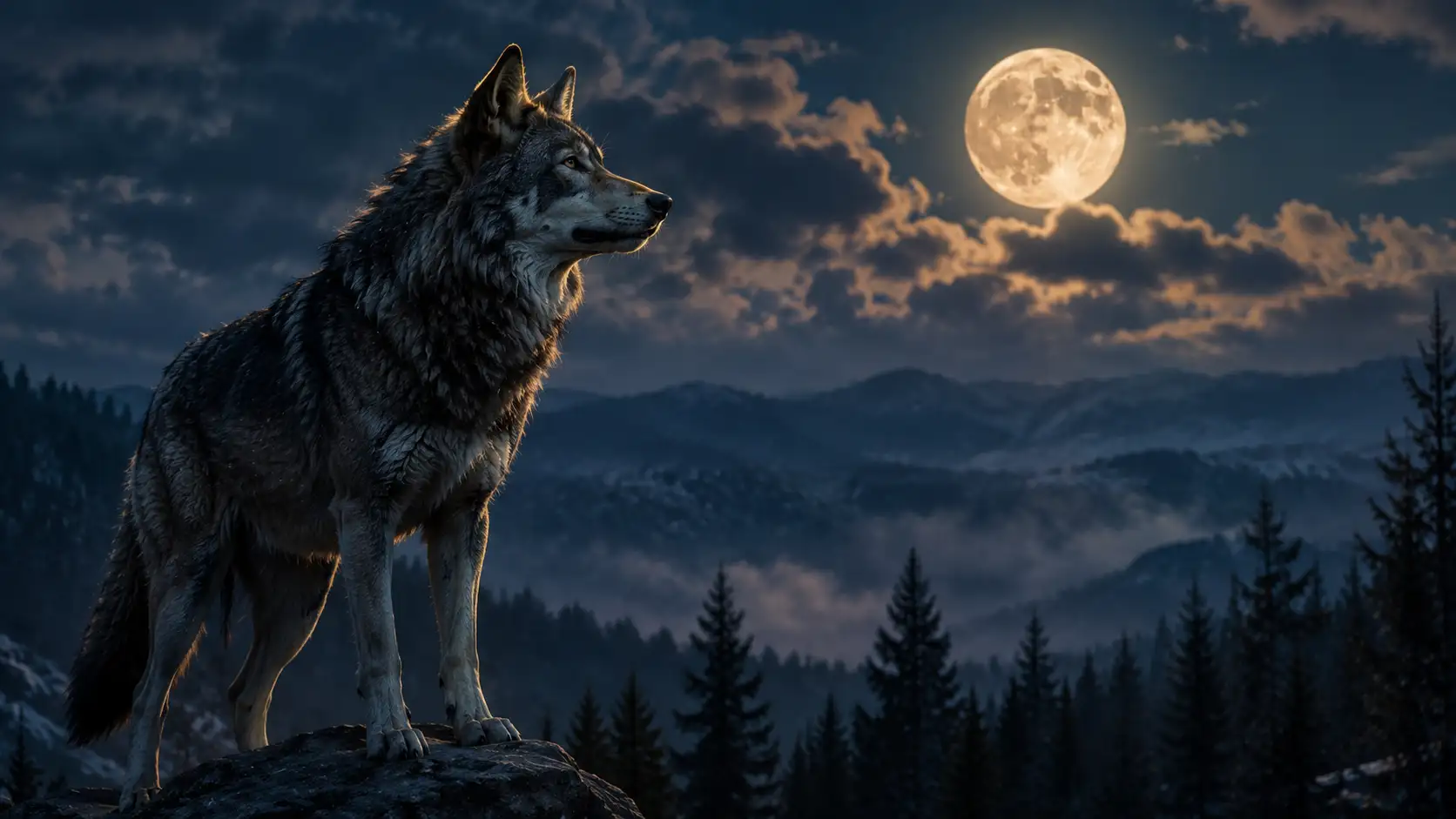
Scandinavian Proverb of the Day: There is a reason old northern proverbs still feel strangely modern centuries later. Long before therapy language, motivational influencers and viral “mindset” videos became part of daily life, people already understood one uncomfortable truth about human nature: changing your surroundings is easy, but changing yourself is much harder. Scandinavian folk wisdom has always carried that cold, sharp honesty. These sayings rarely waste words. They blend nature, survival and subtle humor into lessons that quietly stay with people for years. And in today’s world, where everyone seems to be reinventing themselves online every few months, certain proverbs feel almost painfully accurate.
Scandinavian Proverb of the Day
The proverb, inspired by Nordic animal symbolism and wilderness folklore, paints a haunting but deeply relatable image. A wolf may leave one forest for another. It may travel across mountains, snow and rivers. Yet no matter where it goes, it still lifts its eyes toward the same moon with the same instincts, desires and longings.
The satire hidden inside the proverb is subtle but powerful.
Many people believe a new city, a new relationship, a new job or even a new online identity will magically transform their lives. They change environments hoping to outrun old habits, insecurities or emotional patterns.
But the wolf carries itself everywhere it goes. That is what makes the proverb feel so modern.
Why this proverb resonates with younger generations
Today’s culture constantly sells reinvention. Social media encourages people to become “new versions” of themselves overnight. A new aesthetic, a new routine, a new personality, a new mindset. Entire industries are built around the promise that changing external circumstances automatically creates inner transformation.
The proverb quietly challenges that fantasy. A different forest does not automatically create a different wolf.
That does not mean change is impossible. In fact, the proverb is surprisingly hopeful. It simply suggests that real growth requires more than changing scenery. True transformation begins when people confront the patterns they carry internally.
The wolf still watches the moon because some instincts, dreams and emotional tendencies follow people wherever they go.
The hidden psychological lesson inside the saying
At its core, the proverb teaches self-awareness.
Humans often blame environments for problems rooted deeper within themselves. Someone moves cities but keeps repeating the same relationship mistakes. Another changes careers but carries the same burnout mentality into every workplace. Others constantly chase fresh beginnings without understanding why old patterns continue returning.
The proverb gently asks an uncomfortable question: Are you changing your surroundings, or are you changing yourself?
That distinction matters deeply in modern life. The saying does not criticize ambition or reinvention. Wolves survive because they adapt. But adaptation without reflection can become endless wandering.
The satire lies in the image itself. The wolf probably believes the new forest will finally feel different, yet each night, it still pauses beneath the same moon, carrying the same instincts inside.
Practical life lessons from the proverb
In careers
Many people assume changing jobs will automatically solve dissatisfaction. Sometimes it helps. But if stress, perfectionism or lack of balance remain unaddressed, the same frustrations often return in a different office.
The wolf simply finds another forest.
In relationships
Some individuals repeatedly chase new relationships hoping for emotional fulfillment while avoiding deeper personal growth. Over time, the same communication problems and insecurities quietly reappear.
The proverb encourages emotional honesty rather than endless escape.
In friendships
Changing social circles can feel refreshing, but genuine connection still depends on authenticity and self-awareness. People who constantly reinvent themselves to fit every crowd often lose clarity about who they really are.
In personal growth
Modern life glorifies dramatic transformations. Yet meaningful growth is often quieter and slower than social media suggests.
The proverb reminds readers that healing is not geographic. Confidence is not cosmetic. Peace is not purely external.
Why animal analogies make proverbs unforgettable
Animal proverbs endure because they instantly create emotional imagery. Everyone can picture a lone wolf moving through dark forests beneath the moon. Without directly lecturing readers, the proverb allows people to recognize themselves inside the metaphor.
Almost everyone has experienced “wolf moments”:
- moving somewhere new hoping life would suddenly improve,
- changing routines without changing mindset,
- or realizing old emotional habits survived every fresh start.
That recognition is what gives old sayings their timeless power.
The inspiring side of the proverb
Despite its melancholy tone, the saying ultimately carries a positive message. The wolf is not trapped. Wolves learn, survive and adapt constantly. The proverb simply reminds readers that lasting transformation begins internally.
Changing forests can help. But understanding why you watch the moon the way you do, that changes everything. Perhaps that is why this Scandinavian-style proverb still feels so relevant today. In a noisy world obsessed with reinvention, it quietly offers a deeper truth:
A new landscape may change your view, but real growth begins when you understand the traveler within it.