
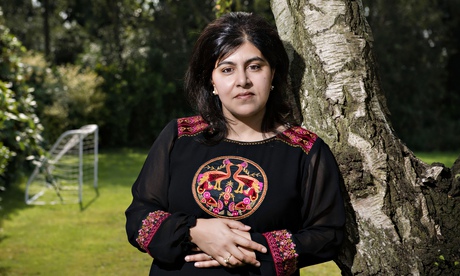
Sayeeda Warsi’s argument (Remember, prime minister: British Muslims hate Isis too, 20 June) is that since it is only a minority of Muslims who “condone the Isis view of the world” and the majority reject it, blame must lie elsewhere. Regardless of the explanation of what we casually pathologise as “extremist radicalisation”, her argument – one often used – is wrong: the action of a minority of a group is often the unintended consequence of the practices of the majority, even if they would not support the action.
Here’s a sad, recent example: only very few Americans (Warsi’s “minority within a minority within a minority”) would shoot, or think it right to shoot, innocent fellow Americans at random; despite this, it is not possible to doubt that the close reason for the many such hideous gun shootings in the US is the primitive gun law accepted and practised by US society.
Although the disgraceful military interventions in the Middle East remain an indelible causal factor in “radicalisation”, especially in the always ignitable age of youth, Warsi and fellow Muslims must think again, and look hard at what may seem innocent practices and beliefs, to see whether they may contribute to an outcome they find just as appalling and repugnant as do others.
Emeritus Professor Sam Shuster
Woodbridge, Suffolk
• “It’s is no more individual Muslim communities’ responsibility to actively fight extreme ideology then it is my responsibility to directly challenge rightwing extremists,” writes Tim Matthews (Letters, 20 June). It is precisely because individuals in Luton, London and many other cities periodically took to the streets to fight racism and fascism in their communities (EDL, National Front, etc) that this country is something approaching a stable multicultural society.
Dave Young
London


.png?w=600)









