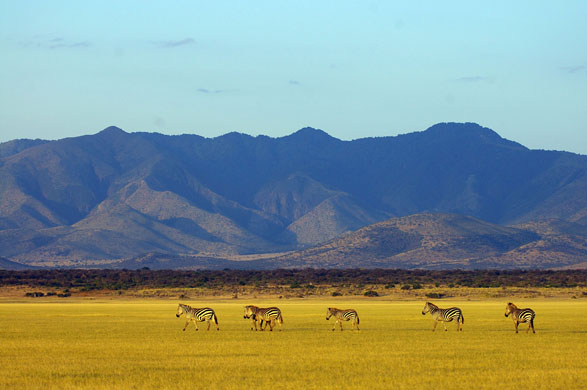
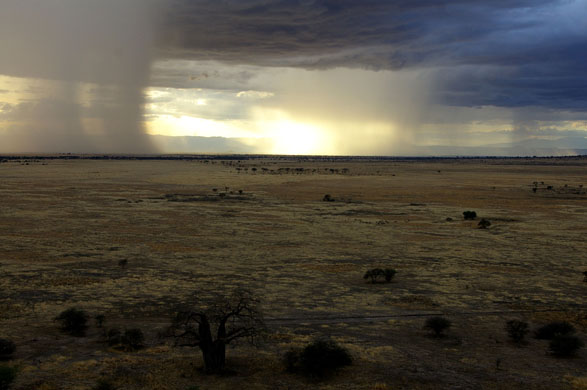
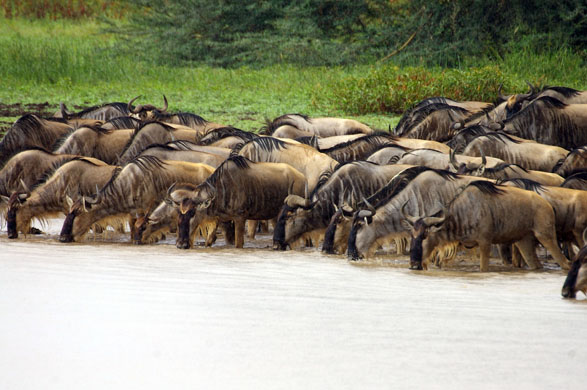
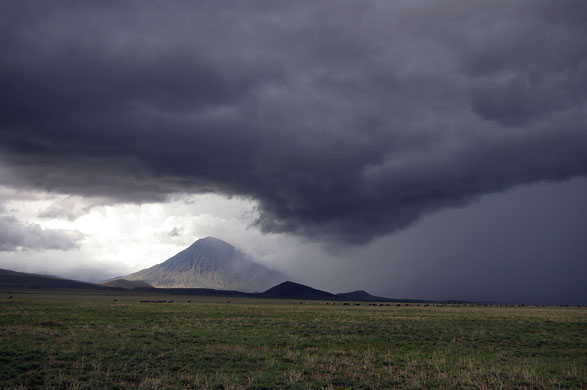
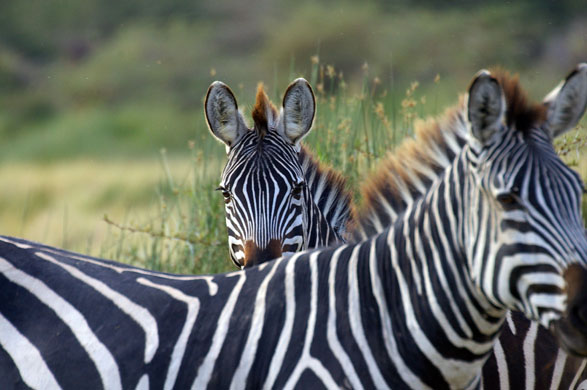
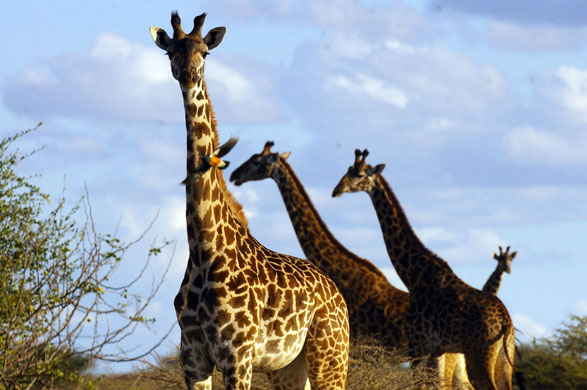
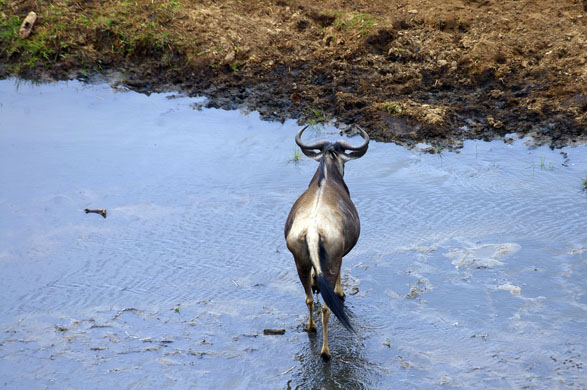
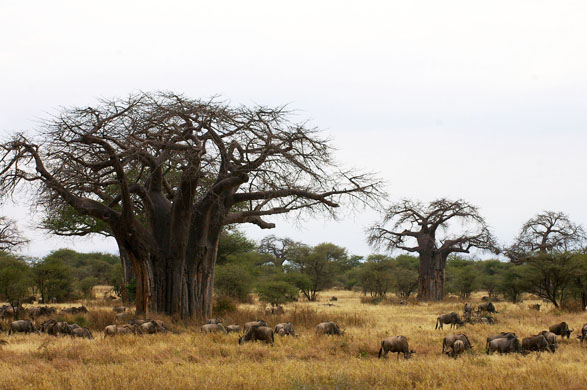
Tarangire national park, in the north of Tanzania, lies to the south of the large, open grass plains of southern Masailand Photograph: Tom Morrison/Tom MorrisonThe park is one of the few remaining sites in Africa where a significant seasonal migration still takes placePhotograph: Tom Morrison/Tom MorrisonIt's a dry season refuge for large populations of wildebeest (pictured), zebra, buffalo, elephant, gazelle and giraffe, which migrate into the reserve at the beginning of the dry season in June to take advantage of the permanent water source, the Tarangire River, from which the park takes its namePhotograph: Tom Morrison/Tom Morrison
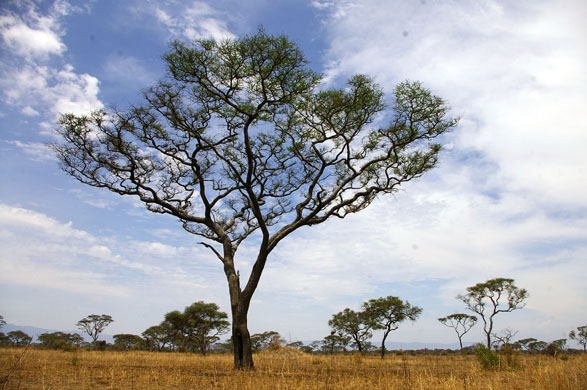
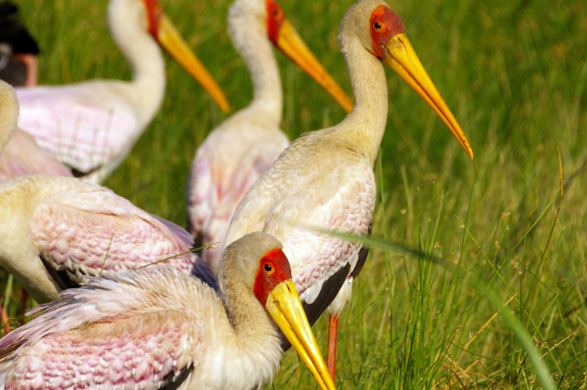
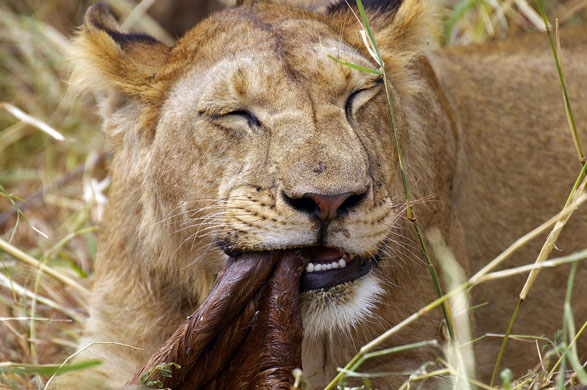
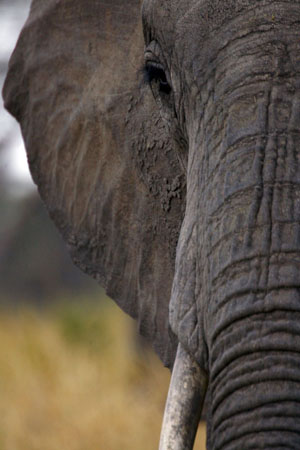
At the onset of the rains marking the start of the wet season in November, the animals migrate to grazing areas further afieldPhotograph: Tom Morrison/Tom MorrisonBut this annual migration is under threat. Scientists believe that increased human activity in the areas that that animals migrate through is the cause. They are studying the population of zebra, wildebeest and giraffe to find out why some species are declining while others remain stablePhotograph: Tom Morrison/Tom MorrisonScientists from America’s Dartmouth and Utah universities are using a new photo-ID technology which identifies an animal by its stripe or spot pattern. Zebra, wildebeest and giraffe all have patterns that are as unique as a human fingerprint. No two animals are the samePhotograph: Tom Morrison/Tom MorrisonScientists can also identify an individual by scars or, in the case of wildebeest, broken or deformed horns Photograph: Tom Morrison/Tom MorrisonAncient baobab trees dot the Tarangire landscape. These trees store huge amounts of water inside their trunks to survive in harsh drought conditions. The bottom of their trunks are scored with tusk marks where elephants have ripped apart the bark to eat the moist woodPhotograph: Tom Morrison/Tom MorrisonFlat-topped acacia trees are another characteristic of the savannah landscapePhotograph: Tom Morrison/Tom MorrisonTarangire is home to more than 450 species of bird, including these yellow-billed storkPhotograph: Tom Morrison/Tom MorrisonThe ecosystem which encompasses Tarangire and nearby Lake Manyara contains the second largest remaining lion population in Tanzania's northern protected areas networkPhotograph: Tom Morrison/Tom MorrisonHerds of over 300 elephants can be seen along the Tarangire river Photograph: Tom Morrison/Tom Morrison
Sign up to read this article
Read news from 100’s of titles, curated specifically for you.