The scientific evidence is conclusive: we need each other. Humans are hardwired to seek out relationships. But technological and economic change has disrupted the traditional venues for our get-togethers, both professional and in our free time.
So it’s no surprise that we complain about feeling more atomised than ever. This week we reported on efforts to buck that trend and the human need to connect and collaborate.
The high street has traditionally been a place for British people to meet and unwind, all while supporting local shops, cafes and pubs. But since 2008 more than 11,000 major high street outlets have gone bust, thanks in part to government-enforced austerity, a stagnant post-crash economy and the convenience of shopping online or at vast budget supermarkets.
In York, Kevin Rushby found a high street that has come back from the dead. How did businesses there manage it, and would their diverse “sticky street” model be a success elsewhere?

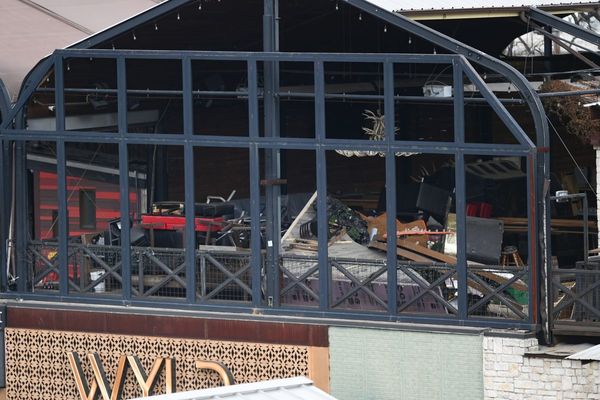
Not far from the shimmering glass towers of London’s financial district, Aditya Chakrabortty found a group of budding entrepreneurs priced out of more standard accommodation who’ve taken up residence in the condemned buildings of Bermondsey. For a modest rent, or none at all, members of a makerspace get some precious room to develop their ideas, as well as a shared pool of resources and a ready-made network of collaborators and friends for support through the ups and downs of innovating.
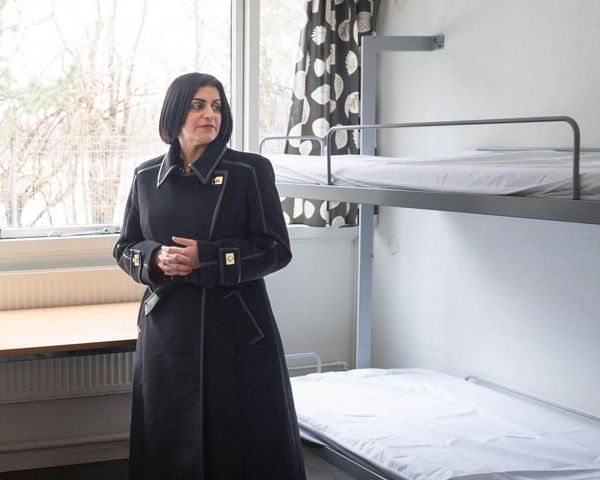
Tash Reith-Banks reported on the educational potential of “larp”: live action role play. Larping is mostly known as a way for aficionados to dress up as orcs and elves to act out fantasy adventures. But increasingly it’s being used not just for escapist fun but to engage with real-world problems such as the plight of refugees.

“You will deepen your understanding of the ties that bind people together and their ability to withstand the forces of dehumanisation and alienation,” said one organiser of an upcoming larp event. “And above all the costs to everyone when these bonds break.”
What we liked:
This report in Yes! on the Detroit community who were priced out of access to the internet, so built their own network. More than 60% of low-income residents in Detroit live without broadbandinternet access. And this Apolitical piece on how the city of Munich is offering free advice to female entrepreneurs about how to run a business while also having to run a family.
What we heard:
“I participated in a larp in which I played a refugee during a future environmental crisis, desperately seeking access to a gated and armed community. It was a powerful experience for all the players, who had to heavily debrief their reactions to the dilemma the game created.”
Steven Curry writing below the line about live action role play
Where was the upside?
In cities and towns across the US and worldwide, where many hundreds of thousands of people – and young people in particular – took to the streets to demand tougher gun control laws. They were inspired by the young survivors of the recent mass shooting in Florida, some of whom took over the editing of the Guardian this past weekend.
There was also more good news back in England, where a national deposit return scheme for drinks containers was (finally) announced, as well as two initiatives aimed at reviving local and regional journalism.