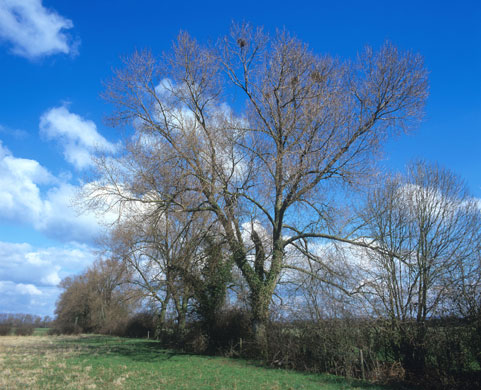
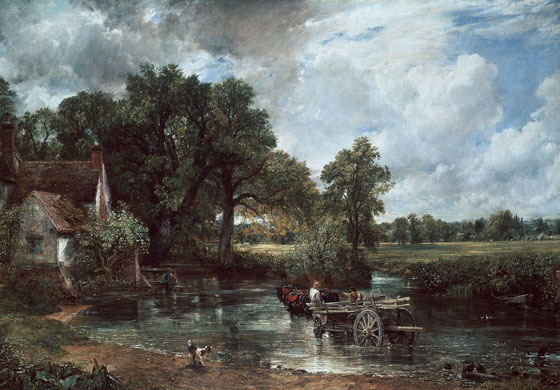
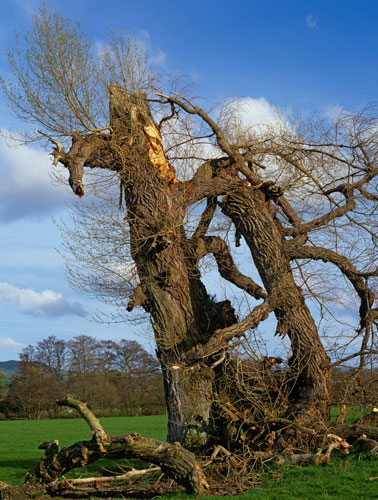
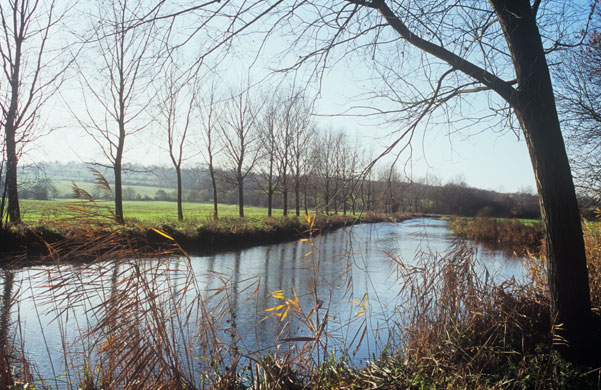
Black poplars were once a familiar part of the British landscape, their wide, rounded crowns and straggly outlines as quintessential 200 years ago as hedgerows and grazing cows appear now Photograph: AlamyThis time was perhaps most famously captured by John Constable’s 1821 painting, the Hay Wain Photograph: CorbisBut the native black poplar tree is now rarer than the giant panda – only 2,500 specimens remain in Britain, including only 400 female species Photograph: Alamy
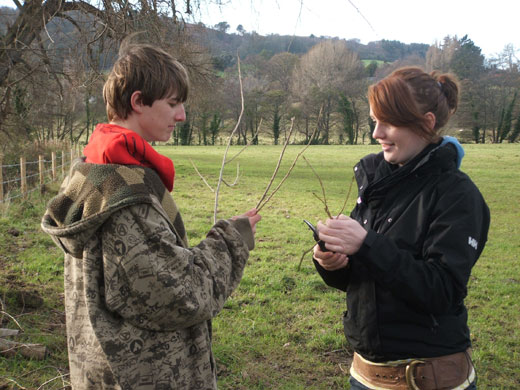
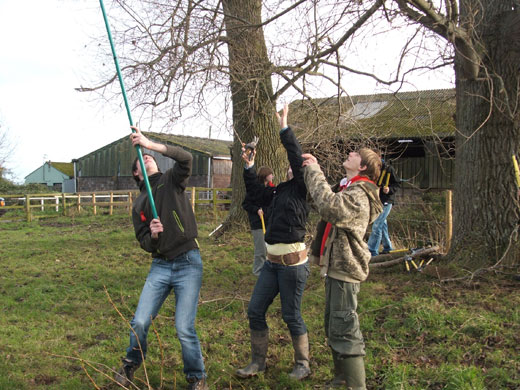
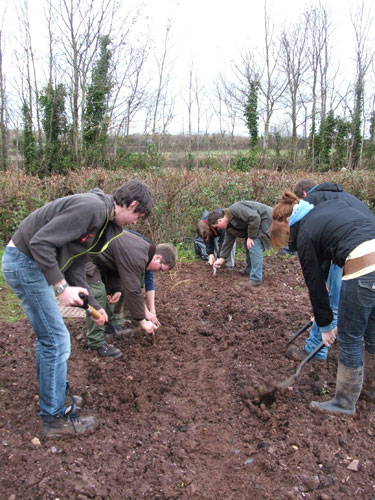
For centuries the black poplar’s tough wood was cut down for uses from floorboards and arrows found on the Mary Rose, to carts, building frames, farm equipment, hedging and matches, to riflebutts for the first world war. But in the 18th and 19th centuries new straighter, faster-growing hybrid poplars became more popular, and replanting of the original native variety (Populus nigra ssp. Betulifolia) stopped. Later many female species were cut down because of irritation with the wispy white ‘downfluff’ they shed in spring and early summer, leaving so few that they cannot germinate naturally Photograph: AlamyNow the Crown estate, the country’s biggest landowner, has launched a project to replenish the last remaining black poplars, many of which are old and in poor condition Photograph: PRTogether with students from West Somerset Community College, Crown estate staff are taking cuttings from black poplars at one of the tree’s last remaining strongholds on the Dunster Estate in Somerset Photograph: PRThese are being replanted into pots with the help of nearby Triscombe nurseries, and the successful saplings will be planted out beginning from this autumn Photograph: PR'Unless something is done to try to increase the numbers, we’ll end up losing it [the native black poplar],' said Andy Player, Dunster estate’s countryside manager. 'It’s a shame to lose any species; it’s an iconic British species and with the loss of mature elms in the British countryside it would be another British tree species loss' Photograph: Alamy
Sign up to read this article
Read news from 100’s of titles, curated specifically for you.