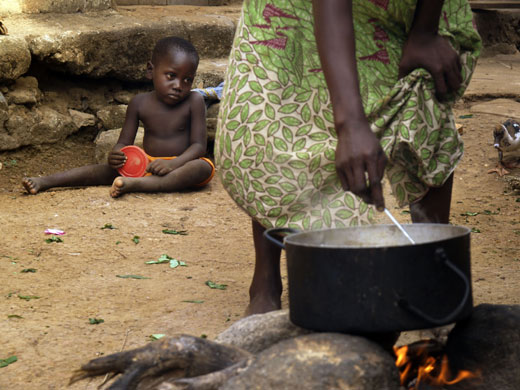
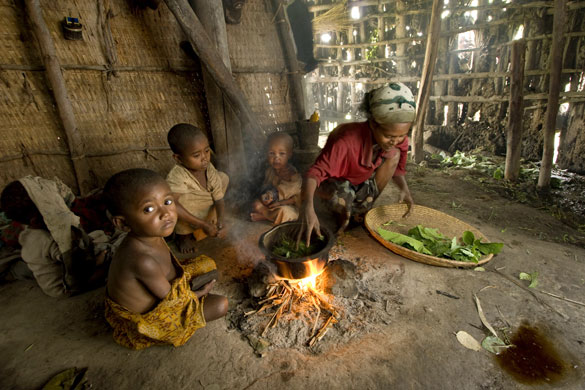
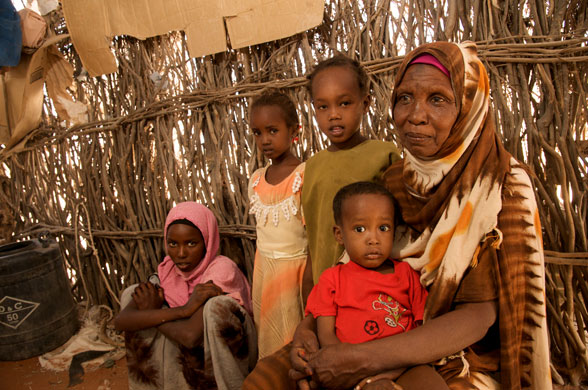
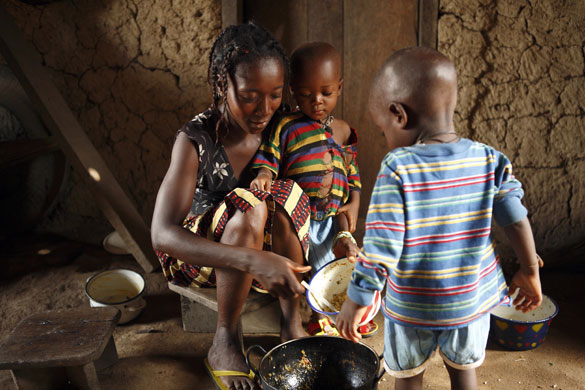
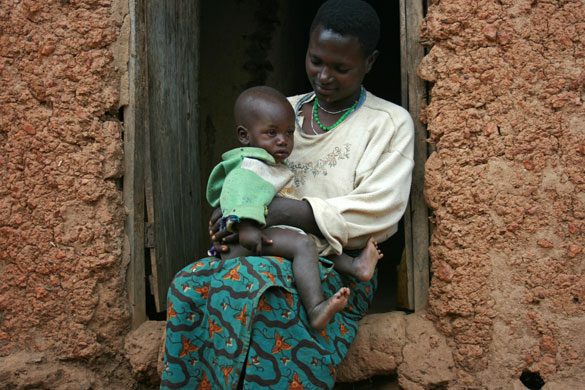
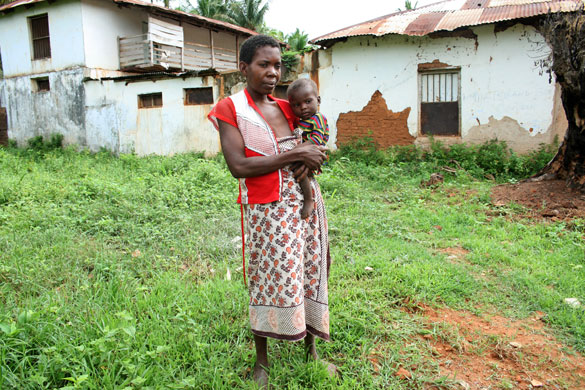
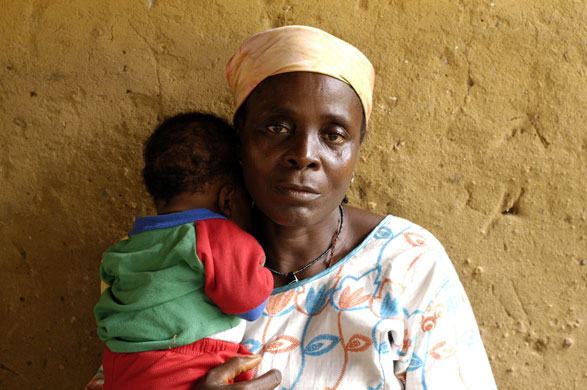
As the G20 meets in London this week to discuss the current global financial crisis, charity Save the Children warns that more than 10 million children are starving because of the global economic crisis. Across Africa, the impact of food costs being prohibitively high can clearly be seen.Photograph: Anna Kari/PRIn Ethiopia some food items have gone up by 600% in just one year. For Ayalech this means her family can no longer afford maize, all she can cook for her children to eat is wild cabbage. They are left hungry and severely malnourished.Photograph: Kelley Lynch/Save the Children/PRFor Fatuma living in Kenya a rise in food prices has meant that she can now only afford to feed her family - Shamsa, 15, Rahiya, six, Sultama, eight, and Musharafa, three - one meal a day. The children have a cup of black tea for breakfast and dinner, with their only at meal at lunchtime. Before they enjoyed two meals a day.Photograph: Colin Crowley/Save the Children/PR
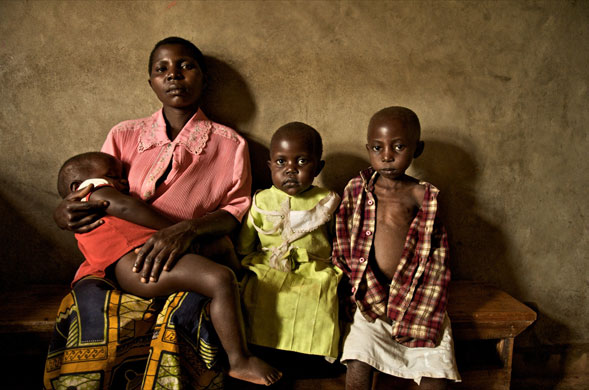
Kavira lives in the Democratic Republic of Congo, where almost a third of under-fives are moderately or severly underweight. All three of her children have been admitted to hospital due to medical complications resulting from severe malnutrition. With the rise in food prices, these figures continue to rise - with devastating consequences.Photograph: Colin Crowley/Save the Children/PRLucy is the mother of twins, Sao and Jinna, she lives in Sierra Leone. She worries about being able to dress and feed the children: “My biggest concern as a mother is food. We are farmers and grow rice, but the rice does not feed us for the whole year so in August we harvest cocoa and sell it to buy food. I also worry about money to buy their clothes."Photograph: Anna Kari/PRFor Alphonsine, who lives in Rwanda, the rise in food prices means it is now difficult for her to afford access to healthcare for her and her baby: “As a young woman, I would like to be able to feed my baby well and buy new clothes. But I cannot because I have to pay for healthcare. It is both an obligation and a necessity. It is more difficult to save enough money to pay because of the increase in food prices lately."Photograph: Amadou Mbodj/Save the Children/PRZuhura lives in Tanzania where one in 10 children die before their fifth birthday. Malnutrition is the underlying cause of approximately half of these deaths. "I wasn’t able to breastfeed my child Shomary, because we had a shortage of food in the house and I didn’t get enough food to produce milk," she says. "As a result he suffered from malnutrition and other health problems like fever and sores. He’s underweight, compared to other children his age."Photograph: Amadou Mbodj/Save the Children/PRSaving children’s lives is affordable, says Save the Children. The charity is calling on G20 leaders to honour the promises they've made to the poorest countries, hold to their aid commitments, and provide the necessary emergency funds for children in developing countries to give them, and children like them, a future. Photograph: Rachel Palmer/Save the Children/PR
Sign up to read this article
Read news from 100’s of titles, curated specifically for you.