For decades, the conversation around high-end beach holidays has been dominated by a familiar collection of destinations. The Maldives, parts of the Caribbean and a handful of Indian Ocean islands have become shorthand for turquoise water, private villas and secluded escapes. Saudi Arabia is now attempting to enter that conversation through a development that stretches far beyond a single resort or island.
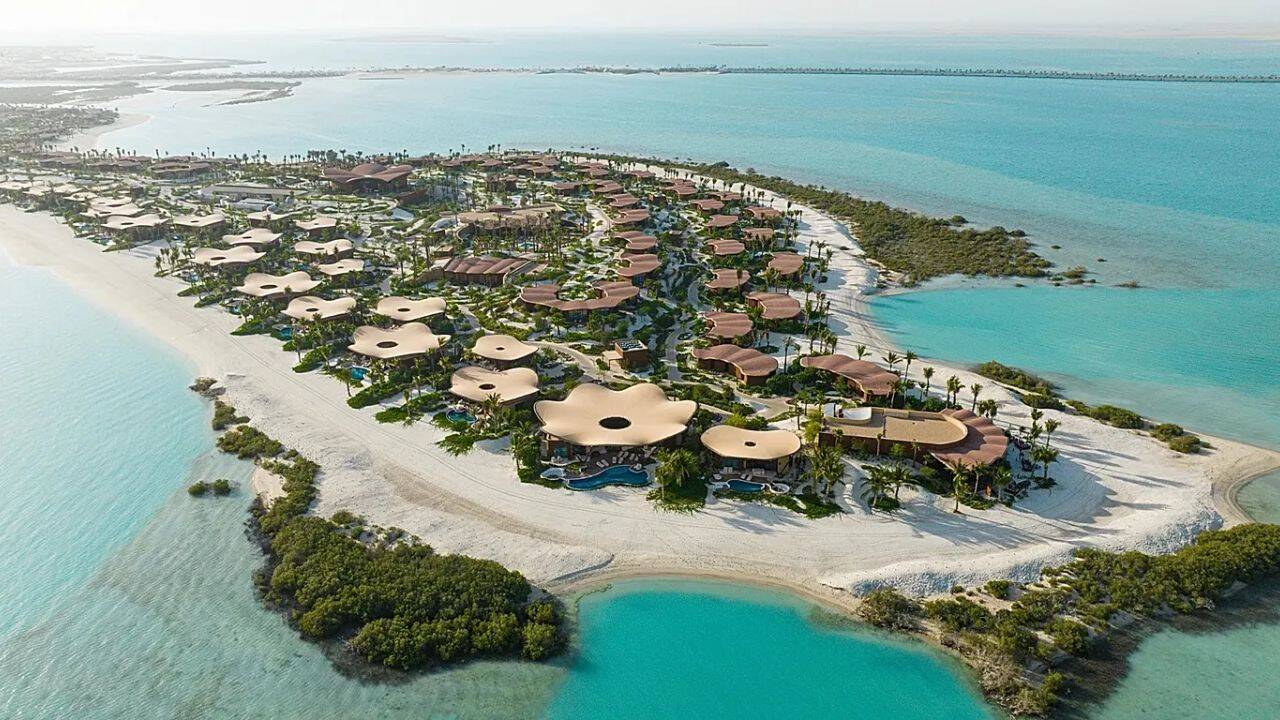
Along the kingdom’s western shoreline, a vast tourism project is steadily taking shape around the Red Sea. The development combines islands, coral reefs, desert landscapes and mountain terrain within a single destination. According to reporting by Euronews, the project covers around 28,000 square kilometres and includes more than 90 islands, although only a portion of them are expected to be developed in an effort to limit environmental impact. The ambition is not simply to create another luxury destination, but to present a different version of what coastal tourism can look like.
Get breaking news anytime, anywhere. Download the TOI app now!
Why Saudi Arabia’s Red Sea project is being compared to the Maldives
Comparisons with the Maldives have become almost unavoidable whenever the Red Sea project is discussed. White beaches, clear water and overwater accommodation naturally invite parallels. Yet the people behind the development argue that the similarities only extend so far.
According to Euronews, Stephen Cheesebrough, Head of Development at Red Sea Global, said the surrounding environment offers a much broader range of landscapes than many traditional island destinations. Visitors can move between marine activities, mountain areas and desert settings within relatively short distances.
That geographical contrast forms a major part of the project’s identity. Saudi Arabia’s Red Sea coast includes long stretches of relatively undeveloped shoreline, extensive reef systems and varied terrain that differs significantly from destinations built around a single type of landscape. The aim appears to be attracting travellers who have already experienced established luxury hotspots and are seeking something less familiar.
How Saudi Arabia’s Red Sea project is embracing regenerative tourism
Environmental protection has become one of the central themes associated with the development. Rather than focusing solely on reducing harm, project planners are increasingly using the term “regenerative tourism” to describe their ambitions.
As reported by Euronews, Red Sea Global says its objective is to improve environmental conditions alongside tourism growth. The company states that the destination operates using renewable energy, recycles water and seeks to minimise landfill waste.
The concept reflects a wider shift occurring across parts of the tourism industry. Many luxury travellers now pay closer attention to the environmental footprint of destinations than they might have done a decade ago. Hotels and tourism operators have responded by placing sustainability and conservation efforts closer to the centre of their marketing and long-term planning.
Whether regenerative tourism can consistently deliver measurable environmental improvements remains a subject of discussion across the industry. Still, projects such as the Red Sea development are increasingly positioning ecological restoration as part of the visitor experience rather than treating it as a background requirement.
What visitors can expect at Saudi Arabia’s Red Sea destination
The project is already welcoming guests, though much of its planned expansion remains ahead. Euronews reports that 11 hotels are currently operating, with additional properties expected to open over the coming months, particularly on Shura Island, which has been designed as a central hub for accommodation, dining, retail and leisure facilities.
The destination’s appeal extends beyond beach holidays. Activities under development include diving, sailing, hiking and water-based recreation, alongside new entertainment zones designed to broaden the visitor experience.
At the same time, developers appear keen to avoid creating an isolated resort enclave. According to Cheesebrough’s comments to Euronews, many guests are already using the Red Sea as a starting point before travelling onwards to other Saudi destinations such as Jeddah and AlUla. In that sense, the coastal development is being positioned as an entry point into the wider tourism offering that Saudi Arabia has spent recent years expanding.
Saudi Arabia’s long-term vision for the Red Sea tourism project
Accessibility remains a key factor in determining whether the project can achieve its long-term goals. Red Sea International Airport has already established connections with several regional and international cities, and passenger numbers have continued to grow during 2026, according to figures cited by Euronews.
Further air links are expected as more hotels open and visitor demand increases. The broader vision extends well beyond the current phase of construction. By 2030, the development aims to include around 50 hotels, approximately 8,000 rooms and more than 1,000 residential properties, with the capacity to host roughly one million visitors annually.
Those figures underline the scale of Saudi Arabia’s ambitions on the Red Sea coast. The project is being presented not merely as a collection of luxury resorts, but as a large tourism ecosystem that combines hospitality, conservation and regional development. If those ambitions are realised, the Red Sea may become one of the most closely watched tourism experiments of the coming decade.