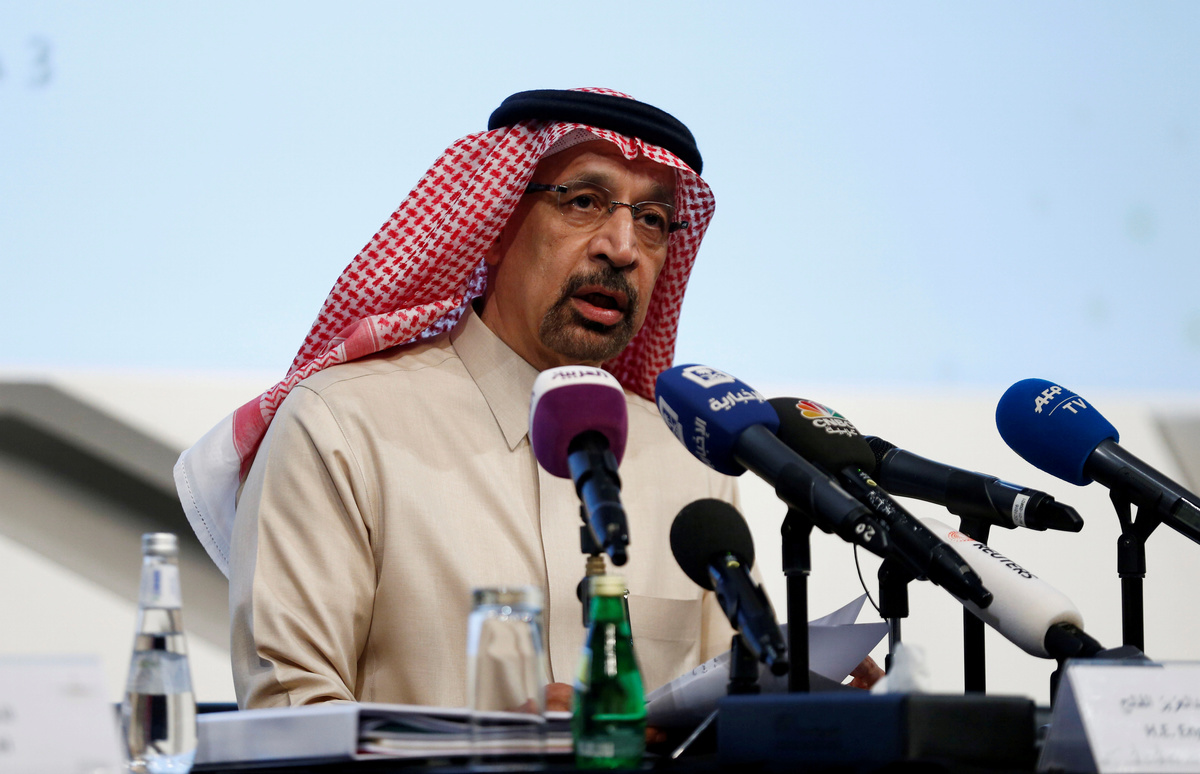
ABU DHABI (Reuters) - Saudi Arabia expects domestic energy consumption to fall by 1.5 million to 2 million barrels of oil equivalent per day by 2030 as a result of moves a year ago to hike gasoline and electricity prices, the energy minister said on Tuesday.
Khalid al-Falih also told an energy industry event in Abu Dhabi that Saudi Arabia planned to issue tenders for at least 12 renewable energy projects this year, as part of a push by the world's biggest oil exporter to diversify its energy mix.
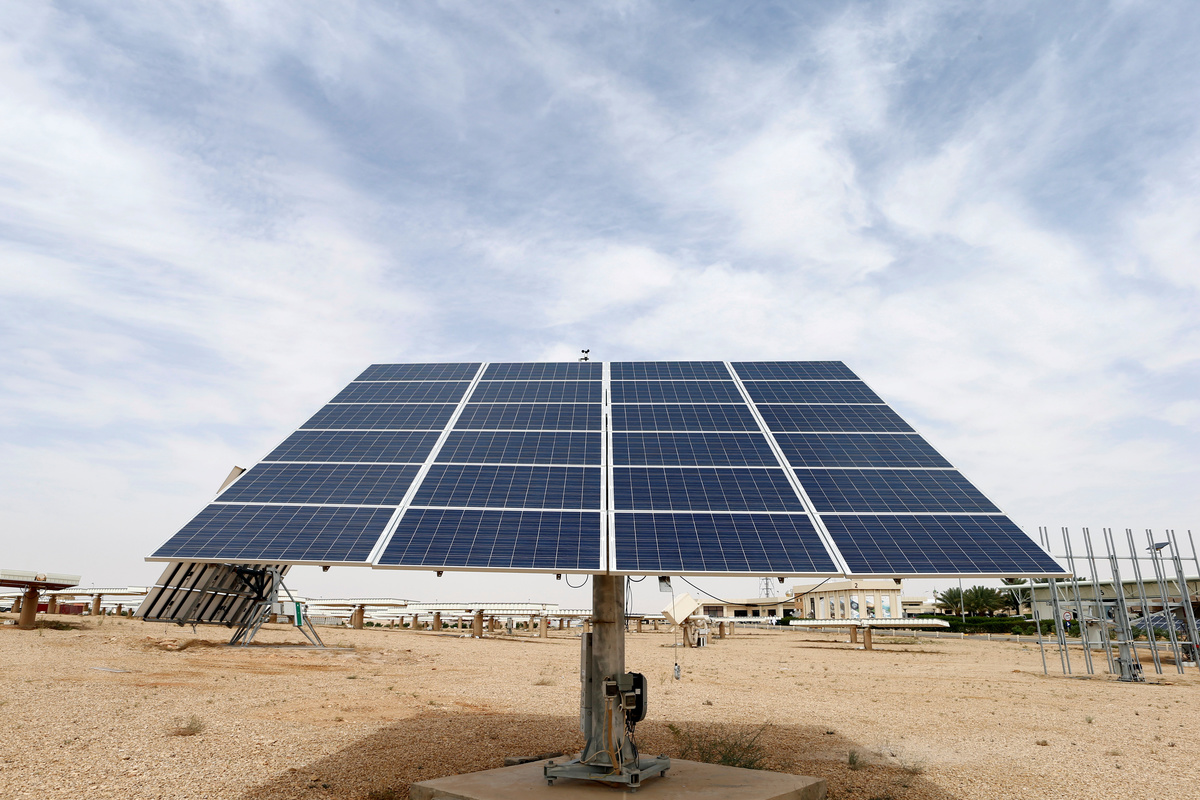
He did not give details of the tenders but said they would "stimulate investor, manufacturing and developer activity across the entire value chain."
The desert kingdom aims to develop about 60 gigawatts (GW) of renewable energy capacity in the next 10 years, including 40 GW of photovoltaic solar power, three GW of concentrated solar power and 16 GW of wind power the minister said.
Saudi Arabia, which has said it is implementing a deal with Japan's Softbank to develop solar power, wants to boost its power generation from renewables and cleaner gas-fired plants.
The kingdom, which burns about 700,000 barrels per day of oil for electricity in the hottest months from May to August, has hiked the price of gasoline and electricity for its citizens in a bid to curb domestic use of crude so it can export more.
"Since reforms were put in place, we have noticed a growing public interest in energy efficiency, and a clear change in behavior," Falih said, adding gasoline demand fell 8 percent in 2018 compared to 2017 and electricity demand also dropped.
"We expect that energy efficiency efforts combined with energy price reforms would reduce our local energy consumption by 1.5 to 2 million barrels of oil equivalent per day by 2030 compared to a business-as-usual scenario," he told the Abu Dhabi Sustainability Week in capital of the United Arab Emirates.
He did not give a total consumption figure.
"Over the coming decade, liquids burning in our utilities will be virtually eliminated, while the share of gas capacity will grow from around 50 percent currently to nearly 70 percent, which will be the highest among the G20," the minister said.
The Energy Ministry would work with the kingdom's sovereign wealth fund, the Public Investment Fund (PIF), in its push to develop renewable power capacity, Falih said.
"The PIF and its selected partners will develop 70 percent of the total renewable energy capacity with the objective of accelerating the localization of our manufacturing capability," he said, adding the ministry would tender for 30 percent.
State-run Saudi Aramco had identified more gas resources in the kingdom and would be working to develop unconventional gas reserves found in the east of the Ghawar field, Falih said.
Unconventional gas refers to reserves requiring advanced extraction methods, such as those used in the shale gas industry.
Saudi Arabia aims to export gas by 2030, industry sources say.
(Reporting by Rania El Gamal)