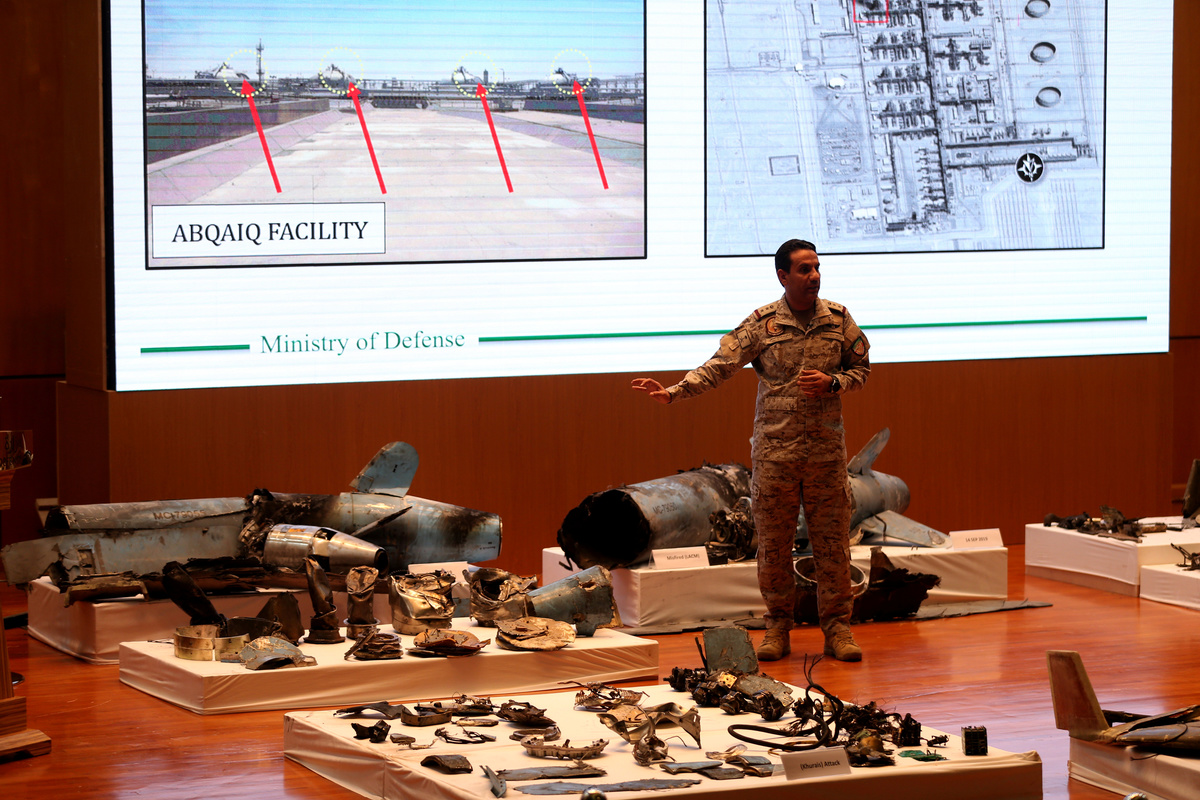
LOS ANGELES/JEDDAH (Reuters) - U.S. President Donald Trump said on Wednesday there were many options short of war with Iran after U.S. ally Saudi Arabia displayed remnants of drones and missiles it said were used in a crippling attack on its oil sites that was "unquestionably sponsored" by Tehran.
"There are many options. There's the ultimate option and there are options that are a lot less than that. And we'll see," Trump told reporters in Los Angeles. "I'm saying the ultimate option meaning go in -- war."
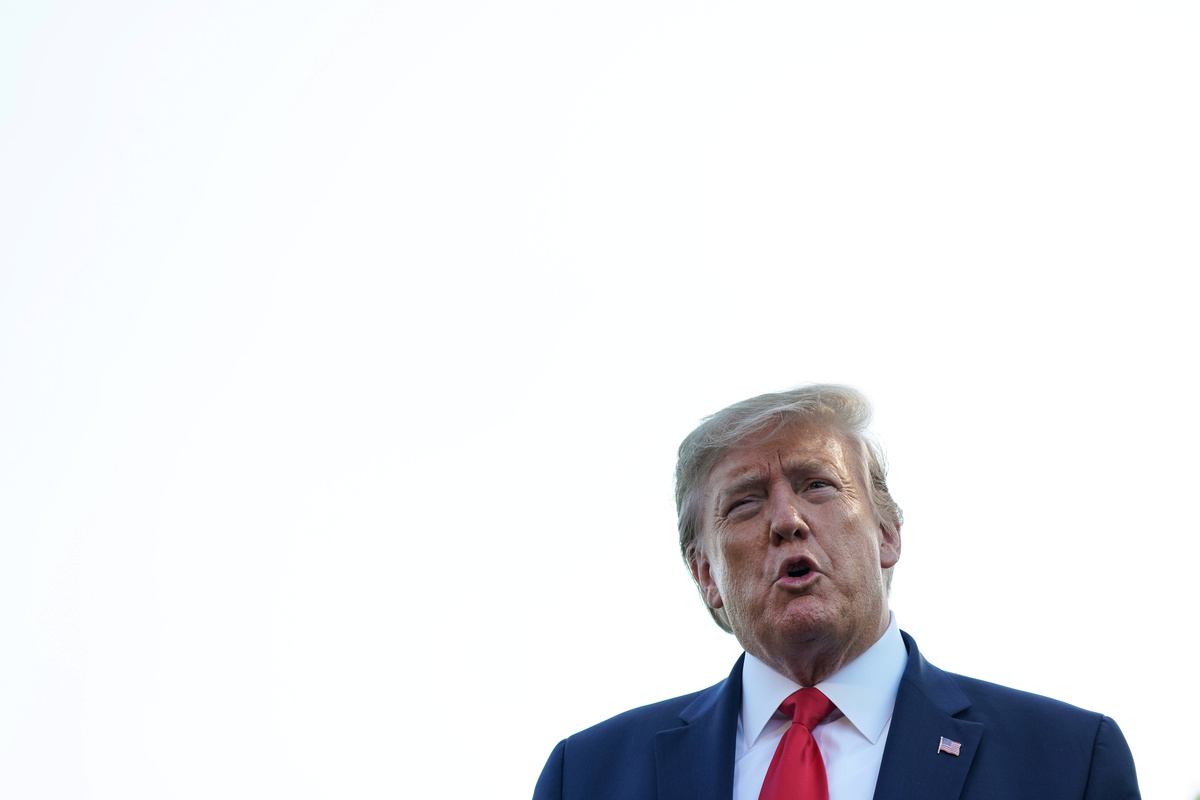
The president struck a cautious note as his Secretary of State Mike Pompeo, during a visit to Saudi Arabia, described the attacks as "an act of war" on the kingdom, the world's largest oil exporter.
Trump said on Twitter that he had ordered the U.S. Treasury to "substantially increase sanctions" on Iran, which denies carrying out the attacks, and told reporters the unspecified, punitive economic measures would be unveiled within 48 hours.
Trump's tweet followed repeated U.S. assertions that the Islamic Republic was behind Saturday's attacks and came hours after Saudi Arabia said the strike was a "test of global will".
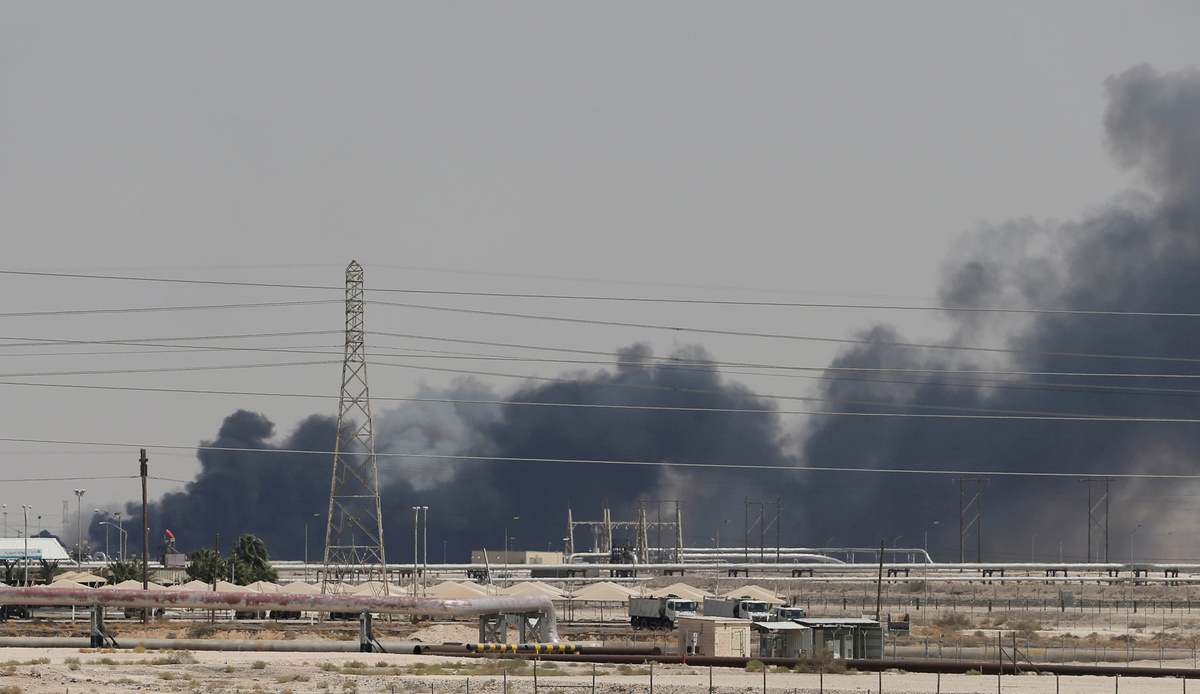
Iran again denied involvement in the Sept. 14 raids, which hit the world's biggest crude oil processing facility and initially knocked out half of Saudi output. Saudi Arabia is the world's leading oil exporter.
Responsibility was claimed by Yemen's Iran-aligned Houthi group, which on Wednesday gave more details of the raid, saying it was launched from three sites in Yemen.
In a remark that may further strain a tense political atmosphere in the Gulf, the Houthis said they had listed dozens of sites in the United Arab Emirates, Riyadh's top Arab ally, as possible targets for attacks.
ATTACKS 'UNQUESTIONABLY SPONSORED BY IRAN'
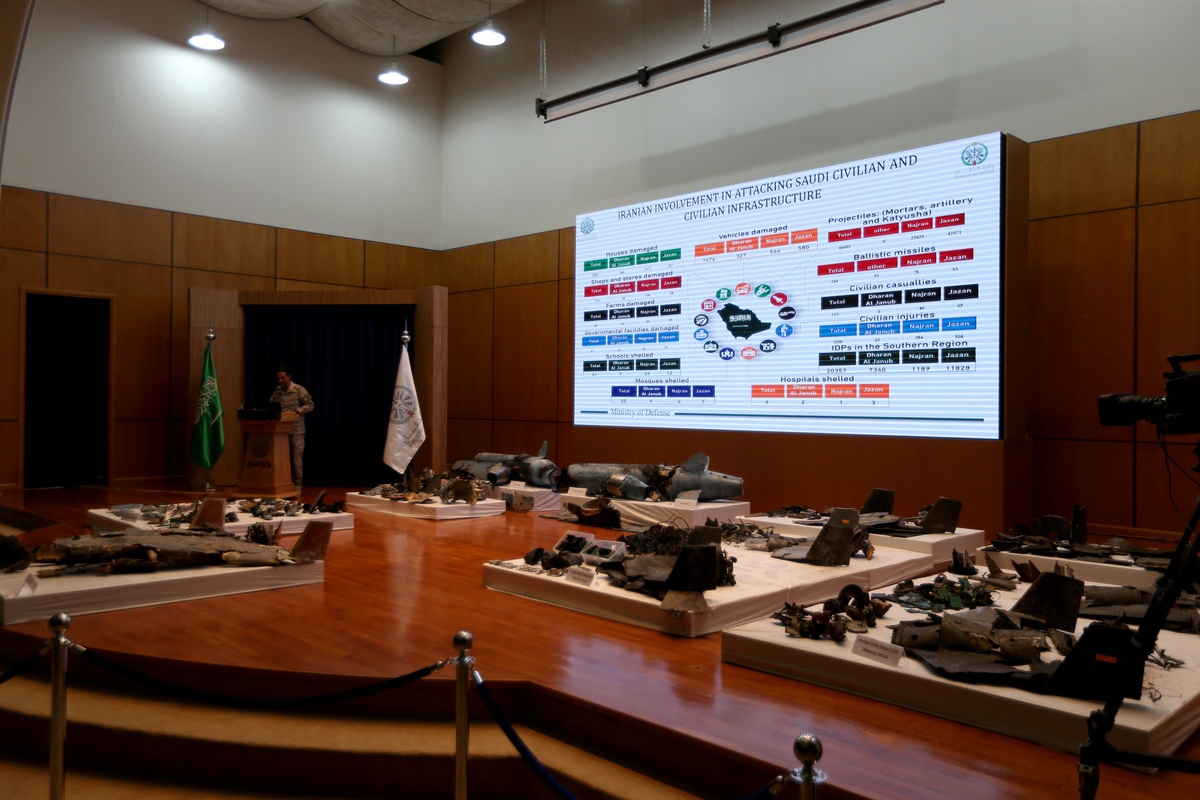
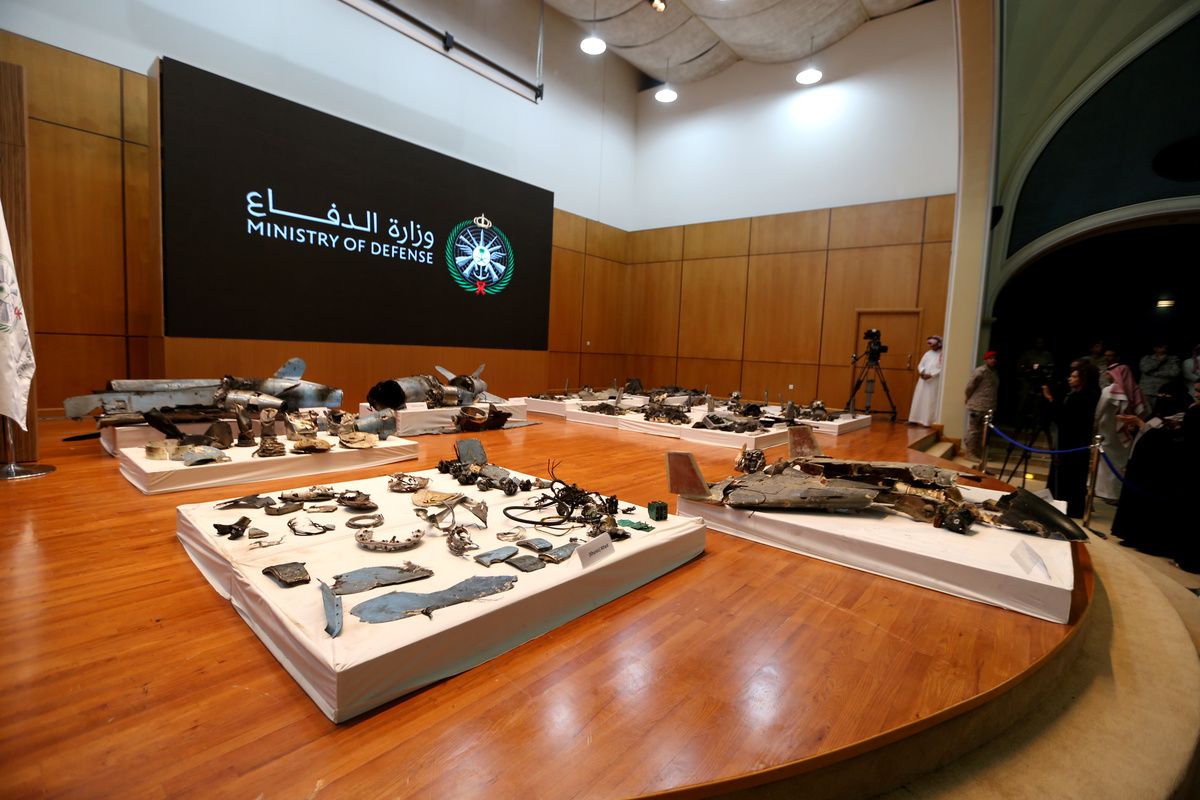
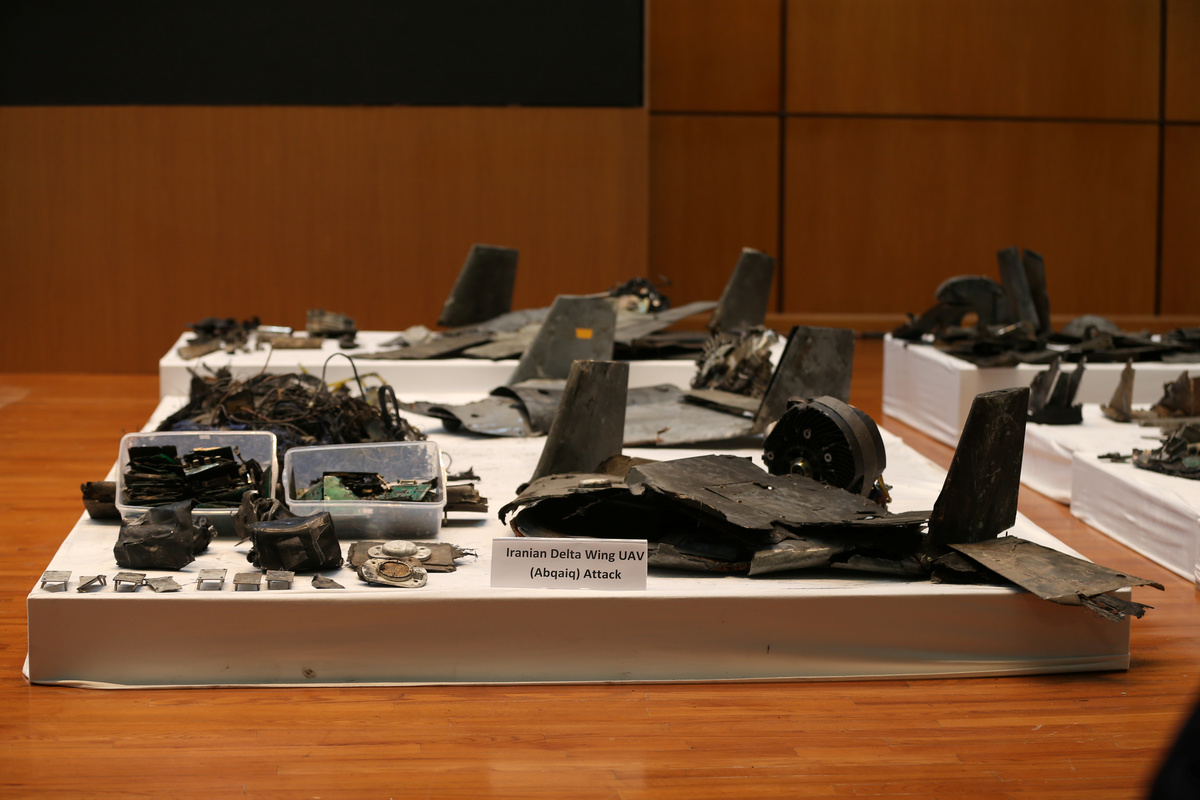
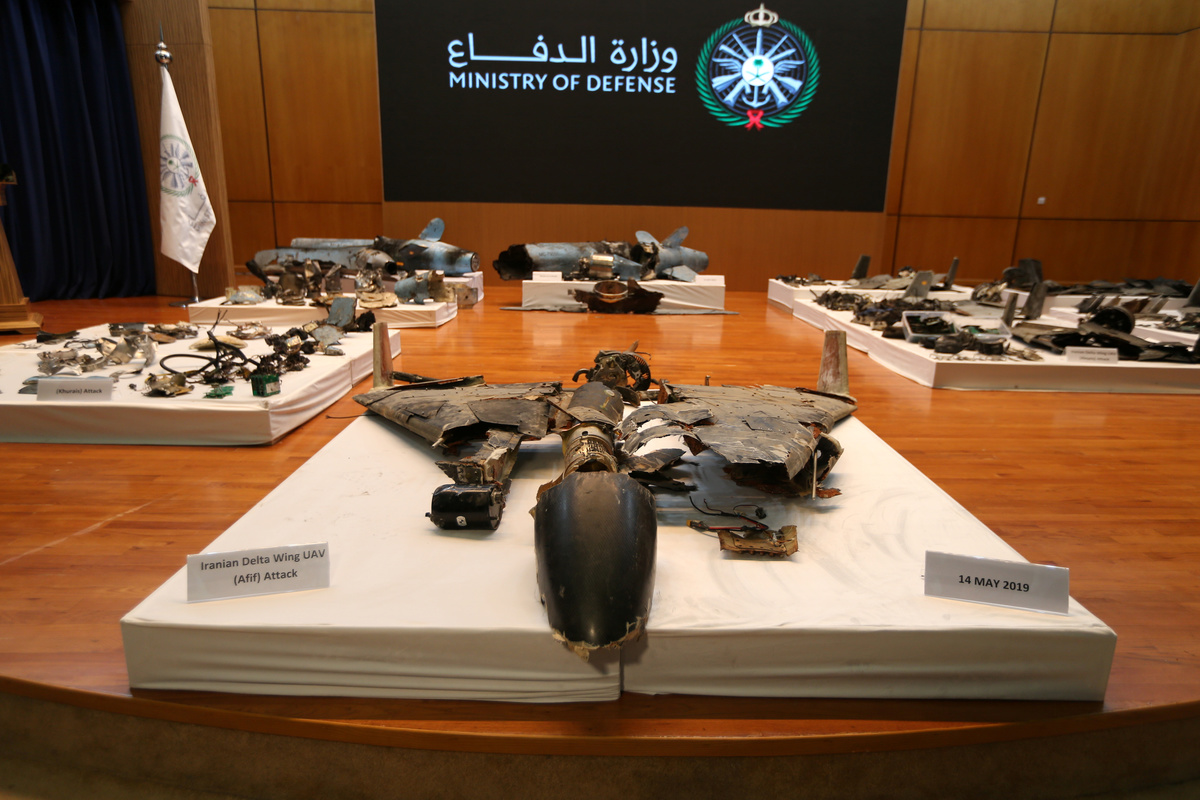
To bolster its assertion that Iran was responsible, Saudi Arabia showed drone and missile debris it said amounted to undeniable evidence of Iranian aggression.
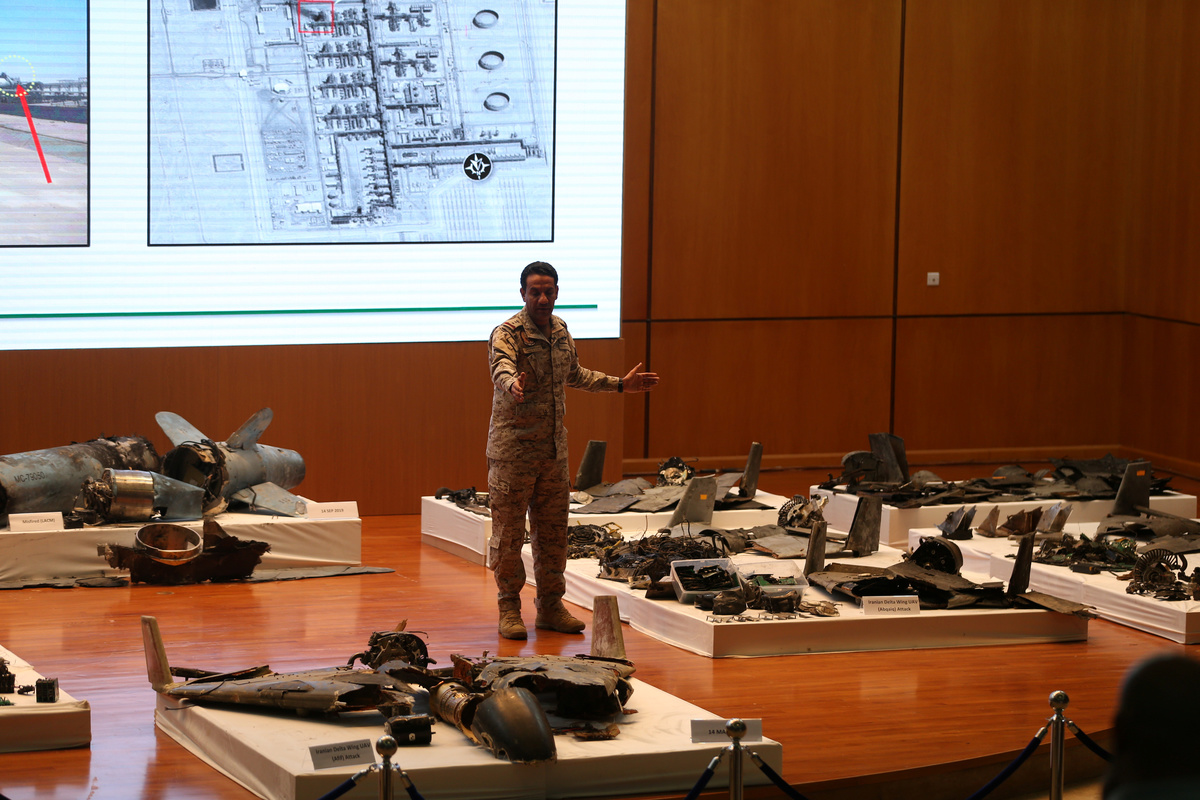
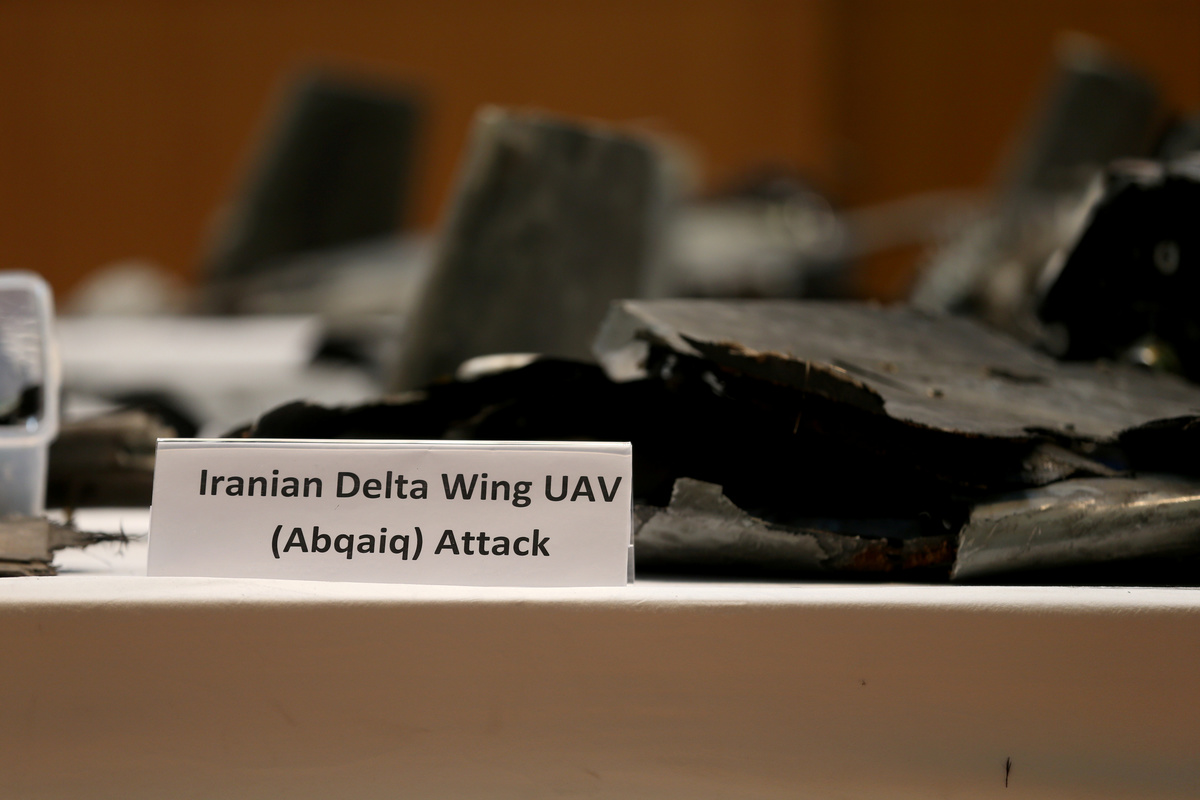
A total of 25 drones and missiles were used in the attacks sponsored by Iran but not launched from Yemen, Defence Ministry spokesman Colonel Turki al-Malki told a news conference."The attack was launched from the north and unquestionably sponsored by Iran," he said, adding Iranian Delta Wing unmanned aerial vehicles (UAV) were used in addition to cruise missiles.
An investigation into the origin of the attacks was still under way and the result will be announced later, he said.
The attack exposed gaps in Saudi air defences despite billions spent on Western military hardware.
Proof of Iranian responsibility, and evidence that the attack was launched from Iranian territory, could pressure Riyadh and Washington into a response. Both nations, however, were stressing the need for caution.
Trump has previously said he does not want war and is coordinating with Gulf and European states.
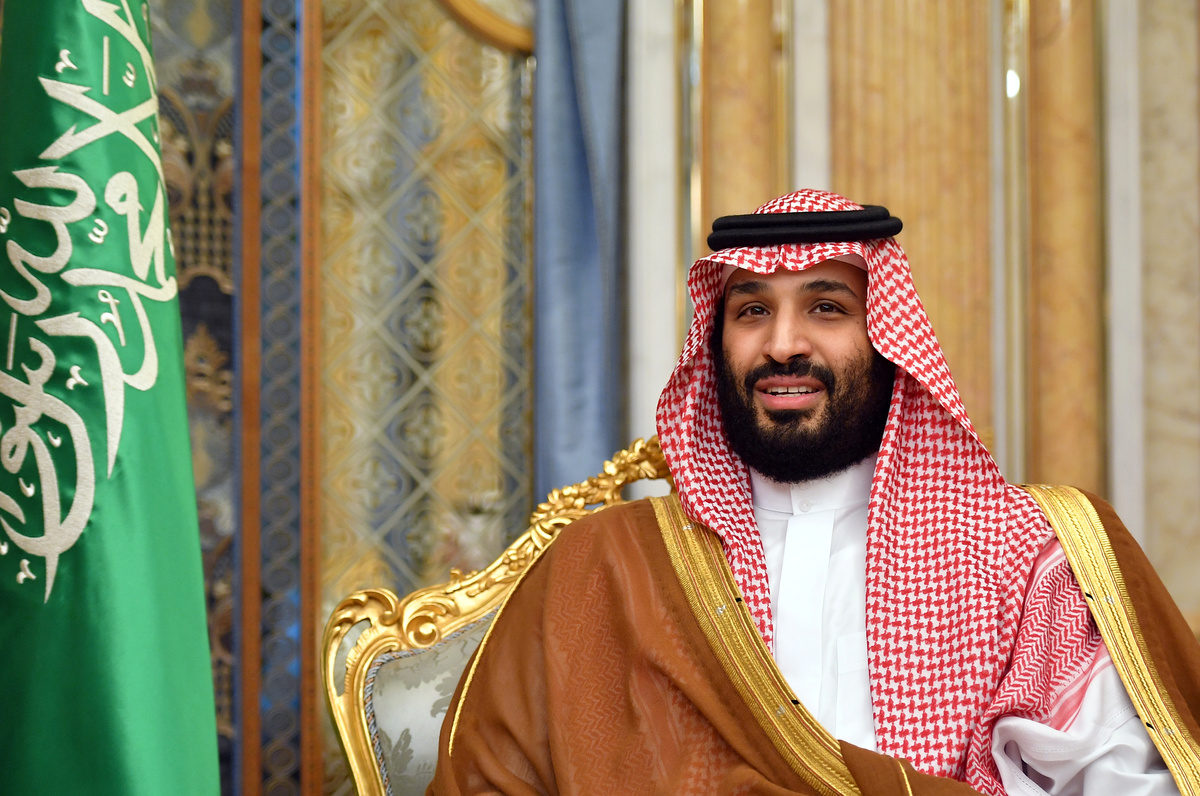
Crown Prince Mohammed bin Salman, Saudi Arabia's de facto ruler, said the strike was a "real test of the global will" to confront subversion of the international order.
His envoy to London, Prince Khalid bin Bander, told the BBC the attack was "almost certainly" Iranian-backed: "We're trying not to react too quickly because the last thing we need is more conflict in the region."
The Islamic Republic dismissed the allegations.
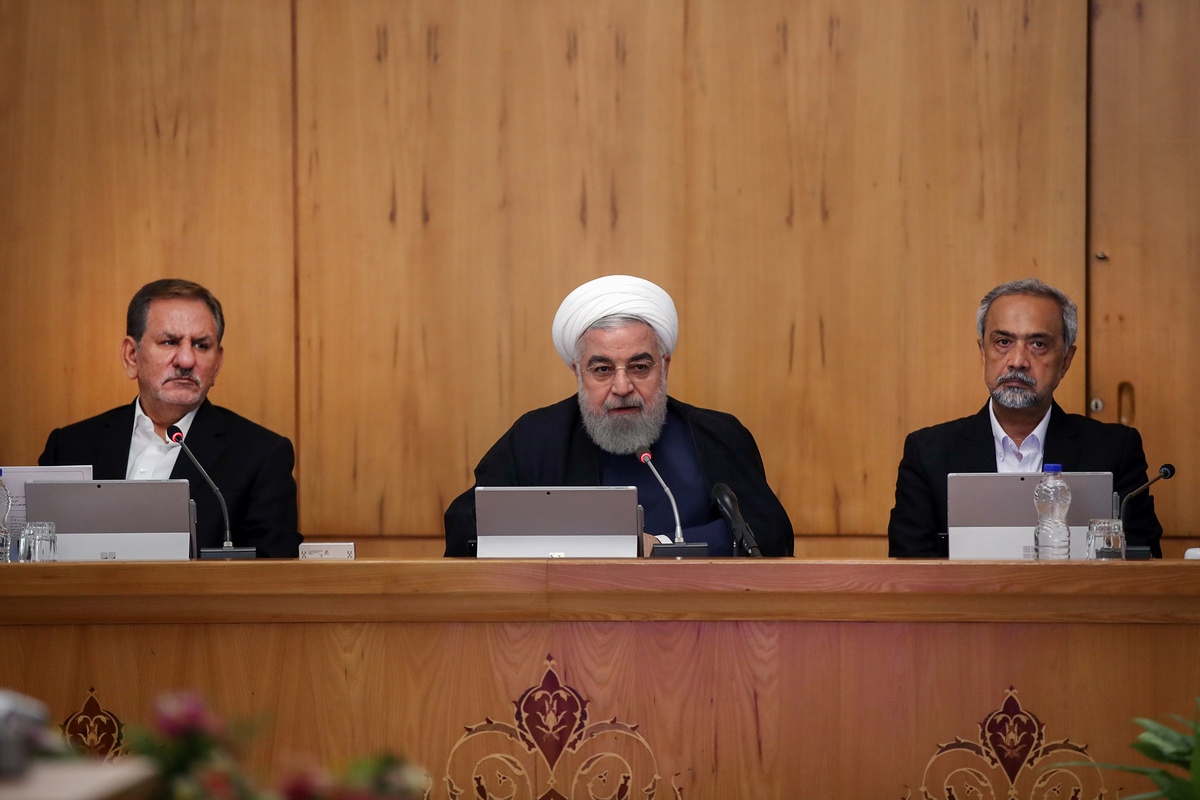
"They want to impose maximum ... pressure on Iran through slander," Iranian President Hassan Rouhani said.
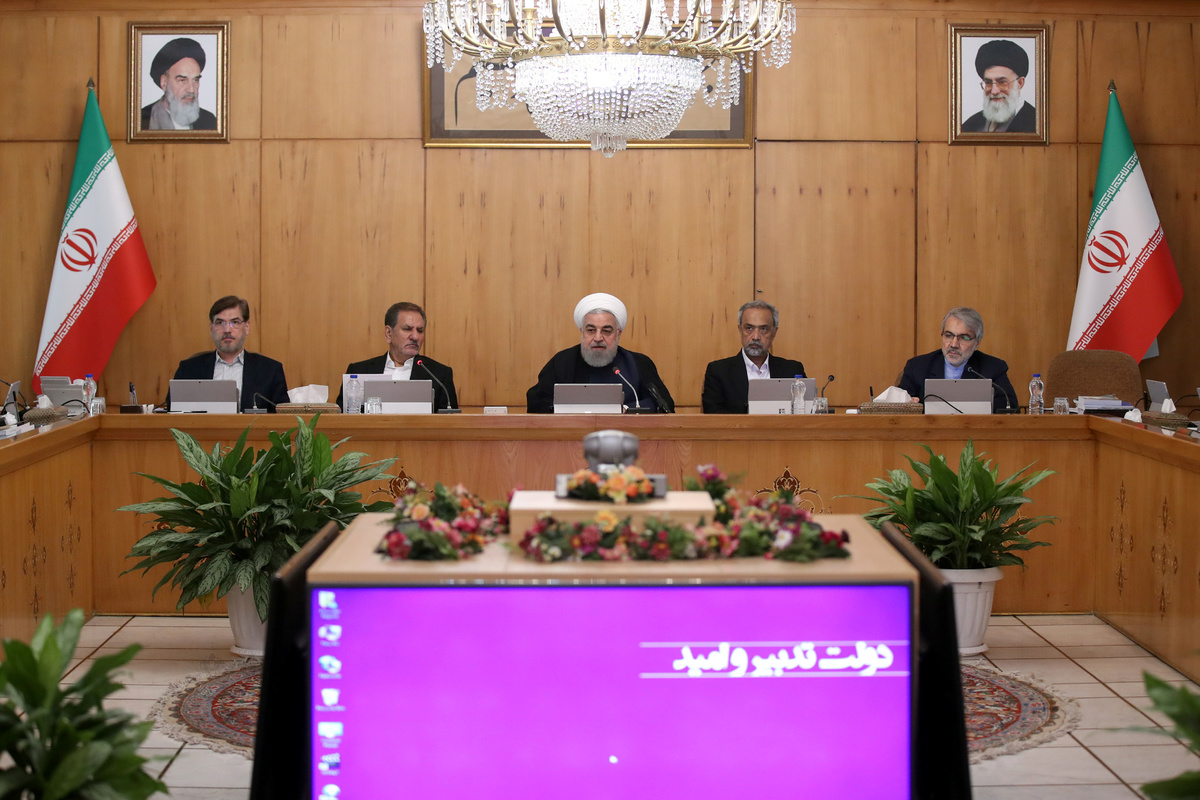
"We don't want conflict in the region ... Who started the conflict?" he added, blaming Washington and its Gulf allies for the war in Yemen.
Yemen's Houthi movement, battling a Western-backed, Saudi-led coalition for more than four years, said it used drones to assault state oil company Aramco's sites. U.S. officials, however, have said the attack was not launched by the Houthis.
The raid exposed the vulnerability of Saudi Arabia's oil infrastructure and threw down a gauntlet to the United States, which wants to curb Iranian influence in the region.
"The attack is like Sept. 11th for Saudi Arabia. It is a game changer," said one Saudi security analyst.
"AN ACT OF WAR"
Visiting Jeddah, U.S. Secretary of State Mike Pompeo said the attacks would be a major focus of next week's annual U.N. General Assembly meeting and suggested Saudi Arabia could make its case there.
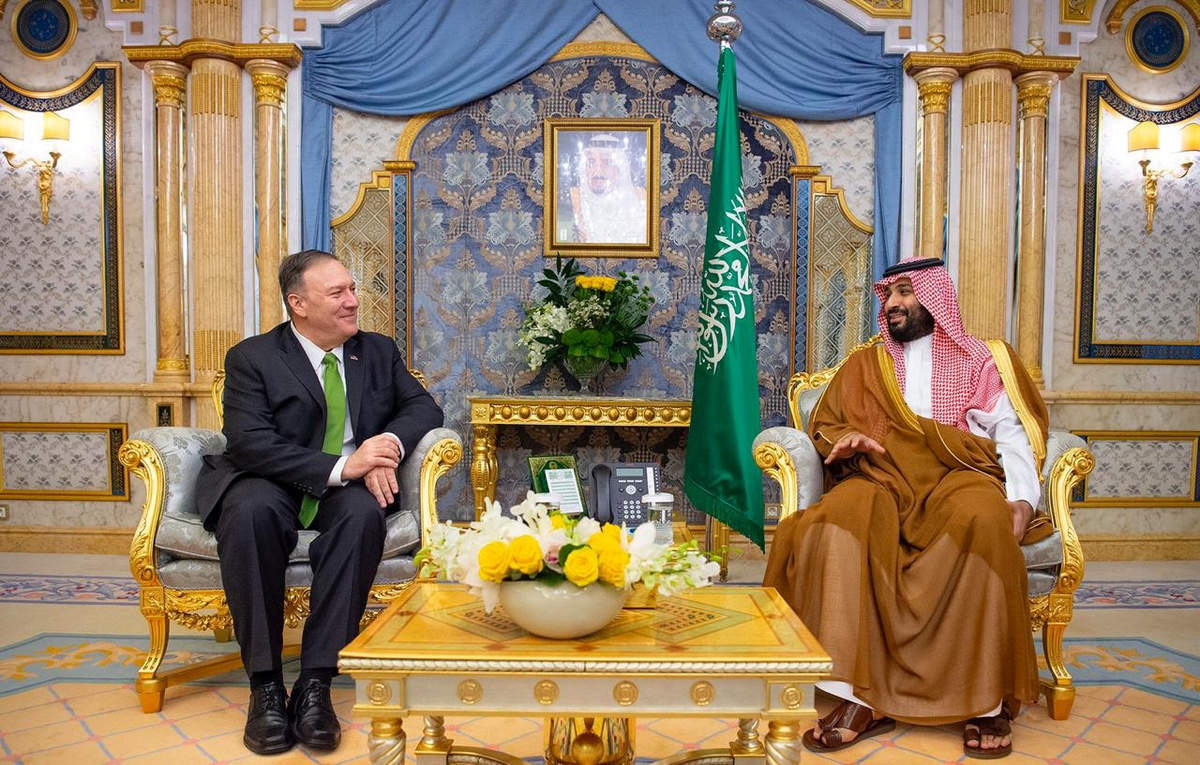
"It was an act of war against them directly, and I'm confident they will do that," he told reporters before meeting the Saudi crown prince, later tweeting that the United States supports Saudi Arabia's right to defend itself.
The two men "agreed that the Iranian regime must be held accountable for its continued aggressive, reckless, and threatening behavior," the U.S. State Department said in a statement after their talks.
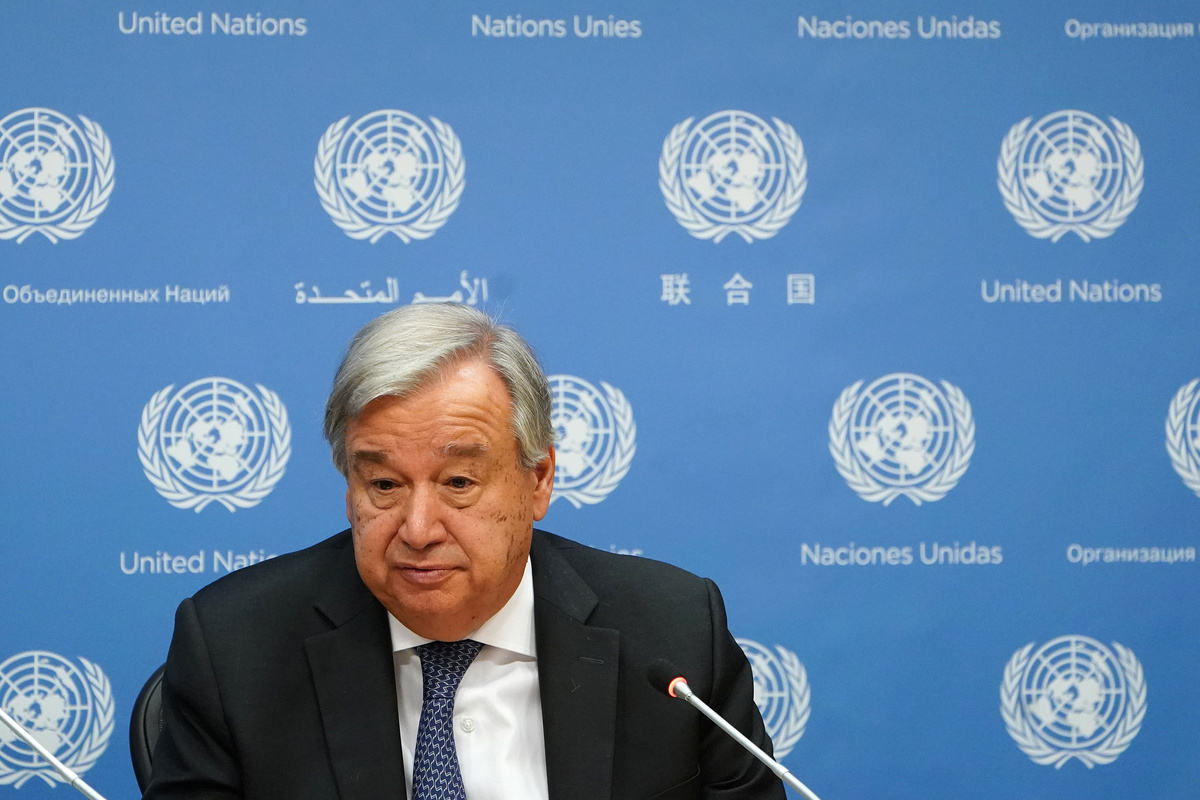
U.N. officials monitoring sanctions on Iran and Yemen were also heading to Saudi Arabia to investigate. Secretary-General Antonio Guterres said a major confrontation in the Gulf would have "devastating consequences" for the region and globally.
France, which is trying to salvage an international nuclear deal with Iran that Washington quit last year, said it wanted to establish the facts before reacting.
A U.S. official told Reuters on Tuesday the strikes originated in southwestern Iran. Three officials said they involved cruise missiles and drones, indicating more complexity and sophistication than initially thought.
Saudi Arabia's finance minister told Reuters the attack had no impact on revenues and Aramco was continuing to supply markets without interruption.
U.S. efforts to bring about a U.N. Security Council response looked unlikely to succeed as Russia and China have veto powers and were expected to shield Iran.
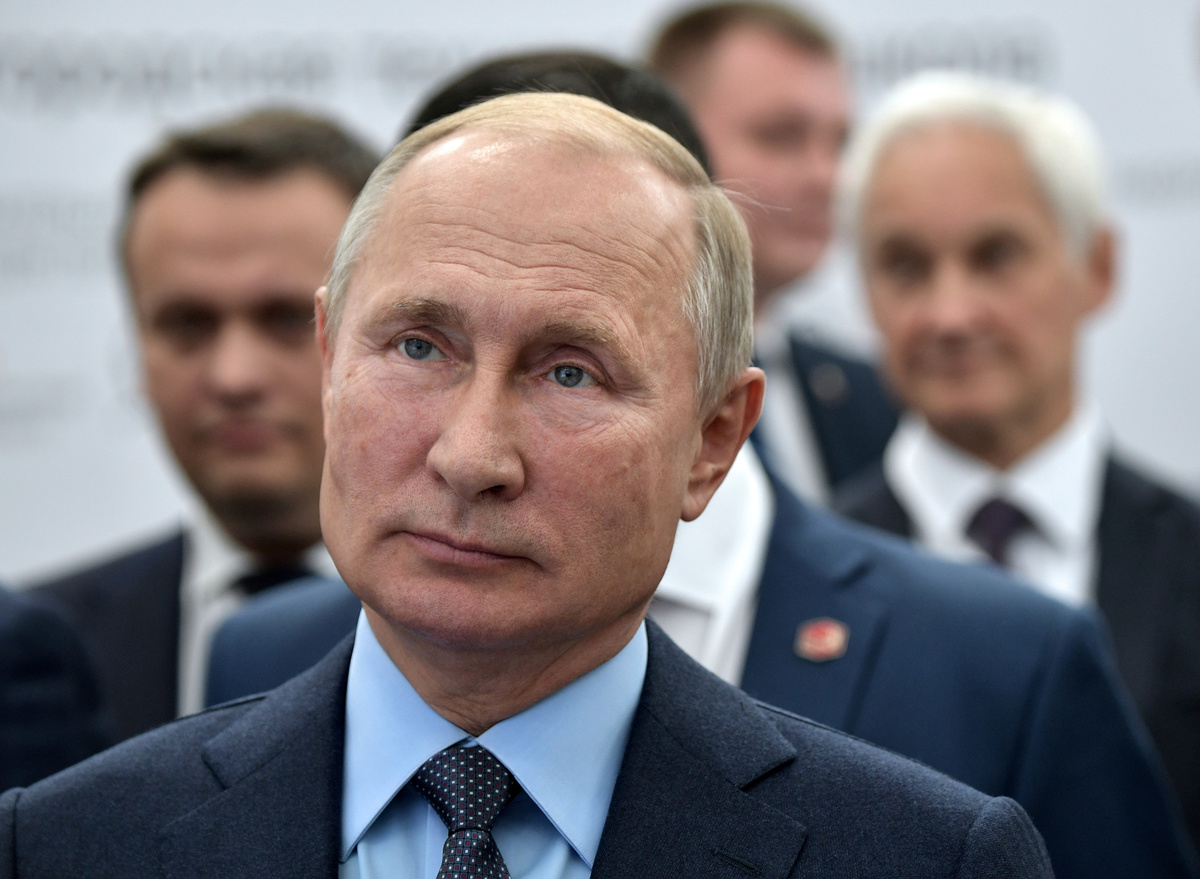
Russian President Vladimir Putin, who has offered to sell defence systems to Riyadh, called for a "thorough and impartial" probe during a phone call with Prince Mohammed.
IRAN-U.S. CONFLICT
The 2015 nuclear deal ushered in a brief detente in long hostile relations between Iran and the United States. But antagonism returned when Trump pulled out of the pact, reached before he took office, and reimposed sanctions, severely damaging the Iranian economy. Iran has ruled out talks with Washington unless it returns to the pact.
Trump said he is not looking to meet Rouhani at the United Nations next week. Rouhani and his foreign minister may not attend the annual General Assembly at all unless U.S. visas are issued in the coming hours, Iranian state media reported.
Washington and its Gulf allies want Iran to stop supporting regional proxies, including in Yemen, Iraq and Lebanon, as well as to put more limitations on its nuclear and missile programs.
(Reporting by Jeff Mason in Los Angeles, and Stephen Kalin in Jeddah; Additional reporting by Parisa Hafezi in Dubai, Guy Faulconbridge in London, Michelle Nichols in New York, Rania El Gamal, Davide Barbuscia and Marwa Rashad in Riyadh, Asma Alsharif and Sylvia Westall in Dubai, Alaa Swilam and Hisham El Saba in Cairo, Maria Kiselyova in Moscow; Tim Kelly in Tokyo, John Irish and Sudip Kar-Gupta in Paris, Phil Stewart, Steve Holland and Susan Heavey in Washington; Writing by Ghaida Ghantous, Andrew Cawthorne and Arshad Mohammed; Editing by Howard Goller, Alistair Bell and Lisa Shumaker)