Technology experts have told the Royal Commission into National Natural Disaster Arrangements that satellites, drones and apps were the key to a nationally coordinated approach to natural disasters in the future.
Commissioners heard from the Australian Space Agency at the inquiry's Canberra sitting on Monday, as well as from app developers and engineers.
Australian Space Agency deputy head Anthony Muffett told commissioners a recent report from the bushfire earth observation taskforce had revealed satellite technology, in particular, played a crucial role over summer.
"They help with active fire mapping, the detection of smoke and understanding weather conditions that can happen through fire," Mr Muffett said.
He also told commissioners, satellites could play a role in showing the extent of the burned area and the security around the built-up environment.
Australia does not own any satellites
The CEO and managing director of SmartSat CRC, Professor Andy Koronios, who has also been working with the Australian Space Agency, said Australia must invest more in satellite technology.
He said part of the problem was Australia did not own a satellite.
"Australia relies completely on foreign-owned satellites for its earth observation and remote sensing services," Professor Koronios said.
"This is clearly a risk, particularly in an increasingly difficult environment at the moment, on several levels.
"More satellite systems can offer an opportunity for Australia to develop its own capabilities in this area and have capability to control these space assets and technologies so that they meet our own emergency requirements."
Commissioners also heard evidence about the potential usefulness of satellites as a back-up to phone towers during an emergency.
Professor Koronios said Australia should develop satellite-enhanced national telecommunications capabilities to ensure people are not reliant on one form of communication.
He said if satellite telecommunication capability was enhanced, people could still use their conventional mobile phones to receive emergency messages, even if telecommunication towers failed.
However, a government department official said satellites were not the right technology to use in all natural disasters.
The Deputy Secretary Department of Infrastructure, Transport, Regional Development and Communications Richard Windeyer gave evidence and said, in some instances, they would be too vulnerable.
"For example, in a cyclone instance where you've got satellite dishes on roofs, if they get blown off then suddenly satellite is not the ideal solution," Mr Windeyer said.
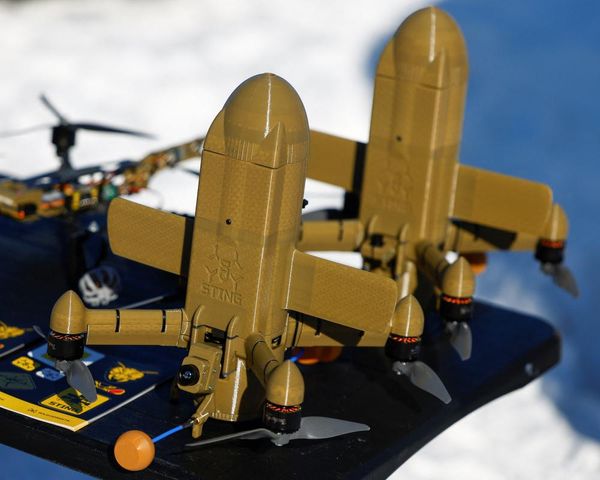
In addition to satellite technology, expert engineers also gave evidence, telling the royal commission that GPS tracking, drones and nationally coordinated mobile phone apps were all options to consider for future disasters.
The hearings will continue this week.