In the ever-evolving world of construction, innovation is key. While skyscrapers and architectural marvels often steal the spotlight, some of the most significant advancements are found in the very materials that make these structures possible. One such unsung hero is the sandwich panel, a composite building material that is revolutionizing the way we build.
What exactly is a sandwich panel?
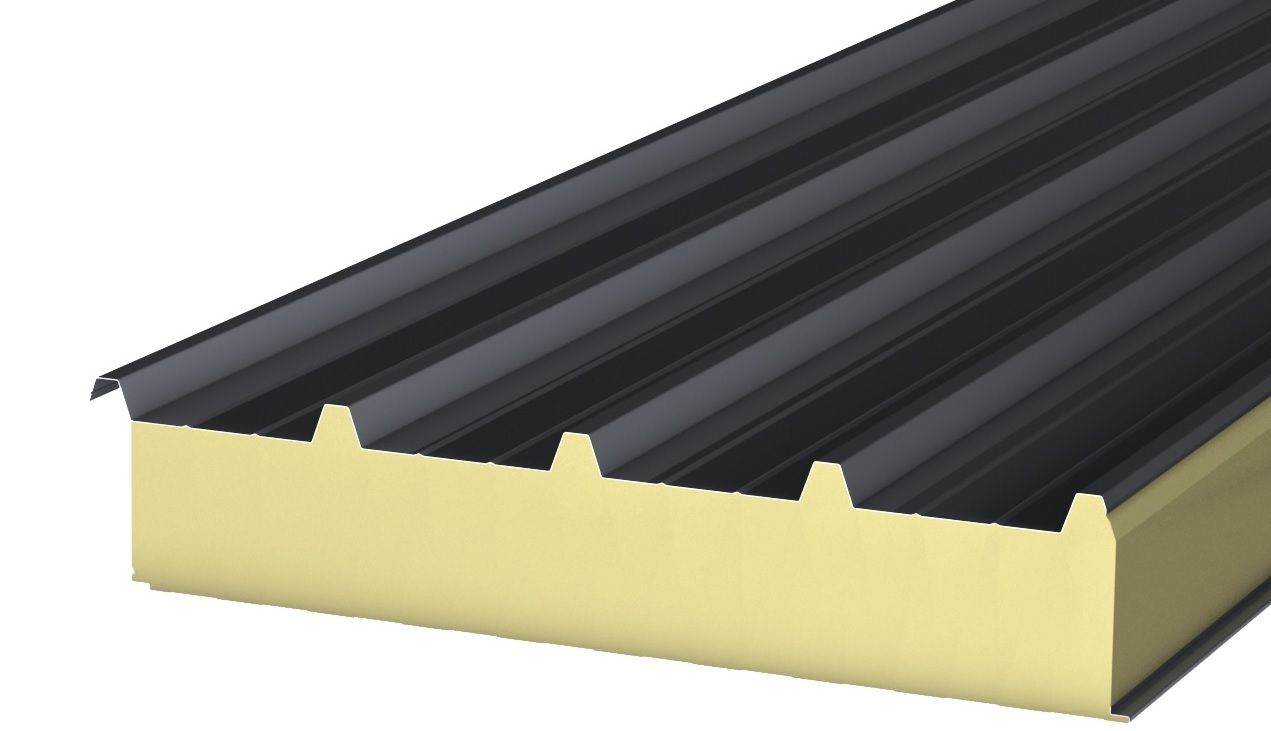
As the name suggests, a sandwich panel is a three-layer product. It consists of two outer layers, or “skins,” and a core material sandwiched between them. The outer layers are typically made of durable materials like steel, aluminum, or fiberglass, providing structural integrity and weather resistance. The core, on the other hand, is made of an insulating material, with common options including polyurethane (PU), polyisocyanurate (PIR), rockwool, and expanded polystyrene (EPS). This simple yet ingenious design results in building material that is both lightweight and incredibly strong, with exceptional insulation properties.
The advantages of building sandwich panels
Why are these panels becoming so popular? The benefits are numerous and address some of the most pressing challenges in modern construction, from energy efficiency to cost-effectiveness.
Superior performance
One of the most significant advantages of sandwich panels is their outstanding thermal insulation. The insulating core minimizes heat transfer, which helps to maintain stable indoor temperatures and significantly reduces the energy required for heating and cooling. This not only creates a more comfortable living or working environment but also leads to substantial energy savings over the building's lifetime.
Furthermore, many sandwich panels offer enhanced fire safety. Materials like rockwool and PIR are fire-resistant, slowing the spread of flames and providing crucial extra time for evacuation in the event of a fire. They also provide excellent acoustic insulation, making them ideal for buildings in noisy environments or for creating quiet indoor spaces.
Economic and practical benefits
Despite their strength, sandwich panels are remarkably lightweight, making them easier, faster, and cheaper to transport and install compared to traditional building materials like brick and concrete. The panels are prefabricated to specific sizes, which streamlines the construction process, reduces on-site labor costs, and shortens project timelines.
Their durability also translates to long-term savings. The outer skins are resistant to corrosion, physical impacts, and harsh weather conditions, resulting in a building that requires minimal maintenance over its lifespan.
Who needs sandwich panels?
Given their versatility, sandwich panels are an ideal solution for a wide range of applications and industries. Their use is not limited to a single sector, but rather spans across commercial, industrial, and even residential construction.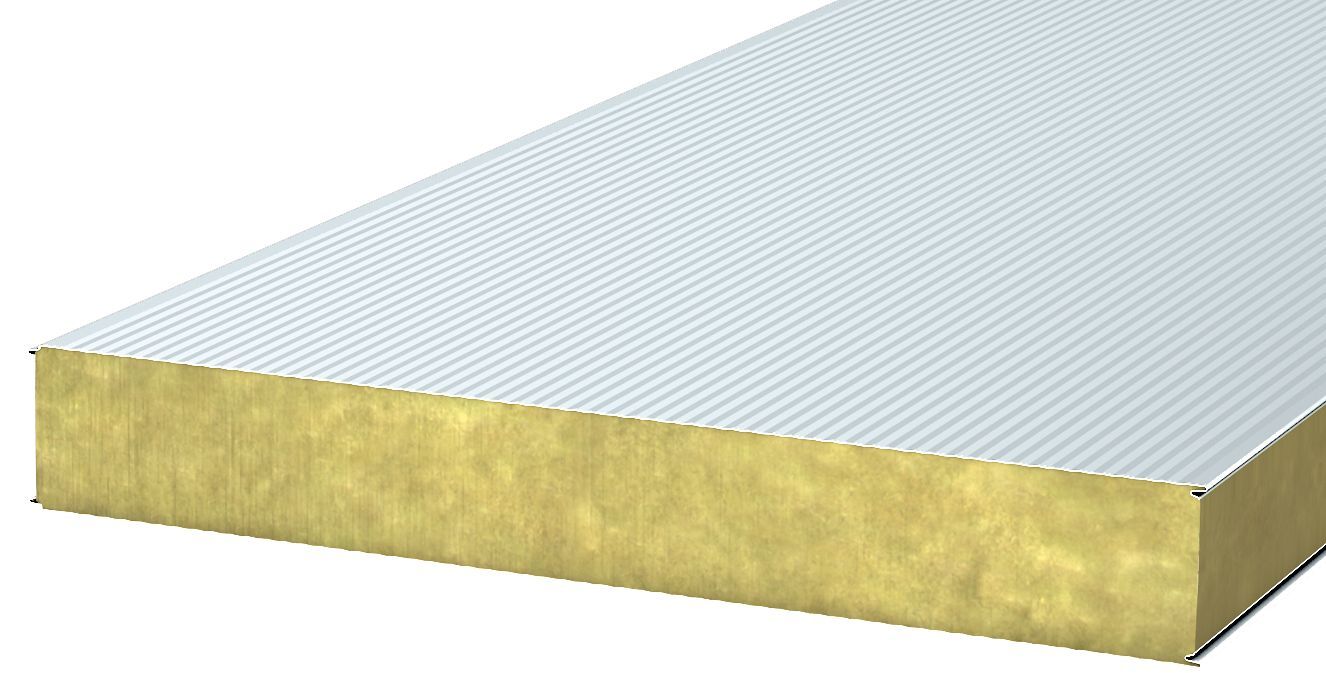
|
Industry/application |
Key benefits utilized |
|
Cold storage & food processing |
Exceptional thermal insulation for maintaining low temperatures. |
|
Commercial & industrial buildings |
Fast construction, energy efficiency, and durability for warehouses, factories, and offices. |
|
Prefabricated & modular buildings |
Lightweight and easy to assemble, perfect for quick construction of homes and offices. |
|
Clean rooms & laboratories |
Airtight and easy-to-clean surfaces for controlled environments. |
|
Agricultural buildings |
Cost-effective and durable solution for storage and livestock facilities. |
From large-scale industrial facilities to small modular homes, the list of potential users is extensive. Construction companies, developers, architects, and even DIY enthusiasts are increasingly turning to sandwich panels to build more efficiently and sustainably.
Tenax W PIR H: An advanced solution for contemporary building
In the ever-evolving landscape of building materials, the demand for solutions that offer superior performance, energy efficiency, and fire safety is paramount. Tenax W PIR H, a lightly profiled sandwich panel with a Polyisocyanurate (PIR) core, emerges as a leading contender in this domain. These panels, manufactured by Tenax PANEL, are engineered to meet the stringent requirements of modern construction, providing a versatile and reliable option for a wide range of applications.
The power of PIR
At the heart of Tenax W PIR H panels lies the Polyisocyanurate (PIR) foam core. PIR is a thermoset plastic produced as a foam, which offers significant advantages over other insulation materials. It is renowned for its exceptional thermal performance, meaning it can achieve high levels of insulation with a relatively thin profile. This is a crucial factor in modern construction, where maximizing interior space while minimizing energy consumption is a key objective. Furthermore, PIR foam exhibits excellent fire safety characteristics. According to European standards, Tenax W PIR H panels are classified as B-s1,d0 for fire reaction and have an EI30 fire resistance rating. This high level of fire resistance provides building occupants with enhanced safety and peace of mind. The closed-cell structure of PIR foam also makes it highly resistant to moisture and water vapor, mitigating the risk of condensation and ensuring the long-term integrity of the insulation.
Tenax TR PIR S: A comprehensive analysis of a contemporary roofing solution
In the world of modern construction, the demand for high-performance, energy-efficient, and fire-safe building materials is ever-increasing. Tenax TR PIR S, a sandwich roof panel with a polyisocyanurate (PIR) foam core, emerges as a leading solution for roofing applications. These panels are engineered to meet the stringent requirements of contemporary building projects, offering a combination of excellent thermal insulation, fire resistance, and structural integrity.
Superior Thermal performance and fire safety
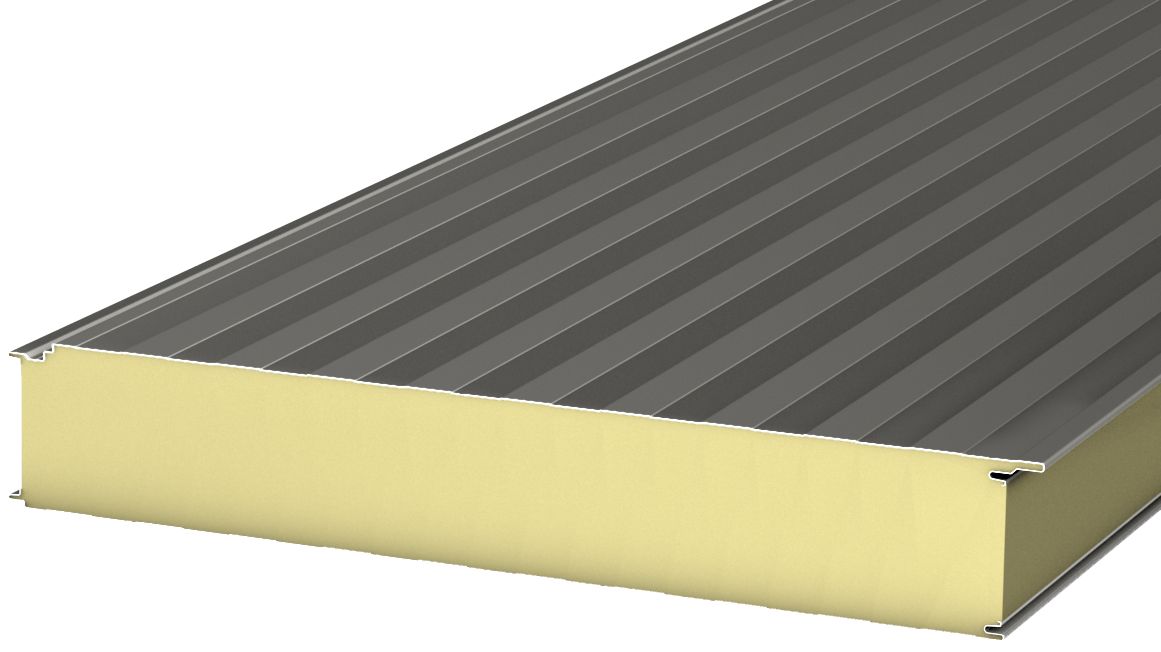
Tenax TR PIR S panels are particularly suited for structures that demand exceptional thermal performance and have high fire safety requirements. The PIR foam core provides a significant advantage in thermal insulation, contributing to reduced energy consumption for heating and cooling. This makes them an ideal choice for temperature-controlled environments and buildings where maintaining a stable internal climate is crucial.
In addition to their thermal properties, these panels offer a high degree of fire safety. The PIR foam core is a thermosetting material that, when exposed to fire, forms a stable, carbonaceous char that protects the underlying layers and limits the spread of flames. This inherent fire resistance provides an essential safety feature for a wide range of building types.
Tenax TR MW S: Advanced mineral wool roofing panel overview
In modern construction, the demand for building materials that offer a combination of superior performance, safety, and design flexibility is ever-increasing. Tenax TR MW S, a profiled sandwich panel with a mineral wool (MW) core, emerges as a leading solution for multi-span roof structures. Manufactured by TENAX PANEL, a company with over a decade of experience in the industry, these panels are engineered to meet the stringent requirements of today's building projects, offering exceptional fire safety, thermal insulation, and structural efficiency. This article provides a comprehensive overview of Tenax TR MW S, covering its technical specifications, performance characteristics, key features, and applications, to assist business decision-makers and industry professionals in making informed choices.
The future of construction
In conclusion, sandwich panels offer a compelling combination of performance, cost-effectiveness, and sustainability. As the construction industry continues to face demands for faster, greener, and more efficient building solutions, the humble sandwich panel is poised to play an increasingly important role. It is a testament to the power of smart design and material science, proving that sometimes the most effective solutions are the ones that are elegantly simple.