Once the sense of catharsis had settled on the final day of a wretched 2025–26 season for Tottenham Hotspur, Roberto De Zerbi was erudite in his assessment of what needs to change in north London.
"We closed one page and we opened another page today, because we have no time; we have to organize the next season. We have to build a stronger team," the Italian told Spurs’ in-house media team less than 24 hours after Premier League survival was confirmed.
"Now we have to move on and to prepare the future of our club.”
De Zerbi, in short, worked a minor miracle to keep Spurs up, having inherited a broken squad that was seemingly spiraling after barely 40 days of working with Igor Tudor. The Italian’s stellar efforts currently render him the most powerful man in N17, with an unpopular hierarchy swiftly getting to work in order to appease him.
Years of Daniel Levy-led frugality have been undermined in one fell swoop. Spurs’ divisive former executive chairman is now watching from afar as the Lewis family cash in on his self-sufficient utopia. Levy’s impressive work has evolved Tottenham Hotspur into a financial juggernaut, but the club had long operated with a firmament dome placed over its head.
Levy’s methods meant there was a ceiling on what could be achieved.
Now, though, Spurs are entering a new frontier. Having just escaped the apocalyptic fate of relegation, the club is targeting a return to more familiar territory in short order.
Spurs Are Finally Acting Like A Serious Club
Gone are the days of haggling and dreary transfer sagas. Levy’s insatiable desire to get one over his counterparts, often alienating them in the process, ultimately proved a hindrance in trying to secure Spurs’ top targets.
The Lilywhites so often settled for second—or third—best, while their rivals paid what was necessary to enhance the on-field product. Levy was savvy for so long, but he lost his knack towards the end of his tenure. The vast majority wanted him gone when ENIC made the shocking announcement last August, with his legacy still firmly up for debate.
Back in 2019, Levy was convinced that Spurs would become “one of the biggest clubs in the world.” However, rarely did he operate with the ruthless conviction of a superpower.
His successors are operating without constraint and perhaps more brashly, but supporters can finally believe that those in charge are willing to do whatever it takes for Spurs to actualize their distinct potential. ENIC’s recent cash injections—£235 million ($314 million) in 18 months—have alleviated a rather precarious financial position and facilitated its early summer splurge.
Free agents Andy Robertson and Marcos Senesi were joined by Jan Paul van Hecke from Brighton & Hove Albion, who, according to Levy via Simon Jordan, had “pulled Tottenham’s trousers down” by getting them to spend £52 million ($70 million) on a center back entering the final year of his contract.
No, Daniel. That’s simply what it takes.
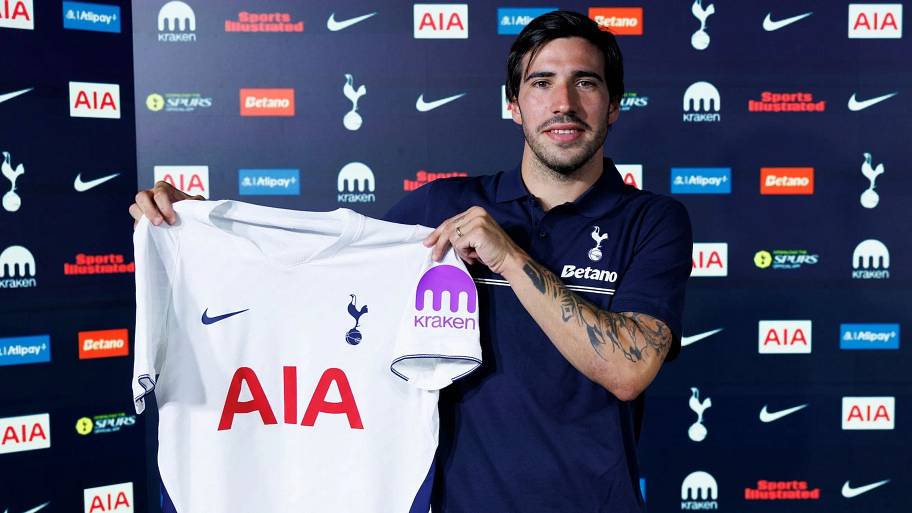
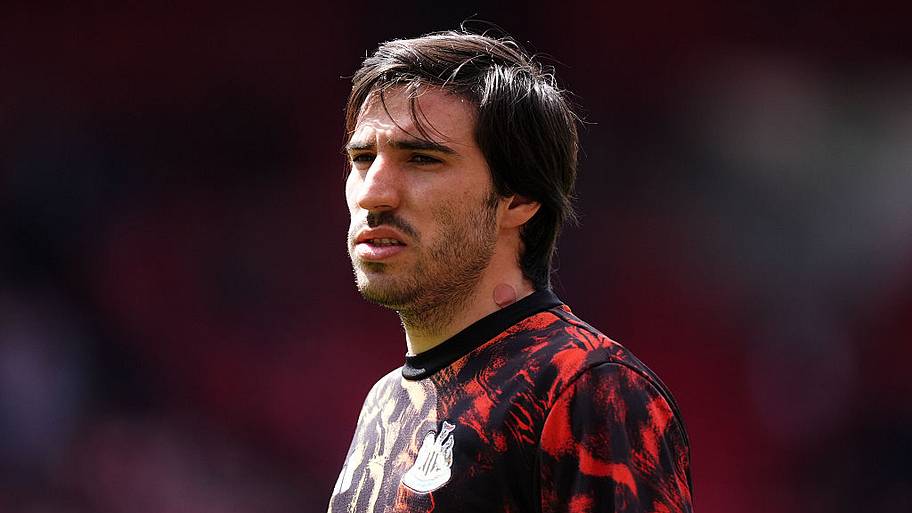
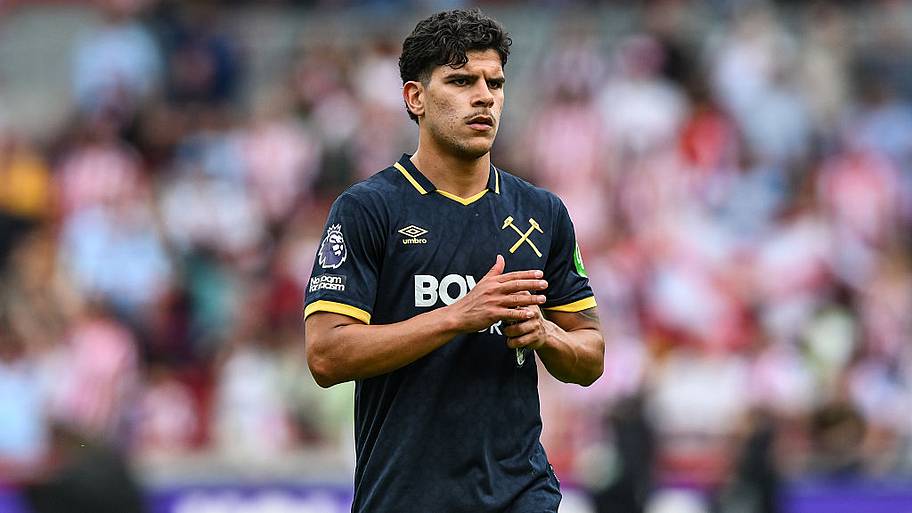
After that, it seemed as if Spurs were pitching up to battlefields with no more than a slingshot. Sandro Tonali had Manchester City and Arsenal on his tail, while Mateus Fernandes was courted by Manchester United and Real Madrid. Reports of Lilywhite interest was laughed at and brushed aside, but Spurs’ slingshot packed a serious punch laden with unfamiliar ambition.
Hardly in a position to haggle and hassle, Spurs first ensured the players were on board by De Zerbi delivering his best Jordan Belfort impression. Then the necessary cash was chucked at Newcastle and West Ham United without much thought. Too much? Perhaps, but the club has long been besieged by the obsession of “winning” transfers and minimizing risk.
In the aftermath of near-disaster, now’s the time to cut loose. They say that survivors of a near-death experience have an altered attitude toward life and death, and Spurs’ flirtation with relegation looks to have removed previous inhibitions in the transfer market.
How Tottenham Could Line Up With Sandro Tonali and Mateus Fernandes
There were a litany of problem areas for Spurs last season, none more so than the midfield. It returned to a level of basic competence when De Zerbi took charge, but it’s no surprise that the Italian has been so aggressive in ensuring he has the adequate profiles at his disposal for his first full season with the club.
Tonali and Fernandes are versatile midfielders capable of performing as a No. 6 or No. 8. Fernandes supplies tenacity, press-resistance in the build-up and an ambitious passing range. He developed tremendously in a deeper midfield role at West Ham, and is more likely to be Spurs’ build-up orchestrator than Tonali.
The Italian, who has a personal connection to the manager, is more blood and thunder. There are few with superior engines, and Tonali, on English shores, has been more effective with reduced responsibilities in possession and greater license to wreak havoc with the ball. That may change under De Zerbi, who simply won’t allow Tonali to be a passenger—not for that fee!
Together, they appear to complement each other nicely, and the fact Spurs have got both deals over the line so early in the window should mean the pair are at full-tilt come gameweek 1 of the 2026–27 season.
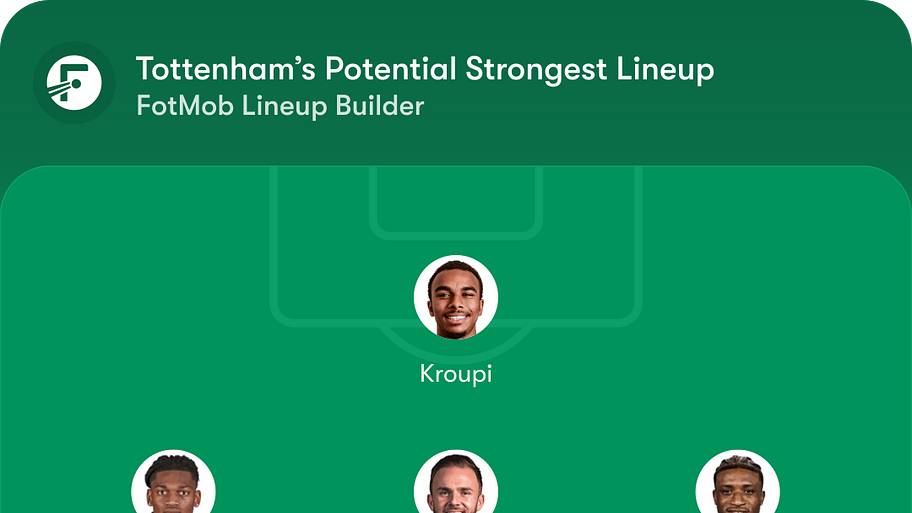
Surrounding them, Van Hecke is likely to replace Cristian Romero alongside Micky van de Ven, while James Maddison will reprise his No. 10 role after recovering from an ACL tear. Mohammed Kudus should also be fit come the start of the new season, and Antonín Kinsky’s contract extension suggests he’ll be Spurs’ new No. 1.
There’s work to do in attack, with Rafael Leão among the winger options reportedly being considered. This new Spurs will also test Bournemouth’s resolve for Eli Junior Kroupi, who scored 13 Premier League goals last season, and is the flexible, sharp-shooting center forward De Zerbi tends to cherish.