San Francisco, a city typically known for its cool summers and persistent fog, has been basking in its hottest March for at least two decades, as a rare winter heatwave grips the US West. This unusual warmth stands in stark contrast to the powerful snowstorms that have recently blanketed the Midwest and eastern half of the country, causing thousands of flight cancellations.
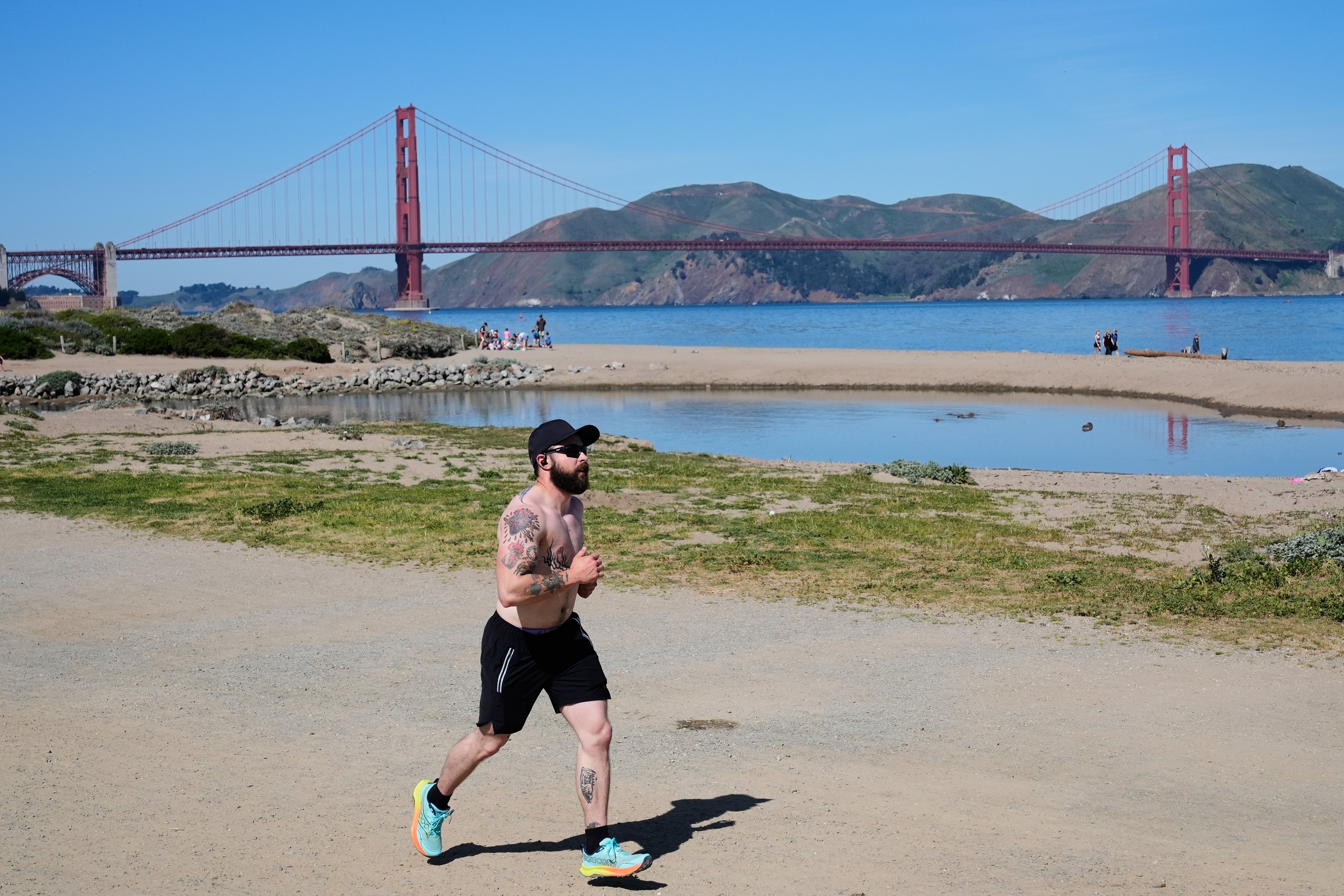
Residents in the Bay Area have been shedding layers, with dogs and sunbathers flocking to Crissy Field, enjoying the shimmering Golden Gate Bridge. "It feels like summer already in March. That’s crazy, but I love it," remarked dog walker Justyce Roliz. "The dogs, they love running in the water. They love to cool off. They’re loving it."
While many embraced the warmth, some faced challenges. Resident Jessica Ling noted the pleasant surprise, but added, "it’s difficult because we don’t have AC in our house. So we have our fans going, our windows open, but we try to be outside as much as we can."
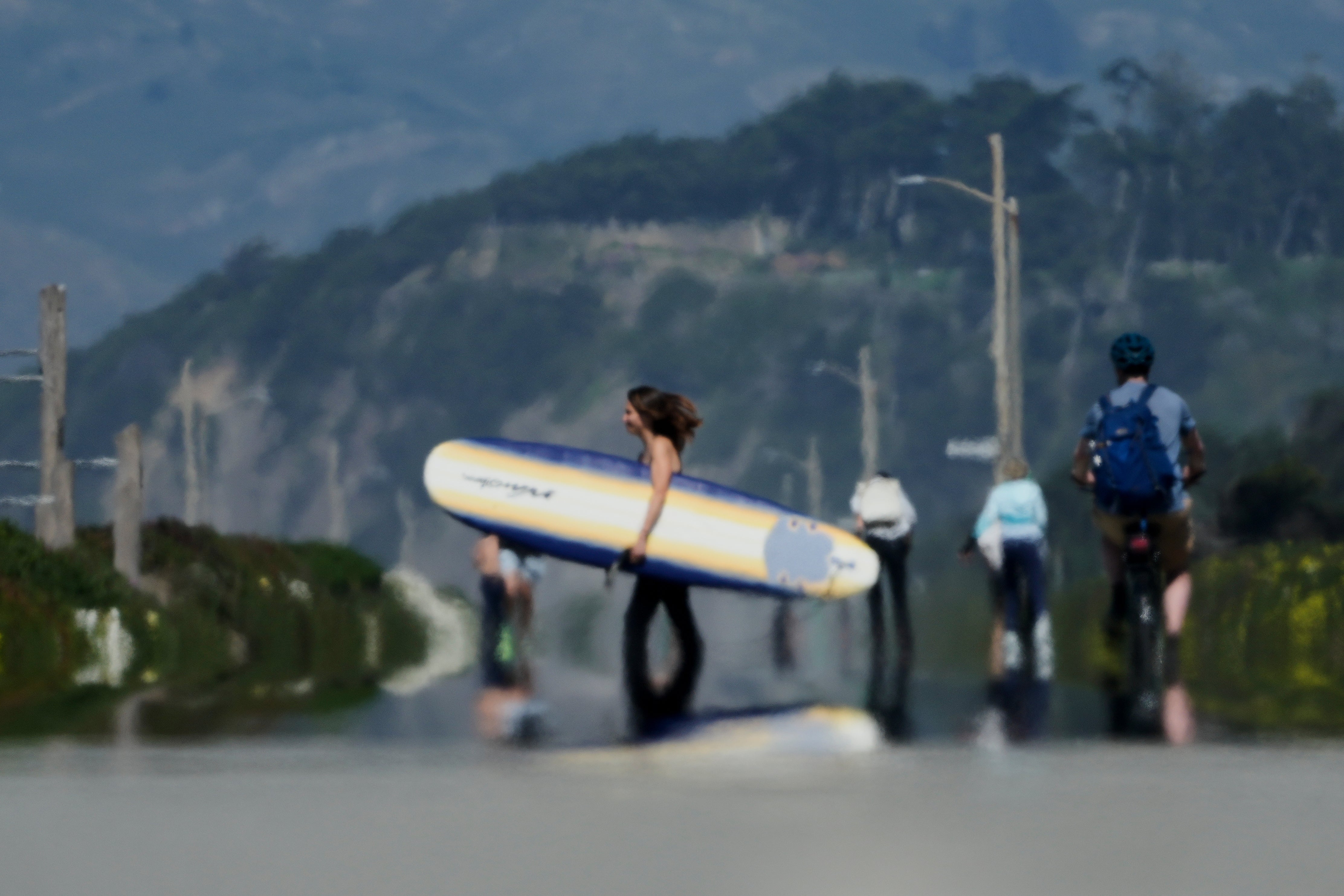
The heatwave has seen records tumble across the region. San Francisco International Airport registered 28.3C (83F) on Monday, while Silicon Valley’s Redwood City soared to 32.2C (90F), surpassing records set in 2004. San Jose also reached 29.4C (85F), equalling a 1914 record.
Roger Gass, a meteorologist with the National Weather Service in the Bay Area, described the early heat as "unusual for San Francisco to get this hot this early, but not unheard of," citing similar events in 2005 and 2004. Further south, Phoenix is anticipated to hit 37.7C (100F) this week – a temperature typically seen in early May and never before March 26.
Las Vegas could also experience its earliest ever triple-digit temperature in the coming days, with forecasts between 34.4C and 36.6C (94-98F) and a chance of 37.7C (100F) on Saturday. The current March record for Las Vegas is 34C (93F), set in 2022.
Brian Planz, a meteorologist at Las Vegas’s National Weather Service forecast office, advised visitors to "prepare for the heat, make sure they’re hydrating." He added: "This is going to be unusual for this time of year."
Mark Reeves, a visitor from New Zealand, was seen heeding this advice, staying hydrated and seeking shade amidst the city's air-conditioned casinos. Despite the unexpected heat, Mr Reeves remained positive: "For me, this is the trip of a lifetime. I’ve never been to the USA before and I may never get here again."
The heatwave follows an unusually warm winter in Colorado, leading to a significant lack of snow in the state’s mountains – a crucial water source for millions. Water providers in the Denver area are already implementing or considering restrictions on lawn watering.
With temperatures expected to climb further into the 20s Celsius (80s Fahrenheit) this week, residents are being urged to resist the urge to turn on sprinklers, as the reduced water supply must last through summer.
Shonnie Cline, a spokesperson for Aurora Water, which serves 400,000 people, warned that early watering could be risky: "The sooner you wake it up, it’s not necessarily better," she said, noting the potential for freezing pipes if temperatures drop again.
This unprecedented March heat across the US West underscores the region's vulnerability to changing weather patterns, presenting both immediate enjoyment for some and long-term challenges for vital resources.