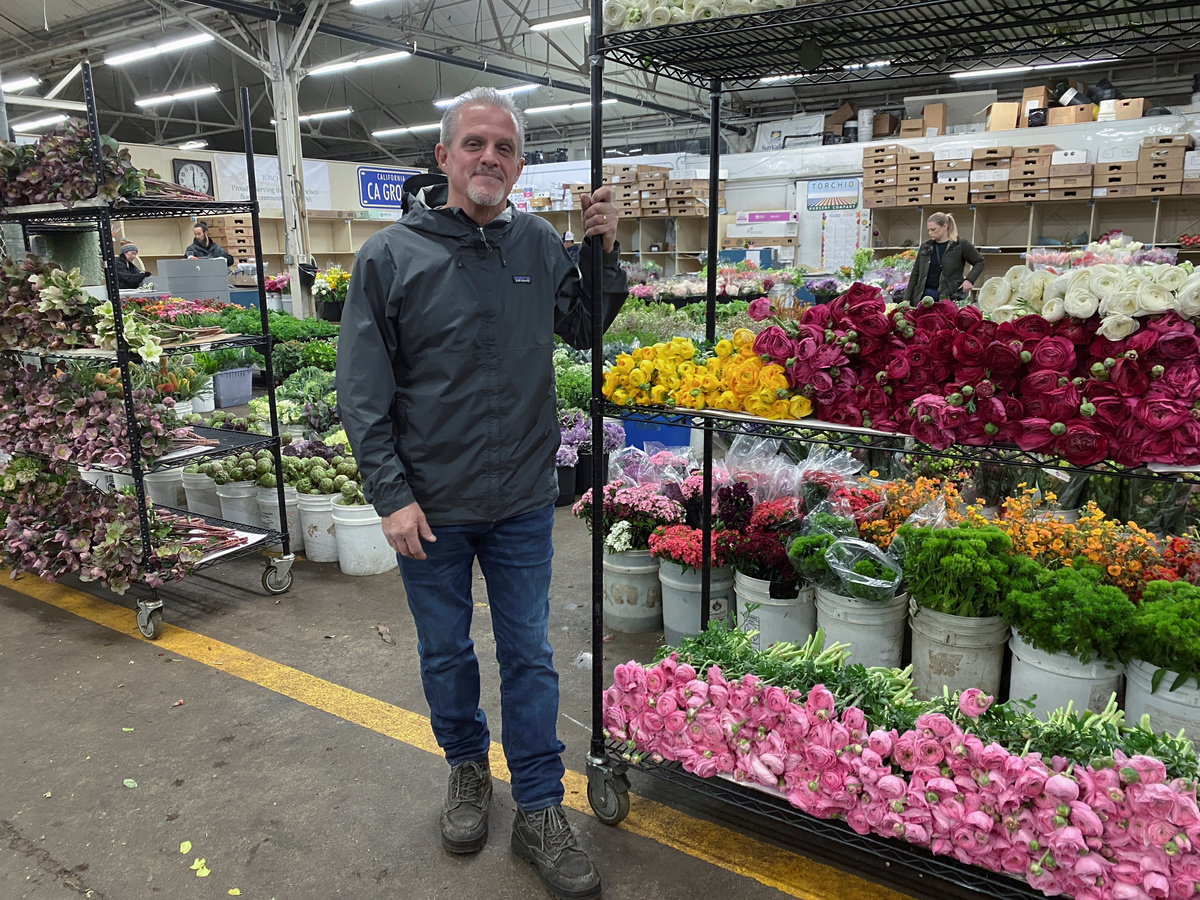
At the normally bustling wholesale flower market in San Francisco, business has fallen so steeply since local governments started banning large gatherings on March 6 because of the coronavirus outbreak that vendors are comparing the situation to the Great Recession.
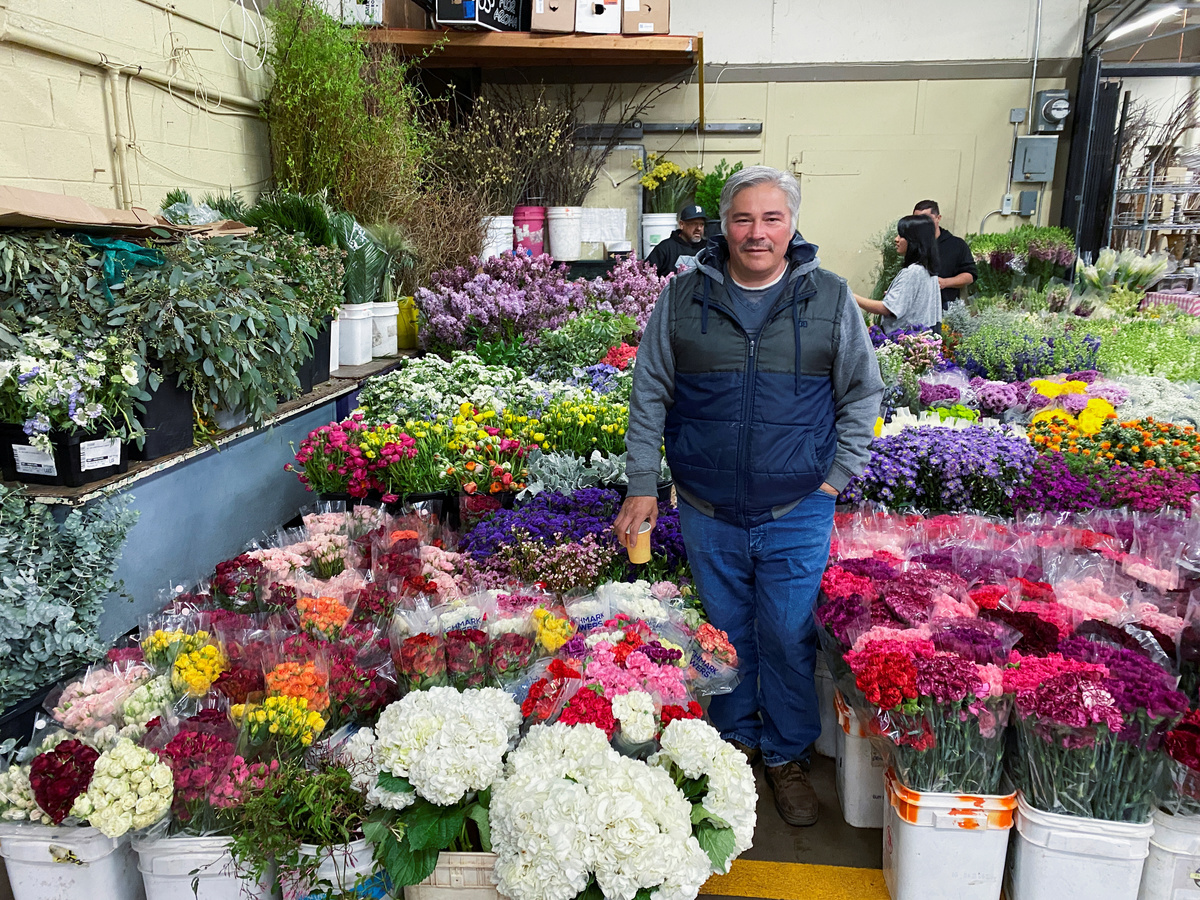
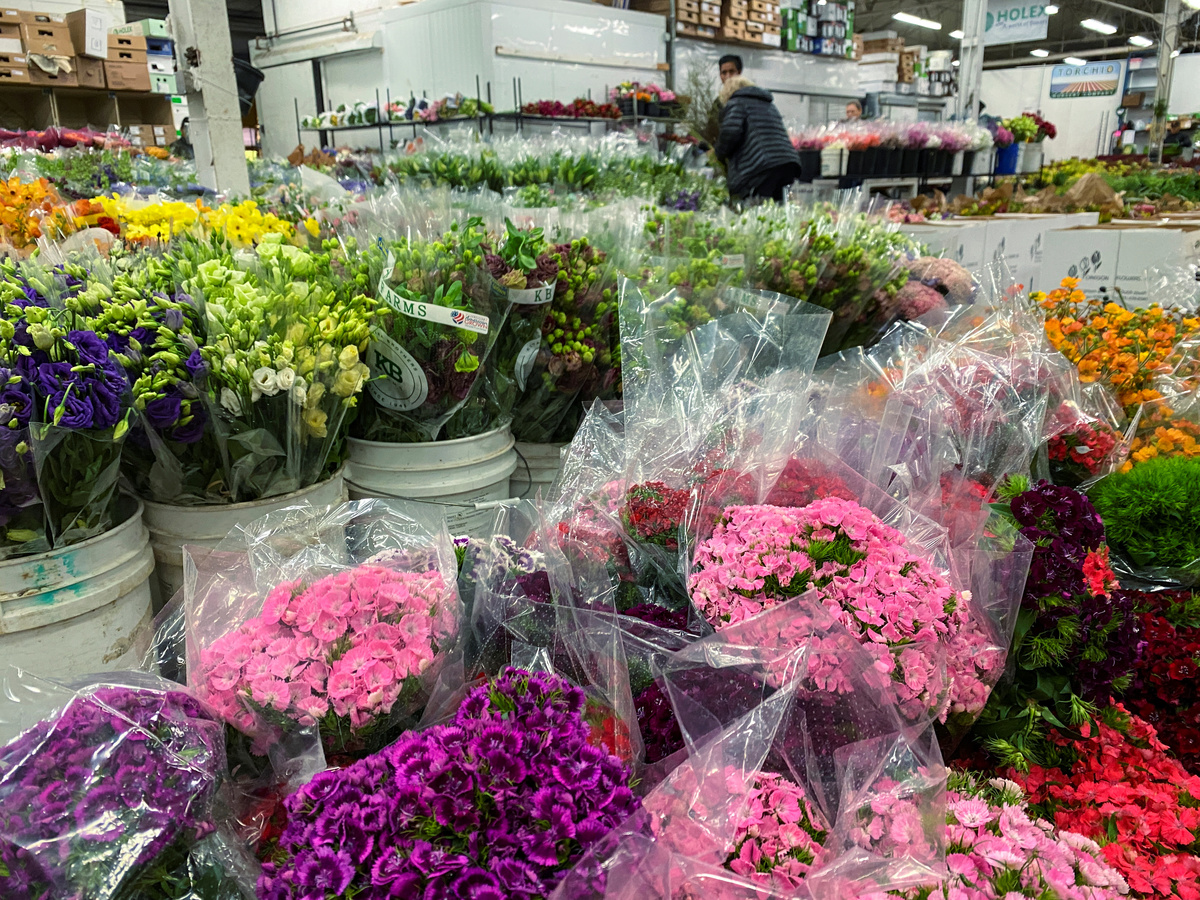
On Friday morning, Jose Guadalupe's flower stall had dozens of bunches of rapidly wilting lilacs, at $20 a bunch. They were a special order for one of five events that were abruptly canceled days earlier. On Wednesday, typically the busiest day of the week, he took in just $450, down from the norm of at least $8,000.
"If this continues going, I don't know what's going to happen -- there's the mortgage, the rent here, my employees," Guadalupe said on Friday, adding he couldn't sleep the night before for thinking about the future. "And money goes so fast."
Bay Area governments began by banning public gatherings of 1,000 or more to slow the spread of the new coronavirus, but have since narrowed that figure to nonessential gatherings of 100. As parties and weddings were called off, event planners pulled the plug on everything they had put on order, including flowers. Vendors like Guadalupe end up stuck with the inventory.
It's this kind of sudden drop in demand, repeated in countless places and industries across America and the globe, that economists say may already be tipping the United States and the world into recession. France and Spain announced sweeping restrictions over the weekend that will bring their entire economies, like Italy, to a near standstill.
Some U.S. cities are starting to order restaurants and bars to close, and some big businesses have done so on their own. Apple Inc and Urban Outfitters Inc both closed their retail outlets.
Sports tournaments and concerts and conferences have been shuttered across the country out of concern over spreading the virus, which has infected https://graphics.reuters.com/CHINA-HEALTH-MAP/0100B59S39E/index.html more than 170,000 people globally and killed more than 6,600.
Responding to the sharp economic impact likely from such actions, the U.S. Federal Reserve stepped in on Sunday to slash interest rates and urge banks to dip into their trillions of dollars of capital buffers built since the 2008 financial crisis to offer lending to households and businesses.
But it wasn't immediately clear exactly how that money will flow to 110,000 event planners who work in the multibillion dollar U.S. events industry, along with all the caterers and the gig-jobbing servers, bartenders, musicians, and photographers that make the events possible.
And then, there are the people who supply the flowers.
GRAPHIC: https://tmsnrt.rs/2IKD2Kd
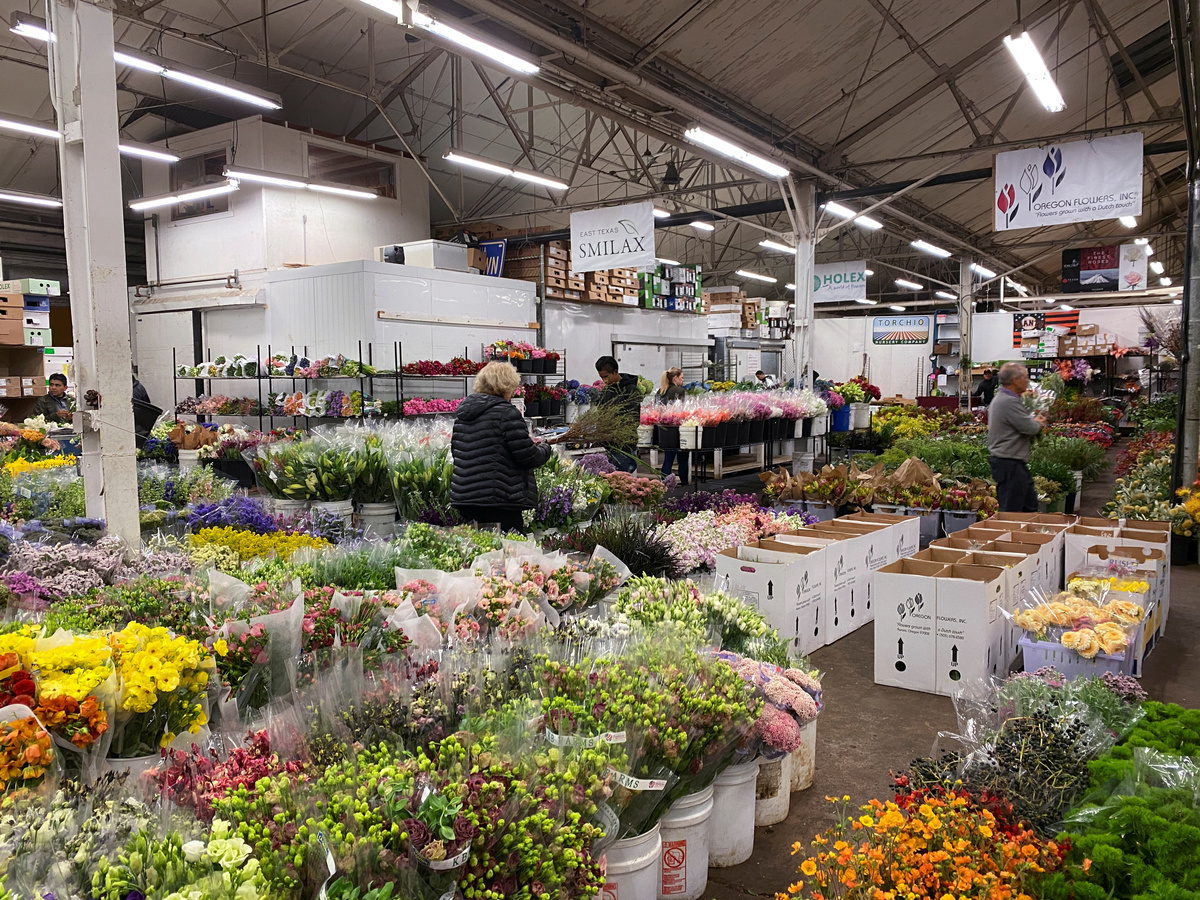
Darrell Torchio, the San Francisco flower market's second biggest vendor, says cancellations have snowballed in just one week to as much as 75% of his book. If that continues, he said, especially as wedding season ramps up in the spring, he would need to reduce the hours of his 18 employees, or close one day a week.
In the meantime, Torchio is cutting some costs by purchasing fewer flowers from farms up and down the West Coast, and from Holland, Italy, Japan and other countries.
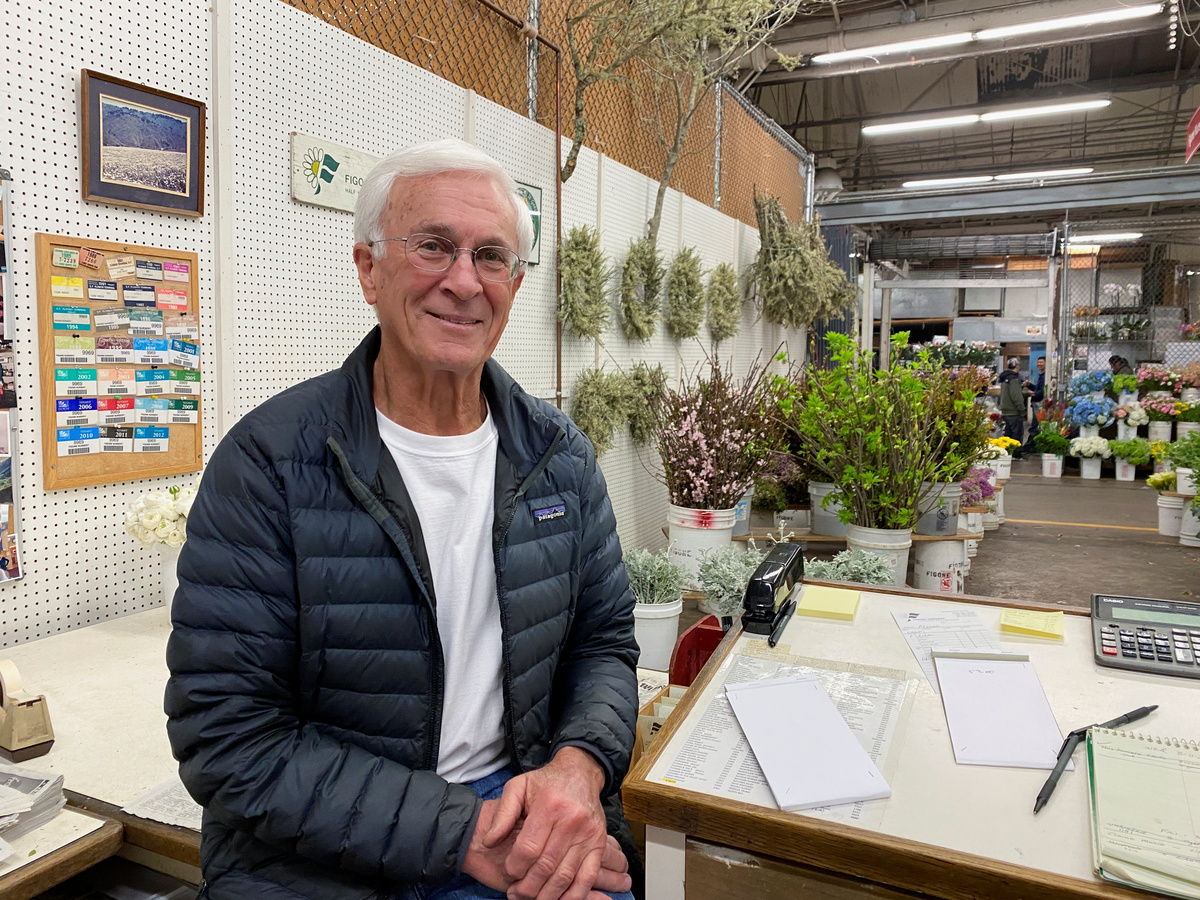
"This almost feels worse than in 2007-2008," Louie Figoni, who has sold flowers grown on his Half Moon Bay farm for the past 40 years. Demand fell so quickly that last Monday he had to consign 80 bunches of faded flowers to the compost bin, more than five times his usual.
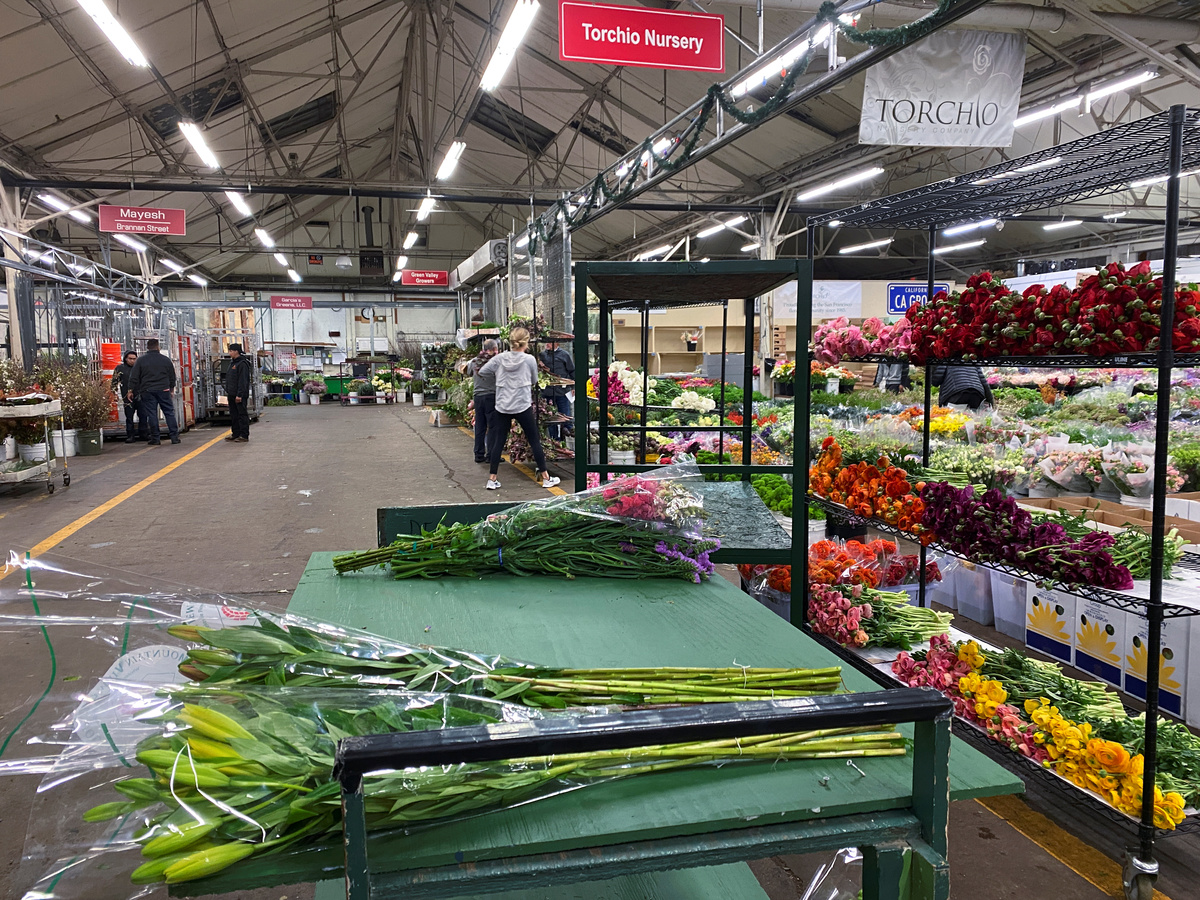
Even the red and white carnations, a mainstay at funerals, aren't selling, fellow vendor Guadalupe said. "It's bad."
(Reporting by Ann Saphir; Editing by Heather Timmons and Grant McCool)