
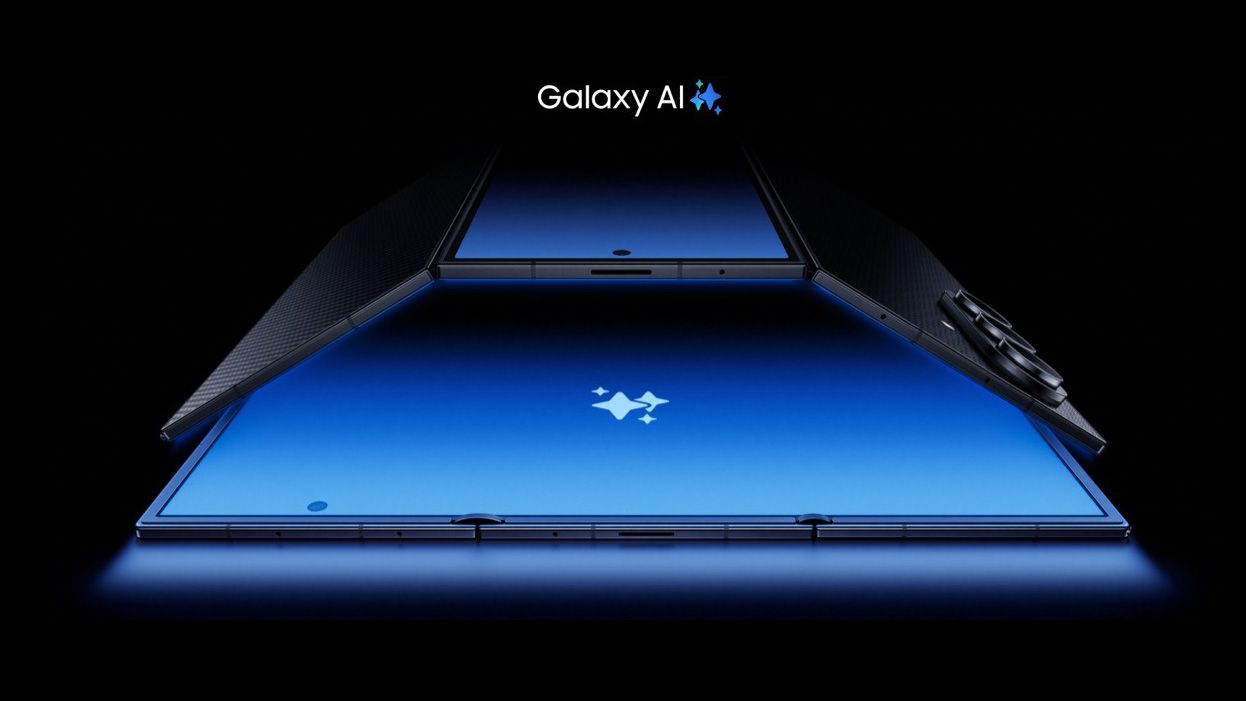
Samsung’s next Galaxy Fold and Flip phones look set to receive a new generation of foldable screen with reduced crease visibility and "a more refined foldable experience". Called Flex Titanium, the technology integrates two titanium-based components — a titanium-alloy film and a titanium plate — which are said to work together to balance slimness, flexibility, and strength within the foldable display structure.
Titanium is known for its excellent strength to lightness ratio. It's been used in demanding applications like satellite antennas and the wheels of a Mars rover. It also provides an ideal basis for Samsung's new display structure, as it ensures the screen will withstand external shock and be flexible enough to endure repeated folding, while also being thin enough to be practical for a foldable device.
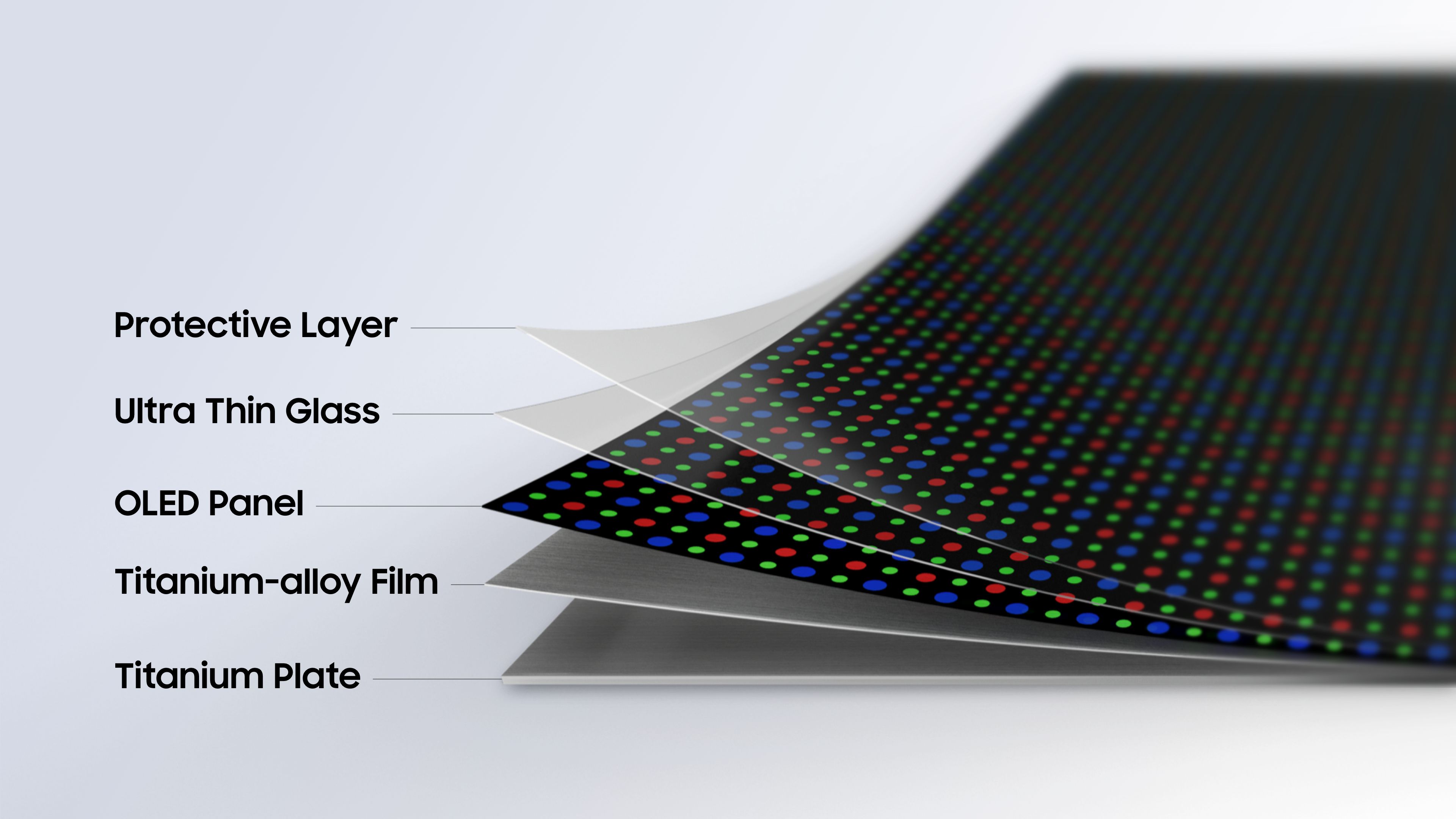
The drawback to using titanium in a folding application is the material's stiffness - it doesn't want to bend! To solve this rather fundamental issue, Samsung has integrated titanium in two key components: a titanium-alloy film and a titanium plate. The titanium-alloy film supports the display from within, sitting below the OLED panel. Compared with a conventional polymer film, titanium provides 20 times greater mechanical stiffness. It's also thin - really thin - measuring roughly one-third the thickness of an average human hair, enabling a slimmer-overall display panel.
Below the titanium-alloy film sits a robust titanium plate; a flexible structure that provides stable support underneath the display when unfolded, while retaining the flexibility needed to accommodate repeated folding. The new tech is said to display deliver ultra-vivid display resolution with reduced power consumption, thereby delivering a dramatic boost in overall power efficiency.
Flex Titanium technology will debut with Samsung’s next-generation Galaxy foldable devices: the Z Fold 8 and Z Flip 8, which will be revealed at the next Galaxy Unpacked event on July 22, 9am EDT.