

Samsung's best foot forward
Samsung's upcoming Galaxy S26 Ultra will undoubtedly be one of the best Android flagships in 2026. Leaks point to a slimmer and lighter design, new display tech, improved performance, and maybe even better cameras.
Pros
- Privacy Display feature looks promising
- New design should make it more ergonomic
- Will be supported for a long time
- Could have native Qi2 charging with built-in magnets
- Will have Snapdragon 8 Elite Gen 5 SoC
Cons
- Price could increase
- S Pen might ditch Bluetooth again
The power of two
The Xiaomi 17 Pro Max is basically a foldable — that doesn't fold. It has a massive Razr-Ultra-like display around the rear cameras that doubles as a viewfinder or a place to use widgets for calls, music, and more. It's pricey, but not as much as what the S26 Ultra might cost.
Pros
- Wild dual-screen functionality for a candy-bar phone
- Impressive main display
- Flagship Qualcomm chip
- Triple 50MP rear cameras
- Massive battery with very fast charging
Cons
- Only available in China (for now)
- Long-term OS upgrades not as lengthy as Samsung
We're all excited to see what Samsung is going to do with the upcoming Galaxy S26 Ultra. Thanks to various leaks and rumors, we have a rough idea of what to expect. What has me most excited, though, is not the new processor or the cameras, but the new design. If all goes well, we should finally get a Galaxy Ultra phone that has proper ergonomics for daily use. Samsung has a strong contender from China in the form of the Xiaomi 17 Pro Max.
This is technically the first phone to ship with the latest Qualcomm Snapdragon 8 Elite Gen 5 chip, but it is not available globally yet. The most interesting thing about it is the giant display on the back of the phone, which opens up new and interesting ways of interacting with your apps and content. We expect the 17 Pro Max to be available in more countries, apart from China, by the time the Galaxy S26 Ultra launches, and this makes it yet another strong competitor.
If you're wondering which is the better phone between the Samsung Galaxy S26 Ultra vs. Xiaomi 17 Pro Max, we've got you covered.
Samsung Galaxy S26 Ultra vs. Xiaomi 17 Pro Max: Design and display
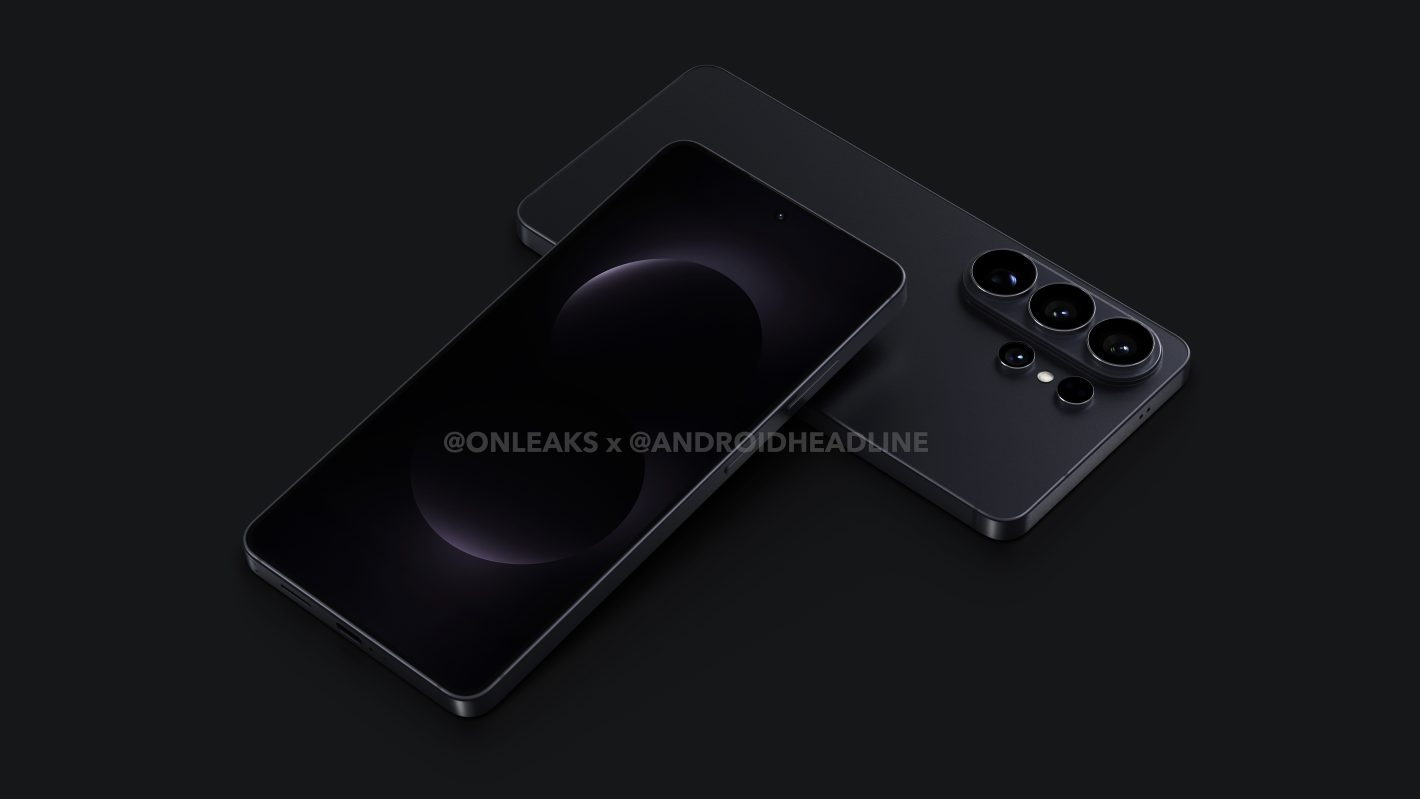
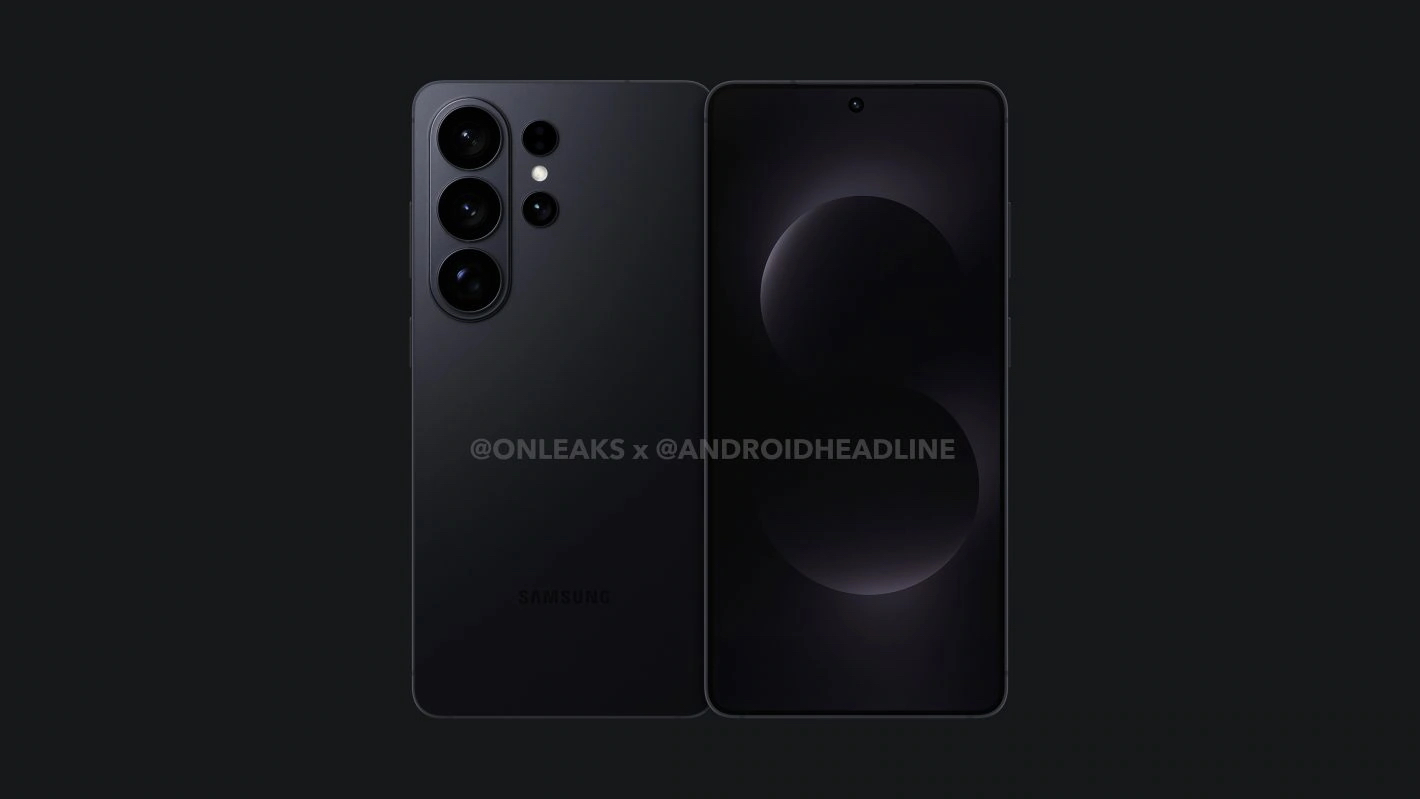
The Samsung Galaxy S26 Ultra's new design looks very interesting. It's not so much the camera placement that's changing but the ergonomics of the phone. The curvier corners should make it a lot more pocketable and easier to use with one hand. A more recent leak hints that the new weight of the Ultra is expected to be 214 grams. This is four grams lower than the S25 Ultra and five grams less than the Xiaomi 17 Pro Max. The thickness is also expected to be 7.9mm, which is just a smidge below the 8mm of the Pro Max.
We don't know if Samsung will increase the size of the display, but it should be at least 6.9 inches like the current model. You can also expect a new Privacy Display feature, which could be the “Flex Magic Pixel” technology we've heard of before. The anti-reflective coating should also make a comeback, making it one of the best flagship displays for 2026.
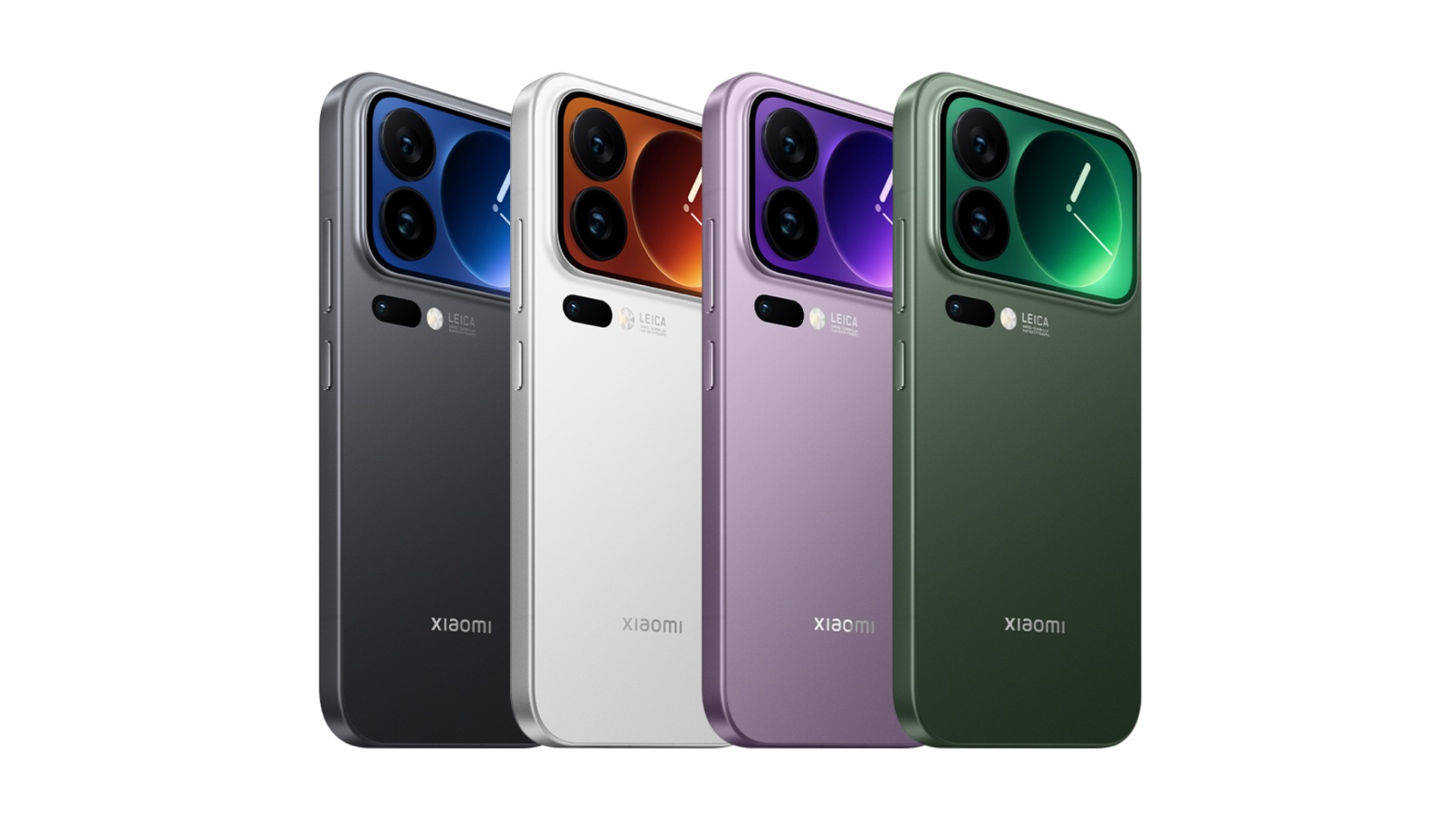
The Xiaomi 17 Pro Max is a larger sibling of the 17 Pro and, as the name suggests, gets a larger display and bigger battery. The main screen measures 6.9 inches with a 2,608x1,200 resolution and a 120Hz LTPO AMOLED display. Peak brightness is an impressive 3,500 nits, and the screen is protected by Xiaomi's Dragon Crystal Glass 3. What's more impressive is the rear 2.9-inch LTPO AMOLED that carries the same peak brightness and 120Hz refresh rate. It also supports Dolby Vision playback, which is unique.
The 17 Pro Max is a large phone too, weighing 219 grams, and is nearly as slim as the Galaxy. Xiaomi has given it an IP68 rating, which is something we're also expecting for the S26 Ultra (if not better). Apart from having a display on the back of the phone, the design is pretty standard with a metal and glass construction, and flat sides with curved edges.
Samsung Galaxy S26 Ultra vs. Xiaomi 17 Pro Max: Performance and specs
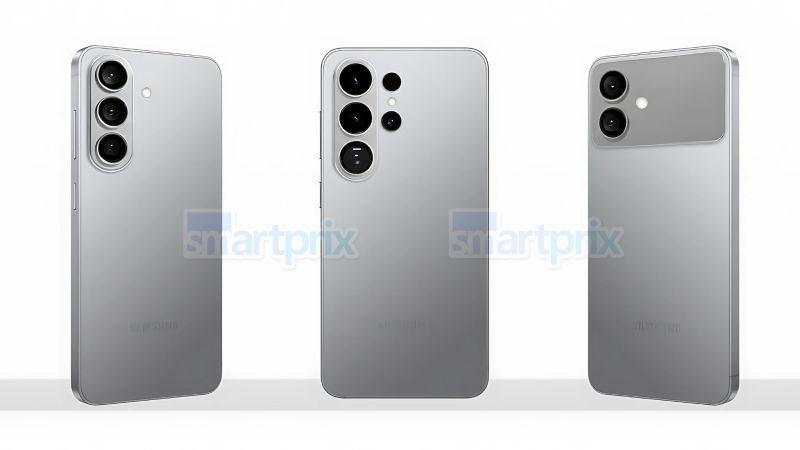
The Galaxy S26 Ultra is only expected to arrive in early 2026, and prices should start at $1,299.99 or be $100 more if the price hike rumor turns out to be true. In any case, this is going to be a much more expensive smartphone than the Xiaomi 17 Pro Max. Keep in mind that this is just the base pricing, which means if you want to get 512GB or 1TB of storage, be prepared to pay up to $1,800.
We don't know this for sure yet, but the Samsung Galaxy S26 Ultra should use a custom version of Qualcomm's Snapdragon 8 Elite Gen 5 SoC, just like previous generations. Benchmarks should be slightly better than what the 17 Pro Max can put out, but we'll have to wait and see. The phone should also come with at least 12GB of RAM and up to 1TB of storage. We should also hopefully get the latest UFS 4.1 storage type for quicker read and write speeds.
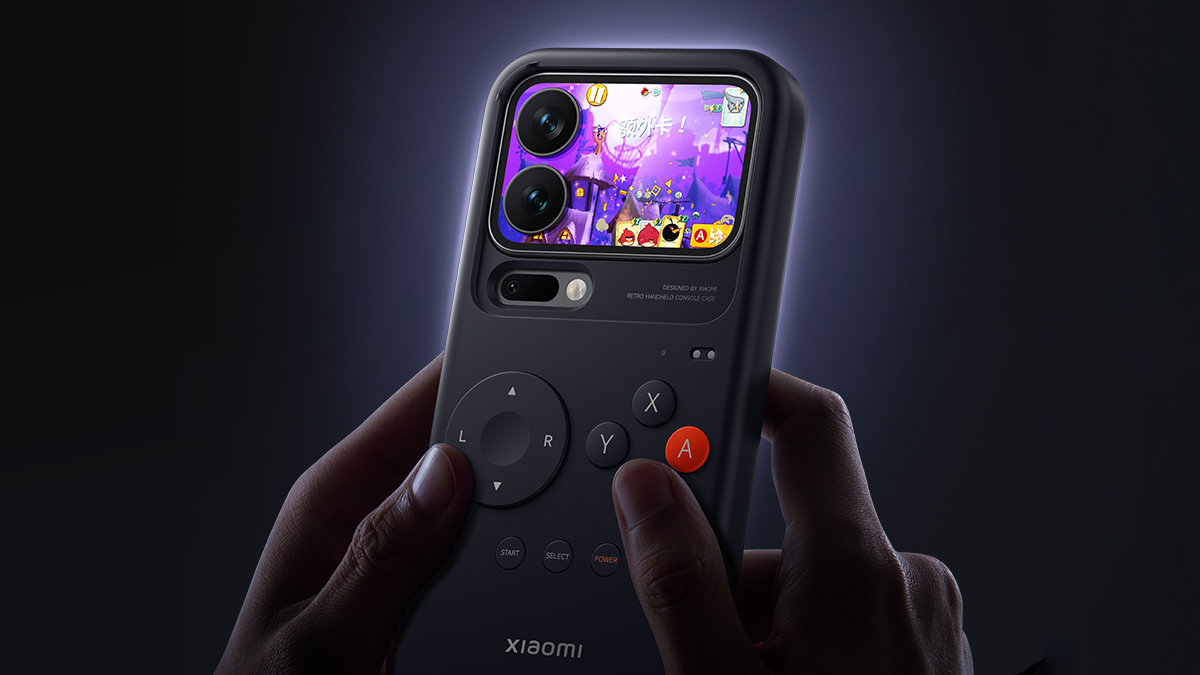
The Xiaomi 17 Pro Max hasn't launched globally yet, but converting the China price of 5,999 Yuan gives us roughly $840. Even with taxes, it should be under $1,000 when it does eventually launch. It comes in Black, White, Purple, and Green. The Pro Max is powered by the Snapdragon 8 Elite Gen 5 chip and comes with 12GB or 16GB of RAM. Storage starts at 256GB and goes up to 1TB.
Battery capacity of the Xiaomi 17 Pro Max is one area where the Galaxy S26 Ultra can't possibly compete. It has a 7,500mAh battery, which is even larger than that of the OnePlus 15. The Pro Max gets really quick charging of 100W wired and 50W wireless. It can even do 22.5W reverse wireless charging, which is simply bonkers. The Galaxy S26 Ultra is expected to have the same 5,000mAh battery capacity, but we could see a bump in charging speed up to 60W.
There's no mention of Qi2 charging on the 17 Pro Max, but the Galaxy S26 Ultra should definitely support it.
Category |
Samsung Galaxy S26 Ultra (rumored/expected) |
Xiaomi 17 Pro Max |
|---|---|---|
Display |
6.9-inch QHD+ AMOLED, 120Hz Adaptive Refresh Rate, Privacy Display |
6.9-inch LTPO AMOLED, 120Hz Adaptive Refresh Rate, 3,500 nits peak brightness (main display); 2.9-inch LTPO AMOLED, 120Hz refresh rate, up to 3,500 nits peak (rear display) |
Processor |
Qualcomm Snapdragon 8 Elite Gen 5 for Galaxy |
Qualcomm Snapdragon 8 Elite Gen 5 |
RAM |
12GB / 16GB |
12GB/ 16GB |
Storage |
Up to 1TB UFS 4.0 (or UFS 4.1) |
256GB/ 512GB / 1TB |
Rear Camera 1 |
200MP, f/1.7, 24mm (wide) |
50MP, f/1.7, 23mm (wide) |
Rear Camera 2 |
10MP, f/2.4, 67mm (telephoto) |
50MP, f/2.4 (ultrawide) |
Rear Camera 3 |
50MP, f/3.4 (periscope telephoto) |
50MP, f/2.6 (periscope telephoto) |
Rear Camera 4 |
50MP, f/1.9 (ultrawide) |
|
Front Camera |
12MP, f/2.2 |
50MP, f/2.2 |
Ingress Protection |
IP68 or IP69 |
IP68 |
Connectivity |
5G (sub-6GHz, mmWave), Wi-Fi 7, UWB, Bluetooth 6.0 |
5G (sub-6GHz), Wi-Fi 7, Bluetooth 5.4 |
Battery |
5,000mAh |
7,500mAh |
Charging |
60W, Qi 2.2 Magnetic Compatibility w/ 25W wireless speeds |
100W wired, 50W wireless |
Dimensions |
163.4 x 77.9 x 7.8 mm |
162.9 x 77.6 x 8 mm |
Weight |
214 grams |
219 grams |
OS |
One UI 8.5 w/ Android 16 |
HyperOS 3, Android 16 |
The Xiaomi 17 Pro Max runs HyperOS 3 based on Android 16. While the Pro Max will ship with it, Xiaomi also began rolling out this update to its other phones, starting with the Xiaomi 15T and 15T Pro in October 2025. Apart from the visual overhaul, HyperOS 3 promises a smoother UI, new animations, and a cleaner homescreen with flexible layouts. We should know more about how many years of OS upgrades it will get once we have a global launch of this phone.
The Samsung Galaxy S26 Ultra will most likely run the latest version of One UI with Android 16. You should also expect exclusive features to debut with this phone in terms of tools, AI features, and for S Pen usage. Depending on whether these software features are hardware-dependent or not, older Ultra models should also get some of them.
Samsung Galaxy S26 Ultra vs. Xiaomi 17 Pro Max: Cameras
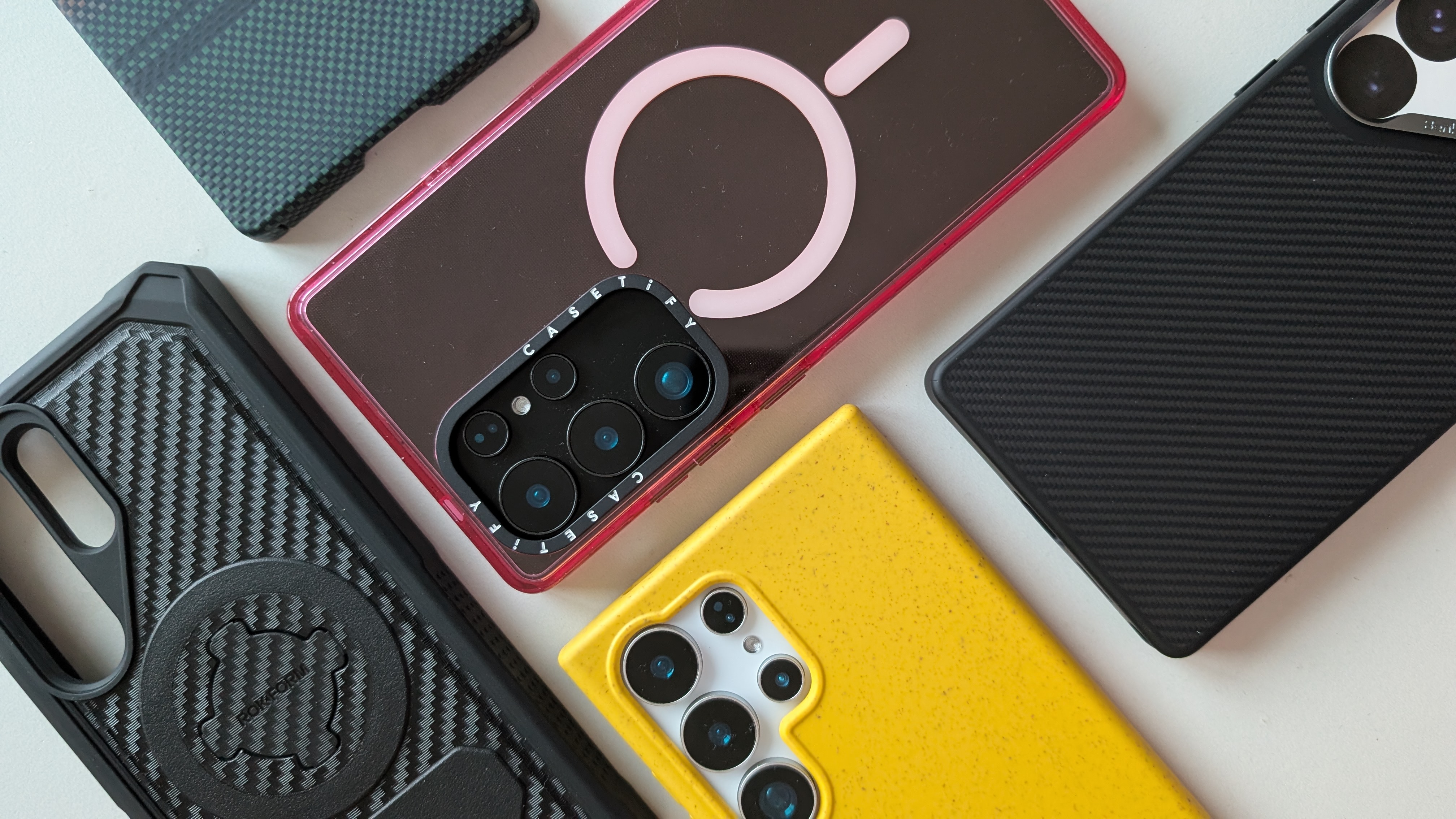
There haven't been any solid leaks about the Galaxy S26 Ultra's camera system, so expect minor changes, if any. The most recent rumor is that Ultra might feature a larger display cutout for the selfie camera so as to give you a wider field of view. The hardware, on the other hand, is expected to either remain the same or get minor tweaks. The same goes for the rear cameras.
Considering how the Galaxy S25 Ultra already had a pretty solid camera system to begin with, Samsung probably didn't feel the need to make any major changes. Four camera sensors on the back are a given, with two sensors dedicated to zoom.
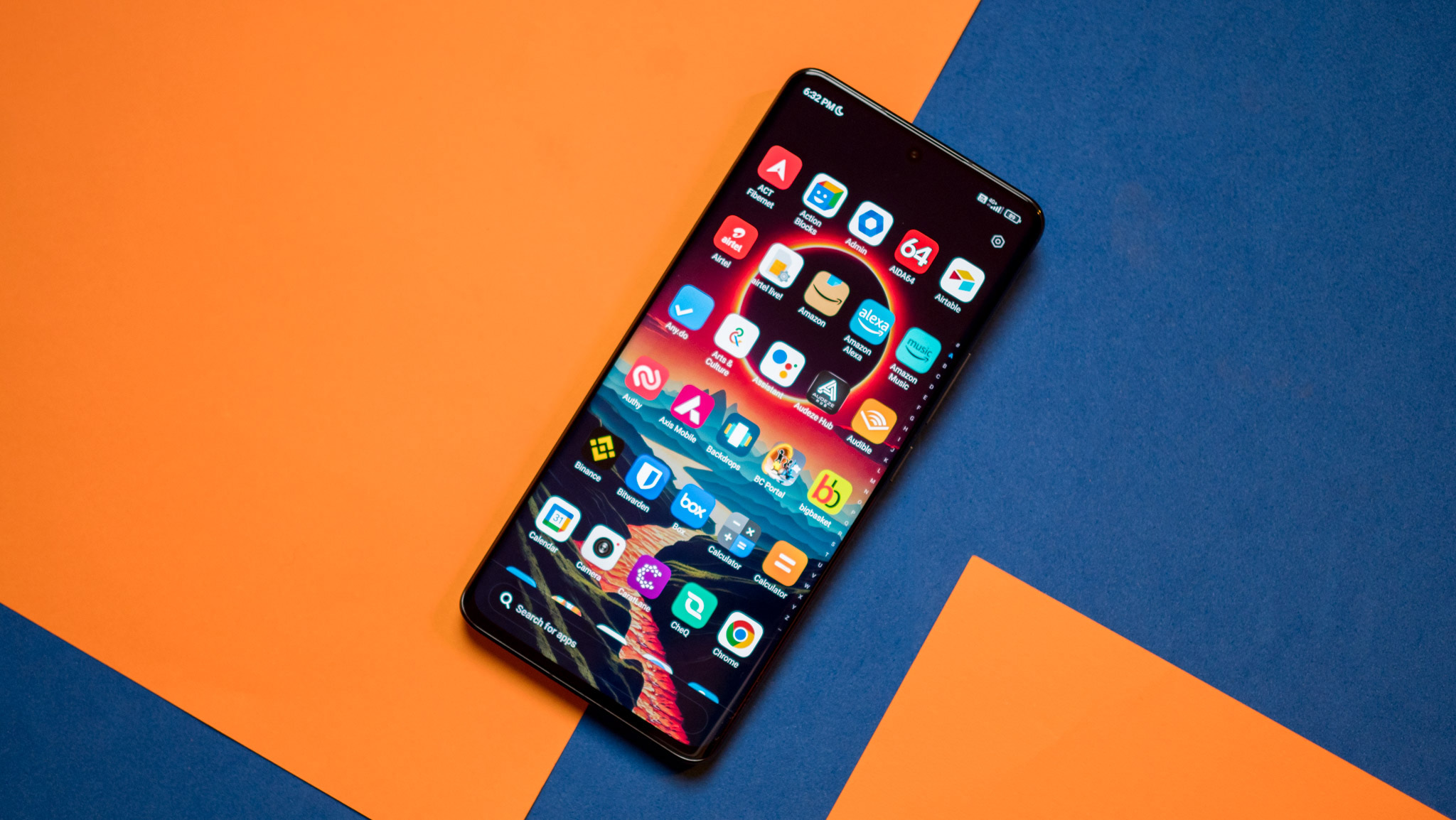
The Xiaomi 17 Pro Max has an impressive array of 50MP sensors on the back and on the front. It has one telephoto camera less than the Galaxy S26 Ultra, but its 50MP sensor can do 5x optical zoom. It's still early to talk about how good these cameras will be, but based on past trends, they should be more than enough for everyday photography. Xiaomi's current best camera phone is the Xiaomi 15 Ultra, and I believe there should be a Xiaomi 17 Ultra that will soon take its place sometime in 2026.
Samsung Galaxy S26 Ultra vs. Xiaomi 17 Pro Max: Which one should you buy?
If you're sold on the novelty of having a second display on the back of your smartphone, the Xiaomi 17 Pro Max might be worth a look. Global availability is currently bleak, but that should change soon. It should be cheaper than the Galaxy S26 Ultra, but be sure to double-check 5G compatibility with your carrier, especially if you're in the U.S..
For most buyers, though, the Samsung Galaxy S26 Ultra makes more sense. It will be much easier to buy globally, which means you'll have better after sales support, something that's crucial and is often overlooked. While it won't have the head-turning feature of the Xiaomi, it will get more years of software updates, and it has the S Pen. Samsung's GalaxyAI features have also gotten pretty good, and we should have some new on-device tools to play with in the new Ultra, making it one of the best Android phones of 2026.
The future is coming soon
While we wait for Samsung to unveil what the Galaxy S26 Ultra will bring, the rumors and leaks paint an interesting picture. It should definitely be worth the wait if you've skipped the past few Ultras.
Wildly different
If you're looking for new and interesting ways of using a large-screened flagship, Xiaomi has a wild new idea with the 17 Pro Max. The rear display has equally good specs as the main one, but limited global availability is a problem right now.