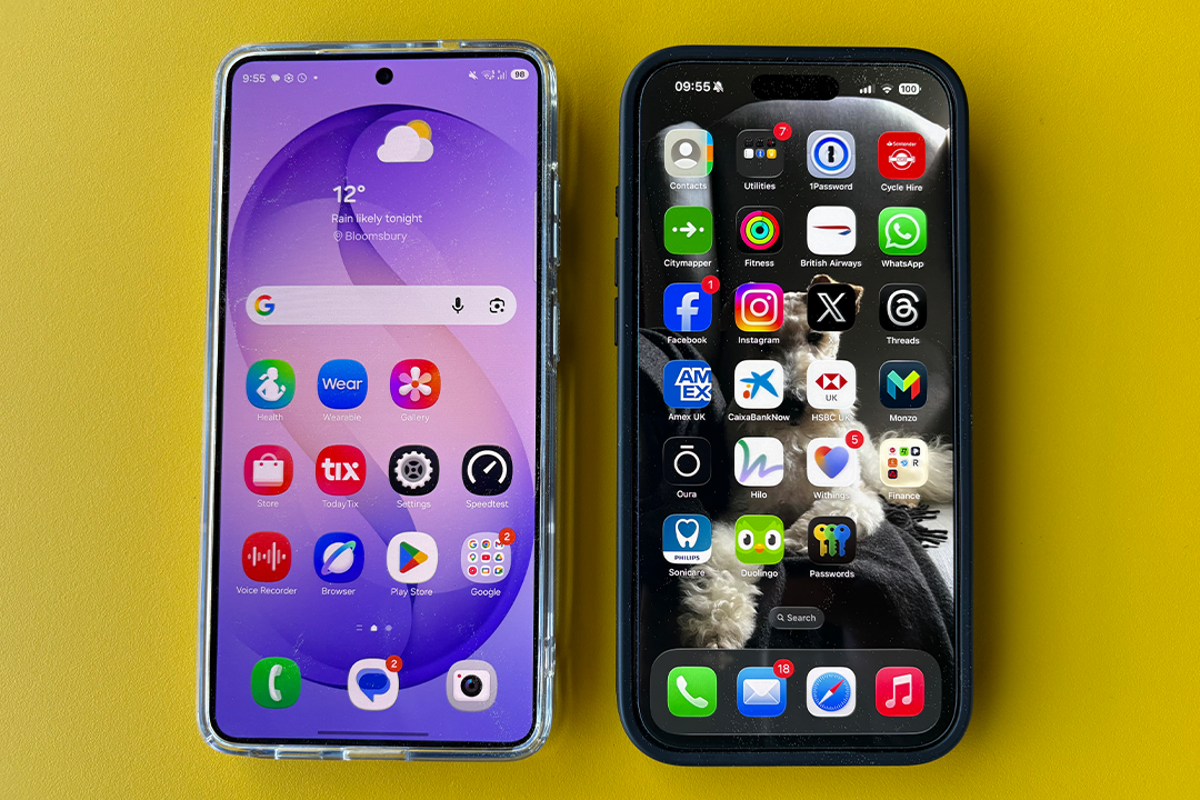
Samsung’s Galaxy S26 Ultra has recently gone on sale and has drawn a lot of attention for its slick design and cool new features that rival Apple’s most premium smartphone, the iPhone 17 Pro Max, which landed last September.
These two latest models represent the most advanced handsets from their respective brands. Both phones are packed full of features, have top-notch cameras and come with large displays (and price tags to match).
Having already compared the iPhone 17 Pro and Pro Max, here, I’ve examined the iPhone 17 Pro Max against the new Samsung Galaxy S26 Ultra, to find out which premium device is truly worth your money.
From design and performance to battery life and AI wizardry, I’ve put both phones through their paces. Keep scrolling for all the details and my full verdict on which device you should buy.
Read more: The best wireless chargers, tried and tested
How I tested
I’ve been using each of these phones since they were announced, getting my hands on the handsets before their official launch dates. For both, I considered the following criteria.
- Setup and use: I’ve checked the ease of setup, including transferring data from an older phone. In use, I’ve looked into how intuitive the operating system on each model is, considered the range of apps available, and tested how good each handset was for everything from taking photos to making phone calls.
- Features: I’ve checked out new features, including artificial intelligence specialities, to see how well they worked and how useful they might be.
- Battery life: This remains a key element. Would the phones get through a day without the level getting low enough to make me anxious?
Samsung Galaxy S26 Ultra
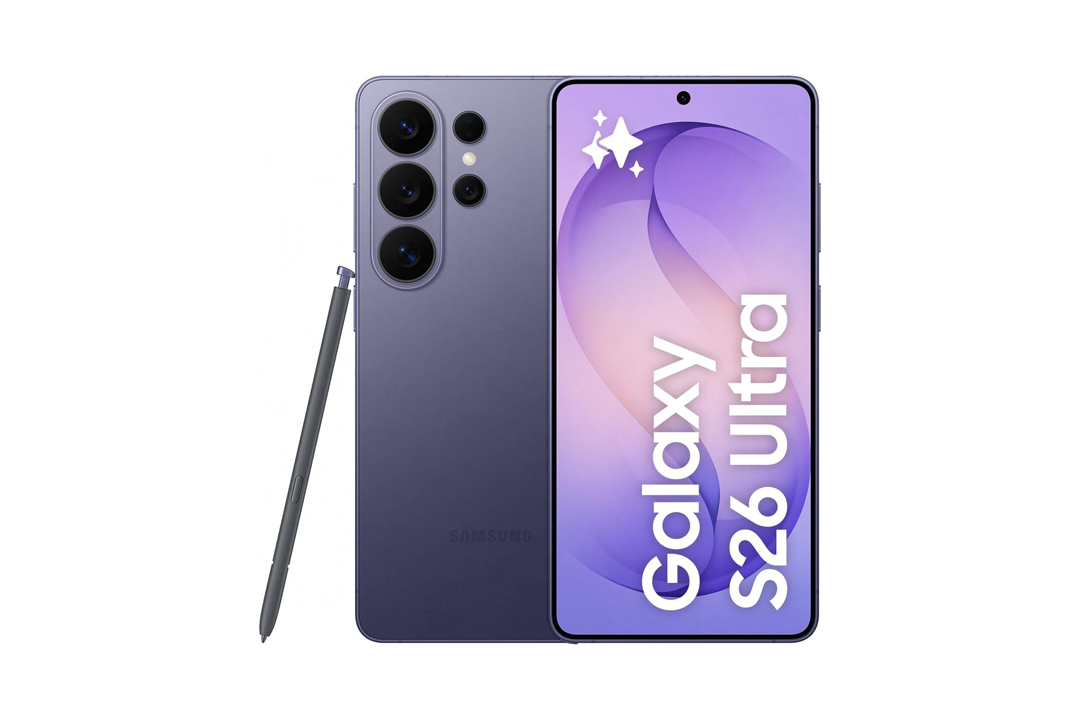
While the Samsung Galaxy S26 Ultra doesn’t reinvent the wheel, it improves almost everything that already worked. It boasts faster performance, excellent cameras and AI features that you’ll actually use. The star of the show is the privacy display, adding something new to a smartphone that you’ll use on the commute, stopping nosey shoulder surfers.
Buy now £1279, Amazon.co.uk
Apple iPhone 17 Pro Max
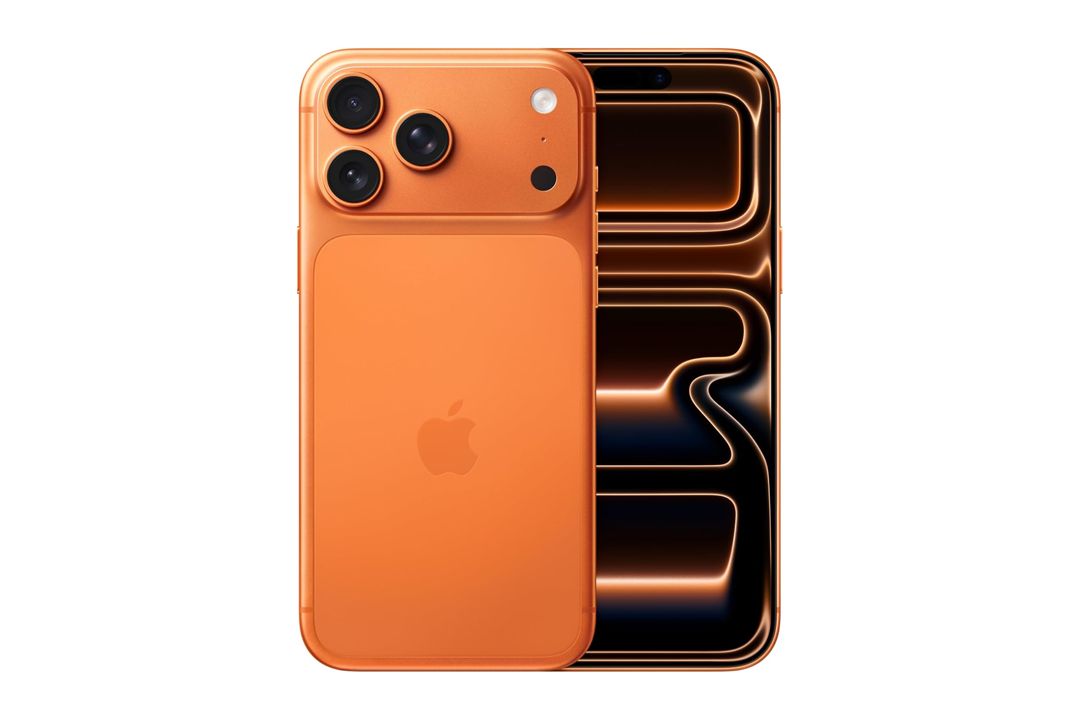
The Apple iPhone 17 Pro Max is Apple at its finest. It combines outstanding cameras, class-leading performance and the best battery life the company’s ever delivered in a single device. The move to a new unibody design and aluminium frame gives it a fresh feel, while still keeping that premium, polished finish.
Buy now £1199, Amazon.co.uk
Samsung Galaxy S26 Ultra vs Apple iPhone 17 Pro Max: Price
Both of these phones are top-of-the-range, so it’s no surprise that they’re expensive. Apple’s phone costs £1,199 while Samsung’s is £80 more at £1,279. That’s for the model with 256GB storage in each case. You can spend more by adding extra storage. In the case of the iPhone, you could save £100 by switching to the smaller iPhone 17 Pro.
As you may know, there’s a shortage of components such as memory chips, which may have contributed to the price increase from Samsung – it’s £30 more than last year’s Galaxy S25 Ultra.
Samsung Galaxy S26 Ultra vs Apple iPhone 17 Pro Max: Design
There are plenty of things to love about both these phones in terms of how they look and feel. Both have aluminium bodies, which helps to keep down the weight on big phones like these. The iPhone weighs 231g, while the Galaxy is a little lighter at 214g.
Last year, the iPhone 16 Pro Max and Galaxy S25 Ultra had titanium frames, but both companies have since switched their designs to aluminium, not least because it is better for dispersing heat, which helps with performance and means they won’t turn into hand warmers if you’re playing games on them for the duration of your morning commute.
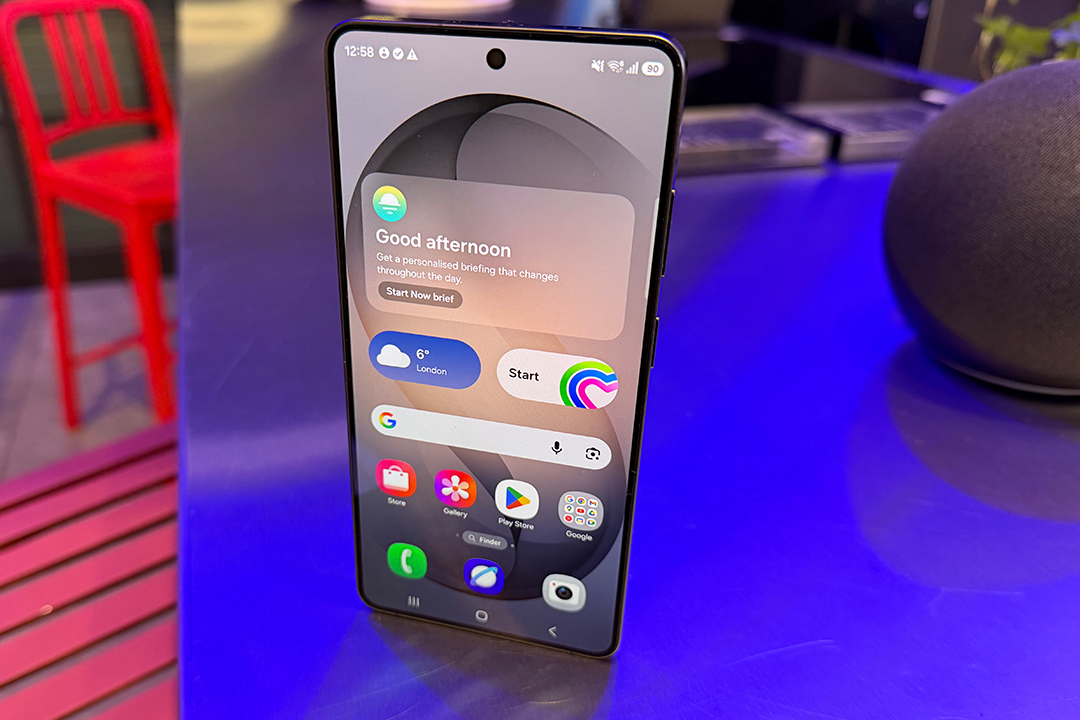
Assuming your mitts are big enough to accommodate their generous size, both phones feel good in the hand. Samsung says this is its thinnest-ever ultra model, and there’s not much in it between it and the iPhone 17 Pro Max. However, the 7.9mm thickness of the Samsung may feel more comfortable than the iPhone’s 8.75mm. Realistically, you’ll probably put the phone in a case so that will add to the thickness anyway.
Despite their similarities, there’s one design feature that the iPhone has and the Galaxy doesn’t: magnets for better wireless charging. Both phones can be put on wireless charging pads for convenience, but the iPhone has a ring of magnets that snaps the phone into place. For the Galaxy, you’ll need a third-party case or you’ll have to take care to place the phone exactly right. On the iPhone, this is called MagSafe and it’s a feature I can’t do without.
The Galaxy has something else unique, though: a slim stylus called the S Pen, which slots into the base of the phone and can be used for everything from scribbling notes to triggering the camera shutter button. It’s thought the S Pen prevents the magnet ring being installed.

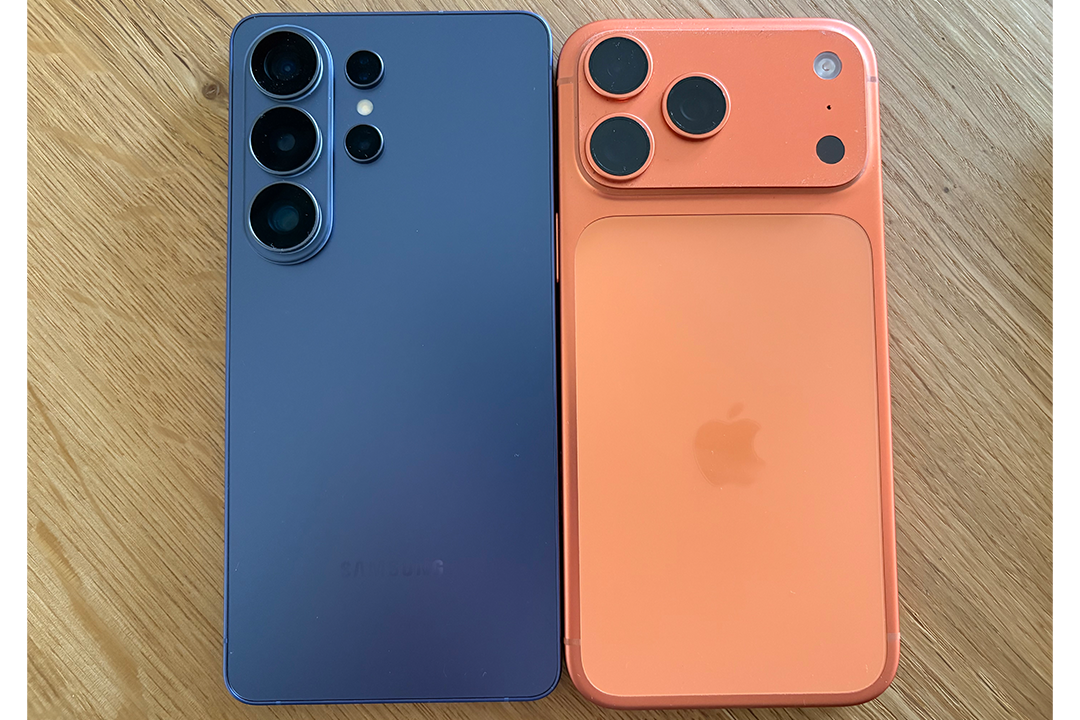
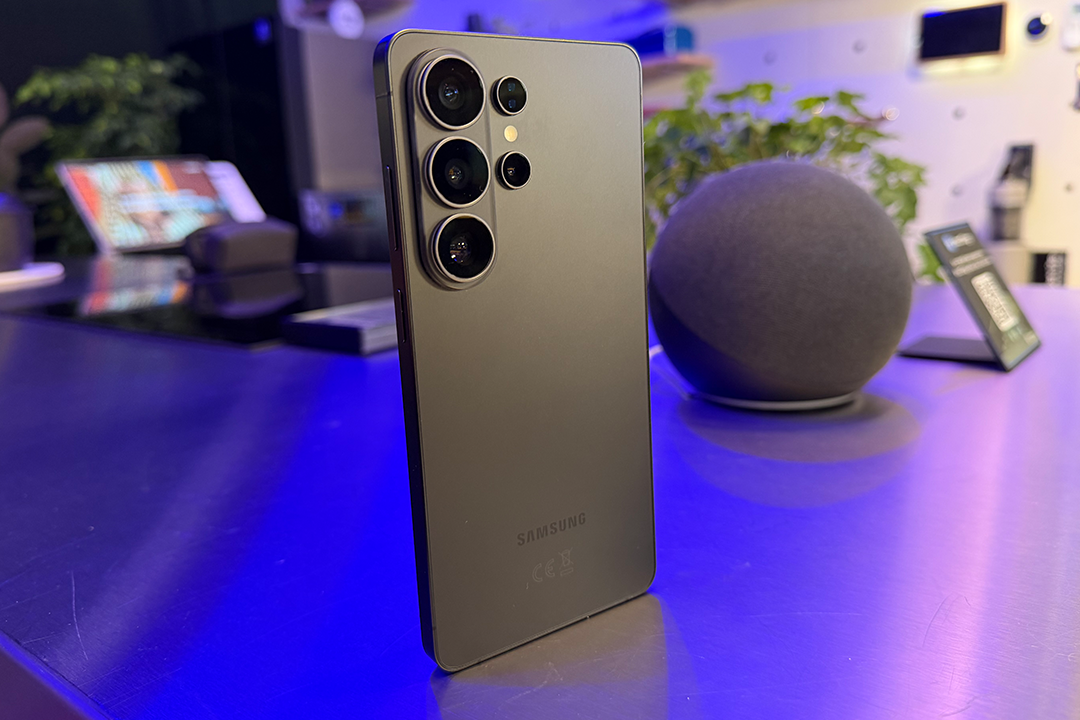
In other ways, the phones have a lot in common: both have full-screen fronts (both displays measure 6.9in) and backs that are dominated by cameras. The Samsung’s vertically placed trio of lenses, with another series of sensors next to them, are in contrast to Apple’s triangle of cameras with flash further across. Both have lenses that sit on raised camera panels, making the top of the phone thicker than the bottom.
When you lay each of the phones on the table, you become aware that neither of them lies flat. Both will wobble back and forth if you’re typing on them or pressing on the display. But this is much more noticeable on the Samsung, as the iPhone’s camera plateau stretches the width of the phone, while Samsung’s is in one corner. Again, a case can reduce the impact of this.
There are more colourways available for the Samsung: black, white, sky blue and cobalt violet are central to the range. There are also two more options exclusive to Samsung’s website: silver shadow (a favourite of mine) and pink gold.
The iPhone 17 Pro and Pro Max come in three colours: deep blue, silver and cosmic orange, which is an attractive, eye-catching shade.
Talking of colours, the iPhone has a two-colour back with the lower half a different colour to the top half, as the lower part is made of glass. Not everybody likes this two-tone effect.
Samsung Galaxy S26 Ultra vs Apple iPhone 17 Pro Max: Display
Both these phones have spectacularly good screens, with 120Hz refresh rates to ensure a smooth experience when you’re scrolling through menus at speed. They’re both dynamic displays so they can also take the refresh rate right down when static content is displayed. This saves battery and enables an always-on display, so you can see the time and other notifications without having to touch the phone, for instance. The always-on display on the iPhone is especially good.
Samsung’s display has a smaller cut-out at the top of the phone, where the front camera peeps out. The iPhone’s cut-out is bigger and comes with something called Dynamic Island, which cleverly rearranges what’s on screen to offer extra information, such as showing album art for the track that’s playing or flight details for today’s trip, say.
Samsung, by contrast, has a feature called the Now Bar, which serves current information. One new item this year is Now Nudge, which we’ll come to shortly. Both these screens look great. They are detailed and colourful, though the Galaxy sometimes looks brighter compared with the subtler iPhone.
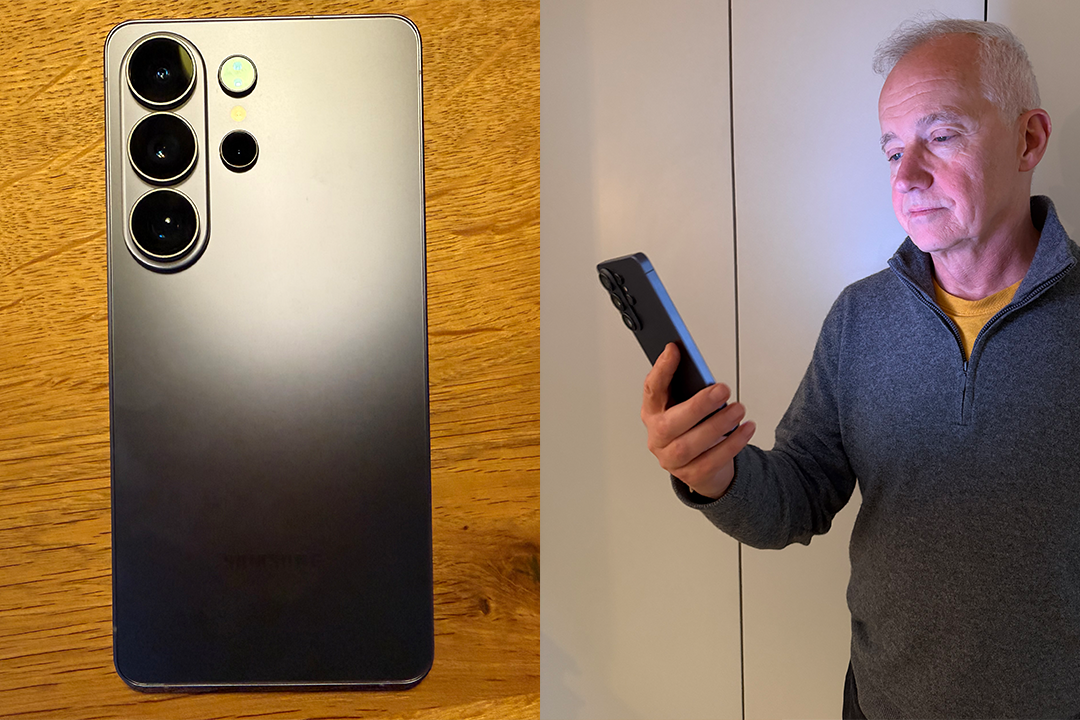
The biggest innovation in several years, however, is Samsung’s privacy display on the Galaxy S26 Ultra. If you’ve ever been aware of someone reading your phone screen over your shoulder (or you’ve done the peeping yourself), you’ll know that privacy screen protectors offer a benefit. These take the form of physical films that reduce the angle at which the phone can be read, and they’re an all-or-nothing solution.
The privacy display on the Ultra is a clever alternative, which can be turned on and off with a couple of touches. It uses special pixels designed to throw their light in a narrow way, instead of the regular wider pixels all phones have, limiting the viewing angles. More than that, it works with the phone in landscape orientation, which stick-on films don’t.
Even better, you can set it to come on only when you want it – for instance, when you open a banking app. Or you can make it affect just part of the screen, so notifications such as texts are impossible for others to read but the rest of the screen looks normal. Only one phone, from any manufacturer, has this feature, and it’s the Galaxy S26 Ultra.
Samsung Galaxy S26 Ultra vs Apple iPhone 17 Pro Max: Cameras
Before I get to the image capabilities, the iPhone has a key difference: the camera control. This is a sophisticated hardware button that sits on the edge of the phone and makes it easier to snap photos or start recording video. Once you’ve got used to taking photos this way, you miss it when it’s not present in other devices.
For both phones you can take photos by tapping on the display or pressing one of the volume buttons.
Samsung and Apple devices have long been known for outstanding still and moving images. The Galaxy includes a 200MP sensor, while the three cameras on the iPhone have 48MP resolution. Both phones have systems that combine individual pixels together so they can draw in light more effectively. This enables them to create better photos in lower light.
The Galaxy has two telephoto cameras, one with 5x optical zoom equivalent, one with 3x, but the 3x sensor is less useful as it has lower resolution (10MP).
Samsung has improved the apertures on two of its cameras (the main and 5x telephoto) this time around, which makes for better images on each.
The iPhone has an 18MP front-facing camera, against Samsung’s 12MP one.
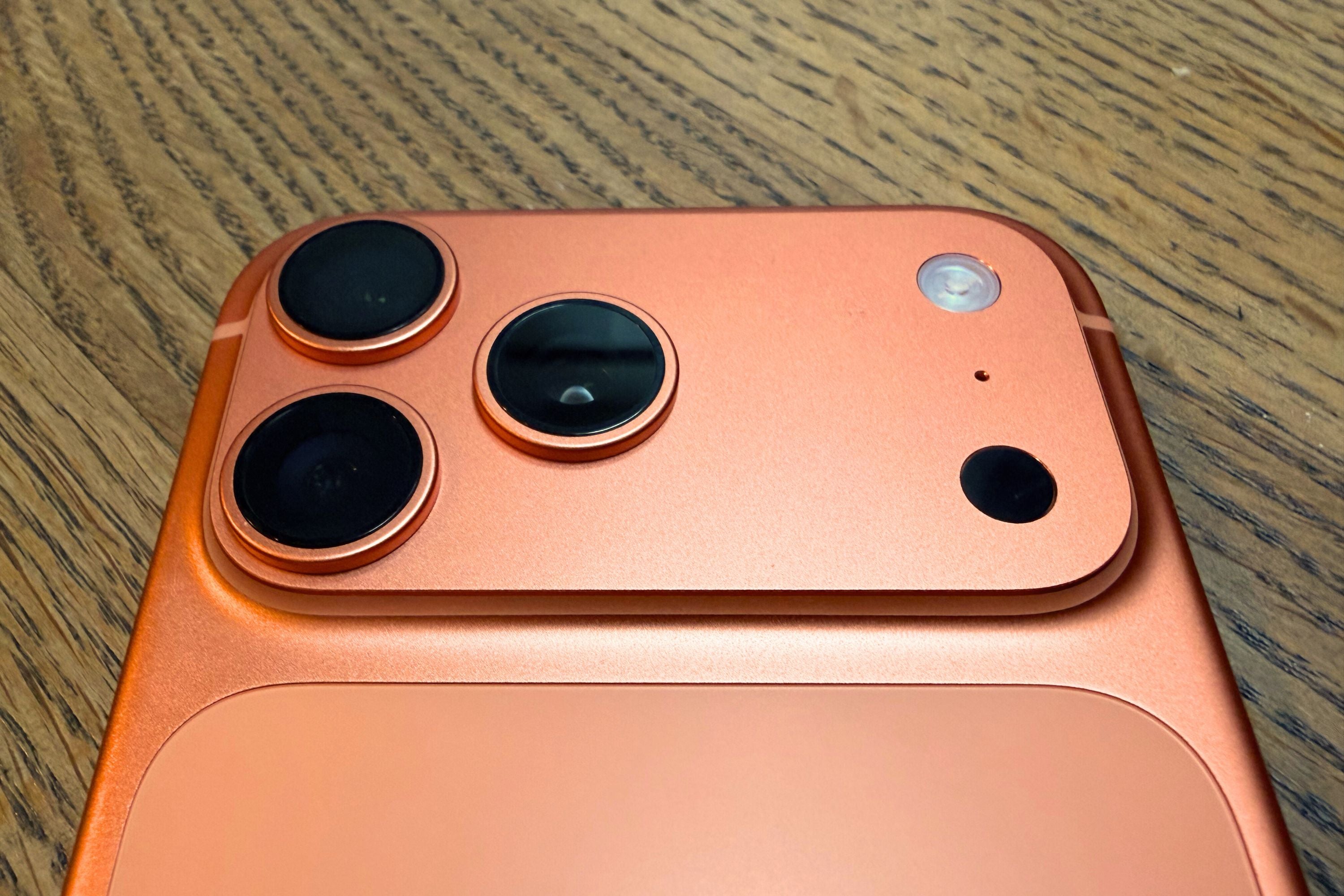
Apple’s has a clever trick: it’s a square sensor so you can take selfies in landscape orientation while still keeping the phone vertical. That may sound counterintuitive, but it makes for a much better image than holding the phone sideways.
Overall, it’s very hard to take a bad photo on either of these phones. Both take shots instantaneously with zero shutter lag. Both have advanced features available but also work perfectly when you point and shoot.
Apple’s images are better for colours that are subtler, and the Samsung occasionally delivers colours that are saturated. But neither will let you down.
For me, the iPhone edges it, thanks to that camera control feature, which is so useful and the way the images stay very true to the reality of the scene you’re shooting.
Samsung Galaxy S26 Ultra vs Apple iPhone 17 Pro Max: Features
Both phones are filled to the brim with cutting-edge features. Samsung has Now Nudge, which pro-actively offers up relevant stuff to you when it’s needed. For instance, it scans data on your phone so that if, say, someone texts you about photos taken recently, it can find them and suggest them to you – no need to change apps to find them.
Now Nudge is the latest of Samsung’s Galaxy AI features. For AI, Samsung is arguably ahead of Apple – though the iPhone will likely see a big uptick in capabilities in the coming months. For now, there are neat AI-powered features such as live translation (Samsung has this, too). Both phones also have software which can vet unknown numbers by asking the caller to state the reason for their call. And Apple has Hold Assist, which recognises when you’re on hold and jumps in to take your place until the human returns. You can put the phone down and it will call you back at that point.
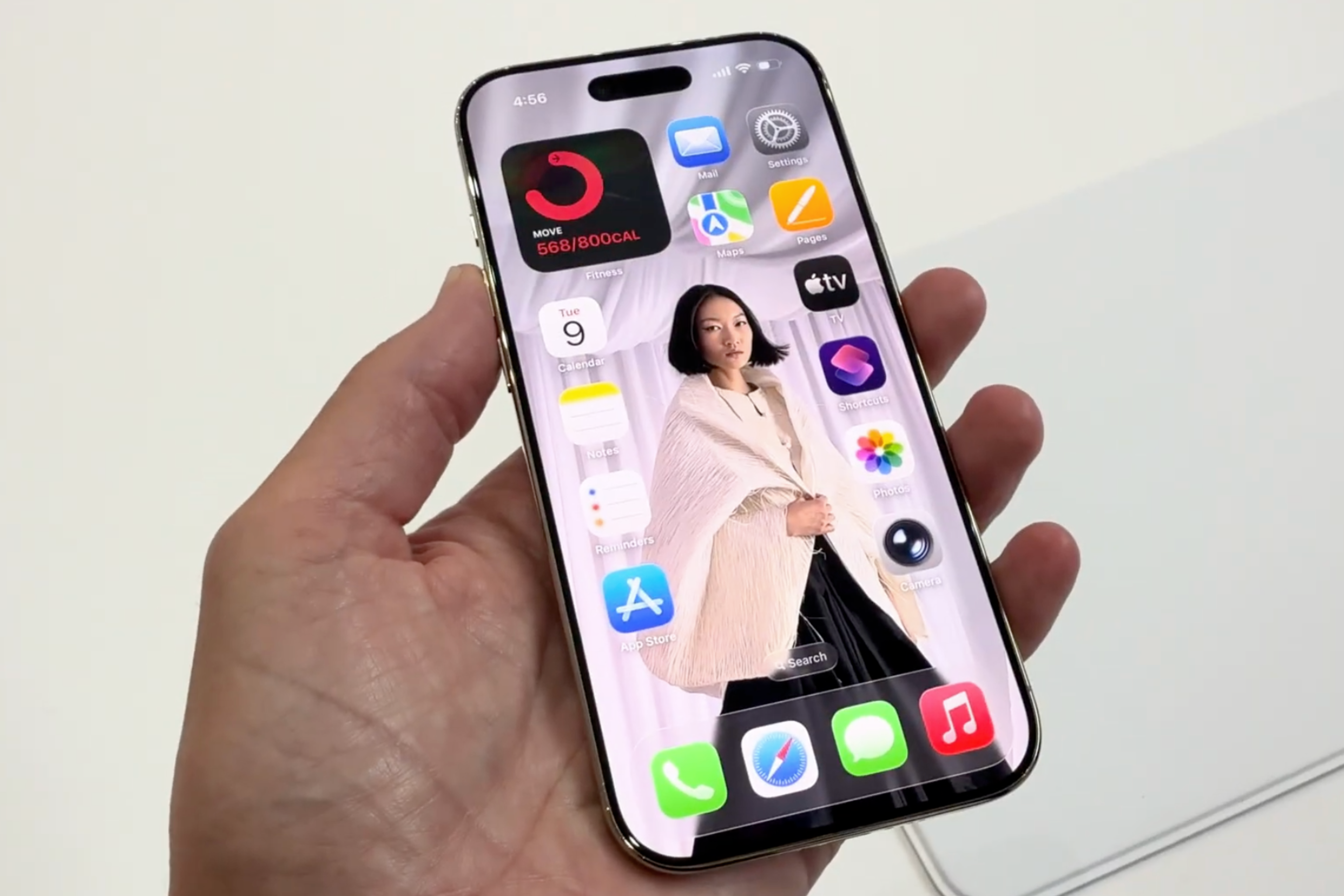
Apple introduced a strikingly different software design called Liquid Glass last September, which provides an attractive new interface.
If you have an iPad or Mac, the iPhone integrates with it seamlessly. Copy a chunk of text on the phone and when you press paste on the Mac, it will know you want the contents of the iPhone clipboard. You can even use your iPhone through the Mac. Apps are synced perfectly, so a note or calendar appointment made on the Mac is instantly on your iPhone. There is synchronisation between the Galaxy and other devices, such as a Samsung laptop, but it’s not quite as advanced.
Samsung Galaxy S26 Ultra vs Apple iPhone 17 Pro Max: Performance and battery life
The S26 Ultra has Qualcomm’s fastest processor yet, the Snapdragon 8 Elite Gen 5 for Galaxy, while the Apple phone has the Apple A19 Pro. The truth is that neither of these phones is ever slow. Both remain fast and snappy even when you’re gaming or using advanced productivity apps.
Some benchmarks show the Galaxy ahead, while tests for sustained performance have favoured the iPhone. In practice, there’s very little between the two models, as they’re both lightning-fast.
Both these phones are big, so there’s room for capacious, long-lasting batteries. The iPhone 17 Pro Max has the longest battery life of any Apple phone. Both breeze through a full day – the Max rarely has less than 30 per cent less on a regular day. The Samsung Galaxy S26 Ultra is also a full-day-and-more battery, though I found the Pro Max edged it during my tests.
Samsung Galaxy S26 Ultra vs Apple iPhone 17 Pro Max: Which one should you buy?
The reason it’s so hard to choose between these two phones is because they are the best of the best, with outstanding cameras, immaculate build quality, great-looking design, strong performance and battery life.
Then there’s the operating system. Android is currently better for AI, as is Samsung, but iOS on the iPhone is arguably easier to use. These are subjective judgements and, although they are similar, if you use Android you’ll find it easier to switch to the Samsung Galaxy S26 Ultra, while if you’re currently on an iPhone, then it’s a smoother transition to the iPhone 17 Pro Max.
You can’t go wrong with either of these phones but, for me, the iPhone 17 Pro Max edges it over the Samsung, because of its snappy looks and a solid roster of Apple’s own apps. The way the iPhone is perfectly synced with the other Apple products make life easier for Apple-users, too.
Best iPhone 17 Pro Max contract deals
- iPhone 17 Pro Max with 200GB of data: £52.99 per month, £29 up-front, 24-month contract, Mobiles.co.uk
- iPhone 17 Pro Max with 25GB of data: £49.99 per month, no up-front cost, 36-month contract, Tescomobile.com
- iPhone 17 Pro Max with 5GB of data: £52.75 per month, £50 up-front cost, 36-month contract, Three.co.uk
- iPhone 17 Pro Max with 1GB of data: £54.75 per month, £50 up-front cost, 36-month contract, Vodafone.co.uk
- iPhone 17 Pro Max with 5GB of data: £60.32 per month, £30 up-front cost, 36-month contract, EE.co.uk
Best Samsung Galaxy S26 Ultra contract deals
- Samsung Galaxy S26 Ultra with 50GB of data: £49.99 per month, no up-front cost, 36-month contract, Tescomobile.com
- Samsung Galaxy S26 Ultra with 200GB of data: £44.99 per month, £29 up-front, 24-month contract, Mobiles.co.uk
- Samsung Galaxy S26 Ultra with 15GB of data: £56 per month, £50 up-front cost, 36-month contract, Three.co.uk
- Samsung Galaxy S26 Ultra with 1GB of data: £57 per month, £50 up-front cost, 36-month contract, Vodafone.co.uk
- Samsung Galaxy S26 Ultra with 5GB of data: £68.83 per month, £30 up-front cost, 36-month contract, EE.co.uk
For more recommendations, check out our review of the iPhone Air