At first glance, a used truck from the Midwest or Northeast can look like a steal. The paint shines, the engine sounds strong, the interior smells clean, and the price feels almost too good to be true. But beneath that glossy exterior, there may be a slow-motion disaster hiding in plain sight.
Salt Belt rust isn’t loud, dramatic, or obvious at first—it’s sneaky, structural, and devastating over time. It doesn’t just make a truck ugly; it weakens the very skeleton that holds everything together. And for buyers chasing “great deals,” it’s one of the most expensive surprises in the used vehicle market.
The Salt Belt Isn’t Just a Map—It’s a Mechanical Death Zone
The Salt Belt refers to regions where winter road salt is heavily used to fight snow and ice, mainly across the Midwest and Northeast. That salt doesn’t just disappear when winter ends—it clings to metal, seeps into seams, and lives inside frame rails year-round. When salt mixes with moisture, it creates the perfect environment for accelerated corrosion, especially on untreated steel.
This corrosion doesn’t just affect cosmetic parts like fenders and doors; it attacks load-bearing structures like frames, crossmembers, and suspension mounts. That’s what makes it dangerous rather than just ugly. Rusted frames don’t fail loudly—they weaken quietly, slowly, and unpredictably.
Why Truck Frames Are Especially Vulnerable
Truck frames are massive steel structures designed for strength, not corrosion resistance. They’re often boxed or partially enclosed, which traps salt, dirt, and moisture inside areas that are nearly impossible to clean. Unlike exposed body panels, frame corrosion happens out of sight, out of mind. Protective coatings wear down over time, especially in harsh winter environments where salt abrasion is constant.
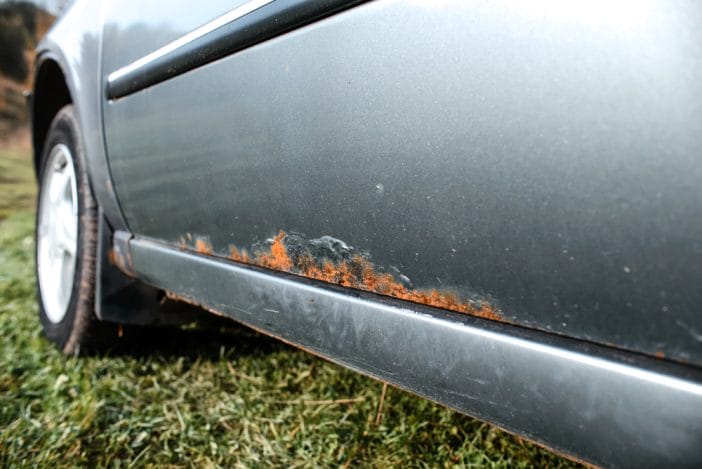
Once corrosion starts inside the frame, it spreads internally before becoming visible on the outside. By the time you see flaking metal or scaling, the damage has usually been happening for years.
The Dangerous Difference Between Surface Rust and Structural Rust
Not all rust is created equal, and this distinction matters more than most buyers realize. Surface rust is cosmetic—it looks bad but doesn’t weaken the metal significantly if addressed early. Structural rust, on the other hand, eats into the thickness of the steel itself.
This kind of corrosion can weaken suspension mounts, compromise towing capacity, and reduce crash safety. It can cause alignment issues, strange vibrations, and uneven tire wear long before anything visibly “breaks.” And worst of all, structural rust is expensive or impossible to repair properly, often turning a cheap truck into a financial nightmare.
Why “Good Deals” From Salt States Should Raise Eyebrows
Trucks from salt-heavy regions are often cheaper for a reason, even if sellers don’t always know it. The market quietly discounts rust risk because buyers are afraid of hidden damage. A truck can run perfectly and still be structurally compromised underneath. That’s what makes these deals tempting and dangerous at the same time.
A clean Carfax report doesn’t show frame corrosion, and a shiny exterior doesn’t protect you from underbody decay. If a deal feels unusually good, it’s worth asking what you’re not seeing underneath.

How to Spot Frame Rust Before It Spots Your Wallet
The smartest buyers always inspect underneath before falling in love with a truck. Look at frame rails, crossmembers, suspension mounting points, brake lines, and fuel lines. Bring a flashlight and don’t be afraid to get dirty. Flaking metal, bubbling paint, heavy scaling, and soft spots are all red flags. A pre-purchase inspection from a trusted mechanic is one of the cheapest forms of insurance you can buy. If the seller resists an inspection, that alone is information.
Why Rust Isn’t Just a Mechanical Issue—It’s a Safety Issue
A rusted frame isn’t just a maintenance problem, it’s a structural integrity problem. Rust can affect how a vehicle absorbs impact in a crash and how suspension systems handle weight and stress. Towing heavy loads on a compromised frame increases the risk of failure under pressure.
Brake line corrosion can lead to brake failure, and suspension mount rust can lead to sudden handling issues. These aren’t hypothetical risks—they’re real-world failure points. Safety doesn’t always look dramatic, but it matters long before something breaks.
What Smart Buyers Are Doing Differently Now
More buyers are getting strategic about geography, inspection, and prevention. Southern and dry-climate vehicles are becoming more desirable because corrosion exposure is lower. Rust-proofing, undercoating, and regular undercarriage washes are becoming standard habits for long-term owners.
Buyers are also learning to separate cosmetic flaws from structural ones. A scratched door is cheap to fix. A rotting frame is not. The smartest truck buyers aren’t chasing shiny paint—they’re chasing solid steel.
When a “Cheap Truck” Becomes the Most Expensive One
The real cost of rust isn’t in the purchase price—it’s in the long-term consequences. Repairs get complicated, parts fail earlier, inspections become nightmares, and resale value collapses. Insurance companies may even refuse full coverage on heavily corroded frames.
What looked like a bargain can turn into years of stress and unexpected expenses. That’s why experienced buyers think long-term, not just price tag.
The Frame Tells the Truth Every Time
Paint can hide flaws, interiors can be detailed, engines can be tuned, and dashboards can be cleaned. Frames don’t lie. They tell the real story of where a truck has lived and how it’s been treated. Salt Belt rust isn’t dramatic, but it’s relentless. If you understand it, you can avoid it.
So here’s the real question: would you rather buy a “clean-looking” truck that’s rusting from the inside out, or a slightly imperfect one that’s structurally solid for the long haul?
Share your thoughts in the comments—have you ever been burned by hidden rust, or saved yourself from a bad buy by checking the frame first?
You May Also Like…
6 Truck Mods That Are Now Considered “Unsafe Equipment”
State Troopers: The Way Men Carry Tools in Their Trucks Is Quietly Violating 2026 Weapon Laws
These Everyday Driving Habits Are Quietly Destroying Cars Before Dash Warnings
Why Drivers Feel More Competent Working On Older Cars
Mechanics Say These 3 “Upgrades” Are a Magnet for $1,000 Repairs—Especially in Older Trucks
The post Salt Belt Rust Is Quietly Wrecking Used Truck Frames appeared first on Clever Dude Personal Finance & Money.