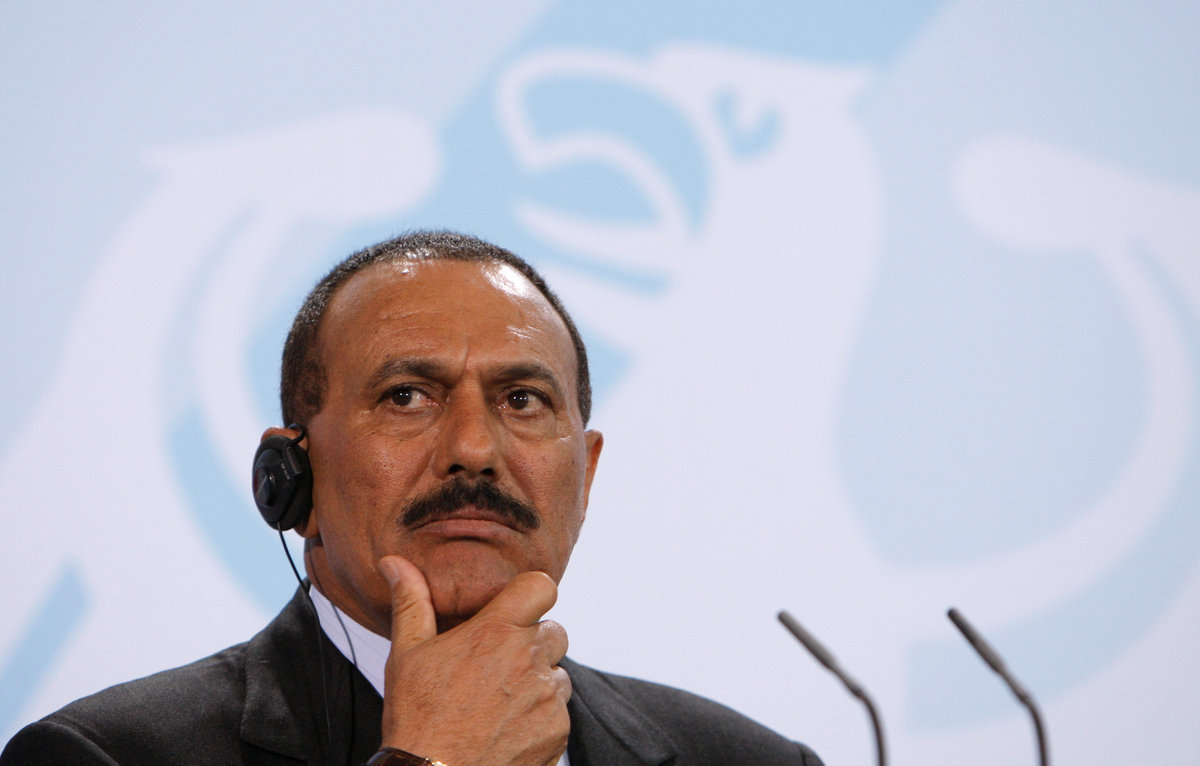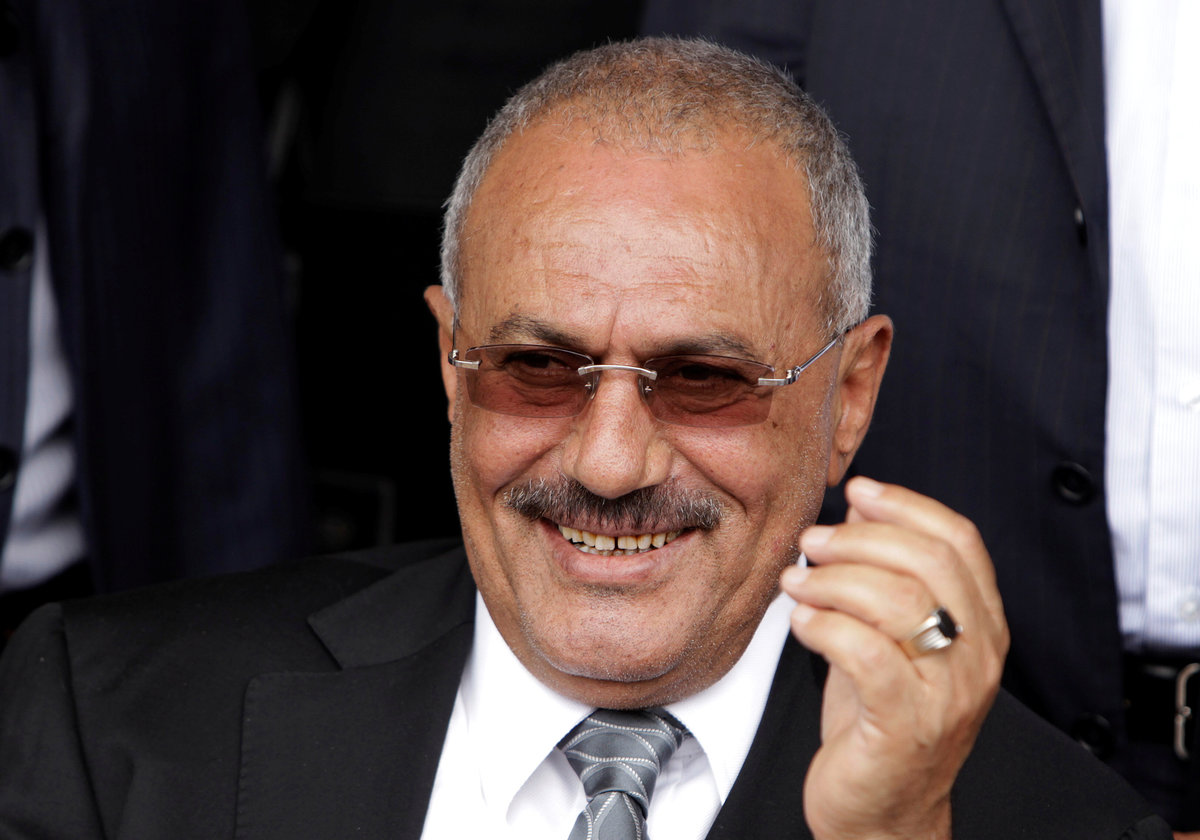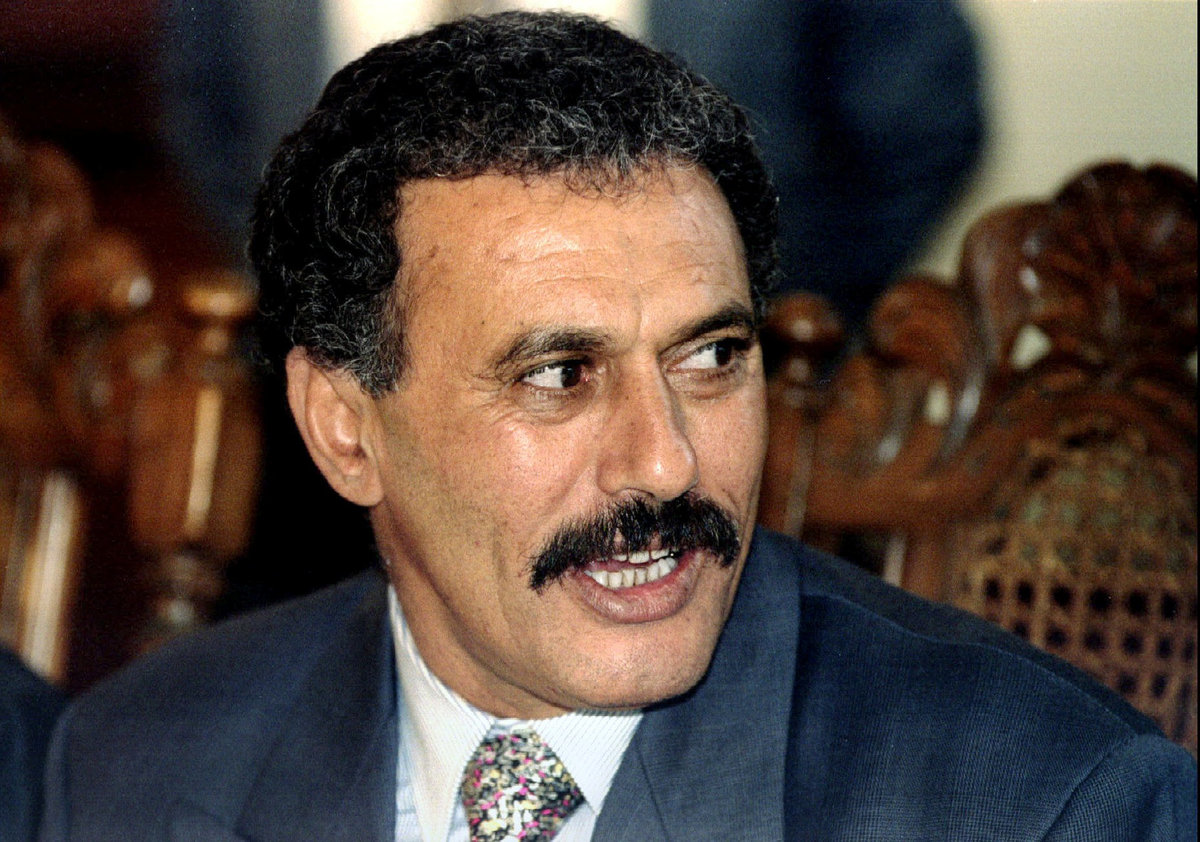
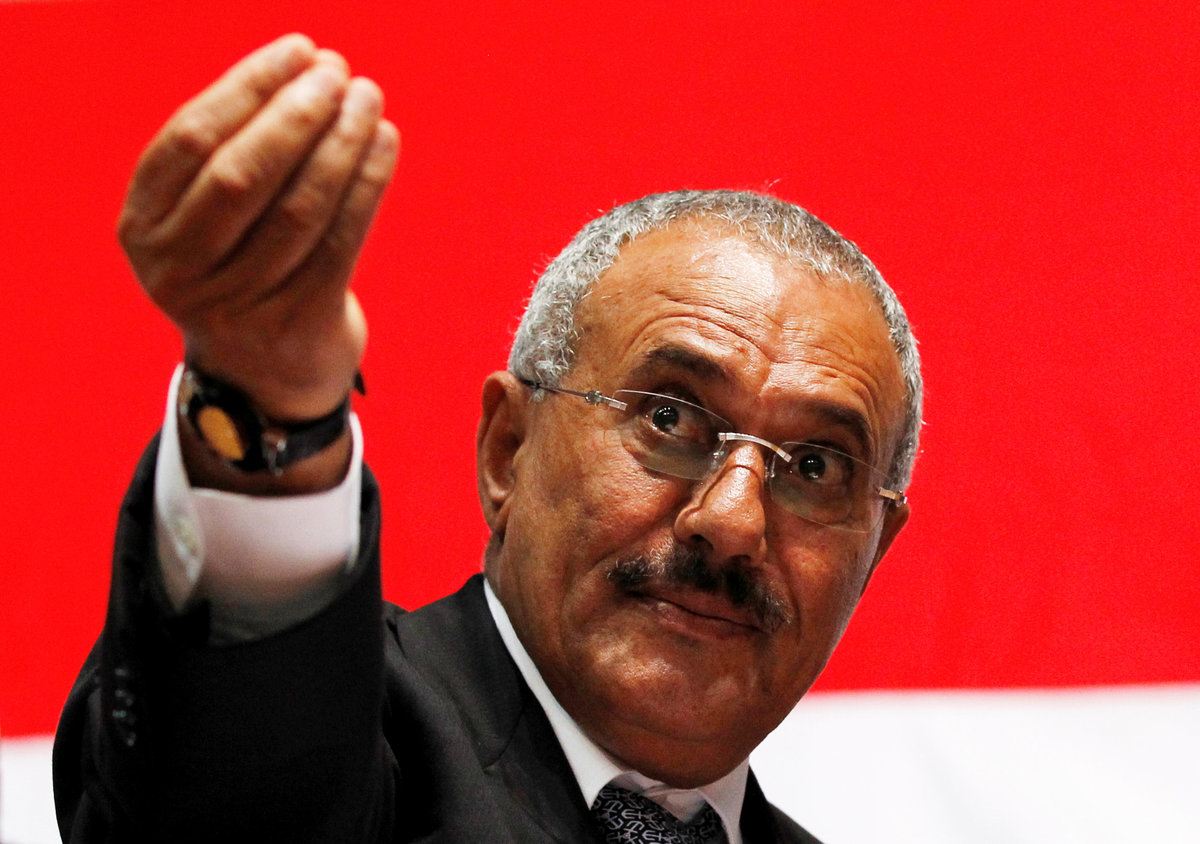
SANAA/DUBAI (Reuters) - Veteran former president Ali Abdullah Saleh was killed in a roadside attack on Monday after switching sides in Yemen's civil war, abandoning his Iran-aligned Houthi allies in favour of a Saudi-led coalition, foes and supporters said.
Analysts said Saleh's death would be a huge moral boost for the Houthis and a serious blow to the Saudi-led coalition that intervened in the conflict to try to restore the internationally recognised government of President Abd-Rabbu Mansour Hadi.
Any hope within the coalition that Saleh could have been bought off to help turn the tables against the Houthis after a protracted stalemate, in which a Saudi-led blockade and internal fighting have exposed millions to hunger and an epidemic, has been dashed.
The coalition will either have to continue waging a grinding war, possibly trying big offensives against Houthi-held areas at the risk of high civilian casualties, or offer compromises to bring the Houthis to the negotiating table.
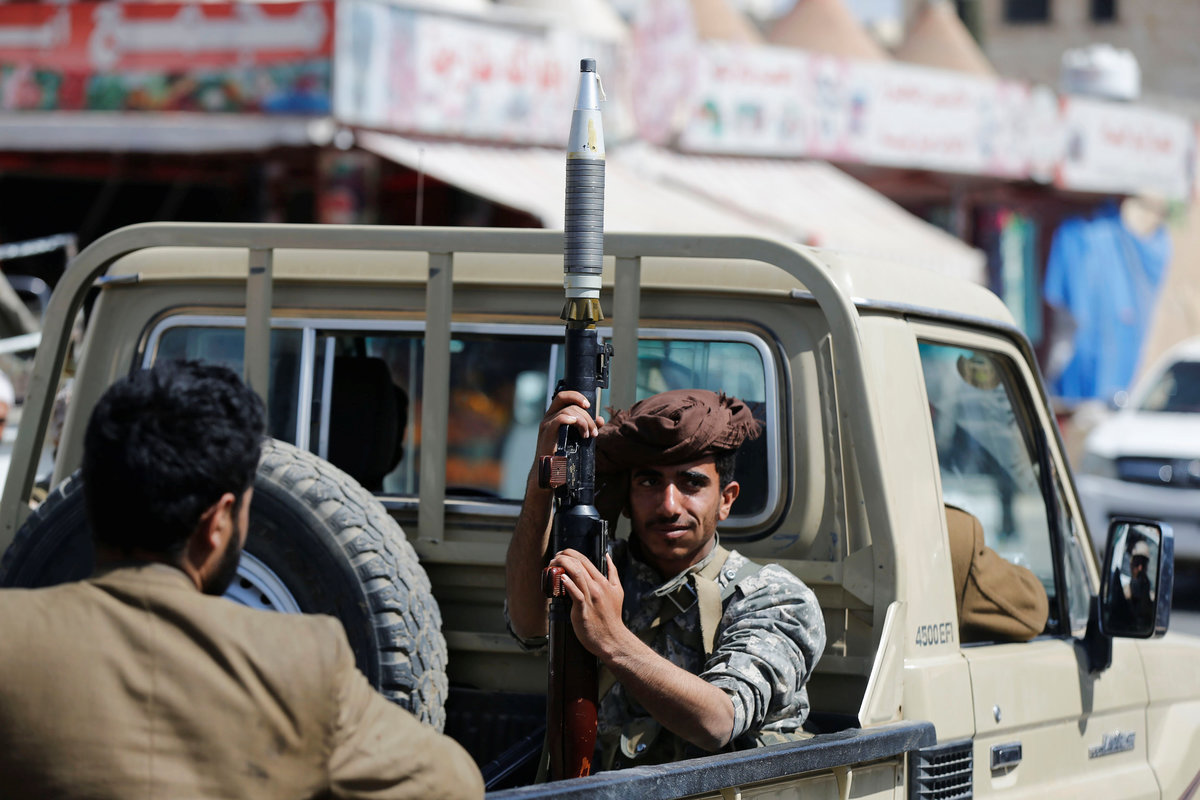
Sources in the Houthi militia said its fighters had stopped Saleh's armoured vehicle with an RPG rocket south of the embattled capital Sanaa and then shot him dead. Saleh's General People's Congress (GPC) party, in a statement on its website, mourned its leader.
Footage circulated on social media showing his bloodied body lolling in a red blanket and being loaded into a pickup truck, just days after he tore up his alliance with the Houthis following nearly three years in which they had jointly battled the Saudi-led coalition.
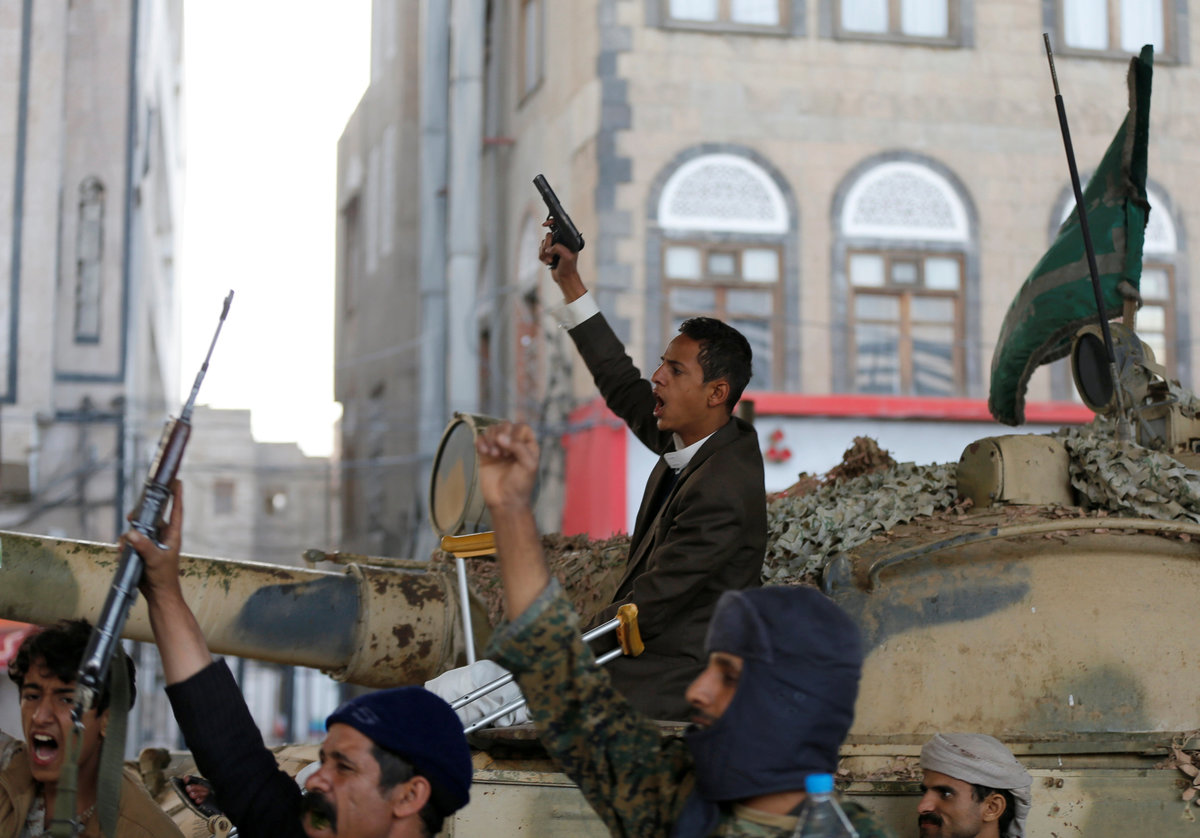
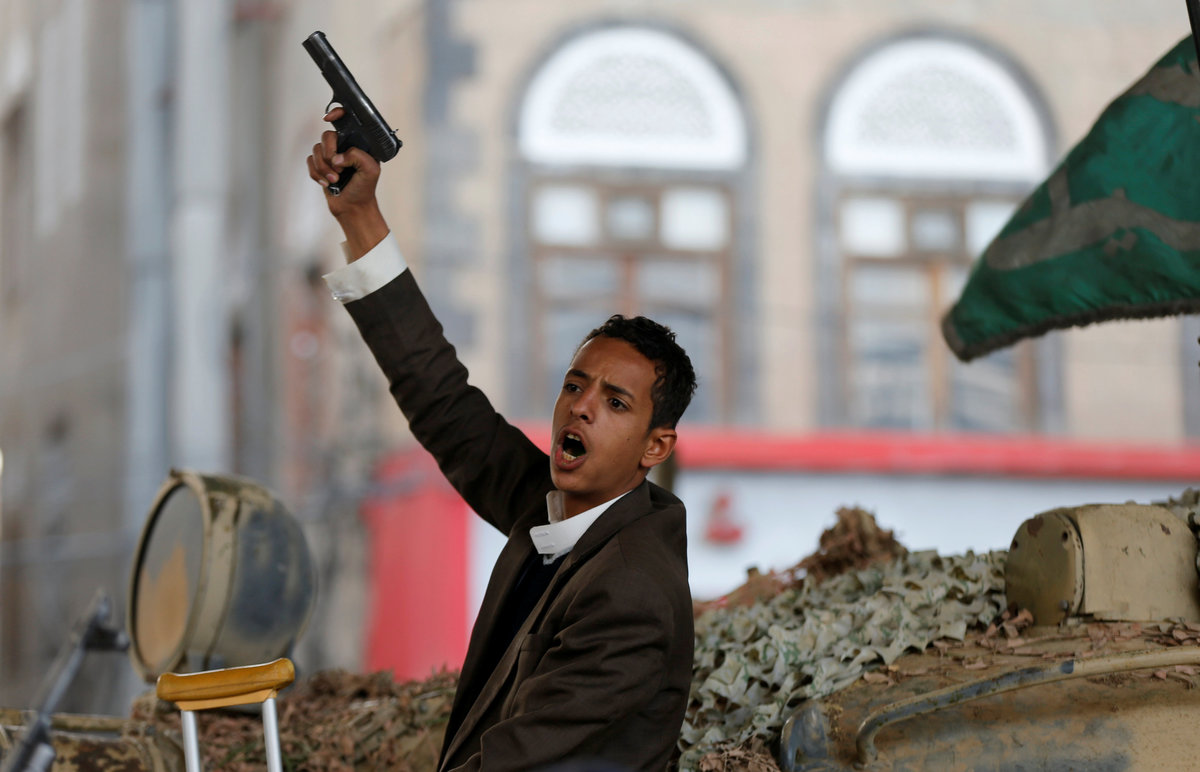
In a televised speech on Monday, Houthi leader Abdul-Malek al-Houthi hailed Saleh's death as a victory against the Saudi-led bloc, congratulating Yemenis "on this historic, exceptional and great day in which the conspiracy of betrayal and treason failed, this black day for the forces of the aggression".
He said the Houthis, who follow the Zaidi branch of Shi'ite Islam, would maintain Yemen's republican system and not pursue a vendetta against Saleh's party.
HOUTHI JUBILATION
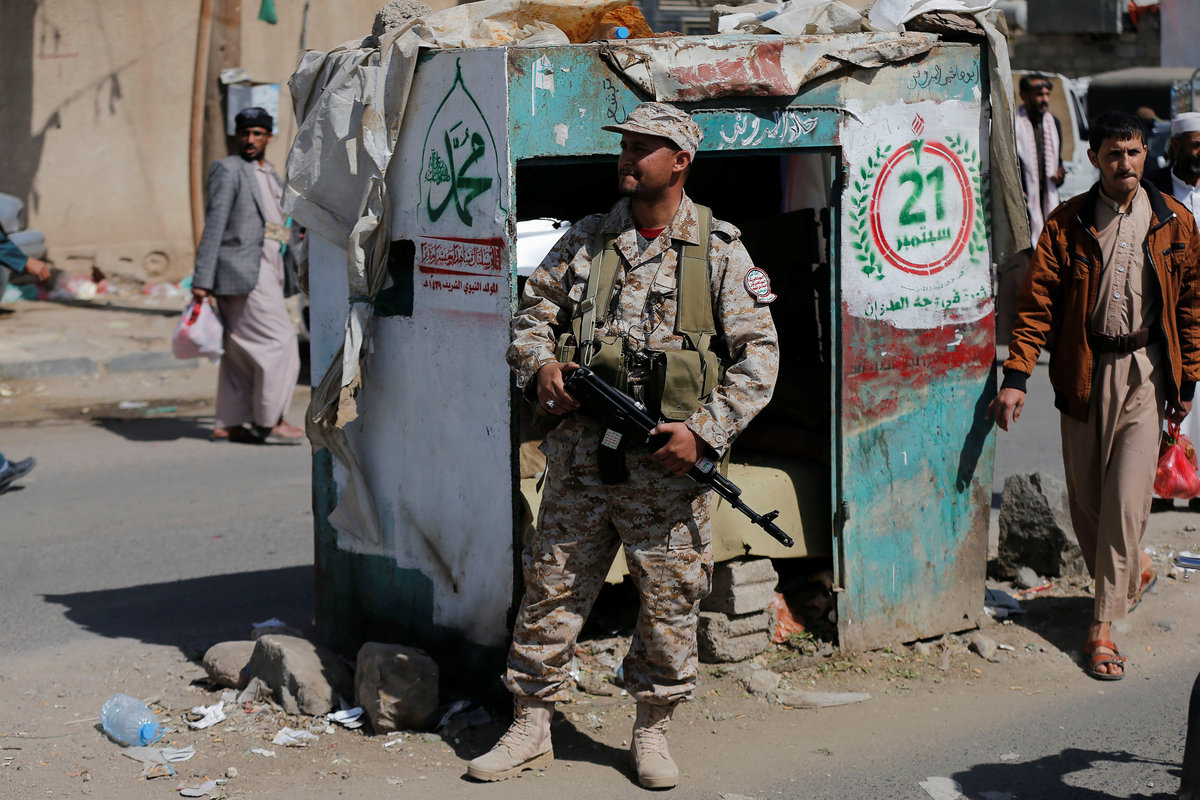
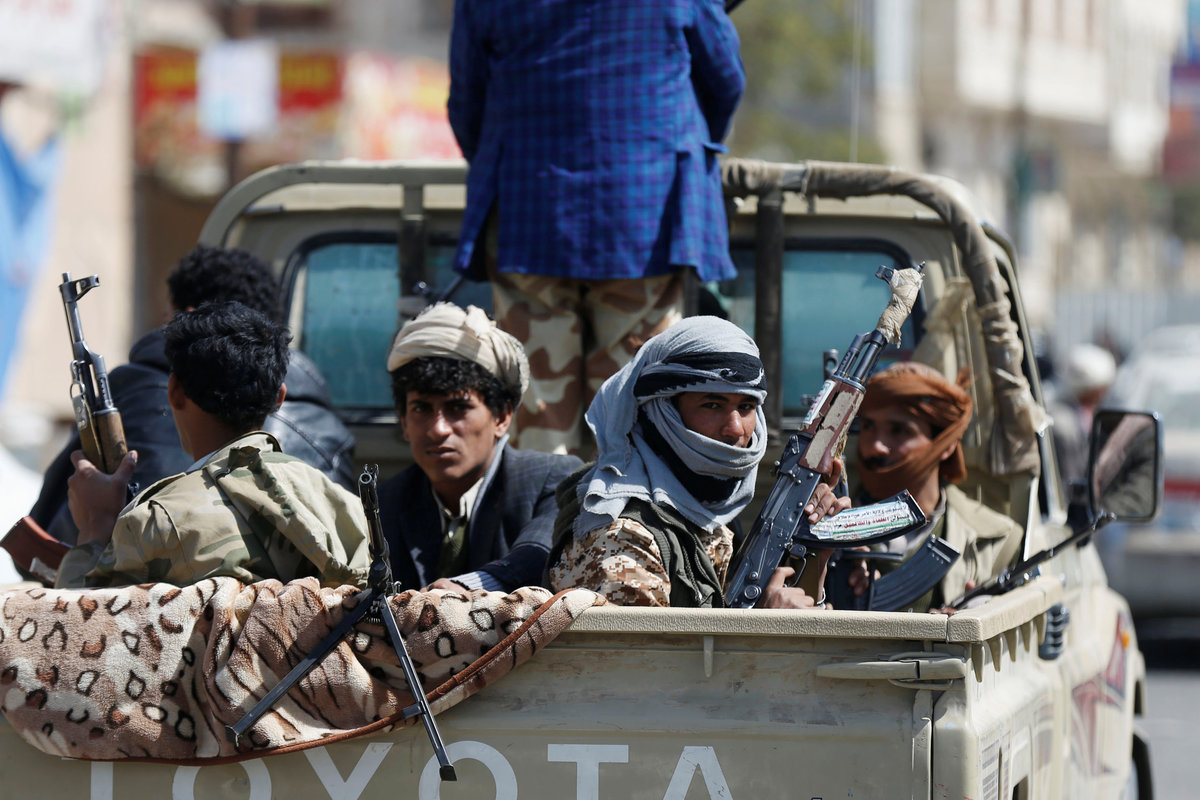
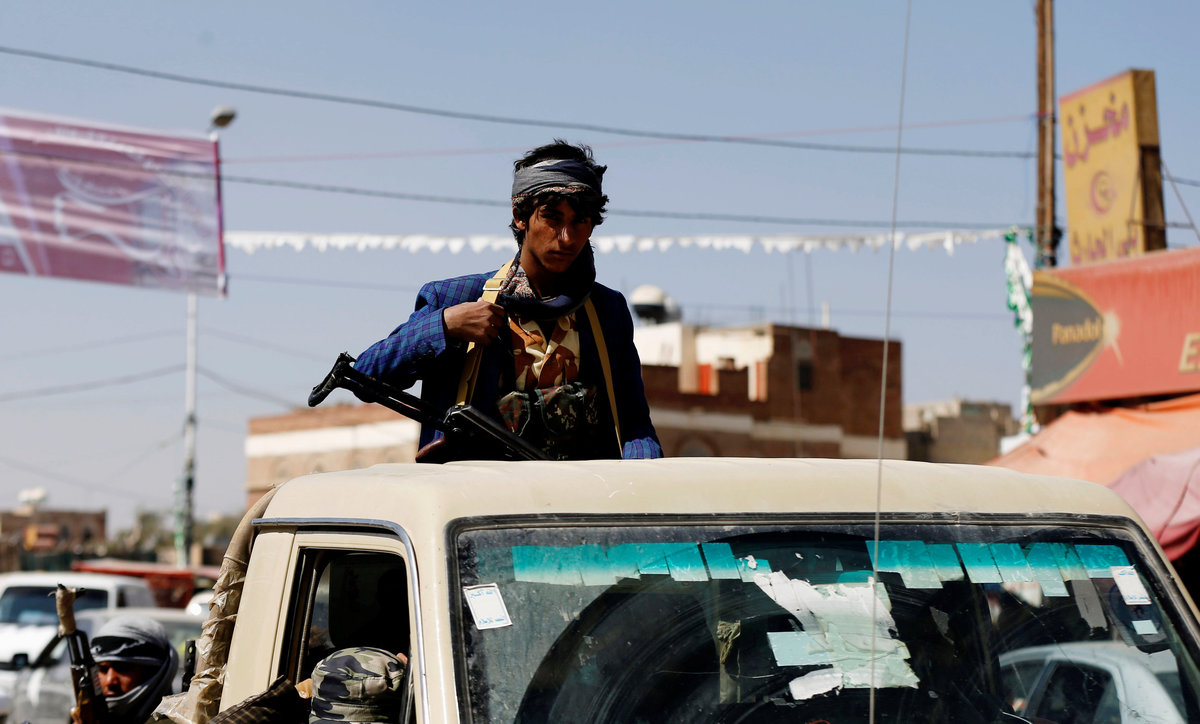
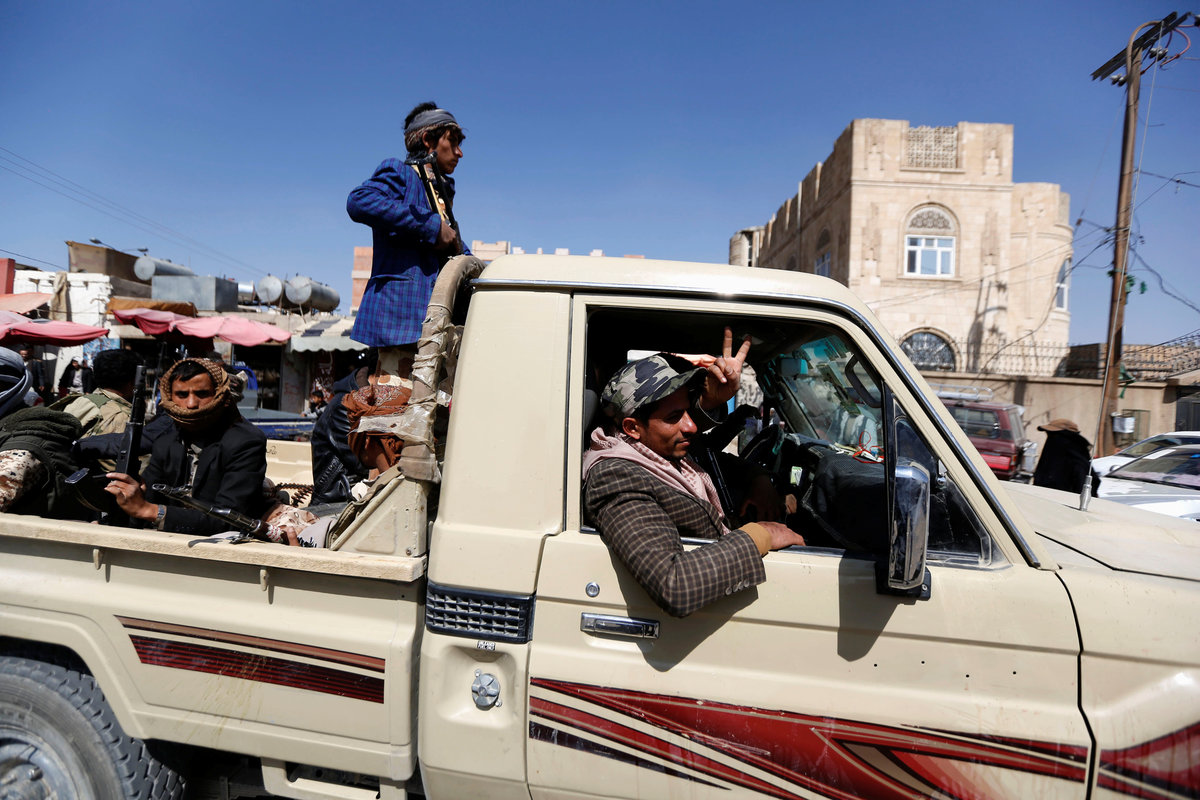
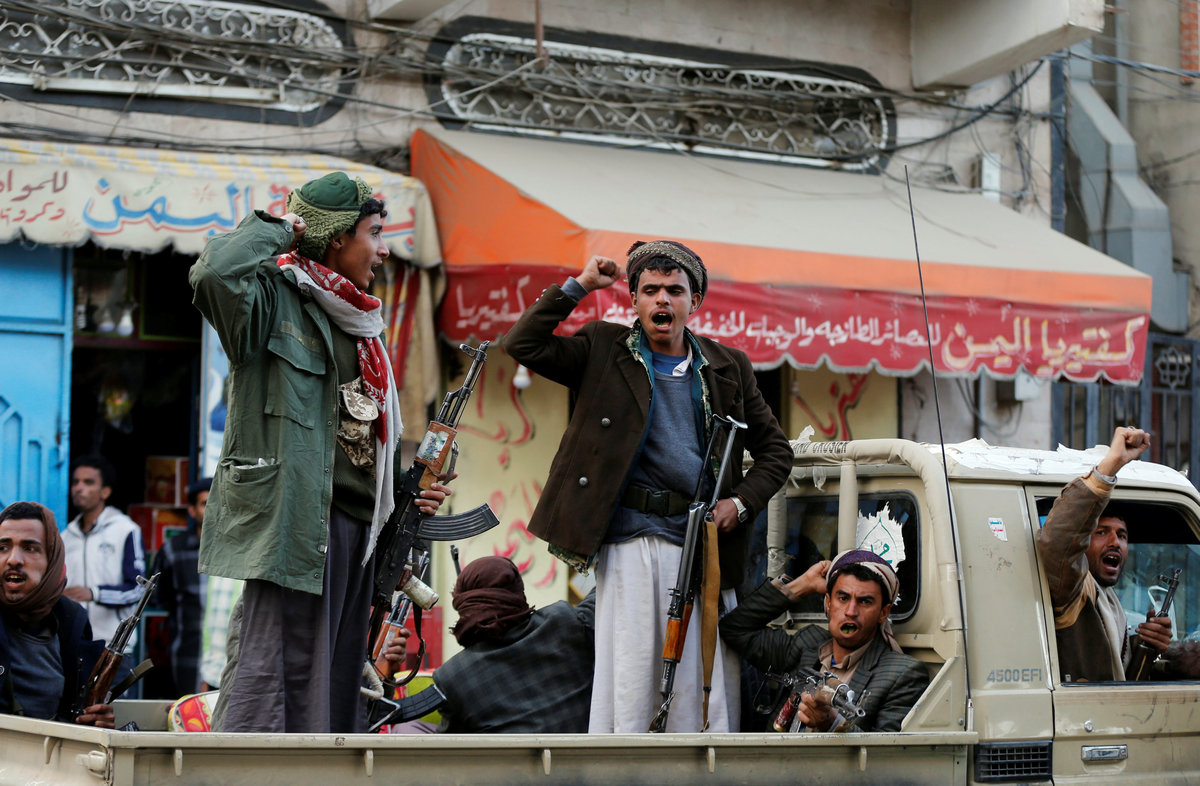
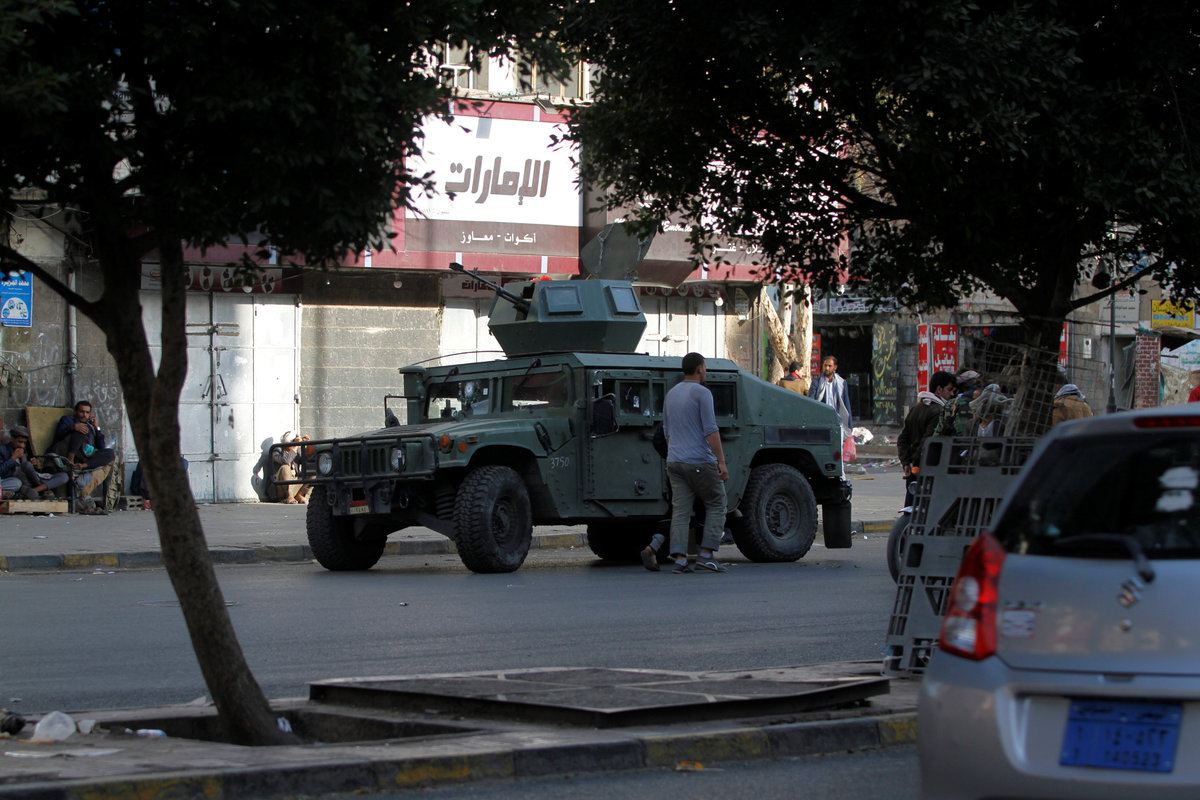
Supporters of the Houthis drove through Sanaa's streets blasting celebratory war songs.
Abdul-Malek also hailed a missile launch announced by the group toward the United Arab Emirates this week as a message to its enemies, advising against foreign investment in the UAE and Saudi Arabia as their campaign in Yemen continues.
The Houthi group's spokesman, Mohammed Abdul-Salem, in remarks to Qatar-based Al Jazeera TV, accused the UAE of helping Saleh switch sides, and said the security establishment would publish documents of his contacts with the Saudi-led coalition.
Saleh, 75, had said on Saturday that he was ready for a "new page" in ties with the coalition and called the Houthis a "coup militia".
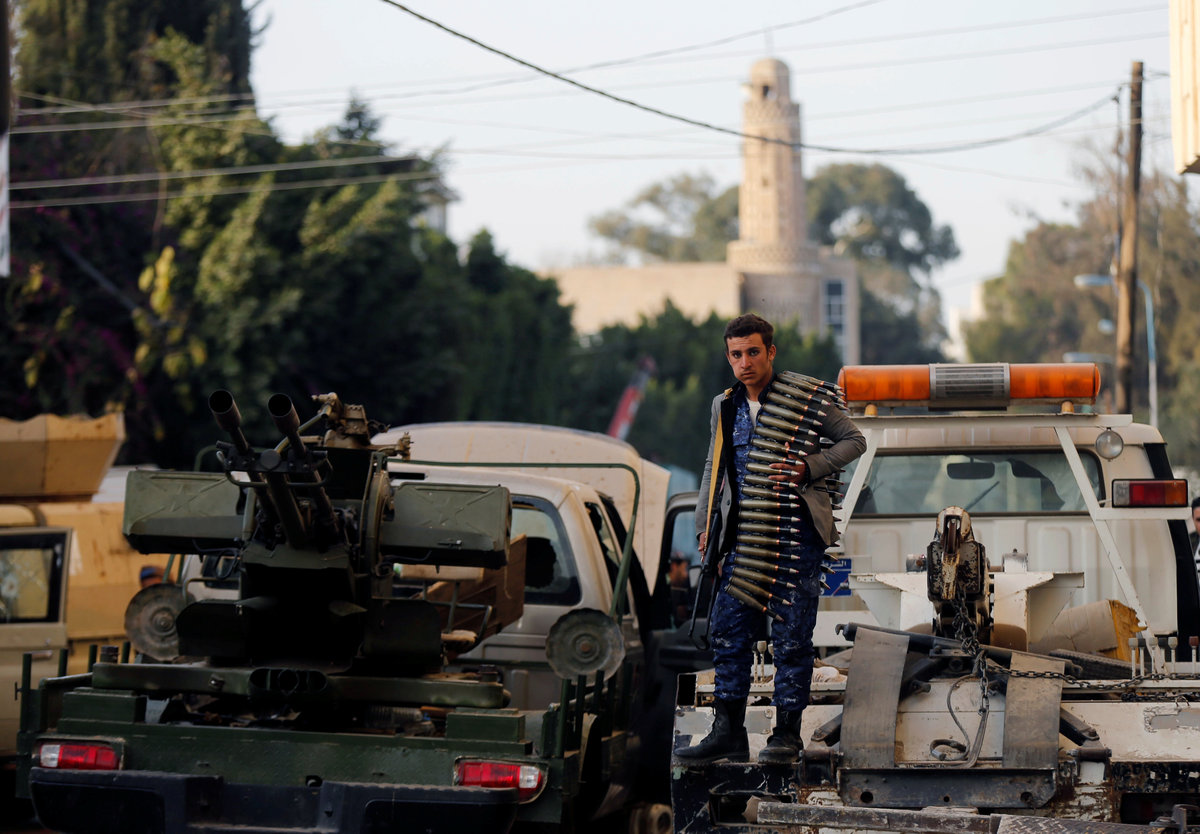
Warfare between the erstwhile allies has rocked densely populated Sanaa for days, with Houthi fighters seizing control of much of the capital and on Monday blowing up Saleh's house while coalition jets bombed their own positions.
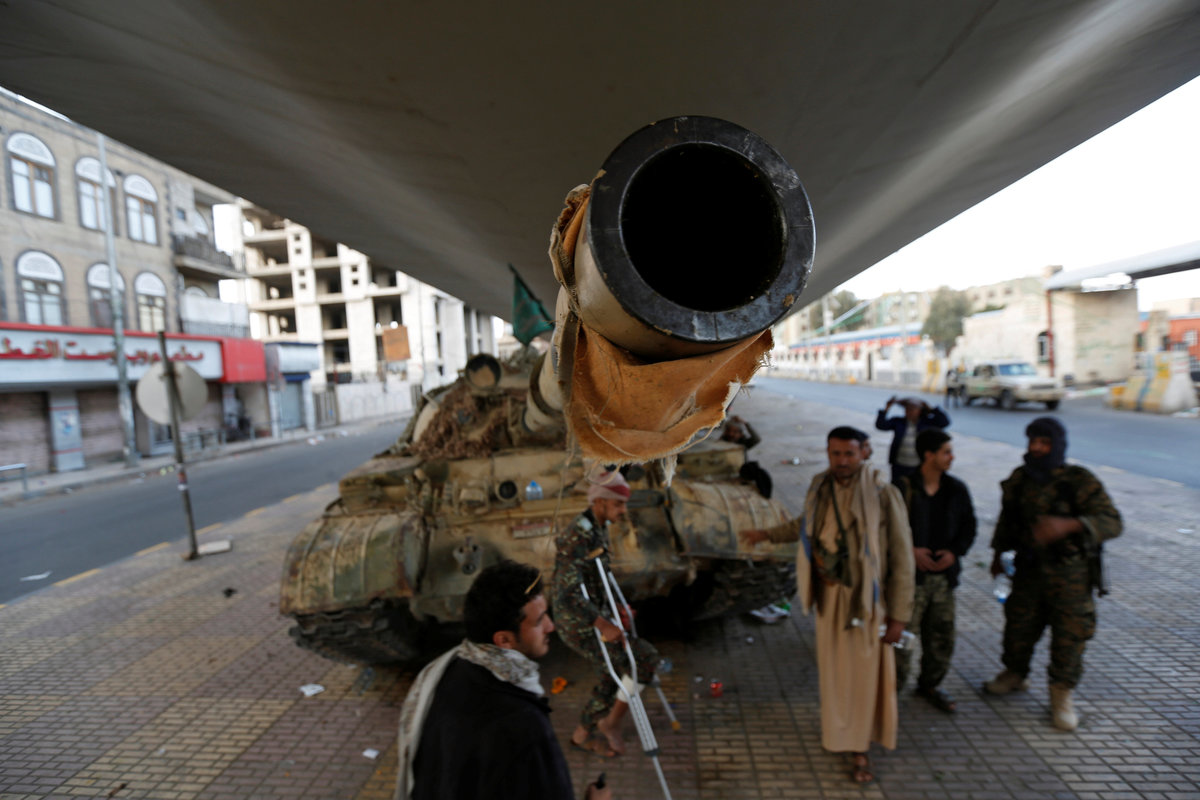
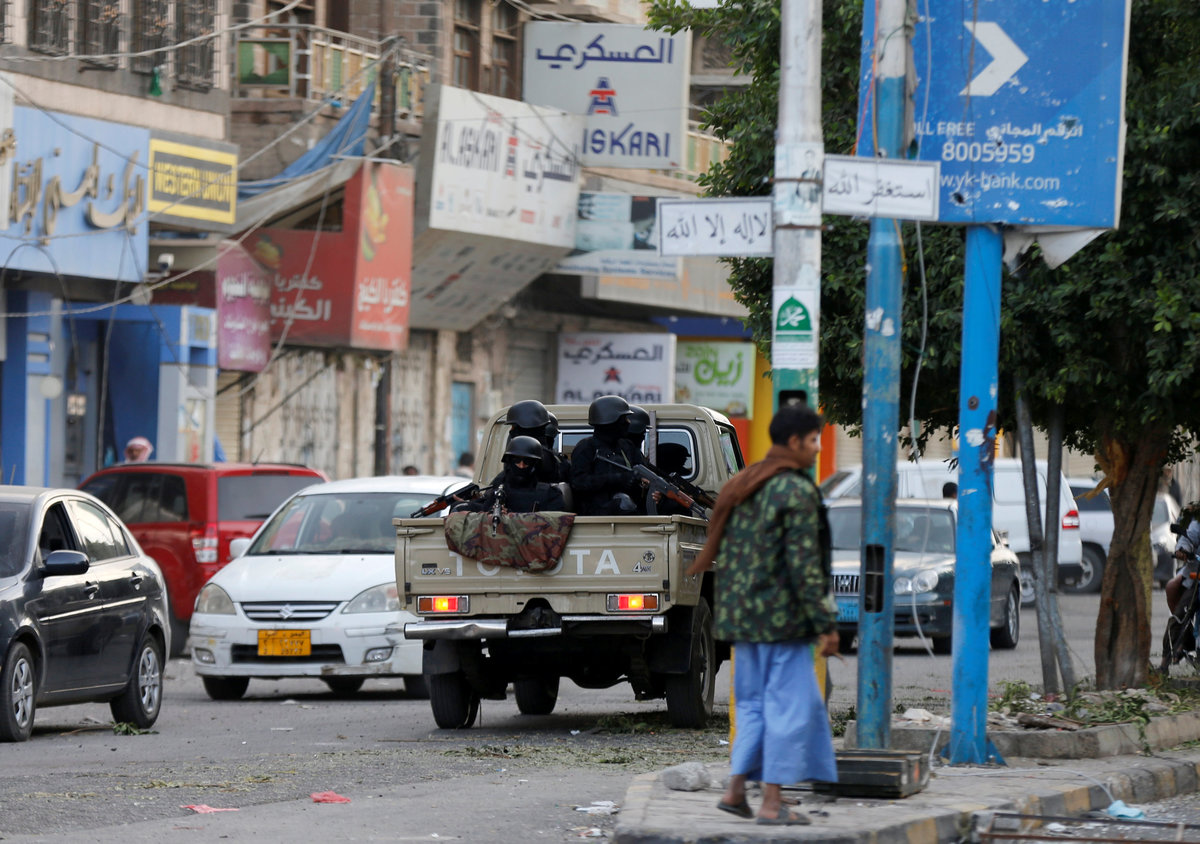
The United Nations said roads were blocked and tanks deployed on many streets, trapping civilians and halting delivery of vital aid including fuel to supply clean water.
Residents reported fresh air strikes on a compound that had been used by the Houthi-led government for the first time since the war began in 2015.
The United Nations, which had appealed for a humanitarian pause on Tuesday, said aid flights in and out of Sanaa had been suspended. New fighting had also flared in other governorates such as Hajjah, it added.
In Washington, the United States called on all sides in Yemen to re-energize political negotiations to end the war, according to a Trump administration official.
Hadi, in a speech carried live on Saudi-owned al-Arabiya TV, called for a new chapter in the battle against the Houthis after Saleh's death. "I call upon ... the Yemeni people in all provinces still suffering under this criminal and terrorist (Houthi) militia to rise in its face ... and cast it out."
Analyst Hafez Albukari of the Yemen Polling Centre said he now expected the conflict to escalate. "I believe this will give the coalition and the legitimate authority (Hadi) an opportunity to press ahead militarily against the Houthis on several fronts to try to benefit from the new development," he told Reuters.
"But this carries major danger to civilians, especially if the coalition tries to invade Sanaa, where the Houthis will fight fiercely."
For two years the war has been one of attrition along mostly static front lines.
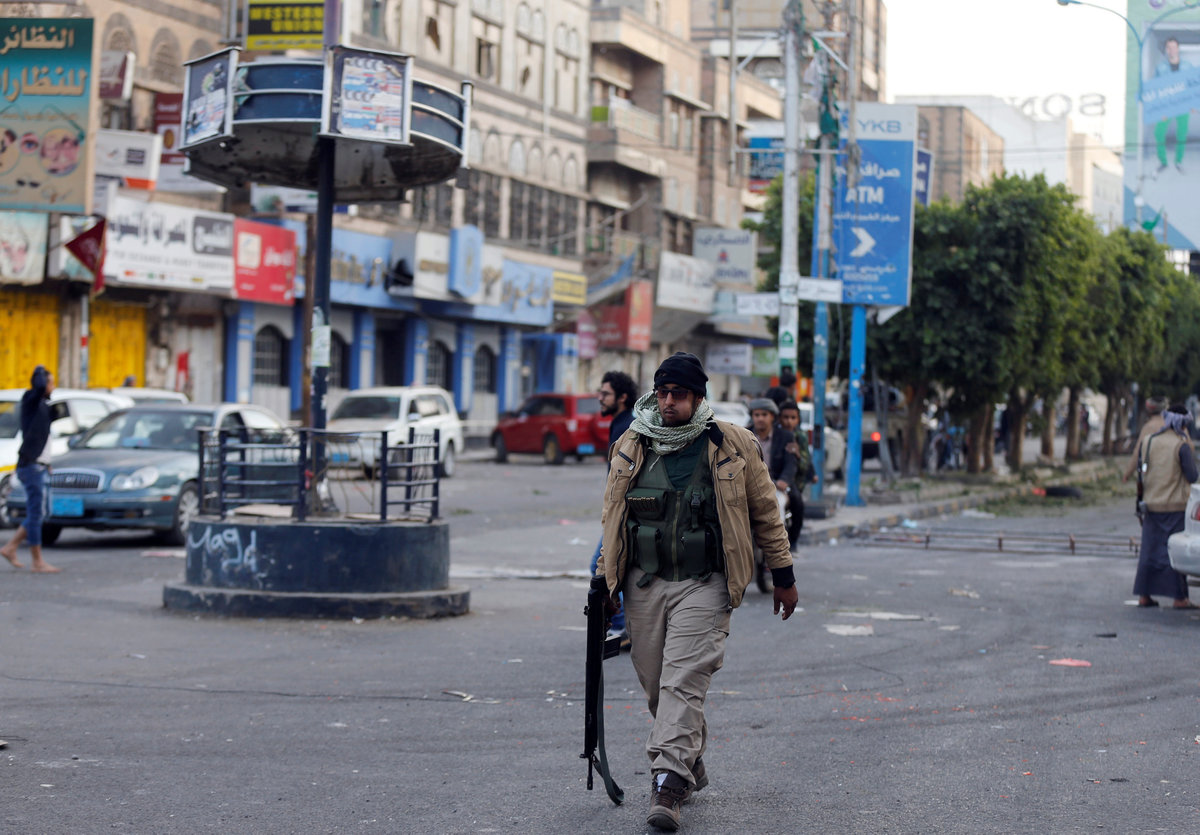
Coupled with a Saudi-led blockade and internal clashes, the stalemate has contributed to a human catastrophe. Some 7 million people are on the brink of famine, while one million are suspected to be infected with cholera.
Eyes will now turn to Saleh's political allies and military commanders, whom analysts credited with aiding the Houthi march southwards in 2014 to dominate swathes of western Yemen.
Adam Baron, a Yemen expert at the European Council on Foreign Relations, said it was not yet clear what Saleh's family and political allies would do.
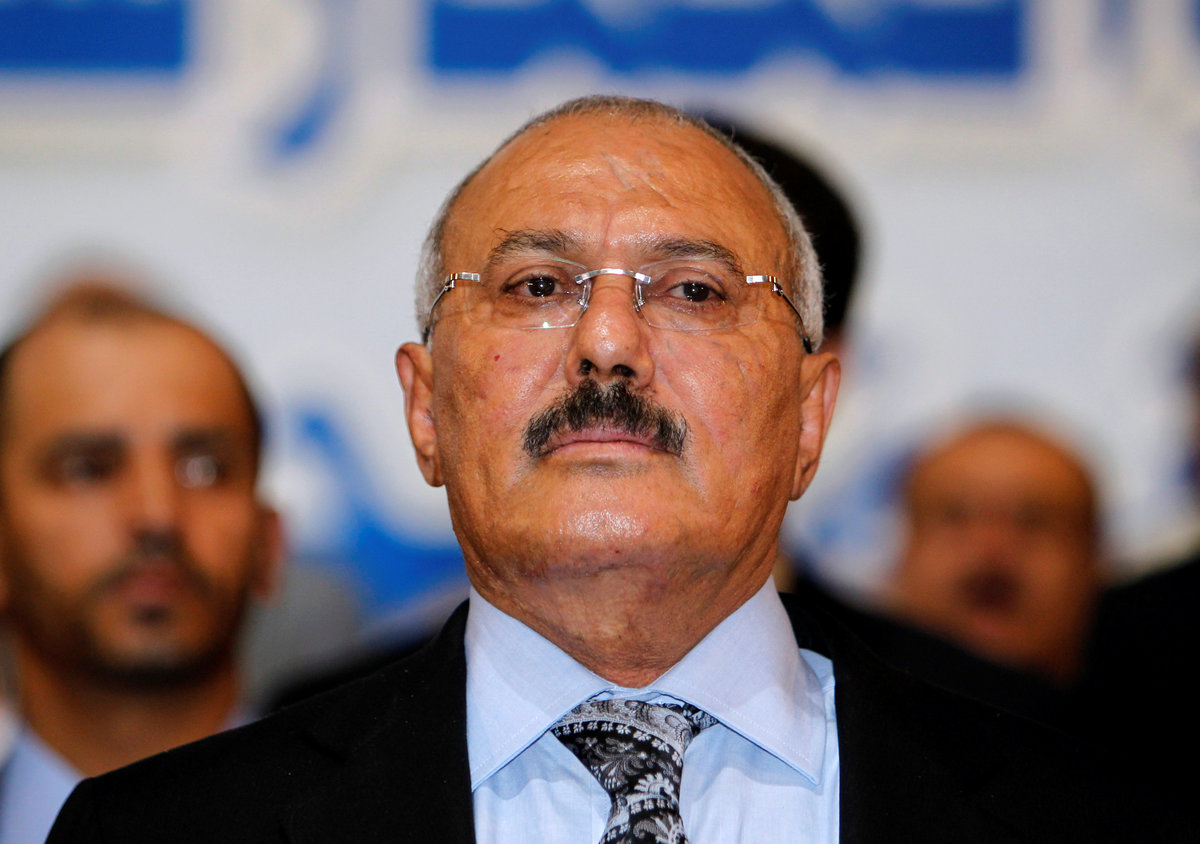
"His people will be angry, and many will certainly be out for blood, but there are many in the middle, especially among the tribes, who will fall in with whoever appears stronger," he said.
"The (Saudi-led) coalition may have put a lot of their eggs in Saleh's basket, only for it to fall over now. They appeared to strongly support his attempt to confront the Houthis, and now that bid may have failed."
HEADS OF SNAKES
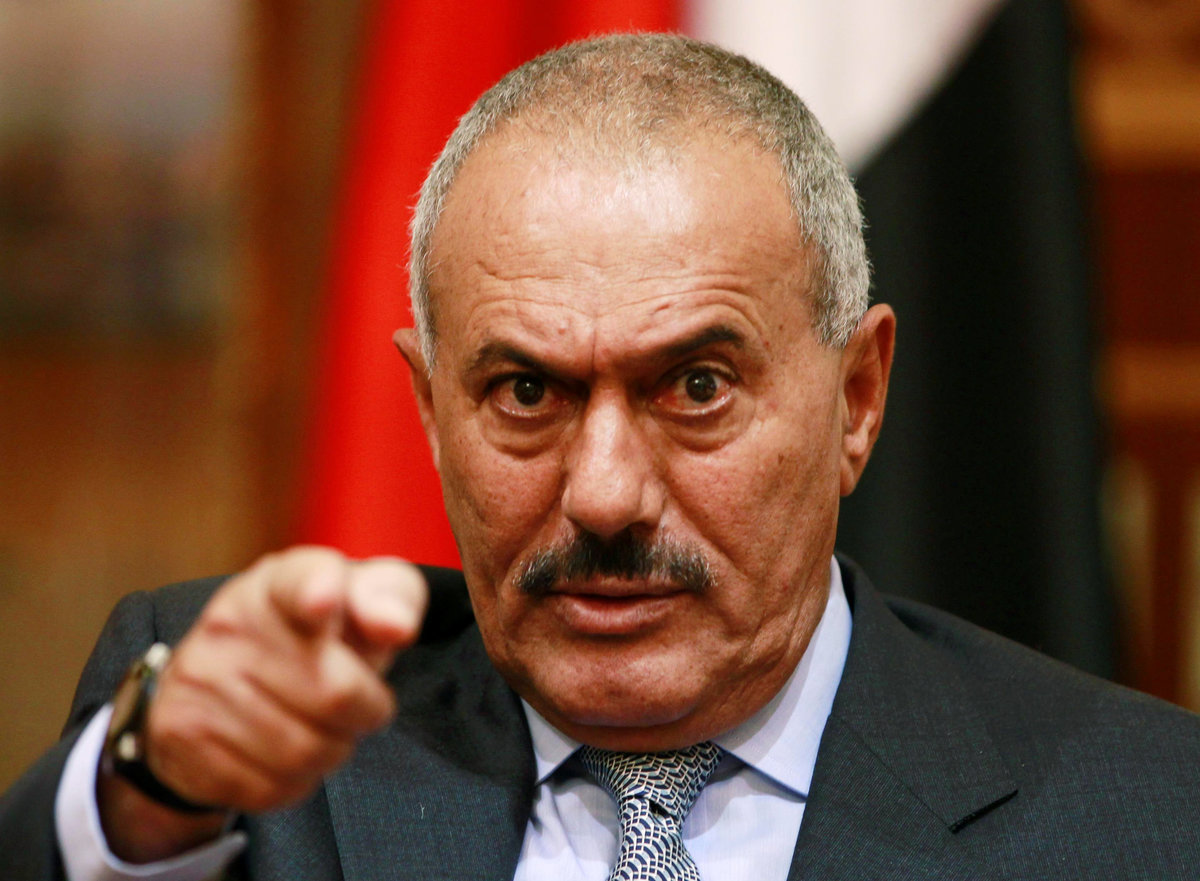
Saleh, a master of weaving alliances and advancing his personal and family interests in Yemen's heavily armed and deeply fractious tribal society, unified his country by force, but he also helped guide it toward collapse in its latest war.
Saleh once compared his 33-year rule over Yemen to "dancing on the heads of snakes", a period that included unification of conservative north and Marxist south Yemen, civil war, revolts, Islamist militant campaigns and tribal feuds.
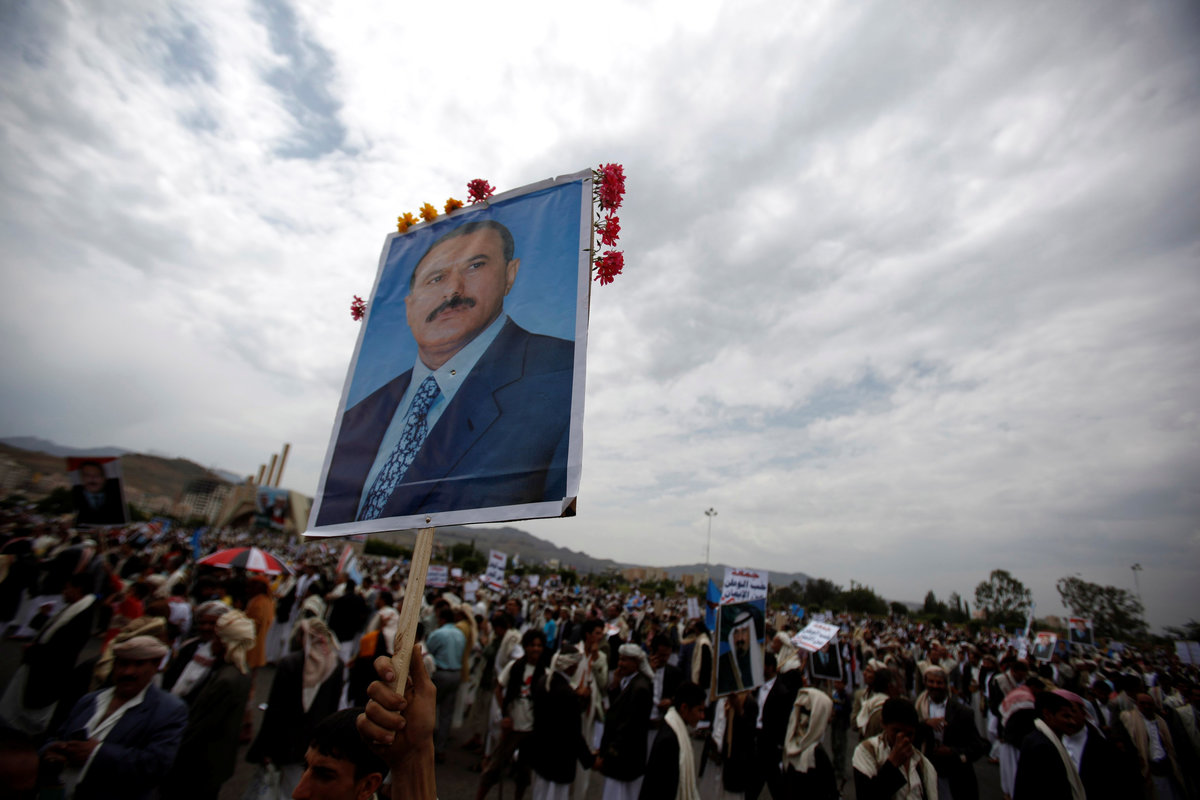
But he was forced from power in 2012 after an Arab Spring uprising that left him wounded by an attempted assassination, leading to a Saudi-brokered political transition.
He fled to Saudi Arabia, his former ally, for treatment of his injuries and the princes in Riyadh allowed him to return to Yemen months later -- something they came to bitterly regret as he undermined the transition plan and later joined the Houthis.
That set the stage for his final role -- that of ally to the Houthi movement which he had previously fought six times during his own presidency, and to Iran, the Houthis' political backer.
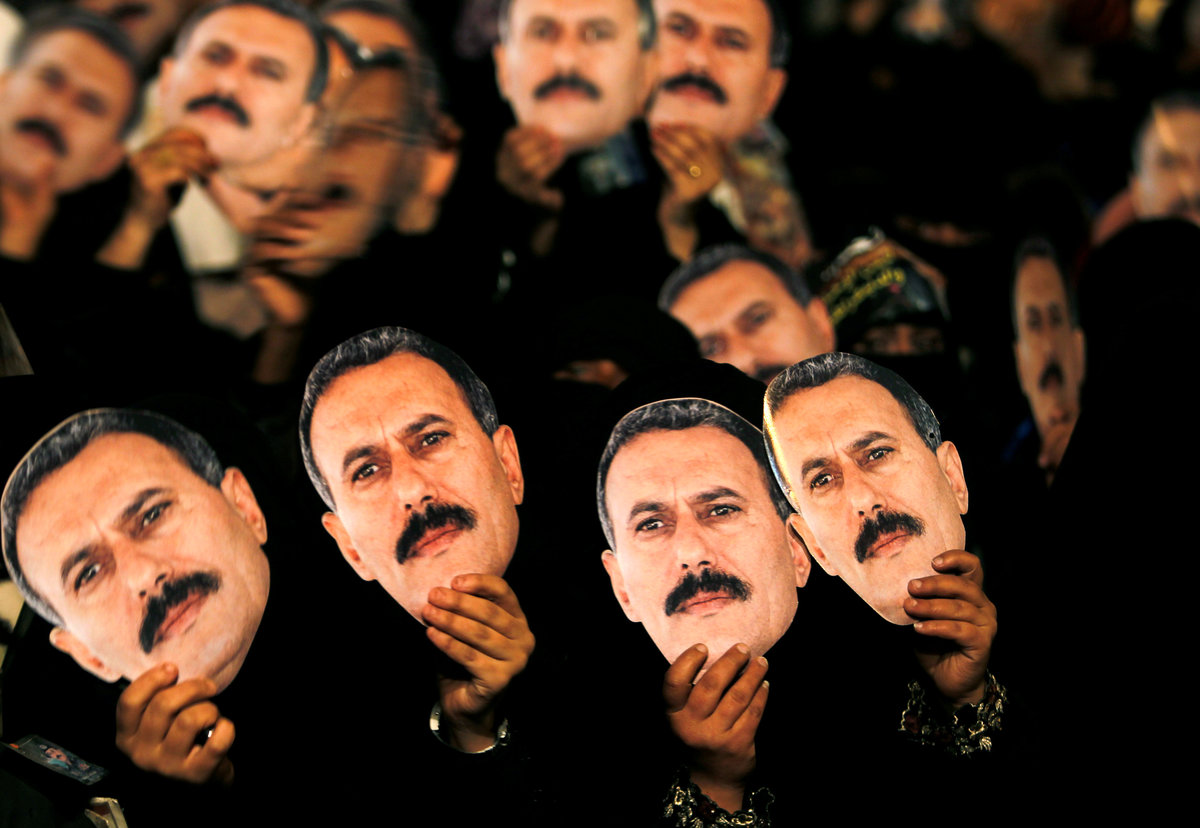
But Houthi and Saleh loyalist forces jostled for supremacy over the territory they ran together, including Sanaa, and their feud burst into open combat on Nov. 29.
Residents reported that the situation in Sanaa calmed later on Monday. Most people were indoors, and streets were deserted as the Houthis asserted full control. Saudi-led aircraft continued to pass overhead.
The Houthi movement's TV channel al-Masirah and witnesses said Houthi fighters had seized the downtown home of Saleh's nephew Tareq, an army general.
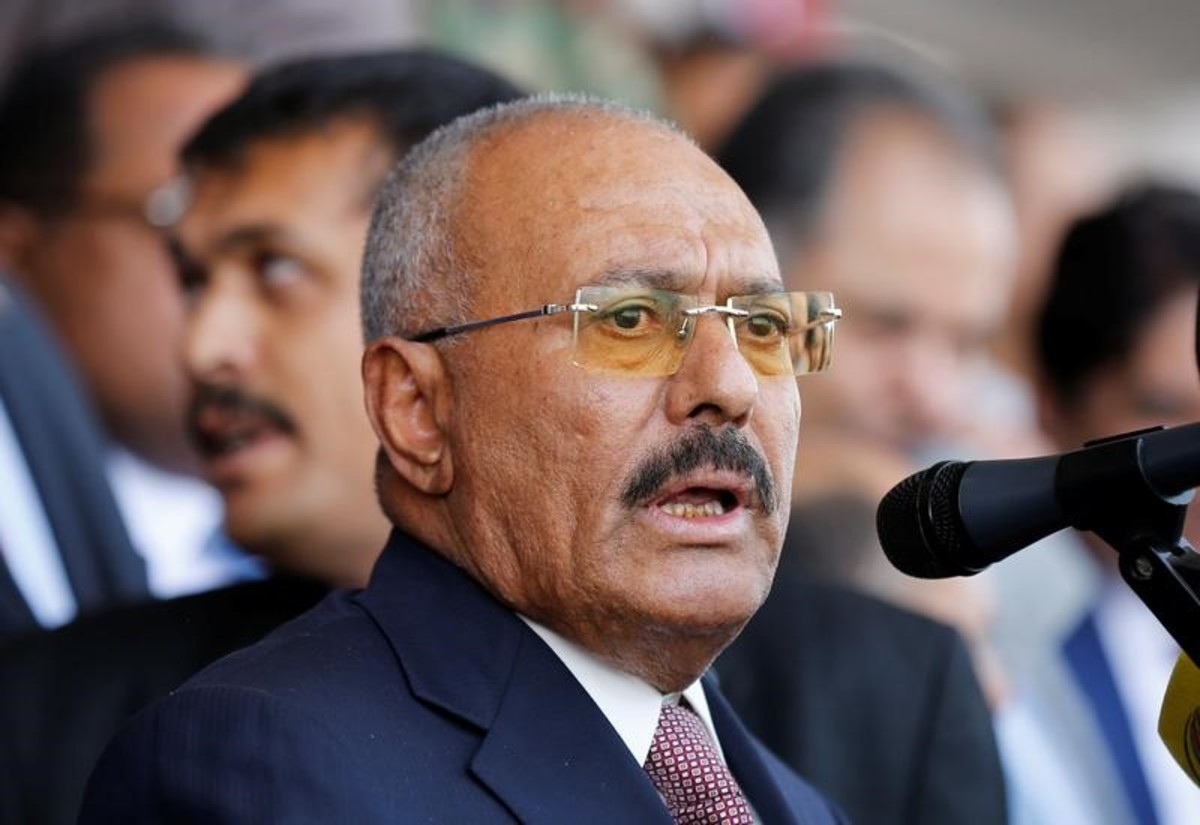
Residents said the warring sides traded heavy automatic and artillery fire as the Houthis advanced in the central Political District, a redoubt of Saleh and his family.
Houthi media and political sources also reported the Houthis advancing towards Saleh's birthplace in a village outside Sanaa where he maintained a fortified palace.
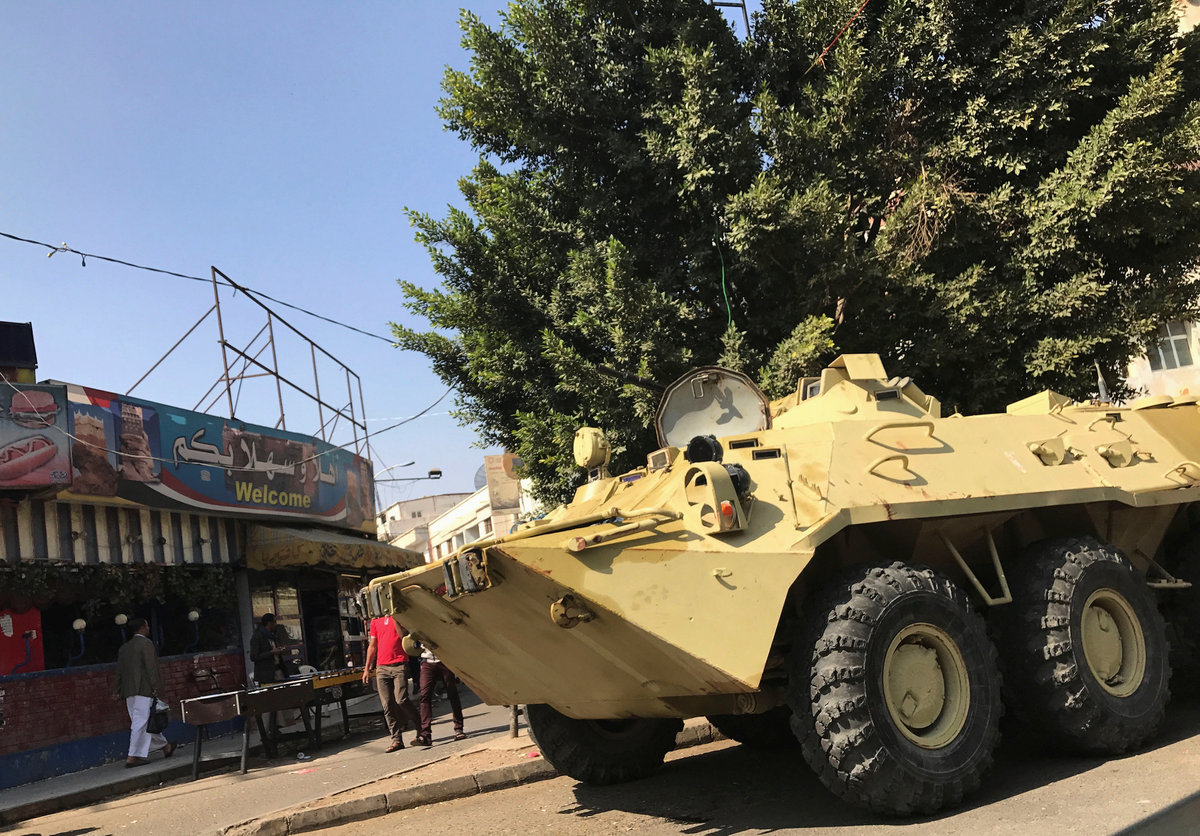
(Additional reporting by Stephanie Nebehay in Geneva and Phil Stewart in Washington; writing by Noah Browning, Angus McDowall, Ali Abdelaty, Mostafa Hashem and Samia Nakhoul; editing by Mark Heinrich, Kevin Liffey and Sandra Maler)