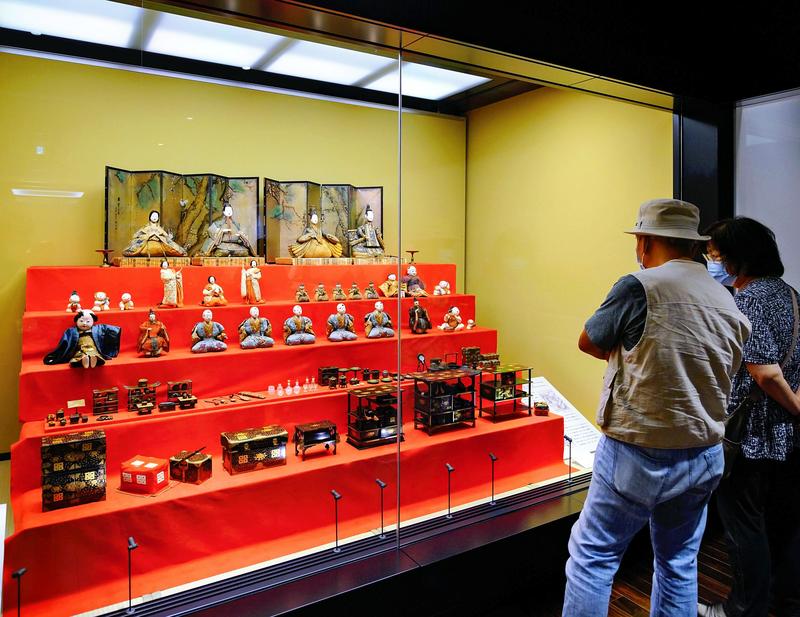
Iwatsuki Ward, Saitama, is known as one of the country's major doll production areas. Now it is also home to a doll museum that uses more than 5,000 items to introduce the history and charm of dolls, which have been so deeply rooted in the nation's culture.
Among the exhibits at the Iwatsuki Ningyo Museum are valuable dolls from Japan and abroad. They include dolls collected by Tekiho Nishizawa (1889-1965), a Japanese-style painter and doll researcher, in addition to classical-style dolls and those displayed during seasonal festivals.
The custom of displaying hina dolls became popular during the Edo period (1603-1867). And in the Musashi area, which includes present-day Saitama, doll making became a prominent craft thanks to major demand in Edo (now Tokyo).
Doll production once centered around Konosu and Koshigaya, both in what is now Saitama Prefecture. But handicraft techniques improved in Iwatsuki especially after doll craftsmen moved to the area from Tokyo following the Great Kanto Earthquake. Iwatsuki then became a major doll production area during and after the Taisho era (1912-1926), and the city had about 300 doll-making studios and wholesalers during Japan's high economic growth period.
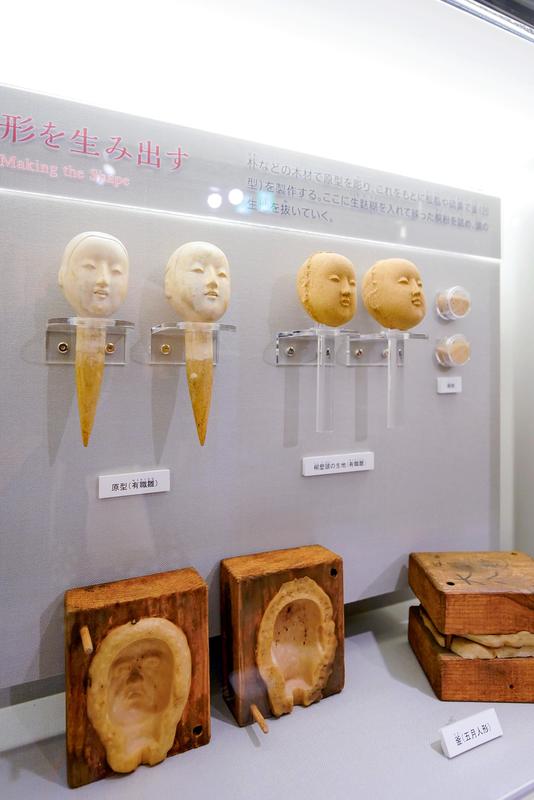
The museum also exhibits traditional doll-making techniques and tools used by craftsmen in Iwatsuki.
These exhibits give an insight into doll production, which is a craft that requires the dedicated craftwork of several artisans. This means the labor is divided and different craftsmen are involved in the intricate production of different doll parts. For example, in making a doll's head, the artisan in charge of that task would focus on repeatedly applying white gofun colorant, made with powered shells, to softly kneaded and molded paulownia sawdust in order to bring about the delicate feel of skin.
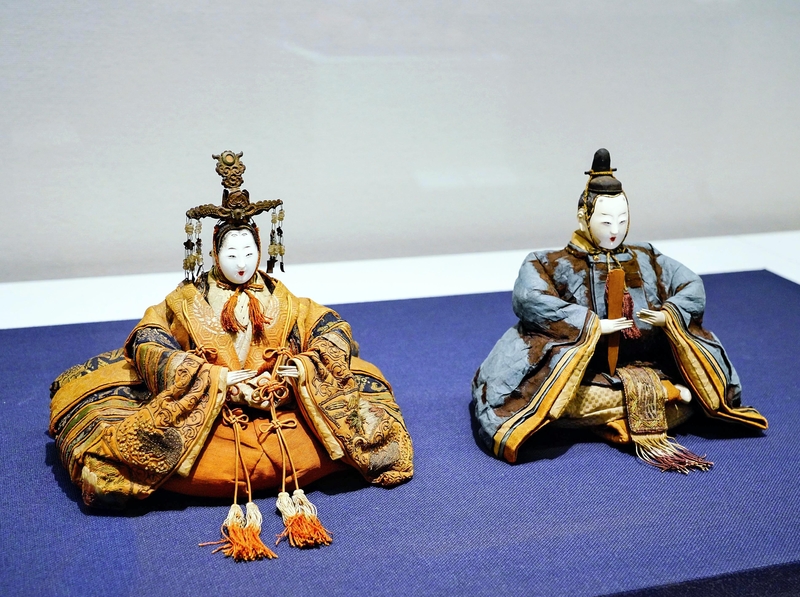
Visitors to the museum can also note how the styles of hina dolls have changed over time. They are actually said to have originated from katashiro -- a type of doll that is usually made of paper and which is believed to have the power to remove misfortune and evil spirits. Tachi bina, an old-style hina doll, has a standing pose and keeps the style of katashiro. Later on, hina dolls became more gorgeous and took on a seated position, and kokin bina, a doll similar to the present hina doll, became popular in the late Edo period.
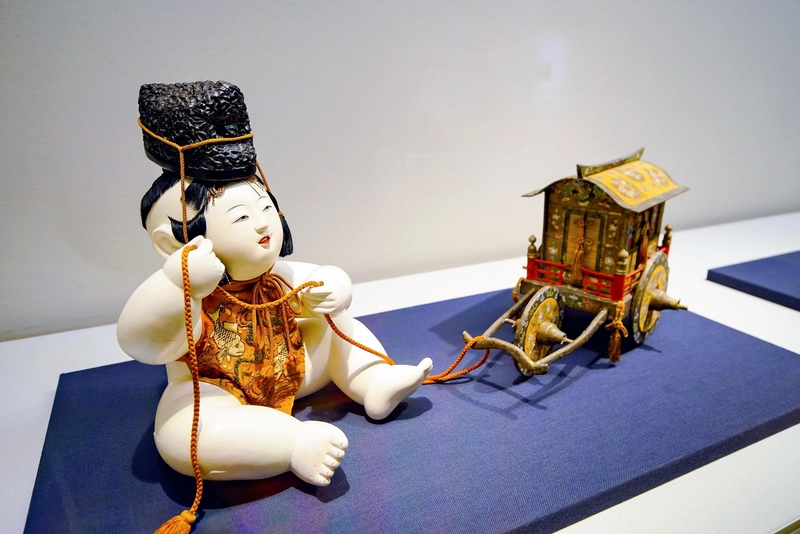
There are also gosho ningyo, which were made in the Edo period and have cute, round childlike form. It was an ideal figure of a child at that time and a symbol of the prosperity. Curator Chika Sugahara, 47, said: "People make or decorate dolls with their own meanings or feelings. I want visitors to enjoy the dolls with such backgrounds in mind."
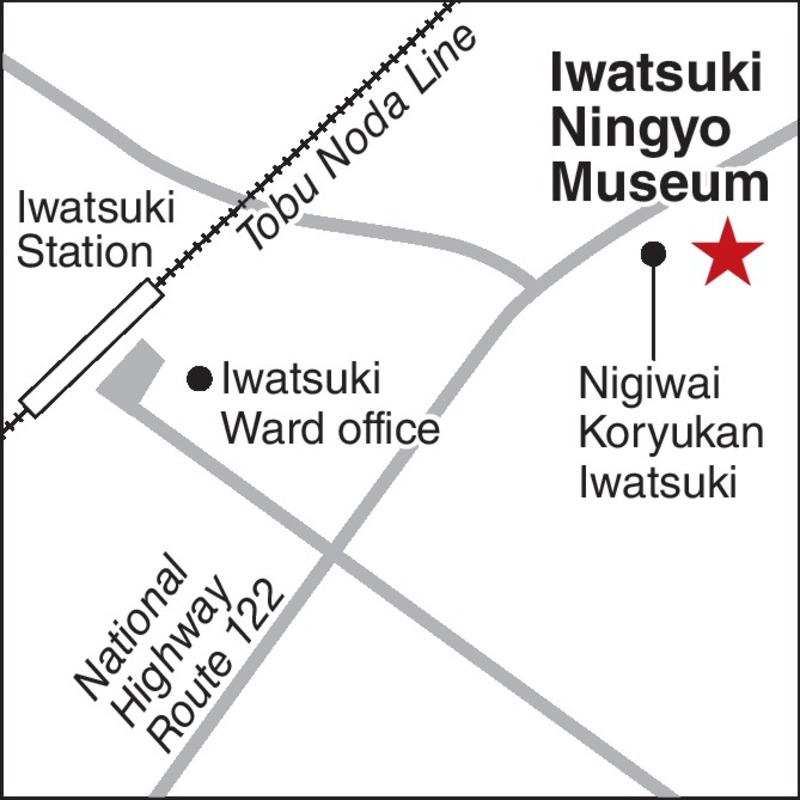
Iwatsuki Ningyo Museum: 6-1-1 Honmachi, Iwatsuki Ward, Saitama
Read more from The Japan News at https://japannews.yomiuri.co.jp/