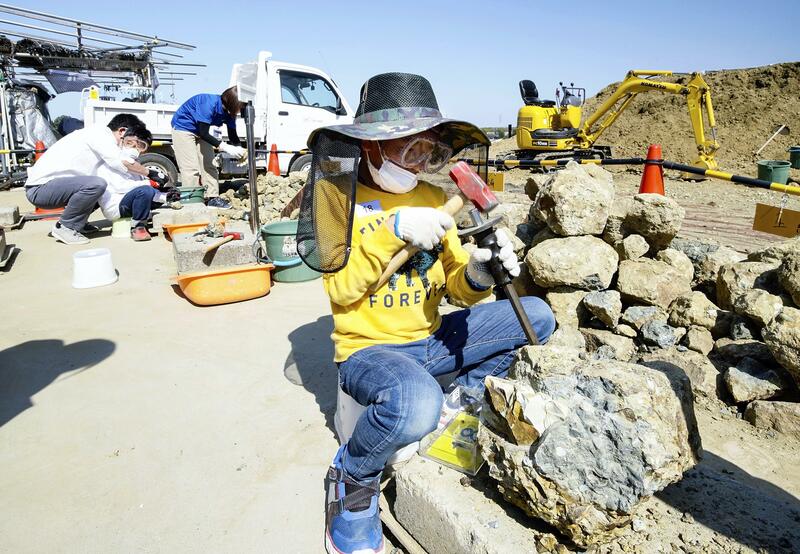
Around 15 million years ago, the area now known as Saitama Prefecture was located somewhere in the bottom of the ocean. The Fossil and Nature Experience Center in Higashi-Matsuyama has been making use of the region's prehistoric oceanic past by providing children with the chance to chisel away at stones and search for marine fossils embedded in the landlocked prefecture's topography.
After hearing that many marine fossils have been dug up over the years, I visited the center on a sunny afternoon in April to get a fisthand view of the area's primordial origins.
A total of 18 parents and children were hammering rocks and sifting busted up stones in sieves. Whenever the children broke loose some fossil-like debris, they rushed to the staffers hoping that what they had found is an ancient specimen. While most of what they found turned out to be just rocks, the participants enjoyed excavating until the very last moment of the workshop.
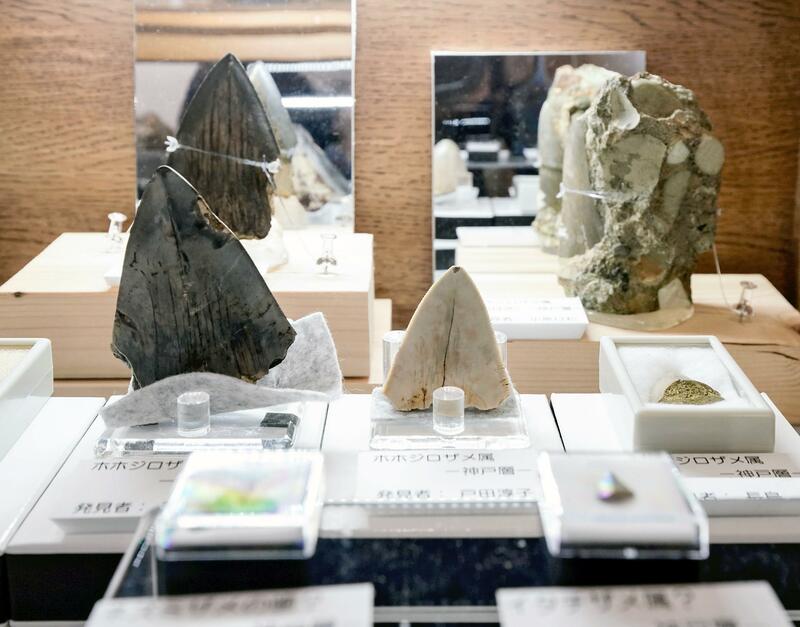
The Fossil and Nature Experience Center opened after many fossils were unearthed during the construction of an industrial park in the Kuzubukuro district of Higashi-Matsuyama in 2012. It is said that the region's geology is partly made up of a stratum rich in fossil deposits that dates back to when the area was part of the seabed. The city government gathered about 3,000 cubic meters of earth and sand and opened the center four years later.
More than 100 excavated teeth of blue sharks and great white sharks are exhibited at the center. The 10-centimeter-long teeth on display are believed to be those of a shark that measured more than 10 meters in length.
Shark teeth are extremely durable and more than 200 can fall out and regrow throughout a shark's lifespan, which is perhaps why their teeth are frequently found at the center.
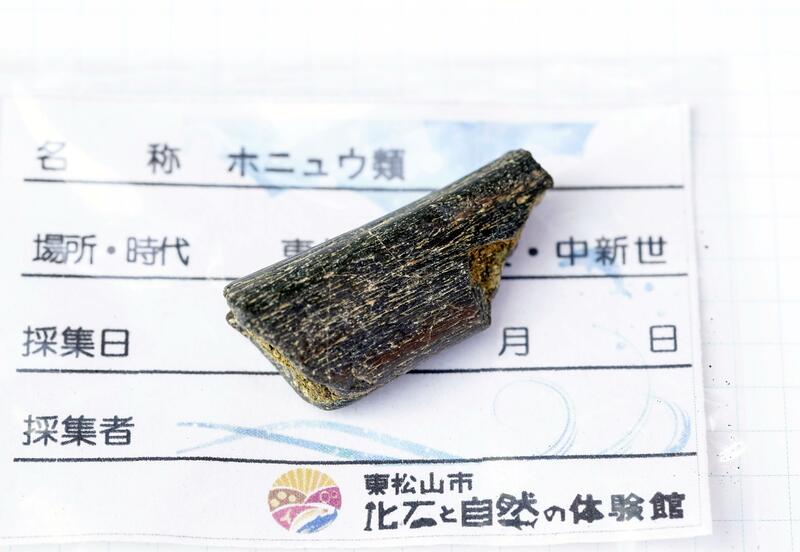
Sea urchin spines are also frequently found.
Museum director Motohiro Kakiage, 64, said that 70-80% of participants to the excavations find fossils. The fossils can be brought home, which helps to explain why the center has a high rate of repeat visitors.
Himari Yamamoto, a 9-year-old participant who came with her family from Okegawa in the prefecture, managed to dig up a rare bivalve fossil on her second visit.
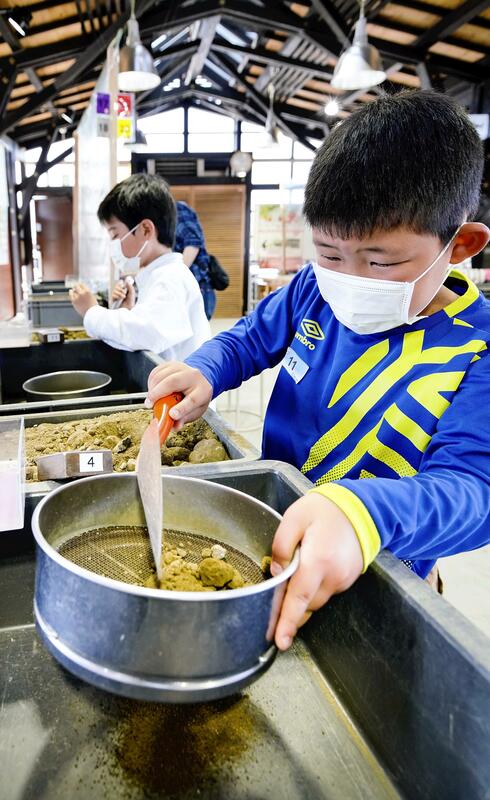
"It was difficult to break the rock with a hammer," she said. "But it was fun. I want to come here again."
On that day, one of the participants unearthed bones believed to be mammalian in origin. Such bones are of high academic value and Kakiage was surprised. "This kind of discovery is incredibly rare," he said. The bones are slated to be displayed at the center.
Having witnessed such scenes, I thought that the participants might one day discover something that would rock the foundations of accepted scientific research.
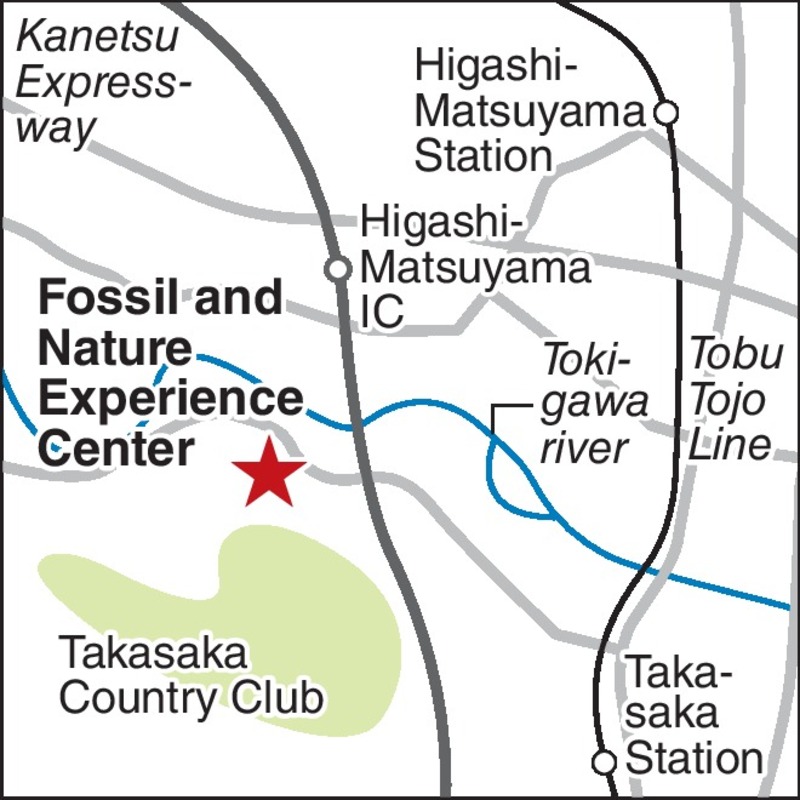
Fossil and Nature Experience Center: 13 Bandoyama, Higashi-Matsuyama, Saitama Prefecture
Read more from The Japan News at https://japannews.yomiuri.co.jp/