Dir: Rose Glass. Starring: Morfydd Clark, Jennifer Ehle, Lily Knight, Lily Frazer, Turlough Convery, Rosie Sansom. 15 cert, 84 mins
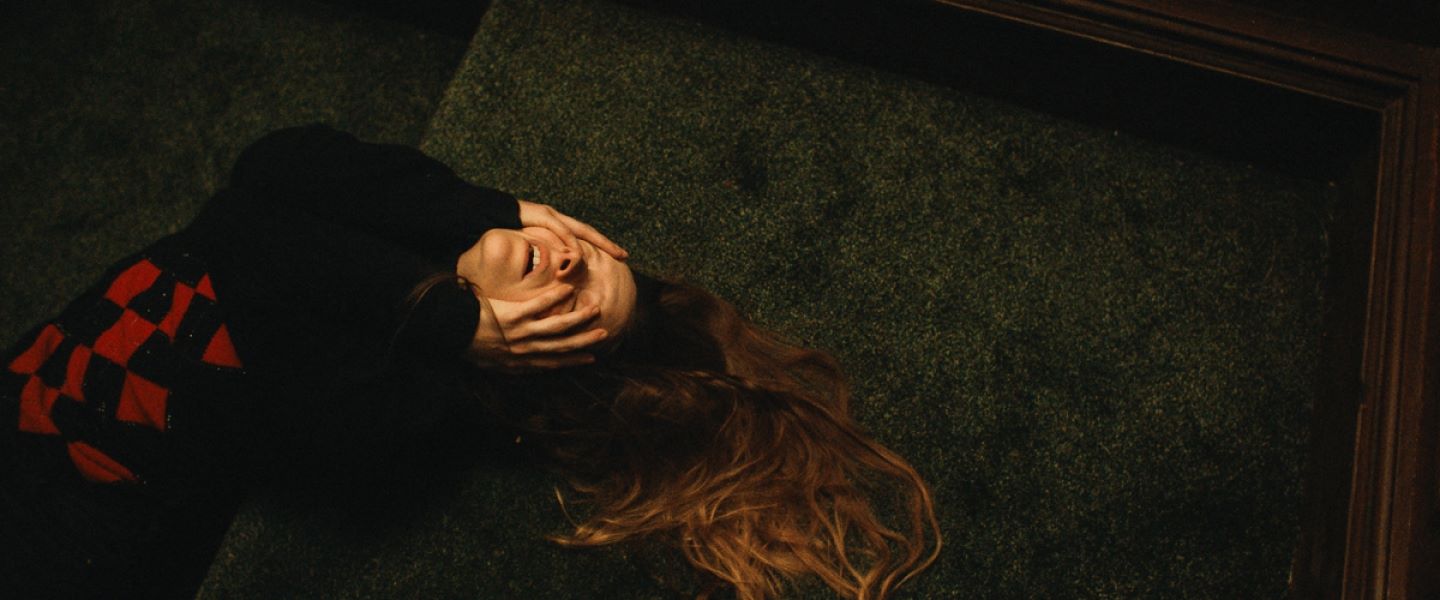
In Saint Maud, the year’s best horror film, we’re introduced to a young woman (Morfydd Clark) – quiet, stiff and stern – who’s been hired to care for a terminal cancer patient (Jennifer Ehle). Her days are routine, filled largely with cooking, cleaning and habitual fits of despair from her ward. The town they’re in, Scarborough, has been made to look half-rotted. But every once in the while, a strange kind of rapture takes hold of the young woman. It makes her bones tremble, turns her breath deep and raspy. She starts to contort in ways that seem physically impossible. The experience is orgasmic – but to her, it’s a visitation from God.
Rose Glass’s debut film is an exquisite slice of religious horror, centred on an unexpected (and potentially provocative) premise: what would the opposite of demonic possession look like? The young woman, Maud – if we’re to believe her experiences are genuine and not the result of madness – has seemingly become the target of heavenly forces. She talks frequently to God, who replies on occasion in growling, abyssal Welsh, a nod to her birthplace. Memories of the deadly mistake that led to her religious awakening return to her in ghastly visions: a body in a hospital bed. A chunk of hair, wet with blood. A cockroach in the ceiling.
Her name was different back then. She changed it in order to refashion herself in the image of the pious St Maud, the German queen who devoted her life to the sick and became the patron of misbehaving children. Ironically, Maud has judged herself as the errant youth in question – she seems desperate to purge herself of past habits that Glass, in a clever move, reveals to us without much fanfare. She trusts that her audience can connect the dots. And so Maud puts herself through all kinds of tortures. She kneels on broken peanut shells when she prays. She places upright nails in her shoes. Her connection with God is as personal and intimate as it can get – when she’s gifted a book of William Blake’s poetry, she finds herself drawn to his claims that organised religion is a barrier to true spiritual life.
“I hope you will reveal your plan for me soon,” she says in her prayers. Slowly, Maud starts to believe that her destined role in life is as the evangelical. If she can show her patient – Amanda, a once-celebrated dancer now dying of lymphoma of the spine – the righteous path, perhaps her time on Earth won’t have been wasted. Meanwhile, Amanda has suspended herself at the halfway point between giving up and carrying on as if nothing has changed. It’s a state of being that is wonderfully summed up in the image of her ripping off her fake eyelashes and tossing them onto a crumb-filled plate – glamour and disarray, hand in hand. Ehle captures both sensations perfectly, as she confesses to Maud: “You have no idea how dull it is to be dying.” At first, the two women seem enchanted by each other’s peculiarities. But Maud is increasingly repulsed by the string of lovers Amanda invites into her home, particularly the beautiful and flippant Carol (Lily Frazer).
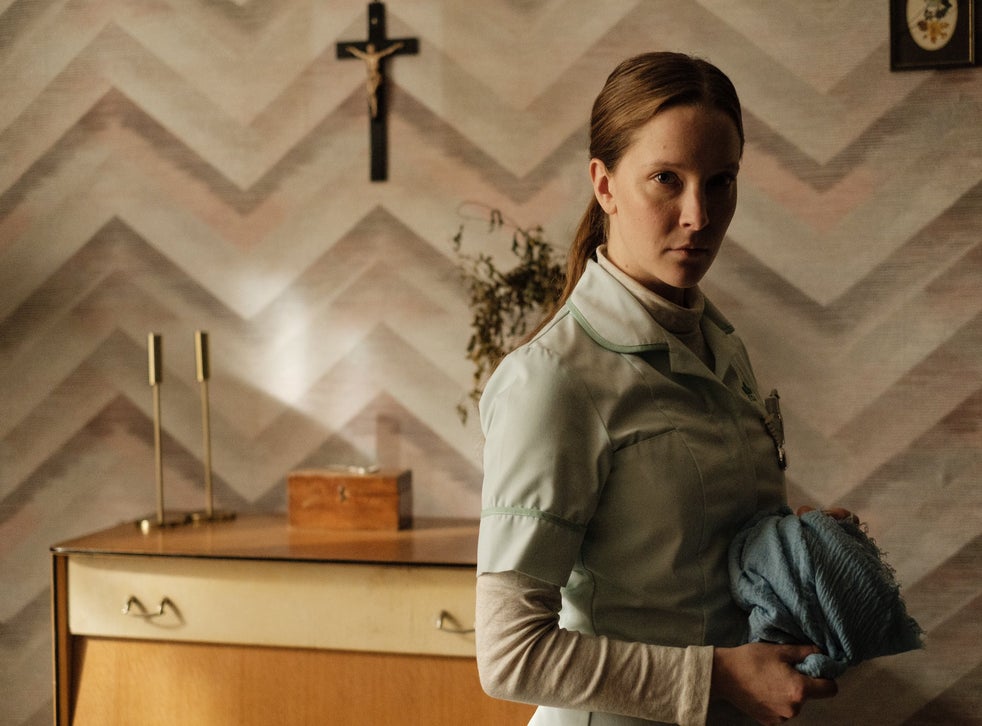
Is this jealousy? Homophobia? Saint Maud keeps its protagonist at arm’s length – not to isolate its audience from her, but to never give them the satisfaction of knowing the secrets of her heart. Glass’s film, which she both wrote and directed, is a magnificent slow-burner, a portrait of a woman headed toward an apocalypse of the self. Clark lets Maud’s obsessions consume her like a fever. The actor, who’s all cheekbones and furrowed brow, has a natural intensity to her (no wonder she was picked to play a young Galadriel in Amazon’s Lord of the Rings series). But her dedication here is astonishing, especially as she reaches the inevitable end to her character’s hysteria – culminating in an all-timer of a final shock.