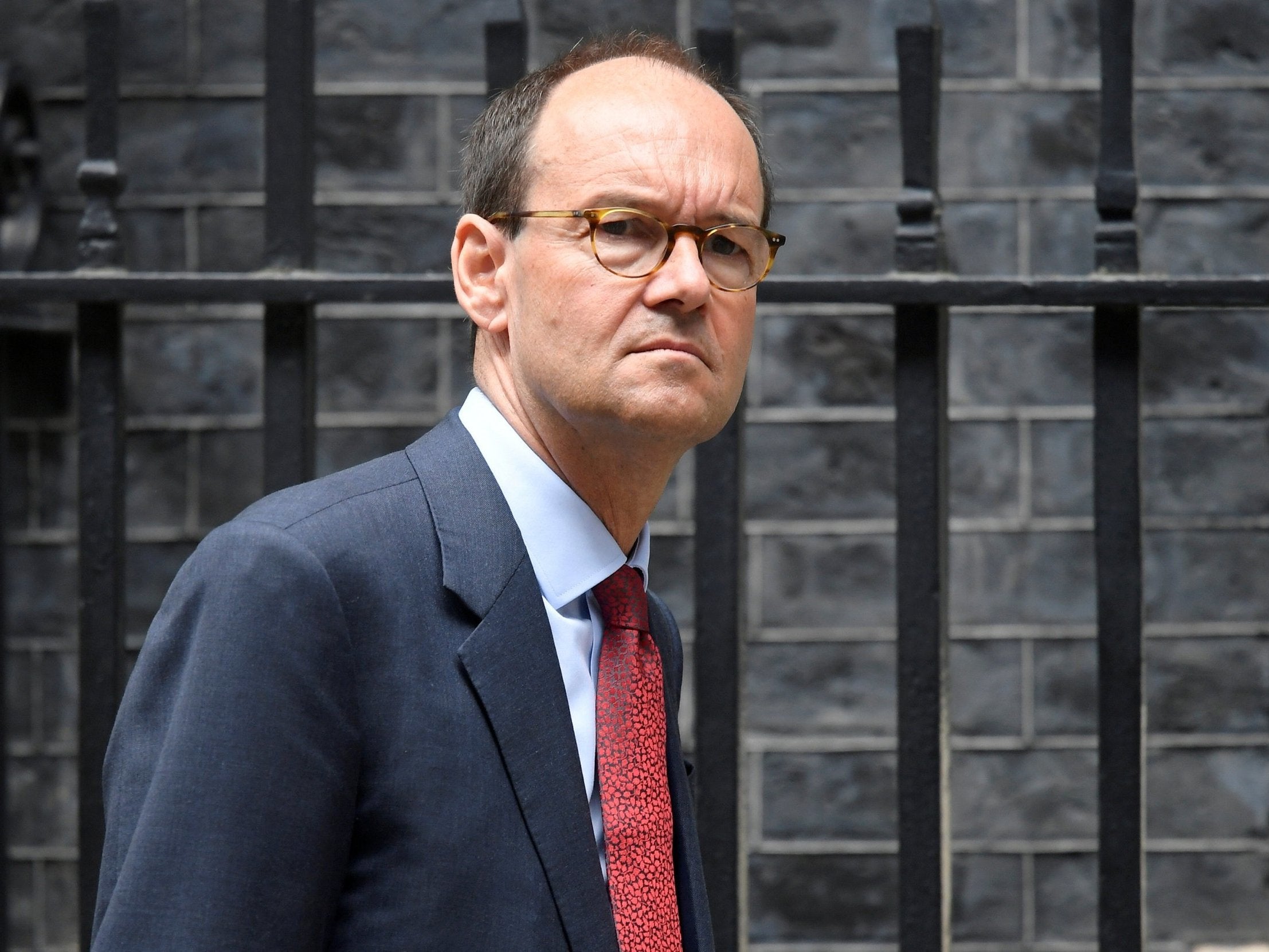
Sainsbury’s is in the midst of a full-scale pay row with the first fund managers now joining the media attack on CEO Mike Coupe’s 7 per cent rise to £3.8m.
Details of the package, in the grocer’s annual report, were released just weeks after the Competition and Markets Authority nixed his plans to pull off a deeply unpopular mega-merger with Asda, the one that led to him being filmed singing “We’re in the Money” ahead of an ITV interview to discuss the plans. He surely is. To the contrary for his shareholders. It cost them nearly £50m.
Ditto Sainsbury’s employees. Changes to the company’s pay structure for those not on the executive ladder will leave the staff hundreds of pounds worse off, according to unions, which are considering how best to challenge them.
These are the issues that touched off the firestorm. Just as pertinent, however, is the performance of the core business. It has been notably poor of late.
Coupe hailed a 7 per cent rise in “underlying” profits for Sainsbury’s most recent trading year, which was better than the City had expected.
But that figure did not include £396m of “one-off” costs. They’re a recurring feature of Sainsbury’s results and after factoring them in the headline pre-tax profits fell by more than 40 per cent, the third consecutive annual fall.
The latest market share figures from researcher Kantar last week made for still more grim reading. They showed that Sainsbury’s, which had been the clear number two, level pegging with the aforementioned Asda.
If its sales don’t pick up, it will be back in third place next time out.
Sainsbury’s grouses about these numbers because they’re based on data from the shopping baskets of a recurring panel. But it’s an extraordinarily comprehensive one, made up of 30,000 households across Britain, which explains why they are closely followed.
They exclude general merchandise (so the contribution of Argos in Sainsbury’s case) which also annoys the grocer, but so what? They show the core grocery business is struggling by comparison with rivals – something that is borne out by Sainsbury’s own figures and those of its competitors.
All this reflects poorly on Coupe’s stewardship of the day-to-day business. Of course, there’s been the distraction of the merger but, significantly, it doesn’t appear to have harmed the reviving Asda in the same way.
The pay package has once again drawn attention to these issues and led to the phrase “rewards for failure” being uttered. That’s a problem for a mass market consumer brand like this one.
Coupe could have handled this by recognising how bad the optics of his package were going to look and given up some or all of his bonus. Alternatively, the non-executive directors, who are supposed to look after the interests of shareholders and to pay due regard to those of their employees, could have had a word in his ear.
Is the fact that this didn’t apparently happen a pointer to his days being numbered? They will be if Sainsbury’s doesn’t show rapid improvement.