South Australia is urgently seeking a reciprocal travel bubble agreement with New Zealand to allow people from the state to travel across the Tasman.
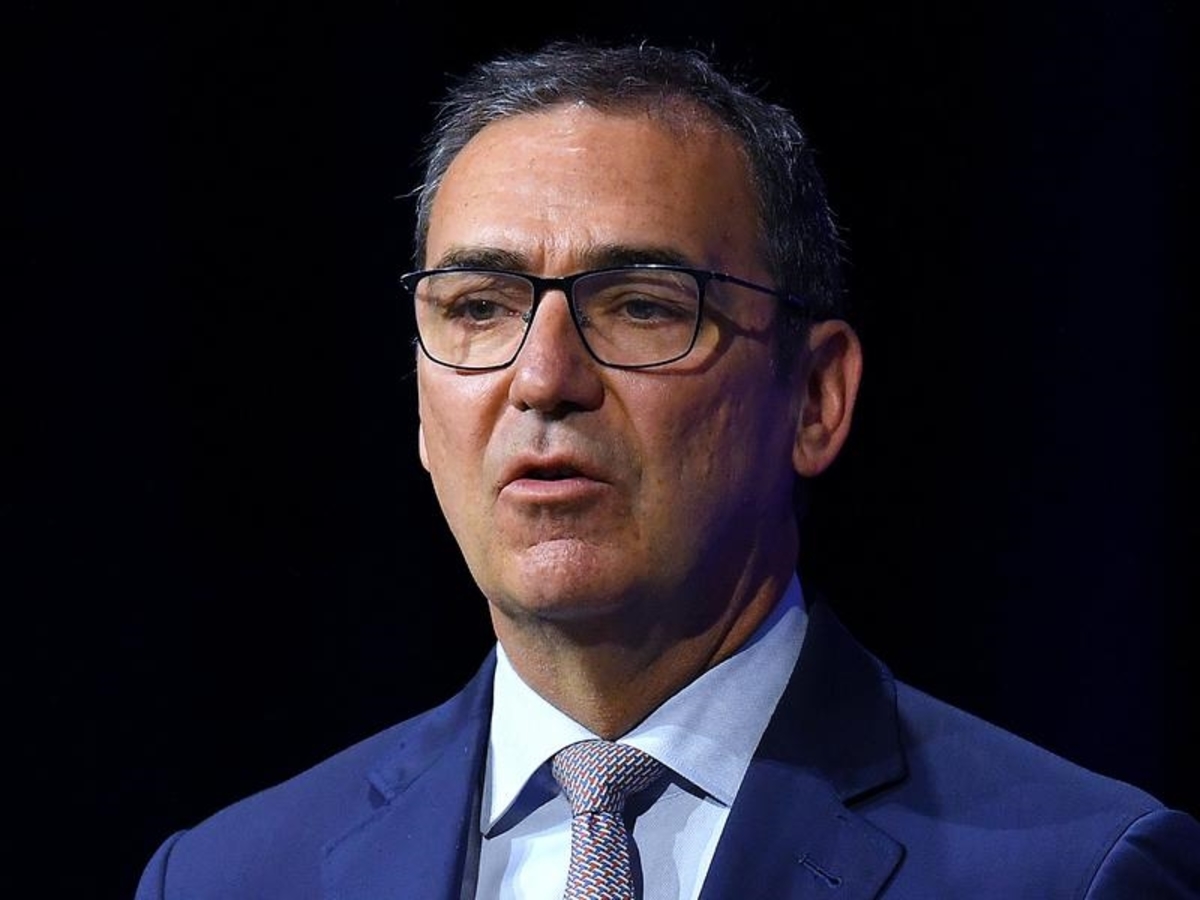
Premier Steven Marshall has written to NZ Prime Minister Jacinda Ardern to ask for her agreement after 12 New Zealanders travelled to SA this week and were forced into quarantine.
The New Zealanders arrived in the state under a federal government-negotiated one-way travel bubble with NZ allowing its citizens to enter NSW and the Northern Territory.
But many of those travellers took domestic flights from Sydney to other states not in the bubble, including SA, Western Australia and Queensland.
After ordering them into quarantine, SA relented on Tuesday and released them into the community, effectively bringing the state into the travel bubble.
Mr Marshall said SA now wanted to go one step further and secure permission for people to travel from South Australia to New Zealand and for returning New Zealanders not to have to quarantine when they get home.
He said South Australia's excellent performance in combating COVID-19 was deserving of special treatment from Ms Ardern.
"We don't serve any threat to New Zealand whatsoever," Mr Marshall told reporters on Wednesday.
"So I've put that in writing, asking her to reciprocate. I've laid out the case for South Australia having a different arrangement from other parts of the country.
"I hope she looks at that letter, considers the evidence and then moves to an arrangement."
SA Police Commissioner Grant Stevens said on Tuesday that after discussions between SA and NZ health officials, local authorities now had a level of comfort about the risk posed by those coming to SA.
In other changes announced on Tuesday, restrictions on communities close to the Victorian border were also eased.
People within the 70km buffer zone each side of the border will no longer be required to provide a legitimate reason for crossing the state line, allowing them to move about more freely.
But SA is still struggling with the notion of separate restrictions on people coming from other regional areas of Victoria and on people from Melbourne.
"We'd like to be able to accommodate regional Victoria but there are risks associated with that," Mr Stevens said.
However, people will be able to permanently relocate from Victoria to SA more easily, with no longer any requirement to seek a special health exemption.
They will only be asked to provide details of employment and permanent accommodation and will be required to quarantine for two weeks.
Similarly, high school and university students will be allowed to return to SA from Victoria at the end of the current terms.