A threatening letter, making references to poisoning, violence and repeated abuse, sent to the family of a man in disability care in South Australia was not properly investigated, the disability royal commission has heard.
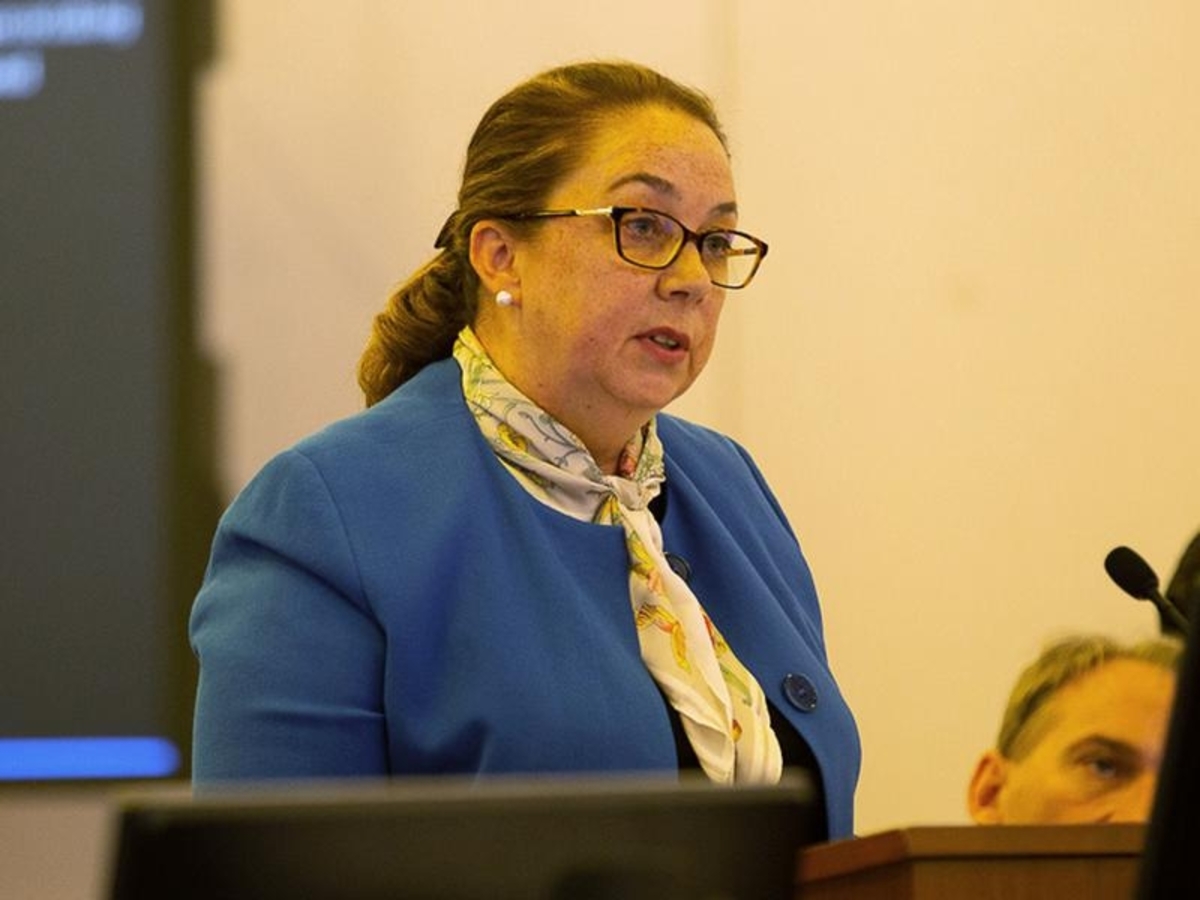
Presenting a series of proposed findings on Thursday, counsel assisting Kate Eastman SC told the commission that the SA Department of Human Services failed to take the letter seriously enough and failed to take adequate steps to find the author.
Ms Eastman said in the days after the letter was received in March 2018, there was no formal or methodical investigation, no records were retained and no report was produced.
"So seven days after the letter, what might be scoped as a start of an investigation was nothing more than a chat with various managers and supervisors," she said.
"The fact that none of this was documented has to be a matter of significance with consequences for the way in which the matter was then handled throughout 2018 and 2019."
In the letter, the man identified during the hearings as Mitchell, was referred to as "the piglet".
It made references to him potentially being poisoned, having acid put in his shampoo bottle, falling down stairs, being locked up, being denied food or "going through the windscreen, seatbelt unclipped".
"This little piglet is going to be abused with cruelty, violence ... regularly and repeatedly," the letter said.
Ms Eastman said despite a second investigation being conducted after intervention by the South Australian ombudsman, the author of the letter had still not been identified.
She said it was her submission that the second investigation was also deficient in methodology and analysis, and was neither sufficient nor competent.
The commission heard the failure to take adequate steps to identify and hold the author responsible demonstrated a lack of accountability on the part of authorities.
Ms Eastman said it was also open to the commission to find that Mitchell's case study highlighted a failure by the department to be person-centred and maintain a focus on the safety and wellbeing of people in accommodation services.
In their own submissions on Thursday, the family of Mitchell supported the proposed findings put by counsel assisting and said identifying the author of the threatening letter should have been the first and foremost priority for the department.
They said the failure to conduct a proper investigation, and particularly a direction to the investigator at one stage not to "follow-up" on finding the author, was a "very serious failure and a dereliction of responsibilities of the department".
Through counsel, the family also questioned why the letter was not considered a "critical incident".
"There can be no doubt that the letter did constitute, as a threat as menacing as it was, a critical incident," the family said.
"It is inexplicable why a critical incident would not have included a malicious threat to the safety of a resident."
In its submissions in response to the proposed findings, the SA government conceded the initial investigation into the letter was insufficient and became "distracted" from the aim of finding the person responsible.
However, it said the department had taken the letter seriously and had acted to conduct more checks on Mitchell's accommodation complex, increased staffing levels and appointed a new supervisor.
"The actions demonstrate a genuine concern for the welfare of Mitchell and a commitment to taking all reasonable steps to ensure Mitchell's safety and to reassure his family," the government said in its written response.
The government said it accepted that the treatment of Mitchell was both unacceptable and sub-standard and something people with disabilities should not be subjected to.
"We don't shy away from the fact that the department strives to do better than what was the subject of evidence at the public hearing," it said.