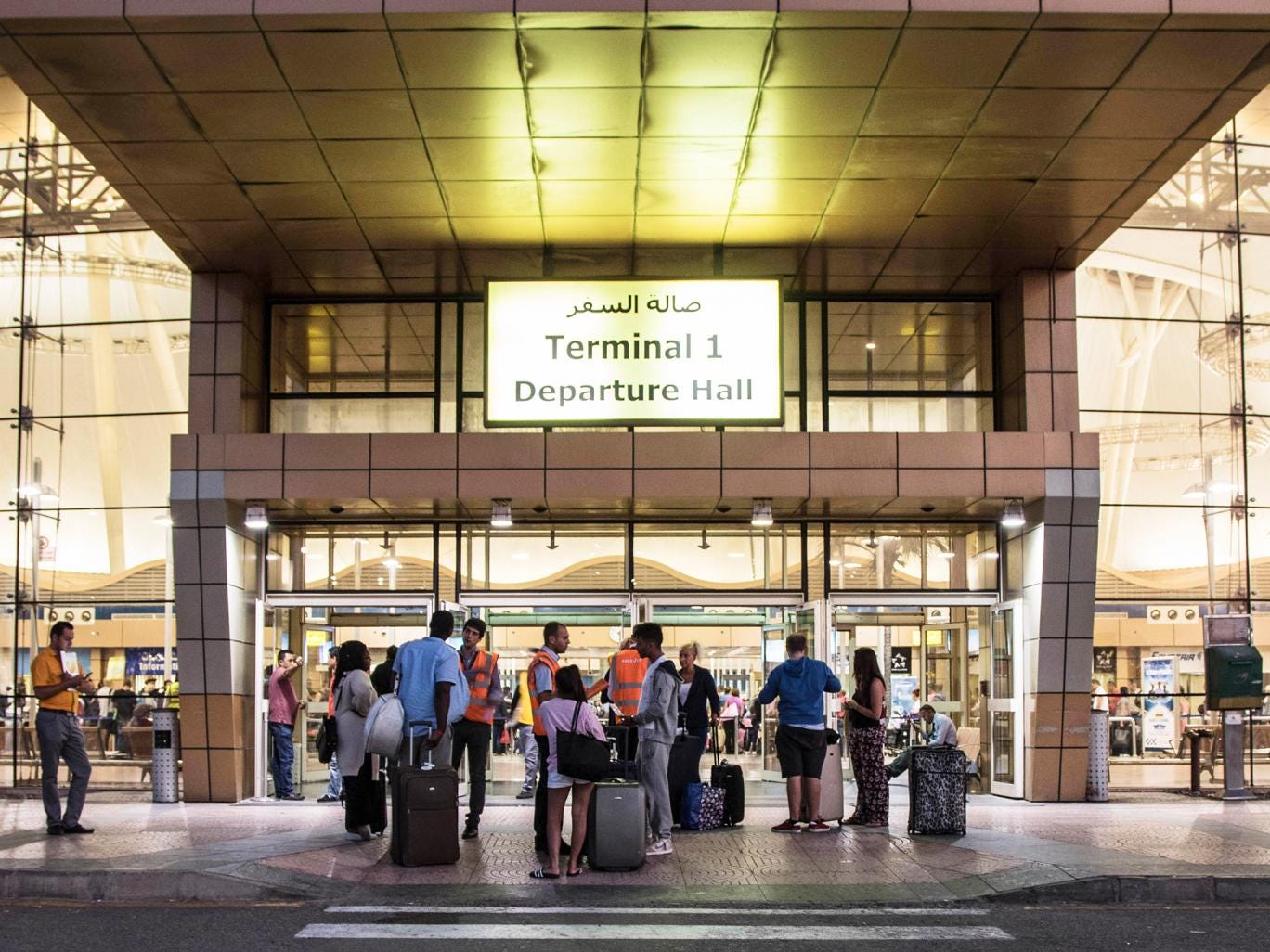
As the Foreign Secretary warned of tighter security at vulnerable airports, airlines serving Sharm el Sheikh expect the ban on flights to the Egyptian resort to be lifted shortly.
Philip Hammond, who was previously Transport Secretary, told BBC1's Andrew Marr Show: “We will have to look again at the level of security we expect to see in airports in areas where Isil is active.
“What we have got to do is ensure that airport security everywhere is at the level of the best and that airport security reflects the local conditions.”
There have long been concerns that the standards of aviation security in the developing world are lower than in western Europe and North America. The UK government’s working assumption is that the Metrojet flight to St Petersburg was brought down by an explosive device placed on board - either directly, or by hiding a bomb in passengers’ luggage at some point between check-in and loading.
Last Wednesday the Foreign Office demanded British airlines suspend flights to and from Sharm el Sheikh. The ban was lifted on Friday for UK-bound flights, but only if nothing is carried in the holds. Passengers’ luggage is being flown back separately.
British security experts have been assessing standards and processes at Sharm el Sheikh airport in the wake of the crash. They are expected to recommend the current Foreign Office ban is lifted providing Cairo gives assurances about upgrading security.
Travellers flying in and out of Sharm el Sheikh are likely to be the first to experience the tougher security promised for locations with “a higher local threat level,” as the Foreign Secretary put it.
The new measures could include techniques last seen in the UK during the Troubles in Northern Ireland. On flights to and from Belfast in the 1970s and 80s, luggage destined for the hold or for the cabin was hand-searched and then sealed with tamper-evident tape.
Such an operation is very time-consuming, which could lead to much earlier check-in deadlines - as UK travellers are now experiencing in Sharm el Sheikh. British Airways is advising its passengers to arrive at the airport five hours before departure.
The extra costs will be met by airlines, who will seek to recover the money from passengers’ fares.
Other airports under consideration for extra security include Algiers, Dhaka in Bangladesh, and Riyadh and Jeddah in Saudi Arabia. None of these can be counted as holiday airports. However, leisure travellers next summer may experience tighter security at airports serving resorts in Turkey, notably Antalya, Dalaman and Bodrum.
Jomo Kenyatta airport in Nairobi could also be a candidate. While the main terrorist threat in Kenya is from Al Shabaab rather than Isil, there have long been concerns about the vulnerability of the nation’s main airport.
In anticipation of the UK government lifting the outbound flight ban to Sharm el Sheikh, airlines are selling tickets from the UK to the Egyptian resort for as early as next weekend.
Monarch is planning to re-start flights on Friday 13 November, while British Airways is selling seats on its departure from Gatwick the following day. The two main tour operators, Thomas Cook and Thomson, are selling package holidays from next weekend onwards, and are offering discounts of up to 49 per cent.