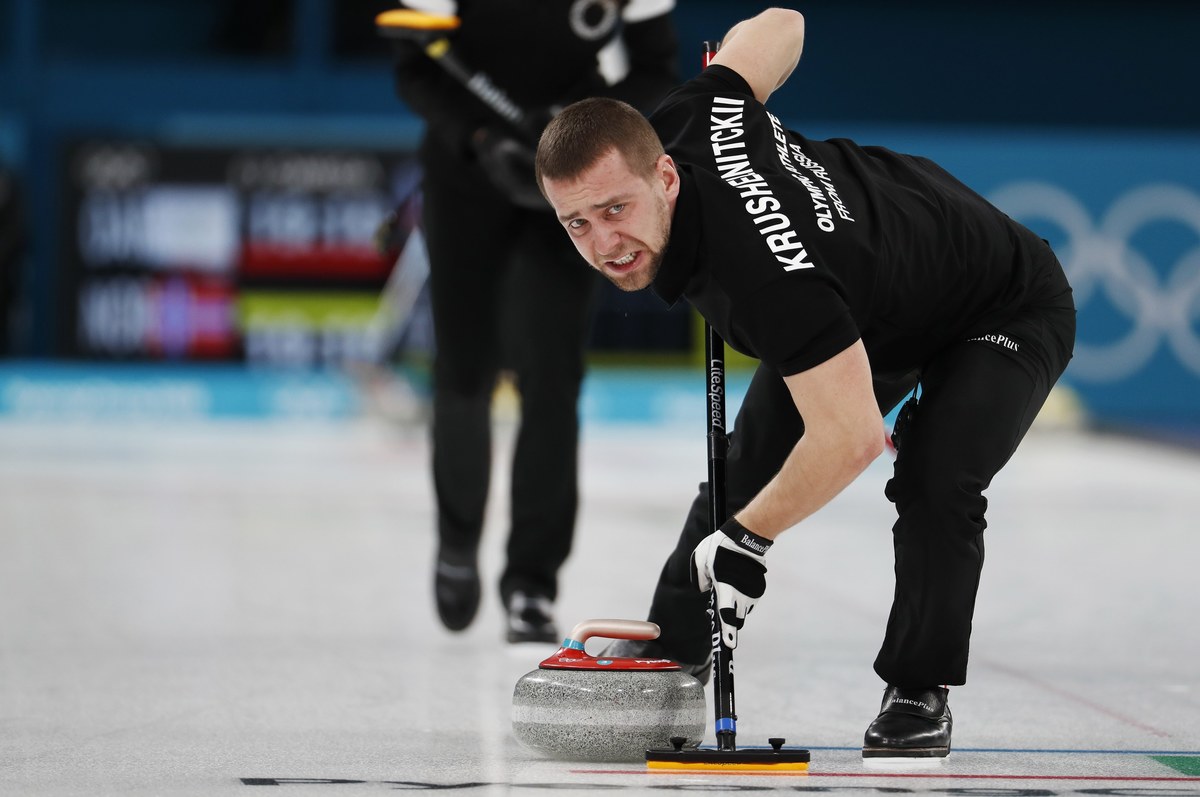
PYEONGCHANG, South Korea (Reuters) - Russian Olympic medallist Alexander Krushelnitsky has denied taking a banned substance in a suspected doping case that has rocked the Pyeongchang Winter Games and could imperil Russia's efforts to regain its full Olympic status.
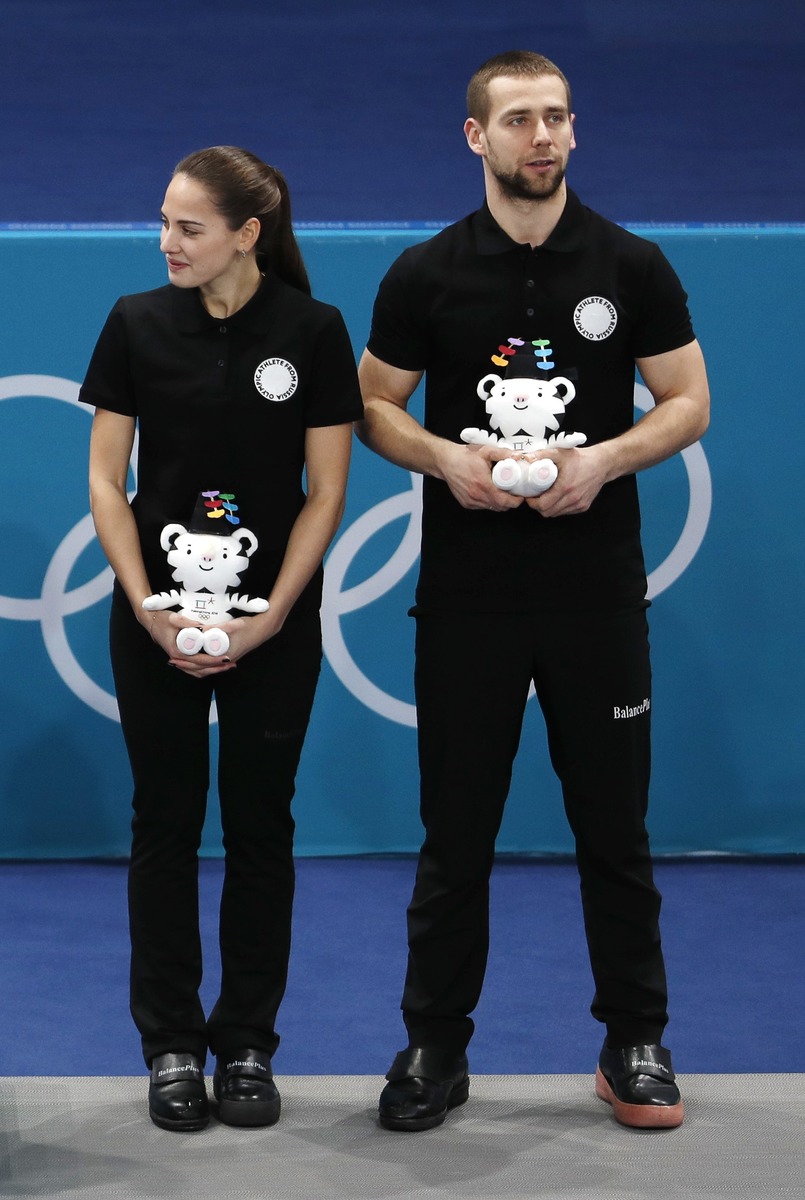
Krushelnitsky, who won bronze in Pyeongchang with his wife in mixed doubles curling, is set to face a Court of Arbitration for Sport hearing in the near future after he tested positive for meldonium, a drug that can aid in endurance.
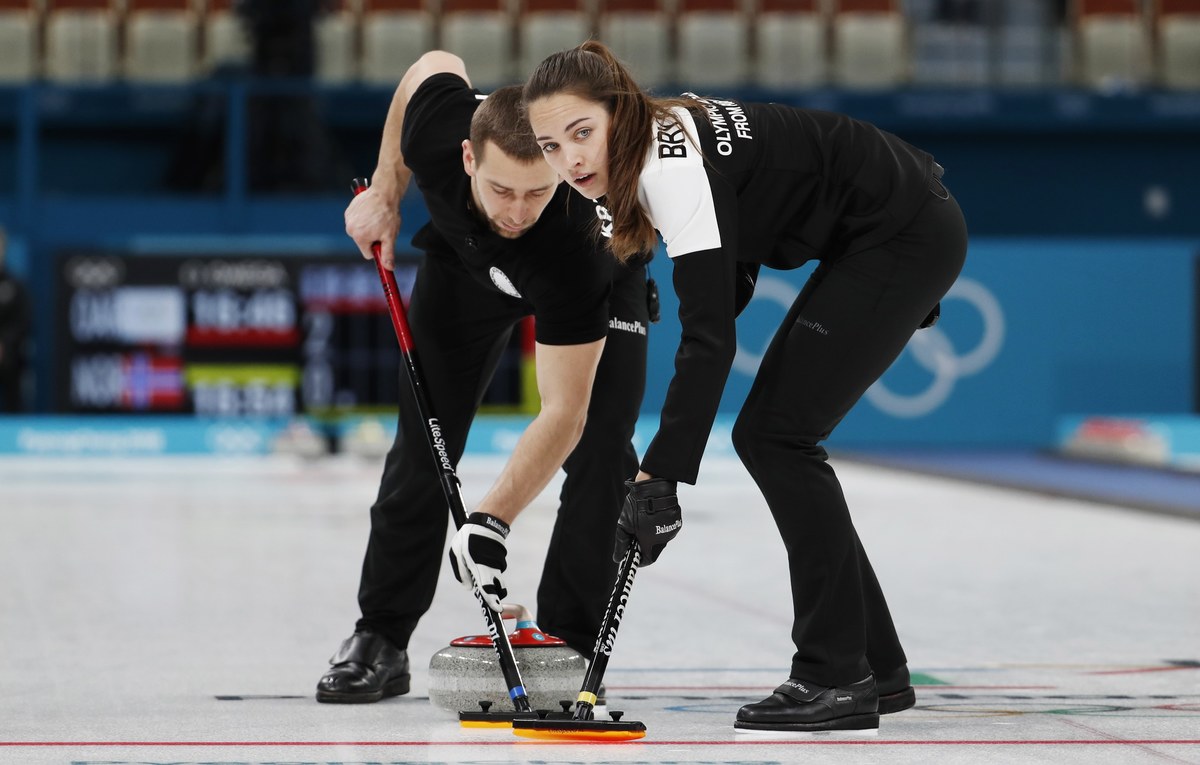
In his first comments since the positive test emerged this week, Krushelnitsky said he had never taken any banned substances and was categorically against doping.
"Only a person devoid of common sense can use any kind of doping, and especially (through drugs) like meldonium, ahead of the Olympics where testing is at its highest level," he said in a statement published on Tuesday on the website of the Russian curling federation.
The case has caused bewilderment among curling athletes. The sport, a kind of chess on ice, calls for steady hands and concentration rather than physical fitness.
Russian Sports Minister Pavel Kolobkov came to Krushelnitsky's defence on Tuesday, saying the athlete could not have taken a banned drug deliberately.
"It's obvious that in this particular case, the athlete could not have intentionally used a prohibited substance, it just does not make any sense," Kolobkov told TASS news agency.
"Curling, in theory, in not the kind of sport in which dishonest athletes dope," he added.
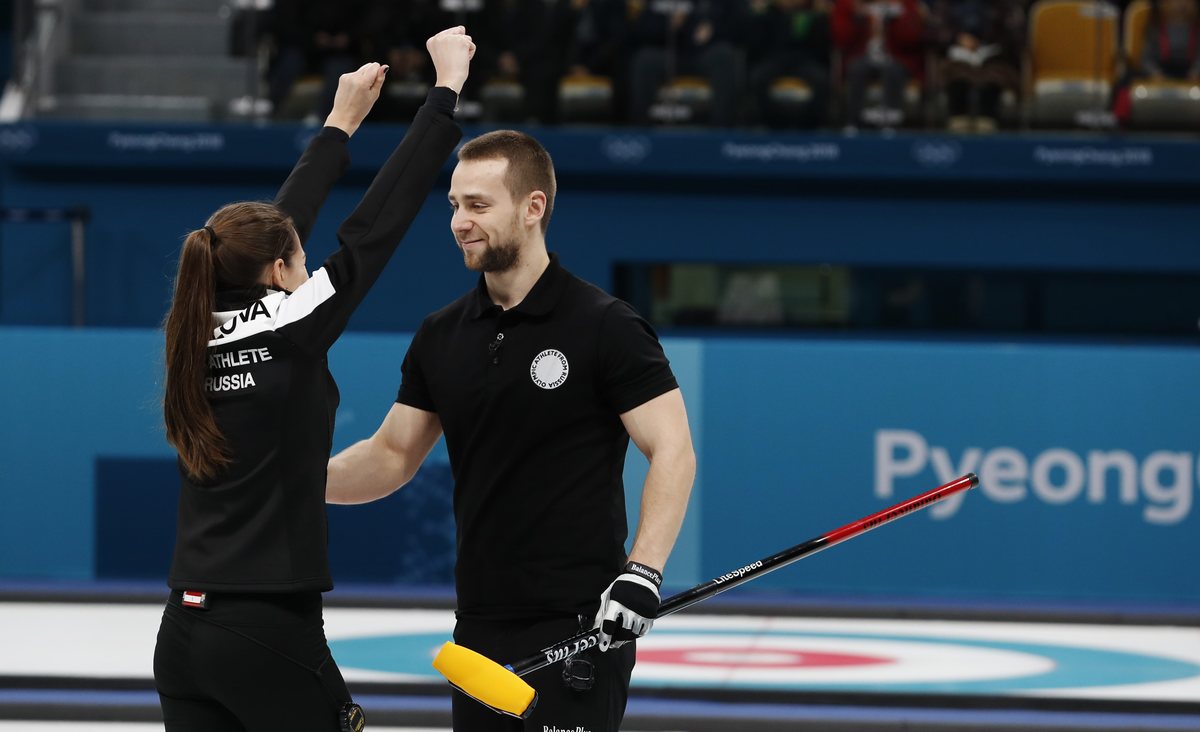
The doping case has come at a delicate time for Russia, which has been accused of running a state-backed, systematic doping programme for years, an allegation Moscow denies.
Its athletes are competing at Pyeongchang as neutral athletes, and Russia had been hoping that a clean record at the Games would enable it to return to full Olympic status.
The Russian Olympic delegation said on Tuesday it could not explain how meldonium ended up in Krushelnitsky's body and that it was launching an investigation.
"We express our sincere regret for this incident," it said in a statement.
"We completely share and support the position of the International Olympic Committee and the World Anti-Doping Agency in terms of zero tolerance for doping and are taking all necessary measures for those who are guilty to be held as responsible as possible."
The delegation said the concentration of meldonium found in Krushelnitsky's sample suggested he would not have derived a benefit.
(Reporting by Gabrielle Tétrault-Farber in Pyeongchang, Polina Ivanova and Polina Nikolskaya in Moscow; Editing by Mark Bendeich)