Unsettling incidents, including a passenger train brought to a sudden halt and explosives detonated under another, have prompted Poland to deploy 10,000 troops, blaming Russia for a campaign of sabotage across Europe.
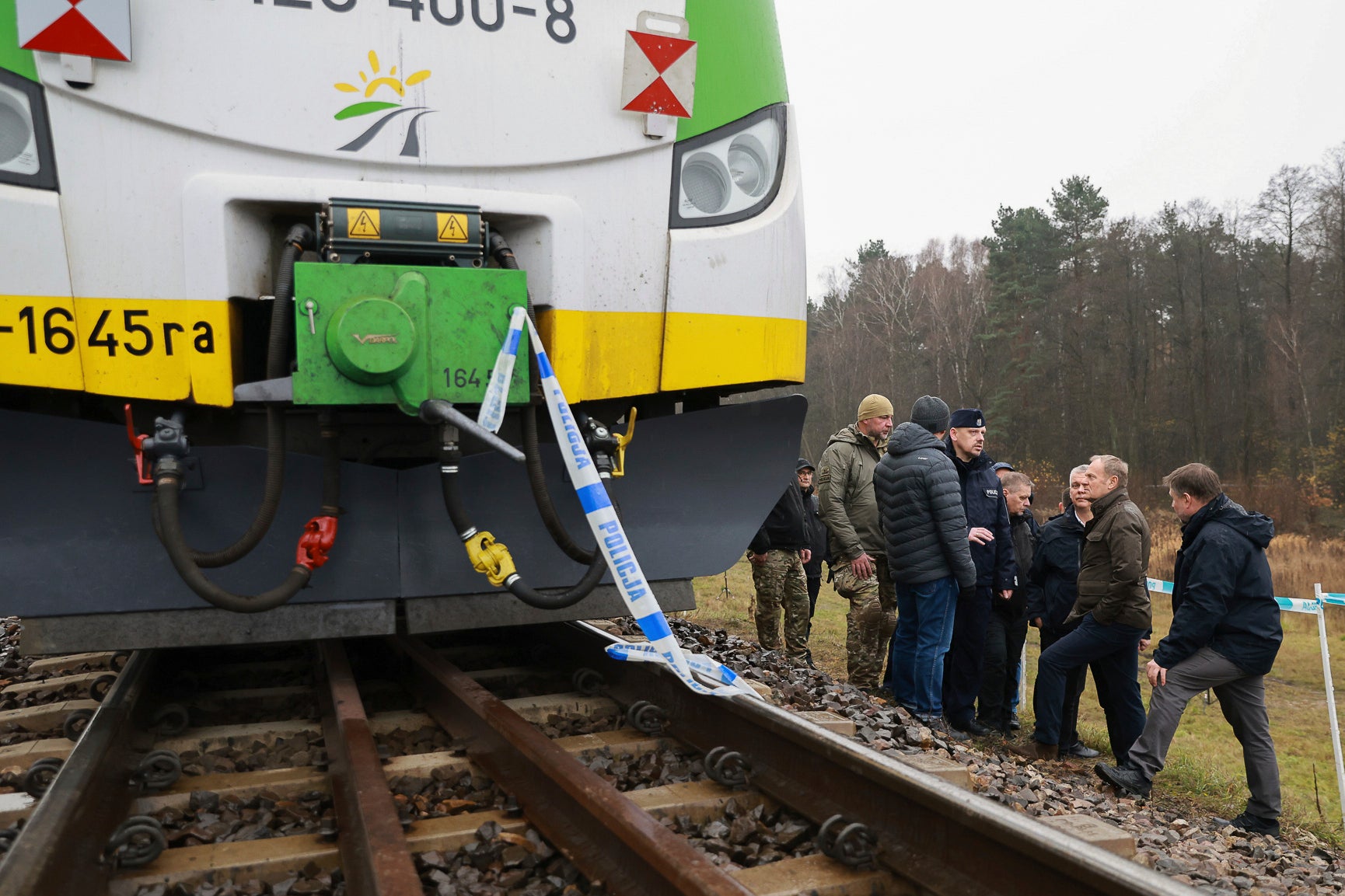
In November, a train carrying nearly 500 people in eastern Poland was abruptly stopped by a broken overhead line, shattering windows and damaging the track.
Elsewhere, explosives detonated beneath a passing freight train. Despite no injuries or major damage, Poland swiftly blamed Russian intelligence services, deploying 10,000 troops to protect critical infrastructure.
These events are among 145 incidents in an Associated Press database, which Western officials contend are part of a wider Russian disruption campaign across Europe.
Since President Vladimir Putin’s 2022 invasion of Ukraine, the alleged campaign seeks to undermine support for Kyiv, foster divisions, and expose security vulnerabilities.
While most acts in this "hybrid war" have caused minimal damage, unlike the devastation in Ukraine, officials warn they are draining vital security resources.
The head of a major European intelligence service noted Russian interference investigations now consume as much agency time as terrorism.
While the campaign places a heavy burden on European security services, it costs Russia next to nothing, officials say.
That’s because Moscow is carrying out cross-border operations that require European countries to cooperate extensively on investigations — while often using foreigners with criminal backgrounds as cheap proxies for Russian intelligence operatives.
That means Moscow notches up a win just by tying up resources — even when plots aren’t successful.
“It’s a 24/7 operation between all the services to stop it,” said a senior European intelligence official, who like the head of the European intelligence service and other officials who spoke to AP insisted on anonymity to discuss sensitive security matters.
Over the course of the year, AP spoke to more than 40 European and NATO officials from 13 countries to document the scope of this hybrid war, including incidents on its map only when linked by Western officials to Russia, its proxies or its ally Belarus.
Putin's spokesman Dmitry Peskov told AP that Russia doesn't have “any connection” with the campaign.
Russian sabotage and disruption across Europe
AP’s database shows a spike in arson and explosives plots from one in 2023 to 26 in 2024. Six have been documented so far in 2025. Three vandalism cases were recorded last year, meanwhile, and one this year.
The data is incomplete since not all incidents are made public, and it can take officials months to establish a link to Moscow. But the spike matches what officials have warned: The campaign is growing more dangerous.
The countries most frequently targeted, according to the map, border Russia: Poland and Estonia. Several incidents have also occurred in Latvia, the UK, Germany and France. All are major supporters of Ukraine.
The European official, a senior Baltic intelligence official and another intelligence official said the campaign noticeably calmed in late 2024 and early this year. Their analysis showed Moscow likely paused the campaign to curry favor with US President Donald Trump's new administration. It has since resumed at full pace.
“They are back to business,” the European official said.
Multicountry plots drain resources
The man officials say was behind the attack on the Polish railway that carries supplies to Ukraine is Yevgeny Ivanov — a Ukrainian convicted of working with Russian military intelligence to plot arson attacks at home improvement stores, a cafe and a drone factory in Ukraine, according to court documents.
Ivanov, who left Poland after the attack there, worked for Yury Sizov, an officer from Russia's GRU military intelligence service, according to Ukraine’s security service.
Ivanov was convicted in absentia in Ukraine but managed to enter Poland because Ukraine did not inform Polish officials of his conviction, Polish Interior Minister Marcin Kierwiński said. Ukraine’s security service said it closely cooperates with allies.
Staging plots that involve perpetrators from several countries or who have crossed borders drains investigatory resources from multiple authorities across Europe — one of Moscow’s key goals, according to Estonian State Prosecutor Triinu Olev-Aas.
Over the last year, she said the profile of attackers in Estonia has changed from locals largely known to law enforcement to unknown foreigners. That requires increased cooperation among countries to disrupt plots or detain perpetrators.
For two attacks in January — fires set at a supermarket and a Ukrainian restaurant — the people hired had never been to Estonia before, Olev-Aas said.
At the restaurant, a Moldovan man smashed a window, threw in a can of gasoline and set it alight. Video showed his arm on fire as he ran away.
The man and his accomplice fled through Latvia, Lithuania and Poland before being caught in Italy.
Turning to criminals
While Russian intelligence officers might be the masterminds of such operations, they frequently rely on recruiters — often with convictions or criminal connections — who assign tasks to saboteurs on the ground, the Baltic official said.
Outsourcing to people with criminal backgrounds, like Ivanov, means Russia doesn’t have to risk highly trained intelligence operatives — agents Moscow often doesn’t have recourse to anyway since European countries kicked out scores of spies as relations nosedived in recent years.
Russian criminal networks offer a ready-made alternative, the Baltic official said.
The European official said the man accused of coordinating a plot to put explosives in packages on cargo planes, for example, was recruited by Russian intelligence after involvement with smuggling guns and explosives. The man is linked to at least four other plots.
Other people are recruited from European prisons or soon after they're released, the Baltic official said.
In one case, the Museum of the Occupation of Latvia, dedicated to the Soviet Union’s occupation of the country, was set on fire by someone released from prison the previous month.
Greater strain, greater cooperation
Even plots that are foiled are a win for Moscow because they test defenses and waste resources.
In 2024, a Ukrainian man, working on the orders of Russian military intelligence, dug up a cache of items buried in a cemetery in Lithuania, including drone parts and cans of corn filled with explosives.
Officials believe the plan was to rig the drones with the explosives. The plot was eventually foiled — but not before considerable resources were used to track down everyone involved, said Jacek Dobrzyński, the spokesperson for Poland’s security minister.
The sheer number of plots is overstretching some law enforcement agencies, but Moscow’s campaign has also fostered greater cooperation, the European official said.
Prosecutors in Latvia, Lithuania and Estonia have created joint investigation teams for attacks organised by foreign intelligence services, said Mārtiņš Jansons, a special prosecutor in Latvia.
In the UK, front-line police officers are being trained to spot suspicious incidents that may be state-backed, said Commander Dominic Murphy, head of the counterterrorism squad at the Metropolitan Police.
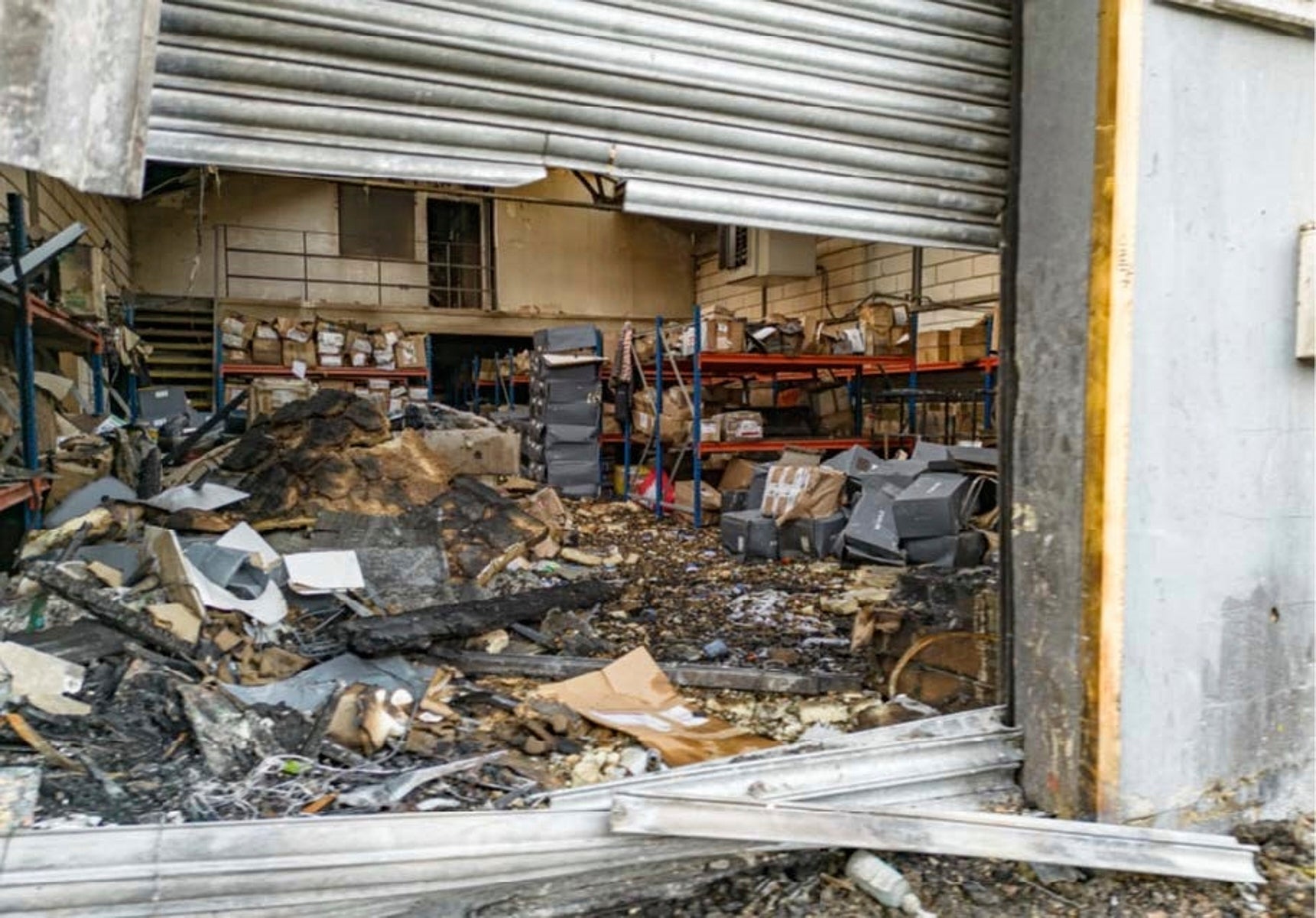
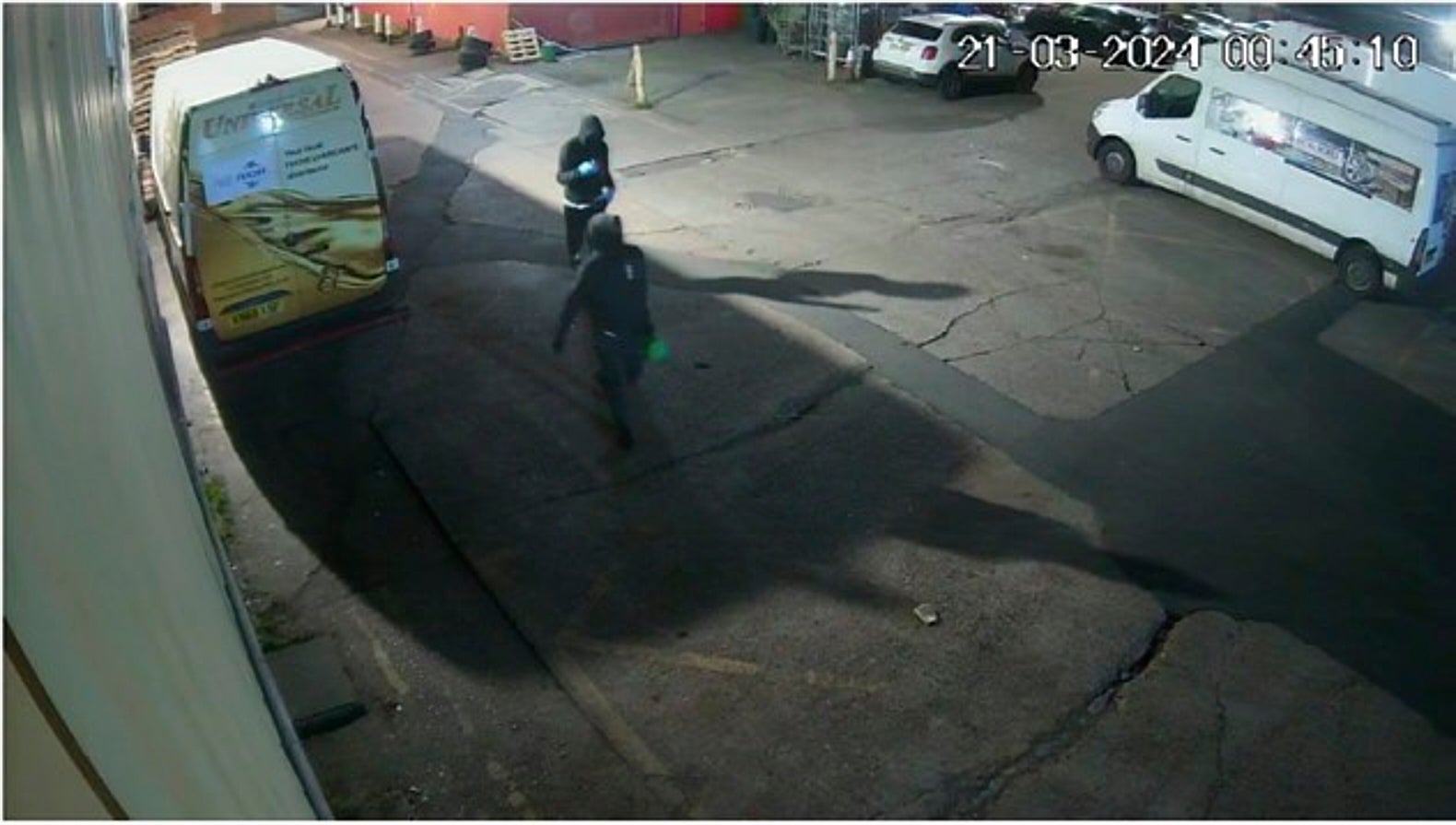
He noted a trainee detective flagged an arson attack at a warehouse in London after realising the business was owned by Ukrainians and contained communications devices used by the military. Police determined the attack was organised by Russian intelligence.
But officials warn Russia is continually testing new methods.
Smugglers in Russia’s ally Belarus have sent hundreds of weather balloons carrying cigarettes into Lithuania and Poland, repeatedly forcing the Lithuanian capital’s airport to shut in what authorities called a hybrid attack.
“Nowadays they only carry cigarettes," Dobrzyński warned, "but in future they could carry other things."
Ukraine war latest: Tusk says EU must choose between ‘money today or blood tomorrow’
Melania Trump drops new trailer for her $40M Amazon documentary
Trump touts accomplishments as Americans express frustration with the economy: Live
Pulitzer Prize-winning correspondent Peter Arnett, who reported from Vietnam and Gulf War, has died
‘Racist’ slanted-eye gesture by Miss Finland sparks outrage
Putin says talk of war with West is ‘hysteria’ – two weeks after threatening Europe