Russia plans to build its first batch of icebreakers that are powered by liquified natural gas, a top official said on Friday, returning to an idea that was put on hold.
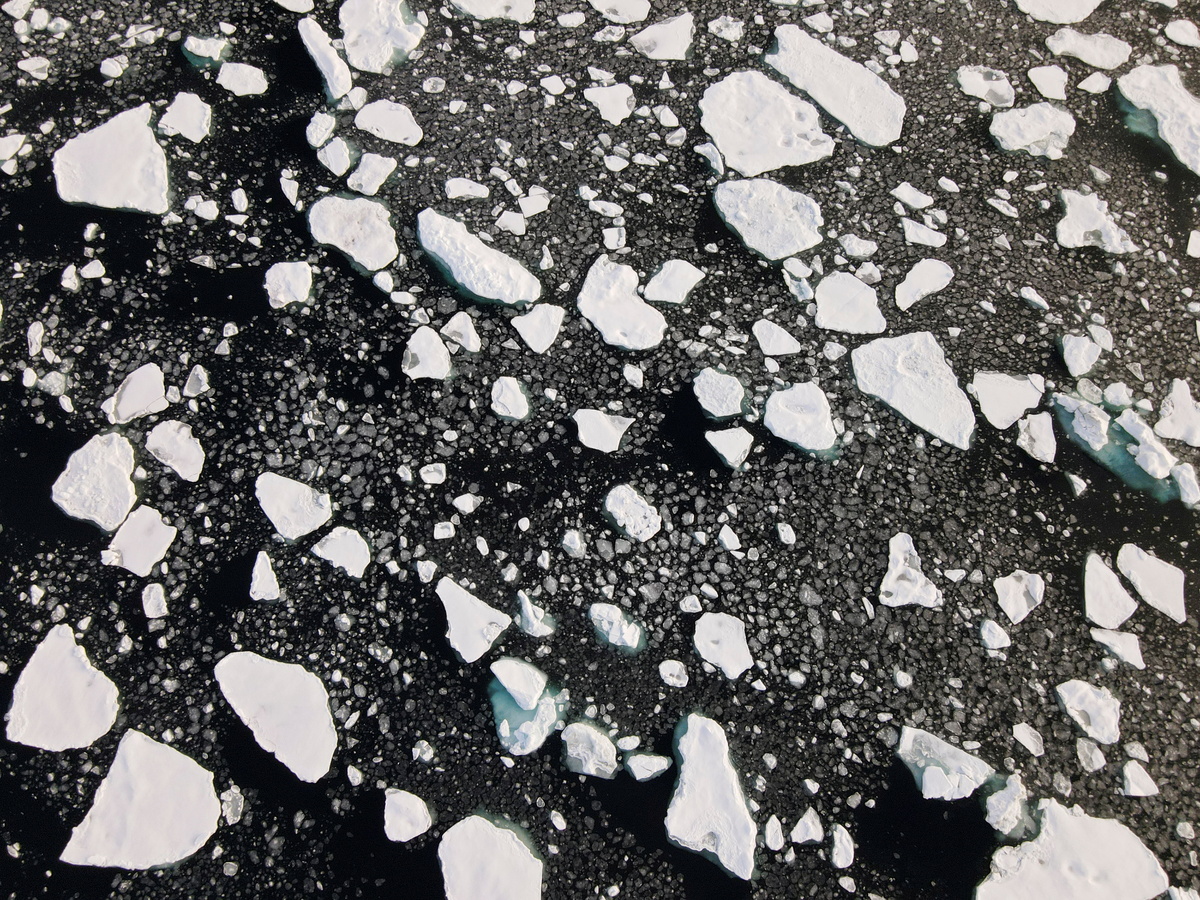
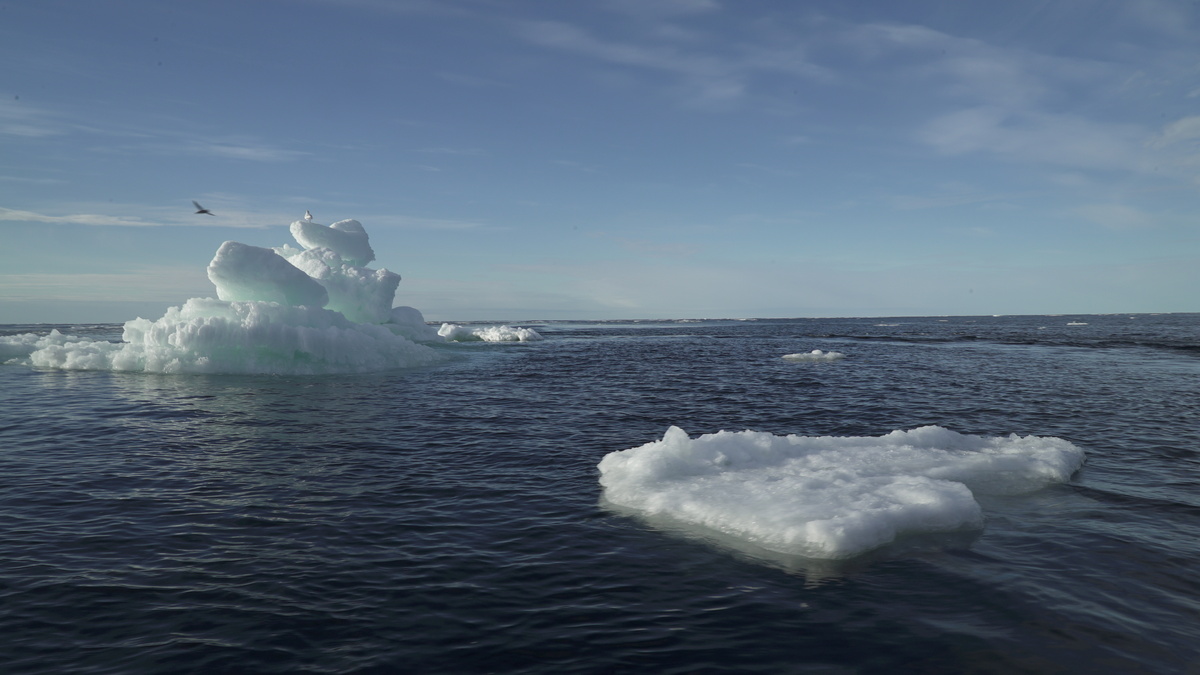
Russia has the world's only fleet of nuclear-powered icebreakers. It is building up that fleet, hoping to develop the Northern Sea Route across its northern flank into an international shipping lane as climate change melts the ice.
"We are now returning to this topic (building LNG-powered icebreakers). I think that by the end of the year we will decide on the possible construction of two to four medium-sized icebreakers," Rosatom chief Alexei Likhachev told reporters.
Russia's government has named state nuclear energy firm Rosatom as the Northern Sea Route's state operator.
Gas producer Novatek signed an agreement of understanding with Rosatom to develop LNG-powered icebreakers in 2018. But those plans went quiet. Novatek has several LNG projects in the Arctic.
LNG-powered icebreakers cost half the 60 billion roubles ($814 million) needed to build nuclear-powered icebreakers.
Likhachev's deputy Kirill Komarov said Rosatom had also ordered another two nuclear-powered icebreakers known by their project name 22220.
Arktika, Russia's newest icebreaker that was built last year, was the first of that project series. Another four are currently in development.
The Kremlin wants to increase the amount of cargo transported through the NSR to 80 million tonnes from 33 million tonnes last year by shipping hydrocarbons and other resources produced in the Arctic.
($1 = 73.7251 roubles)
(Reporting by Gleb Stolyarov; writing by Tom Balmforth; editing by Louise Heavens)