Russia has issued tenders to buy anti-riot kits and protective police gear, state procurement documents showed, ahead of a protest that allies of jailed Kremlin critic Alexei Navalny hope will be the largest in modern Russian history.
Navalny, 44, was jailed in February on charges he said were fabricated. He declared a hunger strike on Wednesday in a bid to force the prison holding him to provide proper medical care for what he said was acute pain in his back and legs.
His allies, who staged three demonstrations in the winter to demand his release, said they would announce a date for a new nationwide street protest once 500,000 people had registered to attend. Some 370,000 people have registered so far.
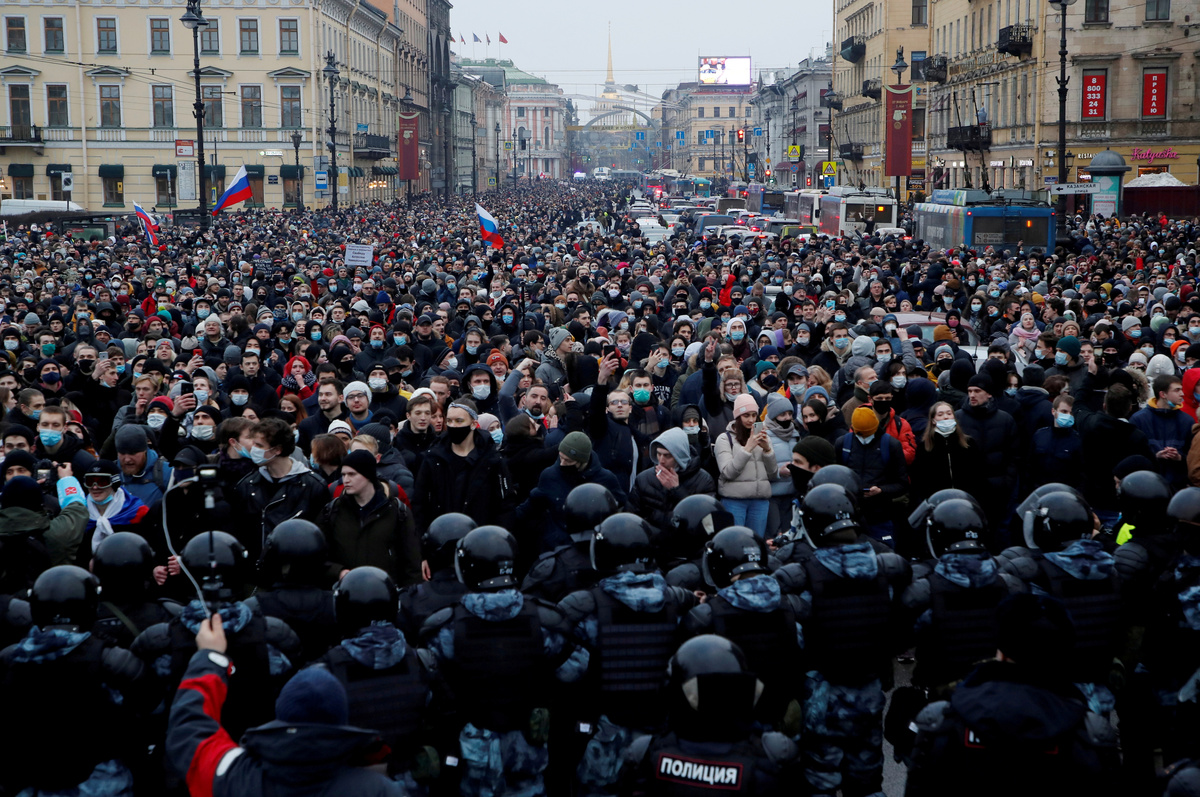
The authorities have called such street protests illegal and have pledged to break them up.
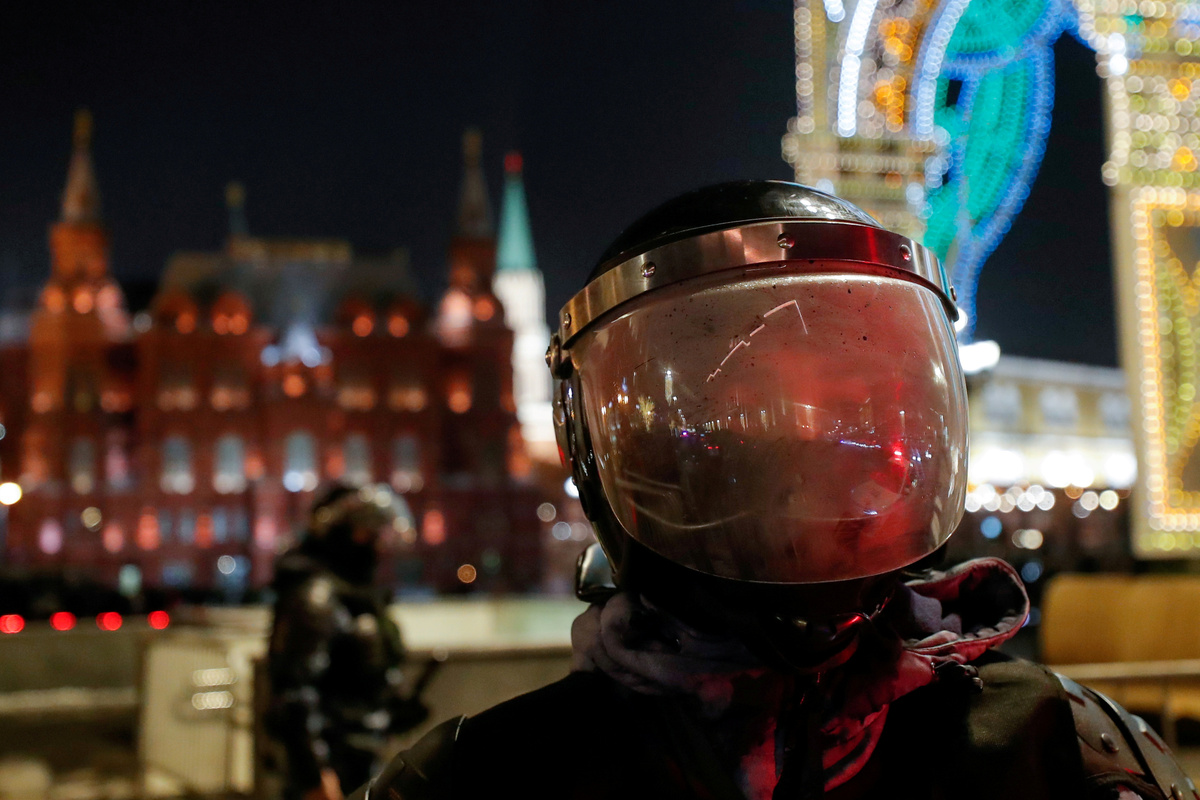
An Interior Ministry tender, published on Russia's state procurement online portal on March 30, requested the provision of more than 2,000 police anti-riot kits worth some 239 million roubles ($3.15 million). Each kit includes body armour, a helmet and leg protectors.
The ministry also issued tenders for the purchase of 1,625 protective kits, 200 helmets and more than 400 bulletproof vests.
The Interior Ministry did not immediately respond to a request for comment.
In February, the prison authority issued tenders for the purchase of hundreds of tasers, smoke grenades and protective gear after nationwide rallies in support of Navalny.
Navalny was arrested in January when he returned to Russia from Germany, where he had received treatment after being poisoned in Siberia with what German military doctors said was a nerve agent.
Western countries have called for his release. Moscow has called such appeals unacceptable interference in its internal affairs and said it has seen no evidence that Navalny was poisoned.
($1 = 75.9600 roubles)
(Reporting by Gabrielle Tétrault-Farber; Editing by Gareth Jones)