Russia's first seaborne nuclear power plant sets sail across Arctic
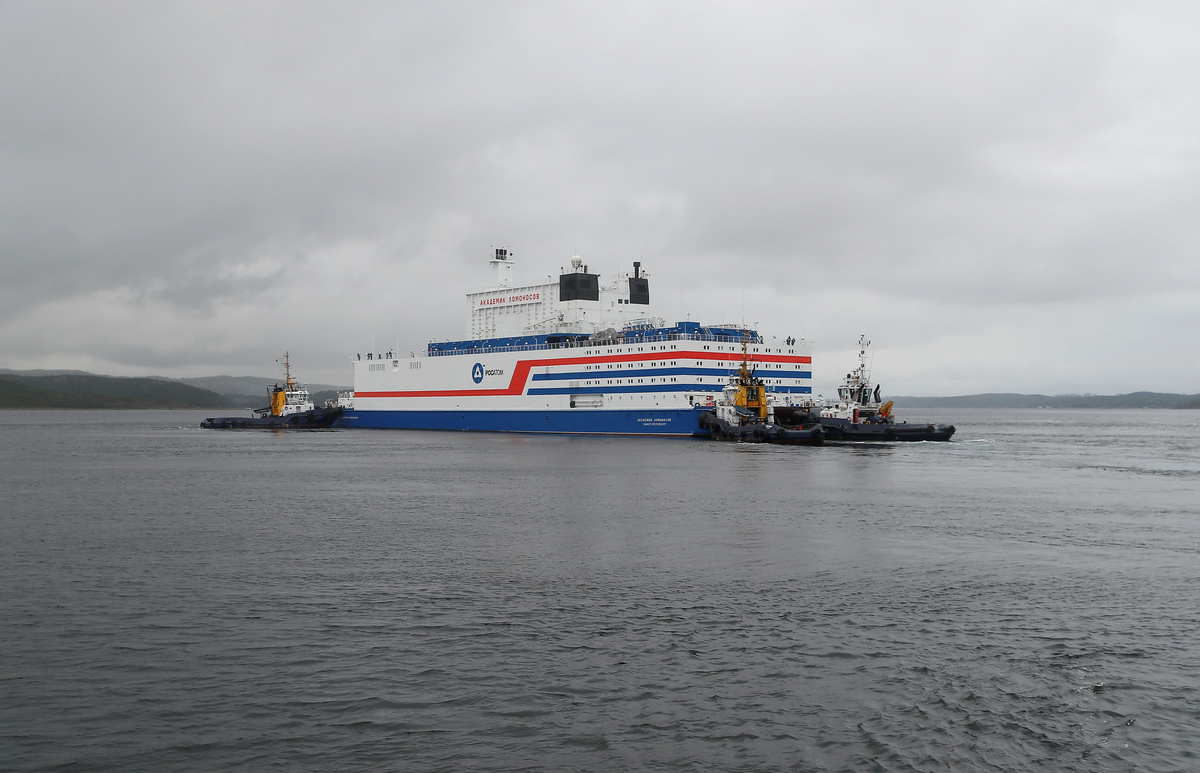
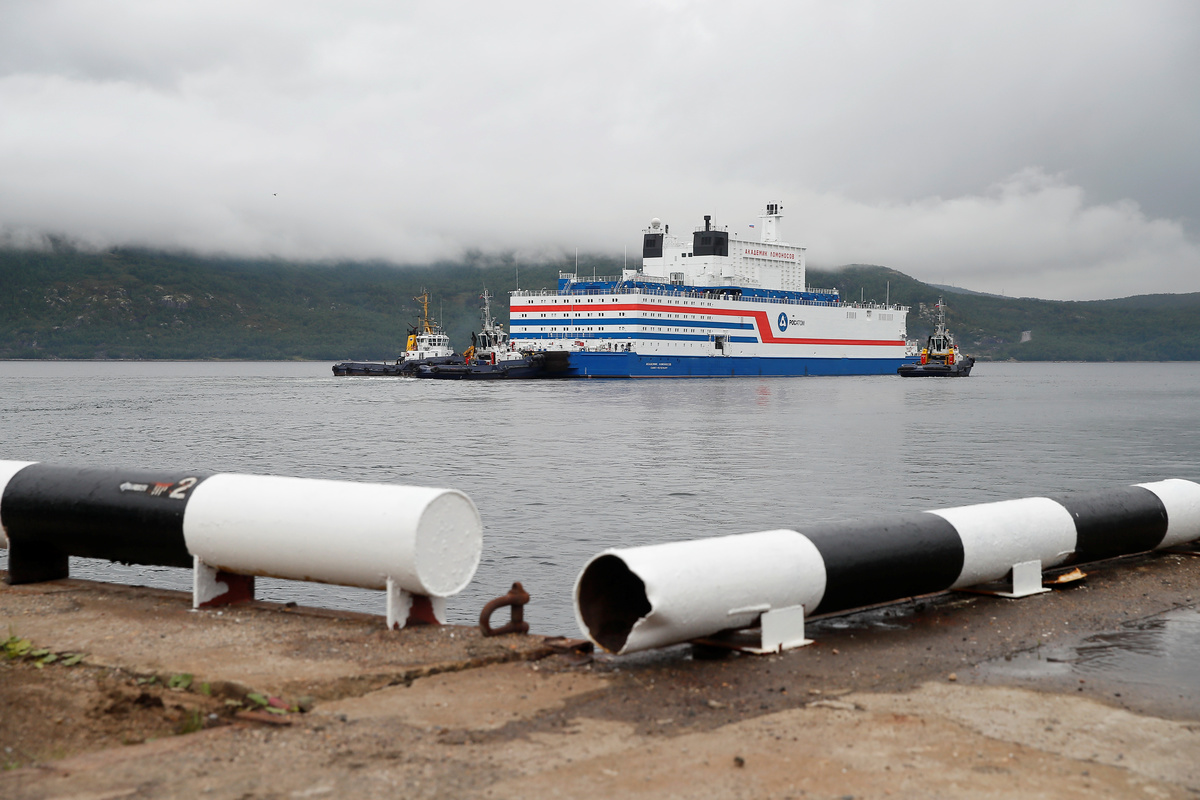
Russia's floating nuclear power plant Akademik Lomonosov leaves the service base of Rosatomflot company for a journey along the Northern Sea Route to Chukotka from Murmansk, Russia August 23, 2019. REUTERS/Maxim Shemetov
MURMANSK, Russia (Reuters) - Russia's first floating nuclear power plant set sail on Friday from the Arctic port of Murmansk to provide power to one of the country's most remote regions, sparking environmental concerns.
Developed by the Russian state nuclear company Rosatom, the plant, known as "Akademik Lomonosov", set off on a 5,000 km (3,100 mile) journey through Arctic waters to reach the Chukotka region, which lies across the Bering Strait from Alaska.
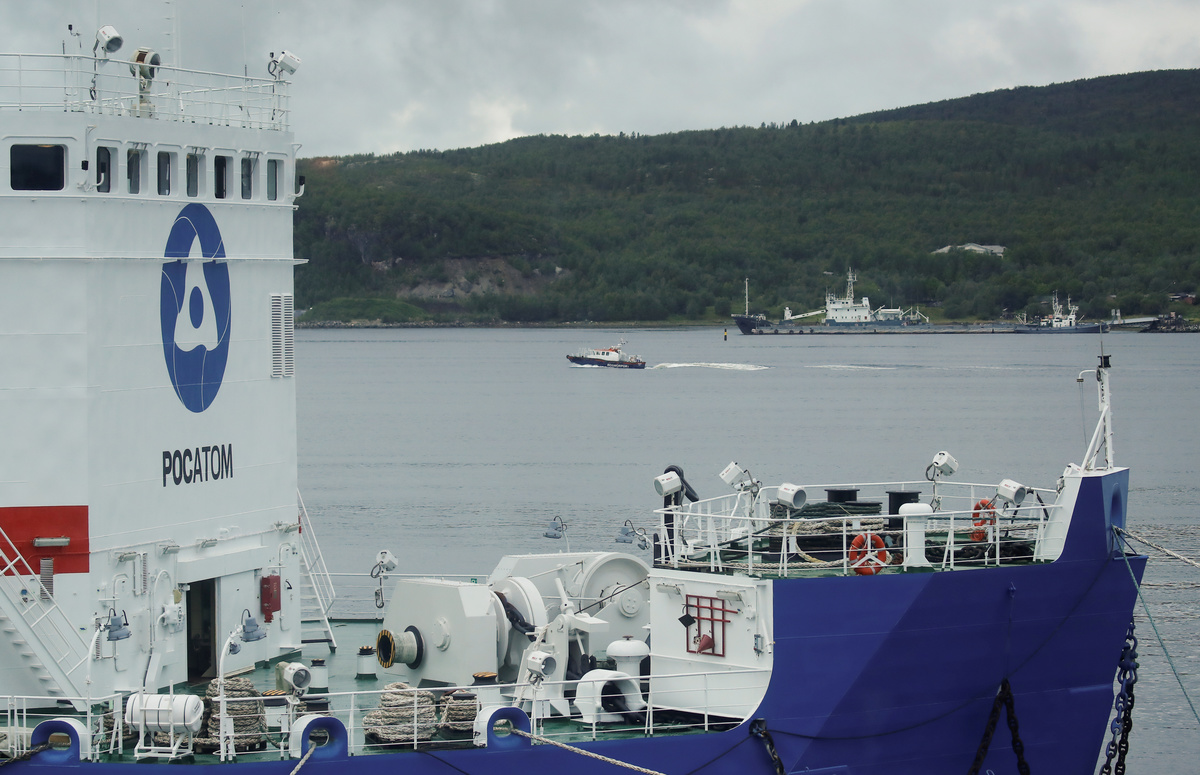
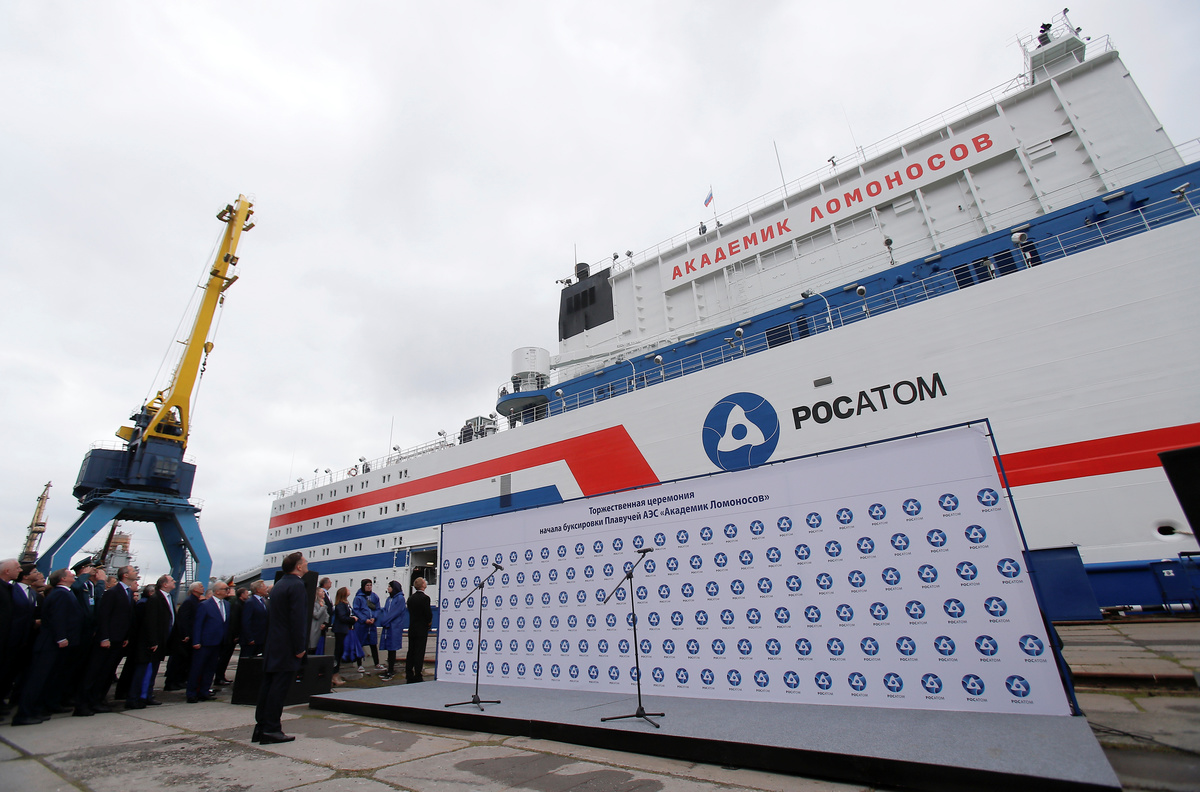
A view shows Russia's floating nuclear power plant Akademik Lomonosov during a farewell ceremony before its departure from the service base of Rosatomflot company for a journey along the Northern Sea Route to Chukotka in Murmansk, Russia August 23, 2019. REUTERS/Maxim Shemetov
The plant, loaded with nuclear fuel, will replace a coal-fired power plant and an aging nuclear power plant supplying more than 50,000 people with electricity in the town of Pevek.
Rosatom says the plant is safe and can serve as a new power source for the planet's most isolated communities, but environmentalists have voiced concerns over the risk of nuclear accidents.
Greenpeace has called it the "nuclear Titanic".
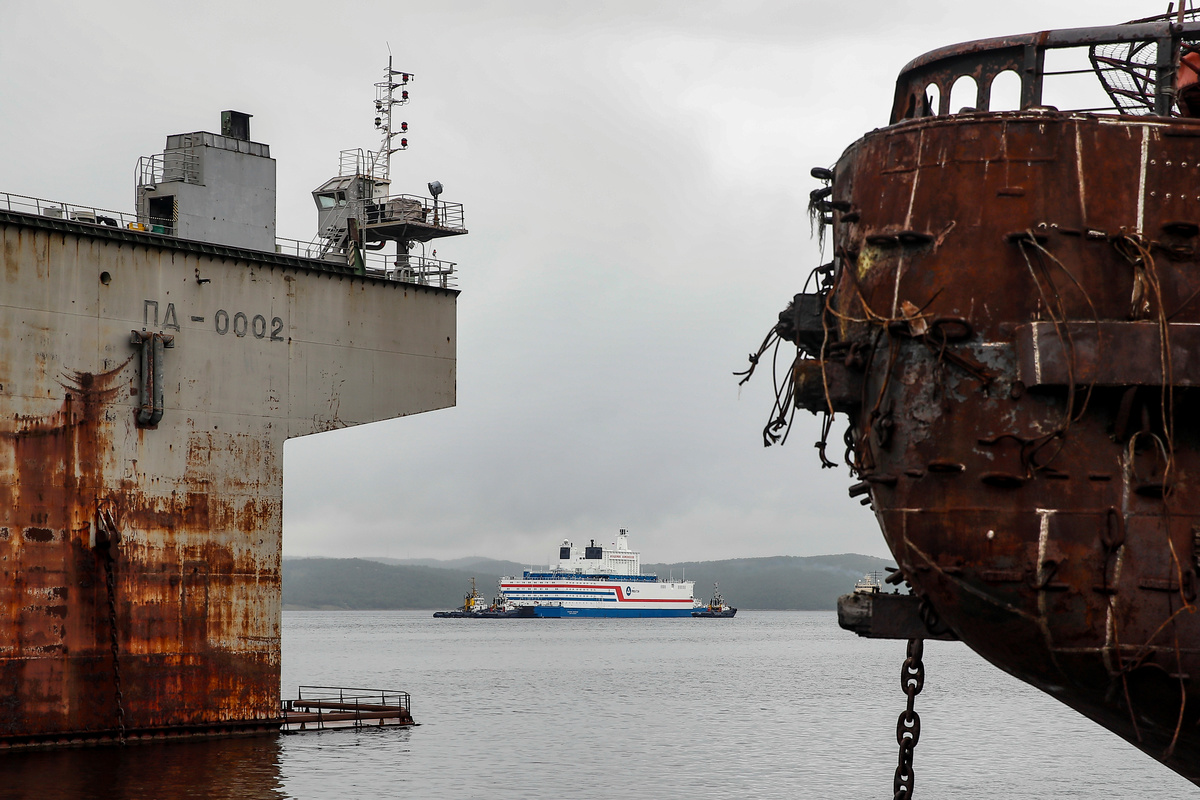
Russia's floating nuclear power plant Akademik Lomonosov leaves for a journey along the Northern Sea Route to Chukotka from Murmansk, Russia August 23, 2019. REUTERS/Maxim Shemetov
"We think that a floating nuclear power plant is an excessively risky and costly way of obtaining energy," Rashid Alimov of Greenpeace Russia told Reuters.
He added the unit had not been built with the purpose of fulfilling the energy needs of Chukotka, but rather to serve as a model for potential foreign buyers.
Asked to comment on Greenpeace's statement, Rosatom said: "Instead of seeing the Akademik Lomonosov as an opportunity for clean, green, and stable energy supplies in harsh and remote conditions, it scaremongers."
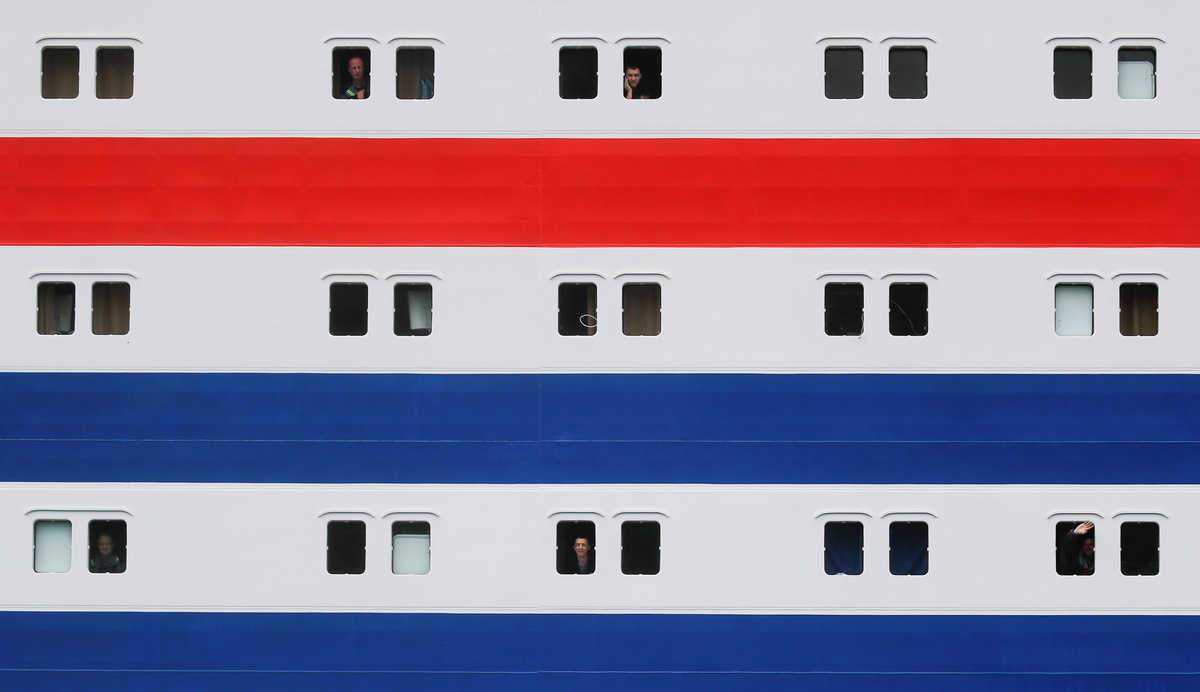
Employees and crew members look out of the windows of Russia's floating nuclear power plant Akademik Lomonosov as it leaves the service base of Rosatomflot company for a journey along the Northern Sea Route to Chukotka from Murmansk, Russia August 23, 2019. REUTERS/Maxim Shemetov
Rosatom said the plant was able to "safely withstand a full spectrum of negative scenarios including man-made and natural disasters."
Sergey Ivanov, the president's special representative for environmental and transport issues, said that the plant had been visited by experts from the International Atomic Energy Agency (IAEA) during its construction.
"There wasn't a single remark or concern expressed on its ecological safety," Ivanov said at a ceremony to mark the plant's launch.
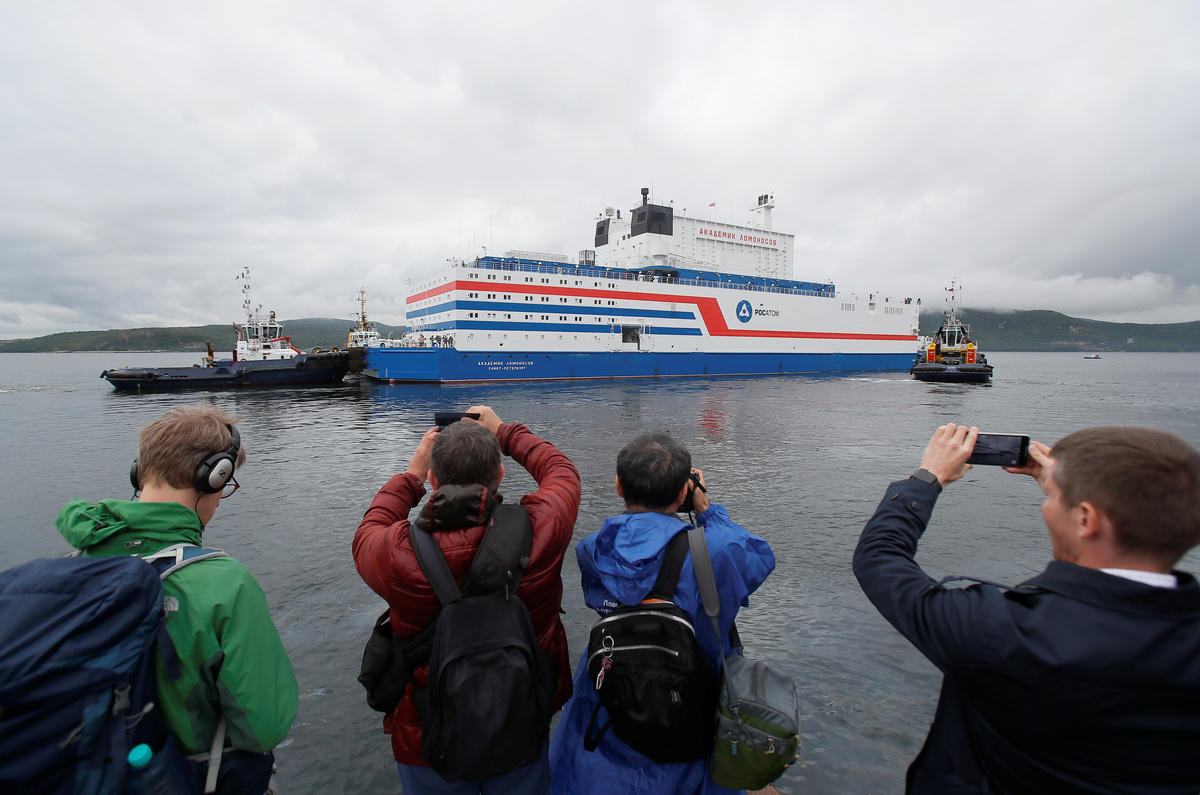
People take pictures of Russia's floating nuclear power plant Akademik Lomonosov, which leaves the service base of Rosatomflot company for a journey along the Northern Sea Route to Chukotka from Murmansk, Russia August 23, 2019. REUTERS/Maxim Shemetov
The nuclear plant's voyage comes at a time of heightened concern over nuclear energy, following a deadly blast this month in northern Russia during a weapons system test that caused a spike in radiation levels in a nearby city.
(Reporting by Lev Sergeev and Maxim Shemetov, additional reporting by Maria Vasilyeva; Writing by Gabrielle Tétrault-Farber; Editing by Ros Russell)
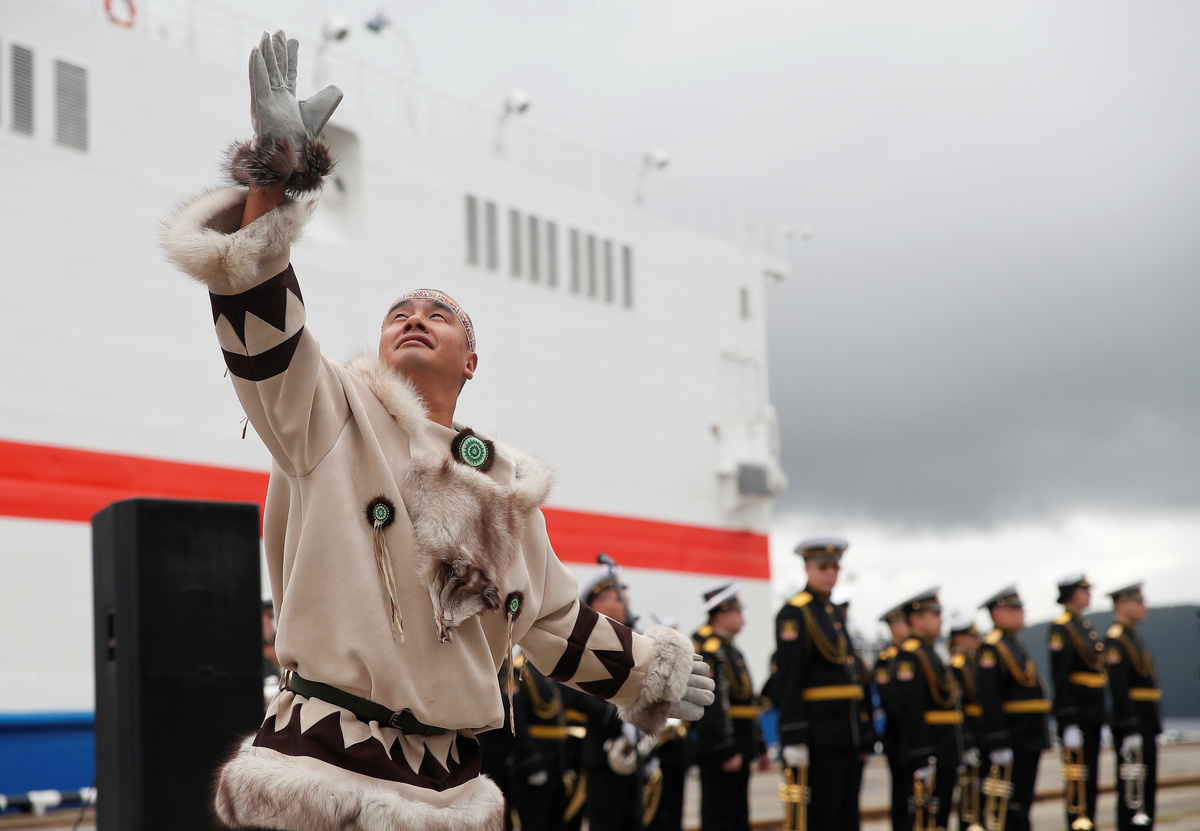
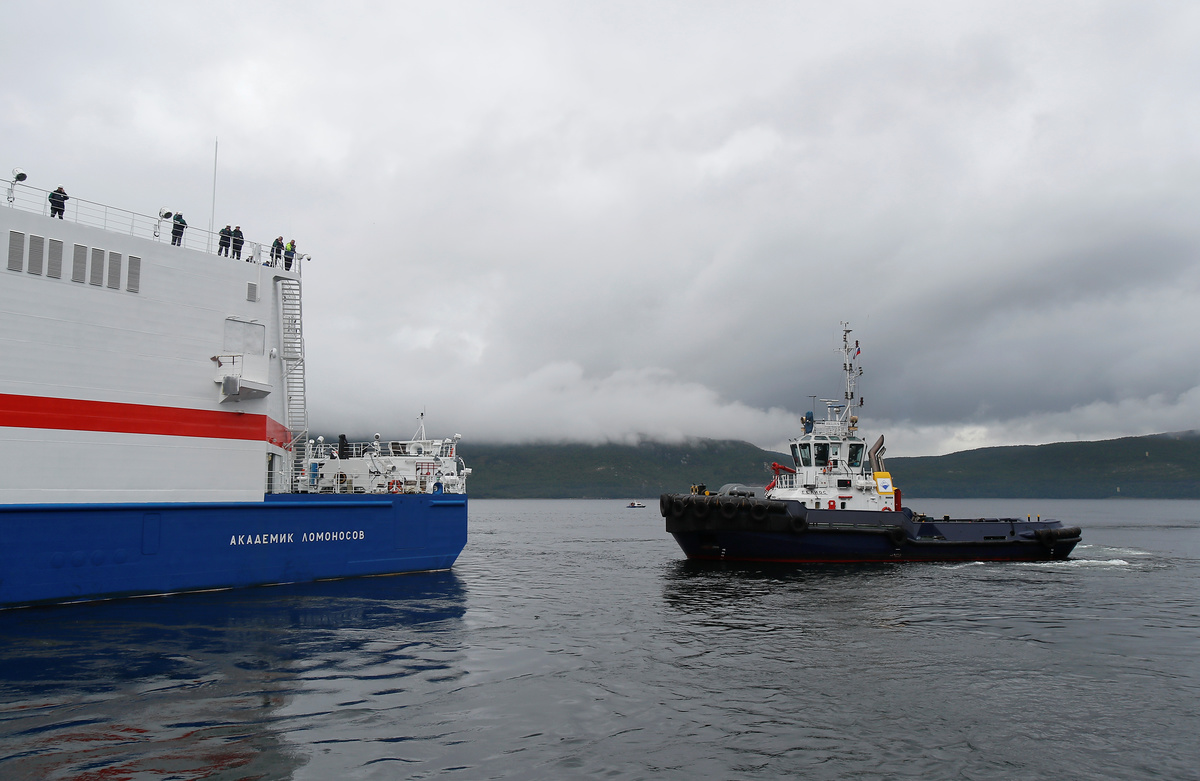
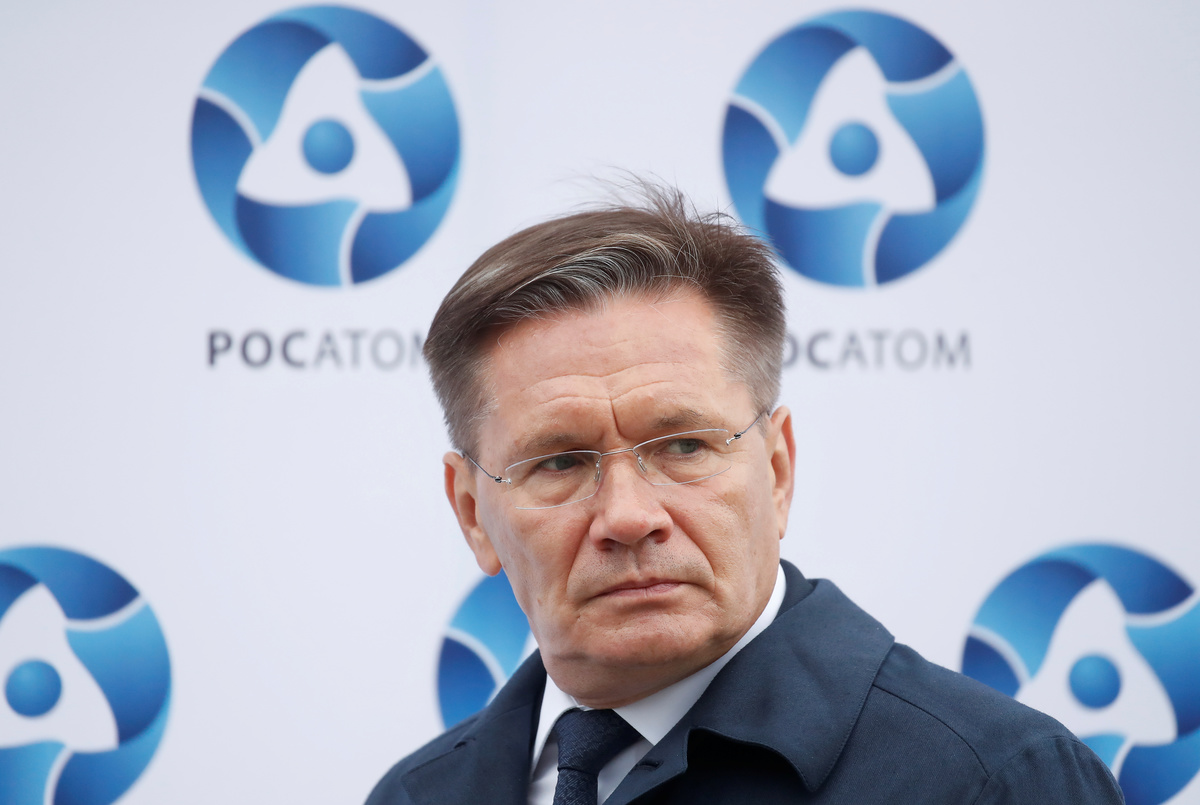
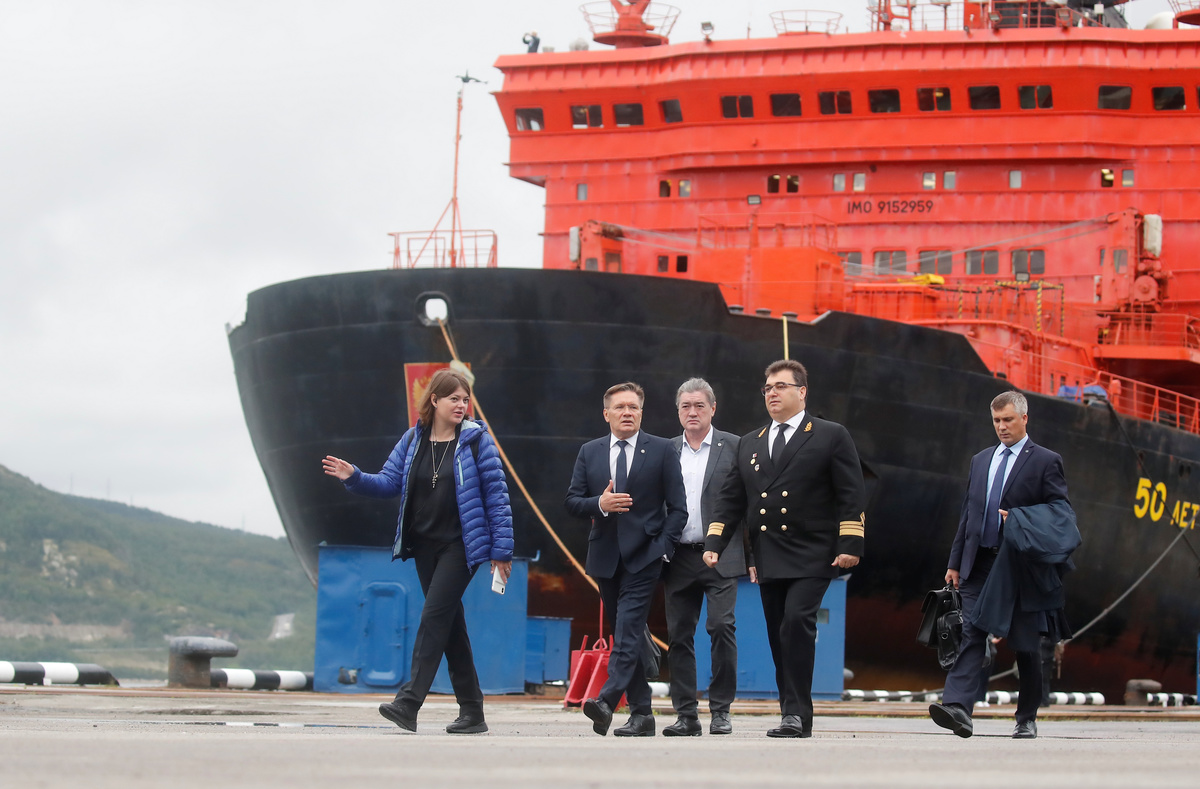
Officials attend a farewell ceremony before the floating nuclear power plant Akademik Lomonosov leaves the service base of Rosatomflot company for a journey along the Northern Sea Route to Chukotka from Murmansk, Russia August 23, 2019. REUTERS/Maxim ShemetovRussia's floating nuclear power plant Akademik Lomonosov leaves the service base of Rosatomflot company for a journey along the Northern Sea Route to Chukotka from Murmansk, Russia August 23, 2019. REUTERS/Maxim ShemetovMembers of a folk music group from Chukotka perform during a farewell ceremony, with the logo of Russian state nuclear agency Rosatom seen in the background, before the floating nuclear power plant Akademik Lomonosov leaves the service base of Rosatomflot company for a journey along the Northern Sea Route to Chukotka from Murmansk, Russia August 23, 2019. REUTERS/Maxim ShemetovA member of a folk music group from Chukotka performs during a farewell ceremony before the floating nuclear power plant Akademik Lomonosov leaves the service base of Rosatomflot company for a journey along the Northern Sea Route to Chukotka from Murmansk, Russia August 23, 2019. REUTERS/Maxim ShemetovA tug boat sails near Russia's floating nuclear power plant Akademik Lomonosov, which leaves the service base of Rosatomflot company for a journey along the Northern Sea Route to Chukotka from Murmansk, Russia August 23, 2019. REUTERS/Maxim ShemetovAlexei Likhachev, General Director of Russian state nuclear agency Rosatom, attends a farewell ceremony before the floating nuclear power plant Akademik Lomonosov leaves the service base of Rosatomflot company for a journey along the Northern Sea Route to Chukotka from Murmansk, Russia August 23, 2019. REUTERS/Maxim ShemetovGeneral Director of Russian state nuclear agency Rosatom Alexei Likhachev speaks with General Director of Rosatomflot Mustafa Kashka as they attend a farewell ceremony before the floating nuclear power plant Akademik Lomonosov leaves the service base for a journey along the Northern Sea Route to Chukotka from Murmansk, Russia August 23, 2019. REUTERS/Maxim Shemetov
Sign up to read this article
Read news from 100’s of titles, curated specifically for you.