Iran could soon be in possession of one of the world’s most advanced air defence systems after Russia finalised a contract for the delivery of the S-300 missile system, according to the head of Russian Technologies.
On a trip to Dubai, Sergei Chemezov confirmed that “the contract with Iran for the S-300 has entered into force”, according to Russian news agencies.
The $800 (£545m) contract got the go-ahead after sanctions were lifted on Iran earlier this year, following an agreement over the country’s nuclear programme.
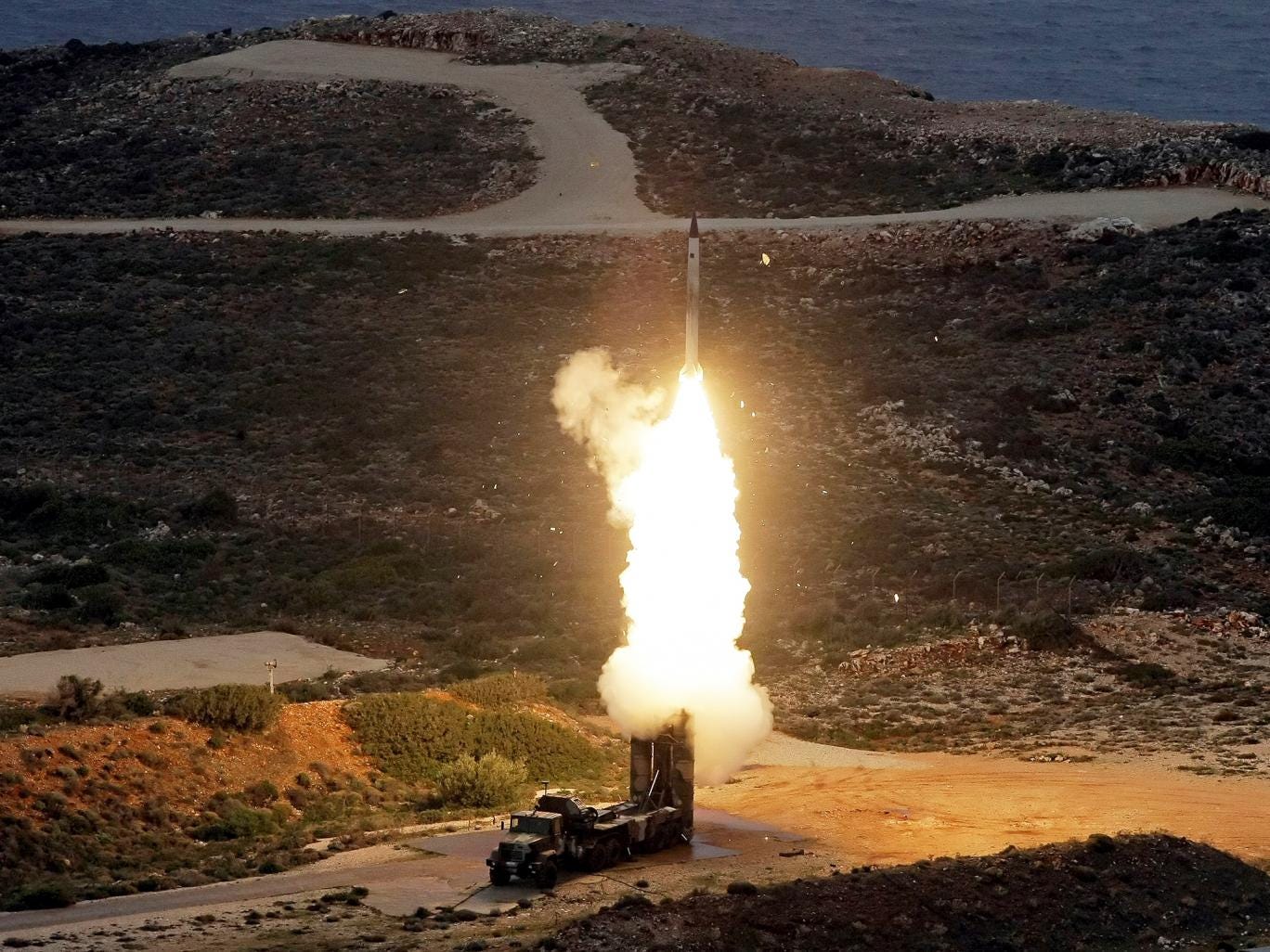
The S-300 is a surface-to-air missile system developed to defend against aircraft, along with cruise and ballistic missiles. It is considered to be one of the most potent anti-aircraft missile systems in the world.
It is unclear which variant of the S-300 Russia intends to sell to Iran, though Mr Chemezov confirmed that deliveries of the system would begin “by the end of next year”.
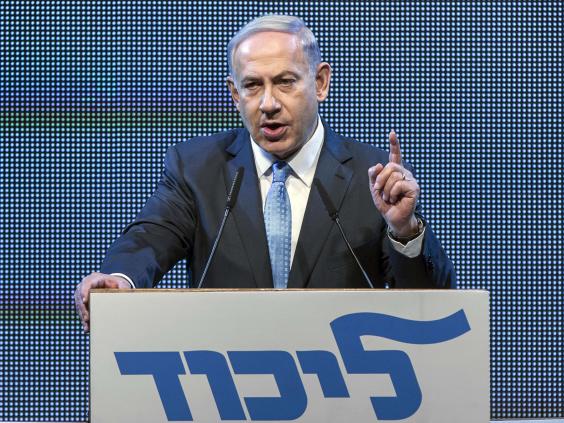
The news of the missile defence deal will be unwelcome news for Iran’s adversaries, notably Israel, who considers the Islamic Republic to be its foremost regional enemy and a sponsor of proxy wars in the Middle East. Israeli Prime Minister Benjamin Netanyahu travelled to Moscow in 2013 to urge Russian President Vladimir Putin to stop the sale.

Mr Netanyahu has threatened to bomb Iran’s nuclear facilities several times in recent years. Israel believes Iran intends to develop nuclear weapons, a charge Iran denies.
Deployment of such an advanced missile system would significantly alter the balance of power in the Middle East, and could allow Iran to deploy a formidable ring of defence around its nuclear facilities in order to protect them from a possible aerial attack.
Former head of Israel’s Missile Defense Program Arieh Herzog told AP that the deal’s main impact was to complicate any potential Israeli airstrike against Iran.
“The nature of deployment in Iran would be defensive and trying to prevent the capability of our air force to operate there as it may be capable of operating today,” he said.
“There will be a dramatic change in their capability and it does not create a reasonable environment for any operation of our air force.”
AP also confirmed that Russia was in talks with Saudi Arabia, a foe of Iran, about delivery of the more advanced S-400 missile system.
Moscow and Tehran agreed on the S-300 deal in 2007, however Russia blocked its delivery in 2010, linking its decision to international sanctions against Tehran. In April this year the decision to supply the advanced missile system was reversed when Russia announced it was lifting the ban.