The Kremlin has reacted strongly to the new round of US sanctions announced on Wednesday, describing them as "categorically unacceptable," and "contrary to international law."
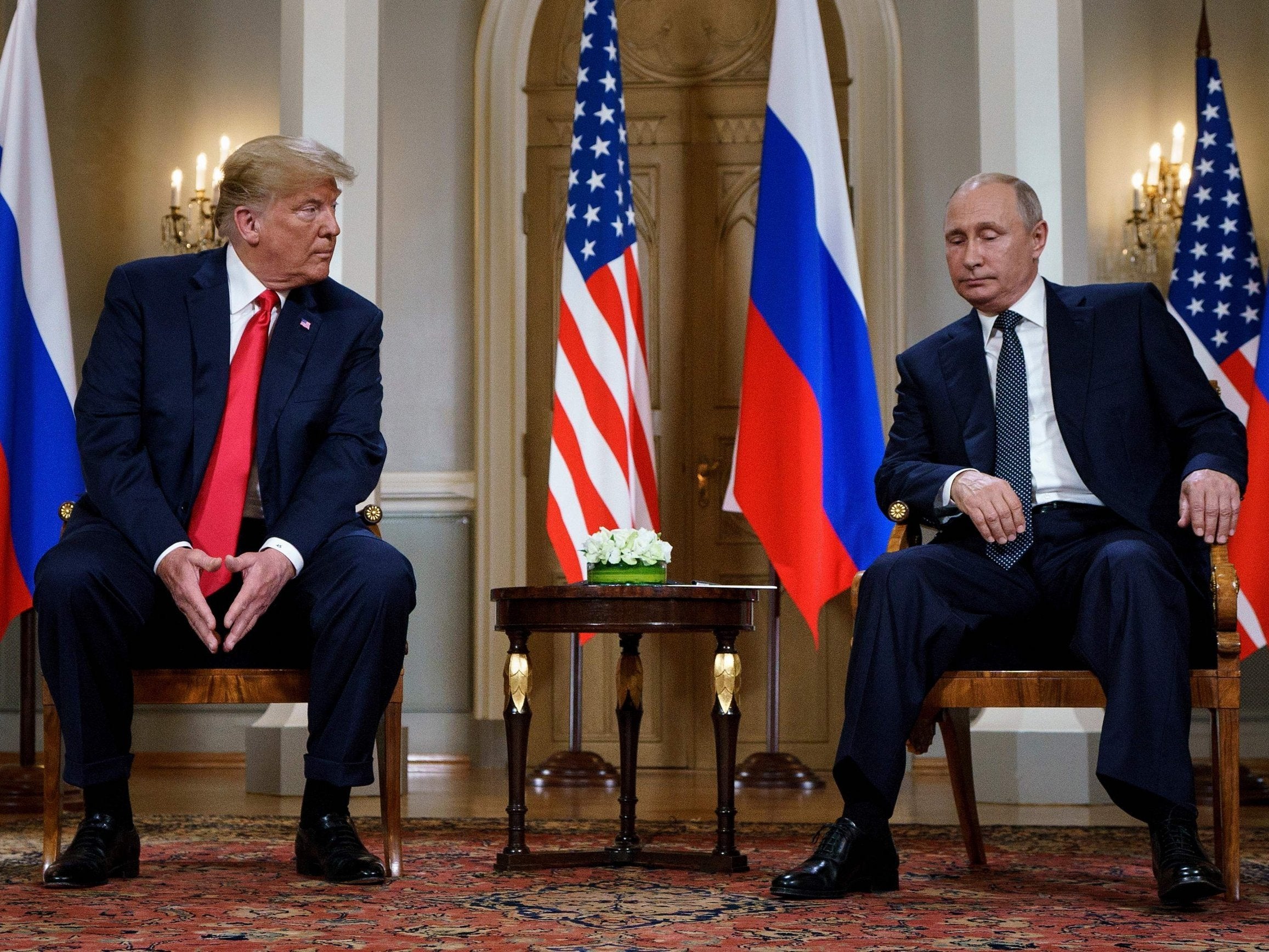
“Such moves are absolutely unfriendly and at odds with the constructive atmosphere present at the last meeting of presidents in Helsinki,” presidential spokesman Dmitry Peskov told journalists.
The sanctions follow from the poisoning of former double agent Sergei Skripal and his daughter Yulia Skripal in Salisbury earlier this year. US authorities say they agree with the British assessment that the Kremlin stood behind the use of a weapons-grade chemical agent. The new sanctions, announced by the State Department, include the provisions of a 1991 bill on chemical and biological weapons control.
The new restrictions come in two tranches. The first set, due to be introduced on 22 August, do not add much to the existing sanctions regime, in place since the annexation of Crimea and war in eastern Ukraine. The second tranche – which will be implemented after three months if Russia does not agree to end its alleged chemical and biological weapons programme – contain much harsher measures.
Possible new sanctions cover bans on flights to the US by government-backed airlines, including the Russian flagship Aeroflot; bans on government credit; bans on export and import to US; and a downgrading of diplomatic relations.
According to US government sources, the sanctions bill followed automatically from the conclusion that the Russian government stood behind the Salisbury poisoning.
Unlike earlier sanctions regimes, however, President Donald Trump will have a much greater say as to when and how the sanctions are applied. He can, for example, decide which three of the six listed measures to include in the second round of sanctions. He can also decide to cancel them – independently of Congress.
This detail is likely to provide some comfort for the Kremlin, which has invested much in what it describes as a “constructive” relationship with the US president. At several times during Thursday's press conference, Mr Peskov was pained to differentiate what he described as the “official” US position from that of anonymous administration sources.
Russia would only introduce its own counter-measures once that “official position” was clear.
Regardless, Russian markets have already responded to the prospect of three months of uncertainty.
The rouble added to falls registered on Wednesday, in advance of the sanctions, reaching yearly lows of 66.51 roubles to the dollar and 76.7 to the euro. The country’s main RTS share index fell below the 1,100 level for the first time since June. At one point, the index fell 3.2 per cent to 1,077 points, before recovering slightly.
Aeroflot shares led the falls, losing 8 per cent on market opening, before dropping further.
Moscow has angrily rejected any connection to the Salisbury incident.
“There simply cannot be talk about this. It is impossible that Russia had any role in the use of chemical weapons,” Mr Peskov said.
He said Moscow was yet to receive an answer to its proposal for a joint investigation into the incident.
In April, that proposal was rejected by the British permanent representative at the UN, Karen Pierce, who likened the offer to “an arsonist wishing to investigate his fire.”