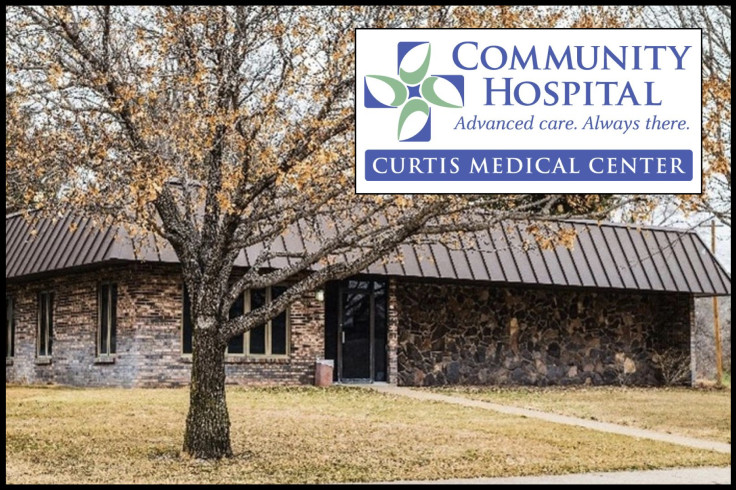
A new $50 billion federal program billed as a rescue plan for rural health care is beginning to reshape medical access across the United States, but community clinics and rural hospital warn that the money may flow more easily to technology vendors and large contractors than to the providers struggling to keep their doors open.
The Rural Health Transformation Program, created under the 2025 federal tax and spending law, will distribute $50 billion to approved states over five years, with $10 billion available each year from fiscal 2026 through fiscal 2030, according to the Centers for Medicare & Medicaid Services. CMS says the program is meant to strengthen rural health systems, modernize care delivery, and improve access in communities that have long faced hospital closures, doctor shortages, and limited specialty care.
But the program arrives after the same law cut Medicaid funding, creating a gap that health policy analysts say the rural fund cannot fully cover. KFF estimated that the $50 billion fund equals just over one-third of the projected loss in federal Medicaid spending in rural areas over 10 years. The fund is also temporary, while many Medicaid and health coverage cuts are not time-limited.
CBS News reported Monday that large companies are positioning themselves to win contracts from the program, which encourages states to invest in technology, cybersecurity, electronic health records, telehealth, and remote patient monitoring.
-
(VIDEO) Robert F. Kennedy Jr. Says He Never Called for Black Children to Be 'Re-Parented' :There is a Recording

-
Florida Insurance Brokerage Admits Role in $141 Million ACA Fraud Scheme Targeting Mostly Spanish Speaking Consumers

-
Trump Administration Admits Major Error in New York Medicaid Fraud Case Lead by Doctor Oz - REPORT


Community providers fear that the fund, instead of replacing lost Medicaid dollars, will create a new marketplace for corporate health technology while leaving clinics without enough money to pay staff, cover uncompensated care, or keep emergency services available.
"The rural health fund isn't really designed to directly replace or offset the lost Medicaid funding," Bipartisan Policy Center expert Julia Sandalow told CBS News. She noted that federal officials capped provider payments, the money states can use to help rural hospitals and clinics pay for patient care, at 15% of a state's award.
That limit is one of the central concerns. Rural hospitals often depend heavily on Medicaid because their patients are older, poorer, and more likely to have chronic conditions. When Medicaid payments fall, hospitals cannot easily replace that revenue with privately insured patients.
A 2025 KFF analysis said lawmakers added the rural fund after bipartisan concern that Medicaid cuts would deepen the crisis facing rural hospitals, including facilities already operating with negative margins.
The corporate interest is already visible. CBS News reported that Science Applications International Corp., a Fortune 500 government contractor, formed the Alliance for Advancing Rural Healthcare. The alliance includes Walgreens and Mission Mobile Medical, a company that converts recreational vehicles into mobile primary care clinics. SAIC specializes in technology work, including cybersecurity and engineering support.
Supporters of the program say rural systems urgently need that kind of modernization. Many rural clinics still struggle with outdated electronic health records, weak broadband connections, and limited ability to share patient information across hospitals, pharmacies, and specialists. Sandalow's report found that Maine and Utah plan to invest in cybersecurity; Indiana, Missouri, and New Mexico plan to modernize electronic health records; Oklahoma plans to buy hardware and software; and Arizona and South Carolina will create telehealth hubs or buy remote monitoring equipment.
CMS has framed the program as a transformation effort and not simply a bailout. The agency says states can use the money to redesign rural care, expand the workforce, improve technology infrastructure, and support new models of care.
Still, rural advocates say transformation is difficult when basic services are under threat. The National Rural Health Association has warned that states are working under tight federal deadlines and that many local providers have had limited input into spending plans. CBS News reported last month that some Republican lawmakers and health associations were pushing back against state plans, arguing that rural providers need a stronger voice in how the money is used.
© 2025 Latin Times. All rights reserved. Do not reproduce without permission.