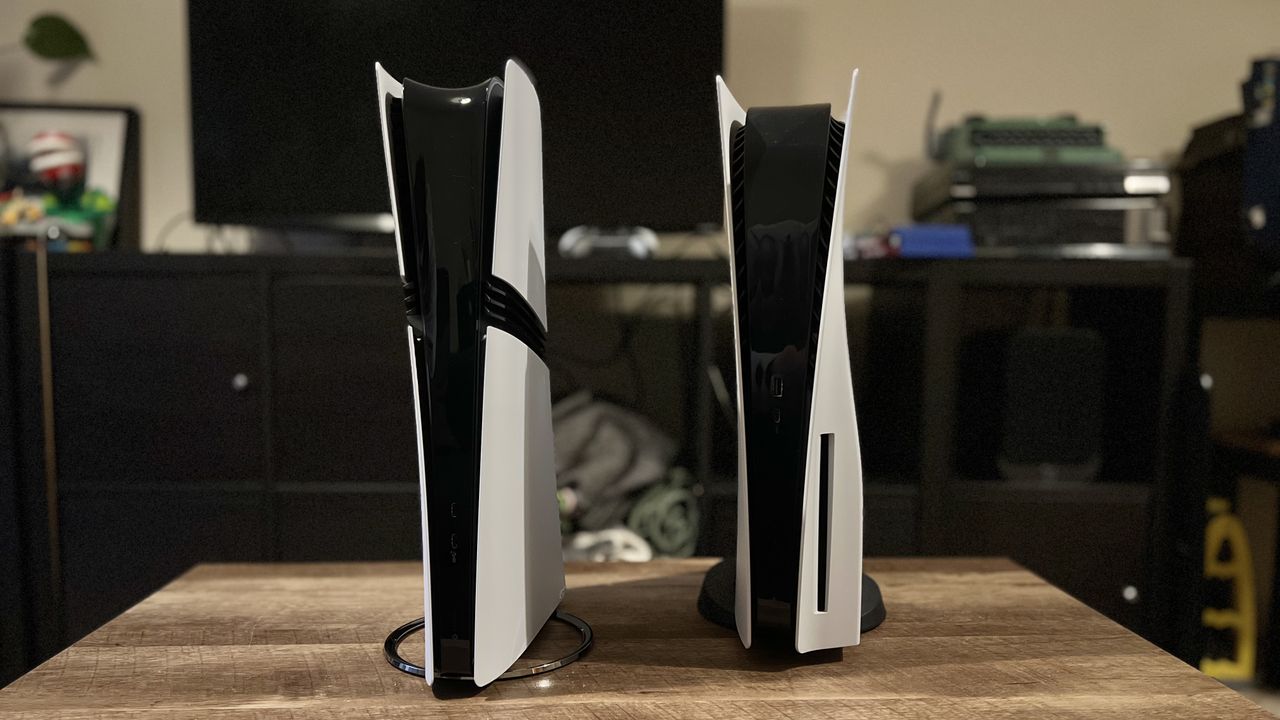
The PS6 rumor mill exploded into production earlier this week, as potential leaks of Sony's next generation spanning three devices hit the internet. Many are still unpacking popular rumor-spinner Moore's Law is Dead's latest stream but aside from the fact that this spread of devices points to the next generation console war opening the way for Valve to hit the living room, the PS6 pricing structure is raising some eyebrows.
It's reported that the "Lite" will come in somewhere between $349 and $549, while the full-fat PS6 console will cost $999. Of course, this is all heavily couched in rumor - Sony itself has stayed silent on the matter.
Still, that's some price gap within the same generation - a price gap that raises further questions around just how Sony is going to be able to cater to owners of both devices with the same games. It's likely the PS6 'Lite' will be leaning on two technologies; PSSR and PlayStation's version of Microsoft's Smart Delivery.
The former has seen solid strides since its launch with the PS5 Pro. PSSR 2 took its debut with Resident Evil Requiem, upscaling regular PS5 releases for the more powerful console. Combined with a Smart Delivery-esque service for making bigger games playable on lighter hardware, PSSR could be working in reverse for the cheapest PS6 console.
Here's how I see it, in its crudest format. The PS6 could be running everything natively with its boosted AMD Orion chipset, while the PS6 'Lite' chops down its hardware (RAM shortages mean dropping memory will contribute significantly to that lower price point) while leaning on AI upscaling to achieve similar results.
If it does indeed launch at between $350 and $550 (and this is 2027 we're talking about, it's going to be closer to $550), this is essentially the mainline PS6 release - not a cheap alternative. That's regular console pricing, more expensive than the PS5 launch rates. Instead of sitting as the flagship, the PS6 proper will act more as a Pro device.
What does that mean for your PlayStation games in 2027 and beyond? If you had asked me when I first completed my PS5 Pro review I probably would have been a little more concerned about the next generation. The original PSSR system was fine but it struggled with visual artifacts.
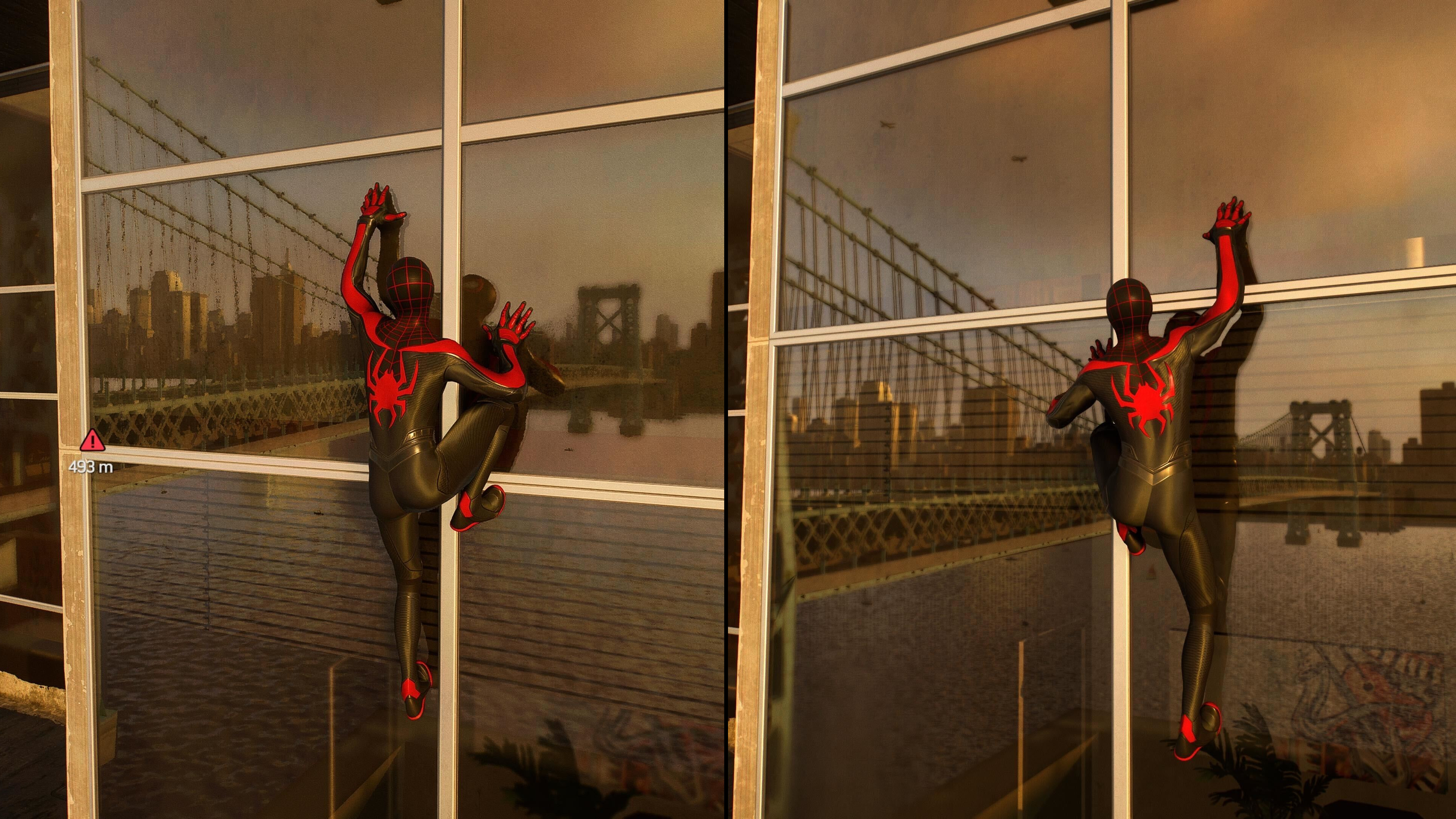
It looks like PSSR 2 has cleaned up a lot of that mess, improving fidelity across titles like Star Wars Outlaws and Final Fantasy 7 Rebirth and sharpening the picture overall. There are still some oddities in certain titles, but Sony's set to continue fine-tuning its tech ahead of the PS6 launch.
Where does that leave competitors? If the PS6 "Lite" can undercut the Steam Machine and Xbox Project Helix in price, it's got a chance of holding onto the living rooms of those happy to rely on AI upscaling. With current component rates pushing PC players out of their traditional upgrade cycles, though, it's going to take a lot for Sony to fend off its PC-first competition.
One thing is starting to crystalize into view, though. This might be the first generation where the main, numbered flagship is out of reach for most players.
While we wait for the new generation, we're rounding up all the best PS5 accessories on the market, including the best PS5 controllers and the best PS5 headsets.