
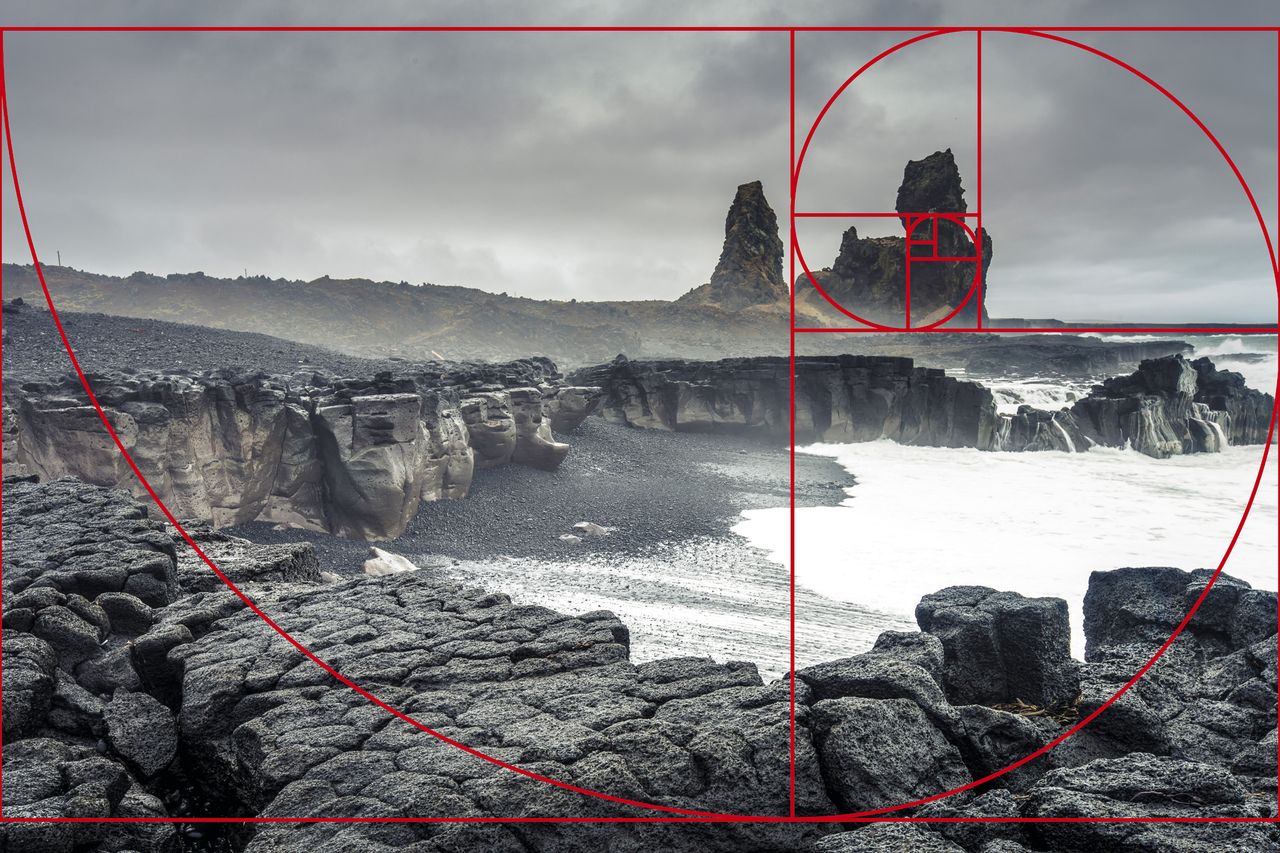
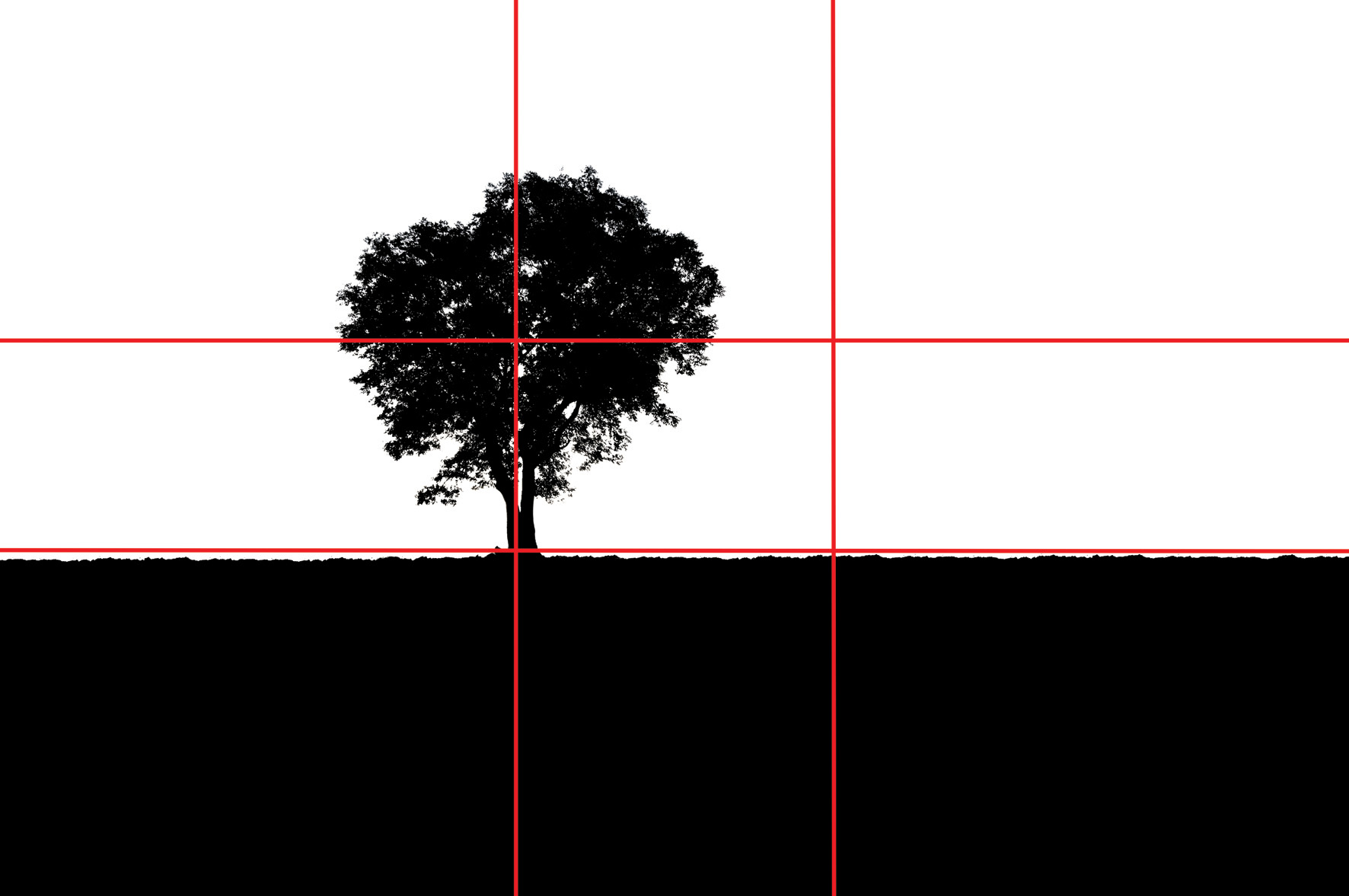
I’m a big fan of rule of thirds photography, but this compositional technique is often deemed too simplistic or even boring. However, if you’re starting out on your photography journey, it’s a simple and reliable method of capturing pleasing compositions, allowing you to focus on other areas you might be struggling with, such as the exposure triangle or camera controls.
But as you start to learn more about compositional theory, you may find the rule of thirds to be lacking. And yet, what makes the rule of thirds so useful is that it can be applied to so many different situations. Unlike the rule of odds, leading lines, and a frame within a frame, the rule of thirds is an overarching compositional principle that can be applied to almost any image. Thankfully, there’s a more advanced alternative: the golden ratio.
How to use the golden ratio
- Know the rule of thirds
- Familiarize yourself with the Fibonacci spiral
- Apply the spiral to images in post-production
- Place the focal point at the end of the spiral
- Use the curvature of the spiral as a guide for leading the viewer towards the focal point
- Mentally apply the spiral when capturing images with your camera
What is the golden ratio?
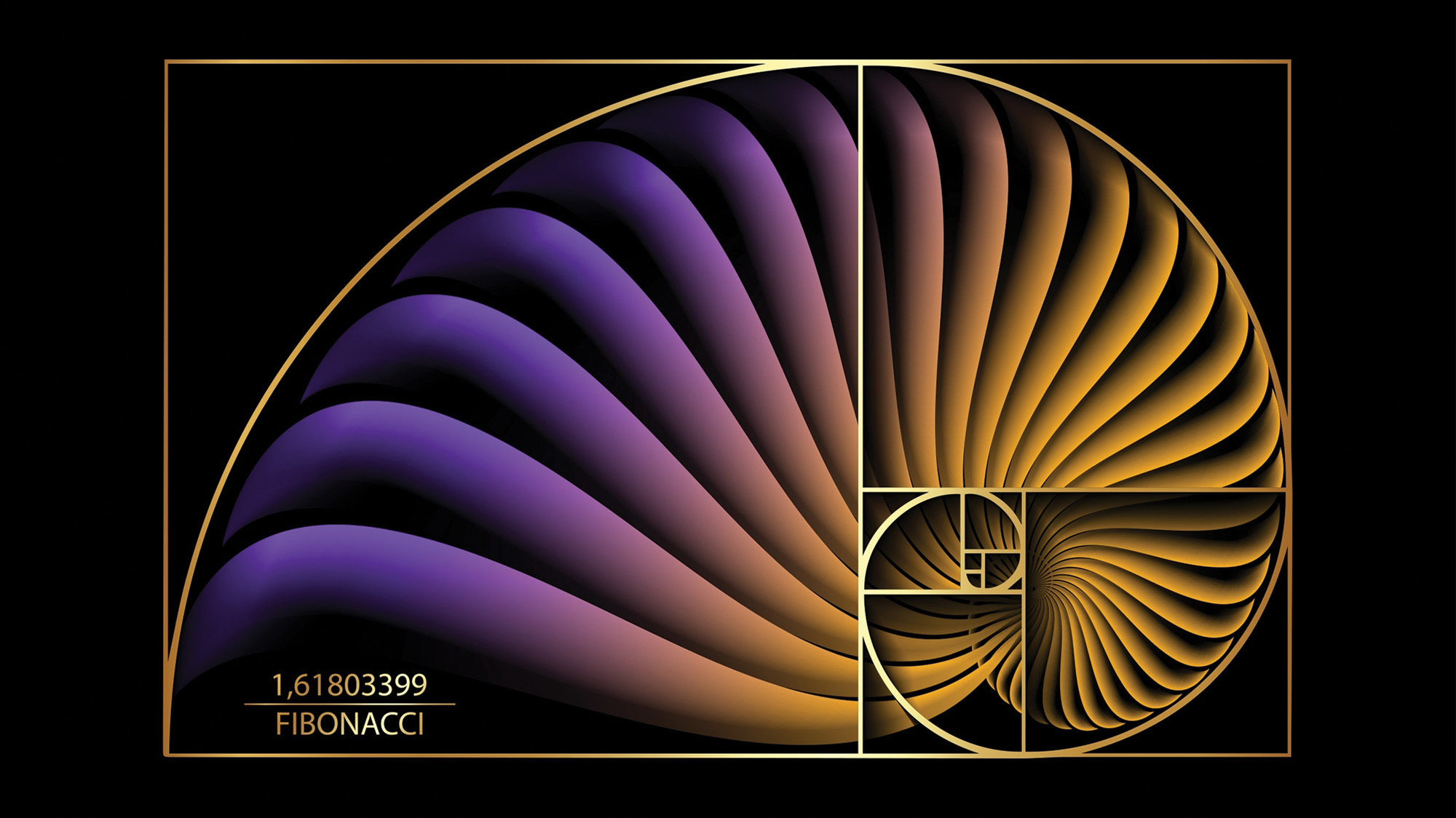
The golden ratio, sometimes called the divine proportion or phi, is a mathematical equation that ends up close to 1.618. This number can also be achieved using the Fibonacci sequence, where the current number in the sequence is added to the previous number to make the next number: 0, 1, 1, 2, 3, 5, 8, 13, 21, 34, etc. As the sequence progresses, the Fibonacci sequence increasingly converges towards the golden ratio.
I’m no mathematician, so I’m not going to embarrass myself by explaining how that happens, but there’s a relationship. What we’re interested in is those numbers being used to form a curve known as the Fibonacci spiral. However, in the world of photography, I’ve seen Fibonacci spiral, golden ratio, phi, and the like, all being used interchangeably to refer to this curve. So, from now on, I’m just going to call it the golden ratio.
Things get really interesting when you realise that the golden ratio pops up all over the place throughout history. Not just in great works of art by the likes of Leonardo da Vinci and Michelangelo, but throughout the natural world. And while the concept of the golden ratio is pretty difficult to get your head around, applying it isn’t. But it does require practice.
The biggest difficulty is that, unlike the rule of thirds, it’s hard to find cameras that actually feature golden ratio overlays. This means you’ve got to overlay the spiral in your head. Thankfully, both Adobe Photoshop and Lightroom Classic have a golden ratio overlay you can use when cropping, so you can tweak your composition accordingly. There’s also a simplified version of the golden ratio, which looks a lot like the rule of thirds grid, but with the two verticals set closer together in the center of the image.
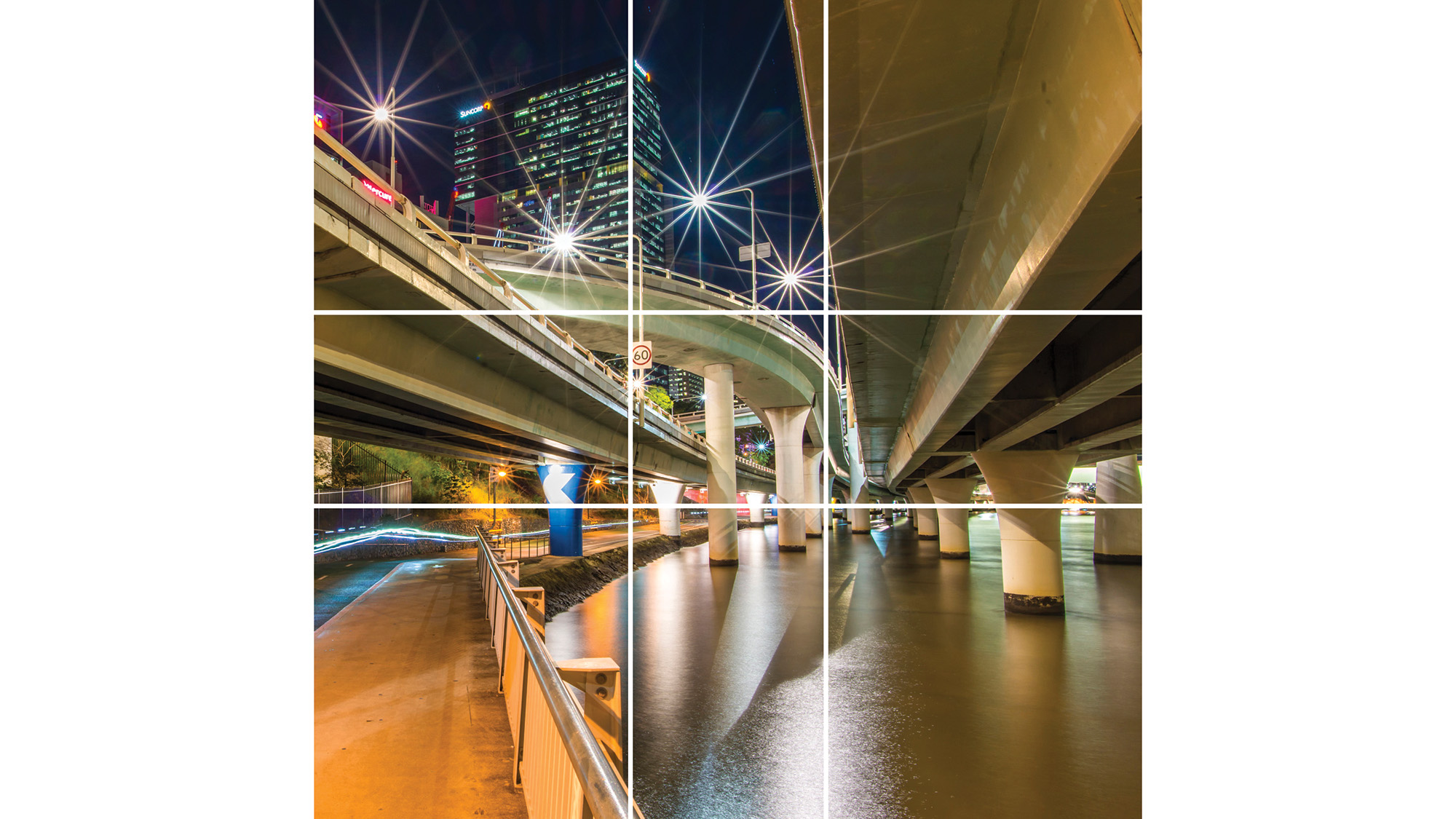
As with the rule of thirds, you can place the focal point of the image on any of the converging points on the aforementioned grid, or roughly around the center of the spiral. The spiral itself can be flipped horizontally or vertically, and you can use the curvature as a guide for leading the eye towards the center of the spiral via objects or leading lines within the image.
Ultimately, the golden ratio isn’t overly different from the rule of thirds. However, due to its equally spaced grid, it’s less flexible than the golden ratio, and subsequent compositions can appear more rigid. I also find the Fibonacci spiral more useful in that the curvature can be used to lead towards the focal point of the image, whereas the rule of thirds simply features intersection points. It's also worth pointing out that you the golden ratio is scalable, so you can apply it to different aspect ratios. So, the next time you’re out and about, or if you’ve got some images to crop in post, why not try the golden ratio instead of the rule of thirds?
You might also like...
Want to brush up on more essential theory? Here's how I learned the exposure triangle, and here's why I still use the 'outdated' reciprocal rule. Looking for a new camera? Here are the best cameras for beginners.