Father’s Day quote by Rudyard Kipling : Father’s Day is celebrated around the world as a time to honor fathers and father figures for their love, sacrifices, and lasting influence on future generations. Beyond gifts and celebrations, the occasion also offers an opportunity to reflect on the values, freedoms, and opportunities that many people enjoy today because of the efforts and sacrifices of those who came before them. As families gather to mark Father’s Day, many turn to inspiring words that highlight the enduring impact fathers have on both their children and society.
Father’s Day Quote of the Day by Rudyard Kipling
Rudyard Kipling said, “ All we have of freedom, all we use or know, this our fathers bought for us long and long ago ,” as per Goodreads.
Meaning of Rudyard Kipling’s Father’s Day Quote
Rudyard Kipling’s quote emphasizes the idea that many of the freedoms, rights, and opportunities people enjoy today did not come easily. Instead, they are the result of the sacrifices, hard work, and struggles of previous generations, particularly fathers and ancestors who worked to build a better future for those who followed.
The phrase "our fathers bought for us" does not refer to money or material gifts. Rather, it symbolizes the efforts, dedication, and sacrifices made by earlier generations. Through their labor, courage, and perseverance, they created the foundations upon which later generations continue to build.
The quote also serves as a reminder that freedom should never be taken for granted. Whether in families, communities, or nations, the benefits people enjoy today often stem from the efforts of those who came before them. Recognizing these contributions can inspire gratitude and a deeper appreciation for family history and heritage.
Inspiring Lessons From Rudyard Kipling’s Quote
- Appreciate the sacrifices made by previous generations.
- Never take freedom and opportunity for granted.
- Recognize the lasting influence fathers have on their families.
- Understand that values and principles can become a powerful legacy.
- Honor the contributions of those who helped shape the present.
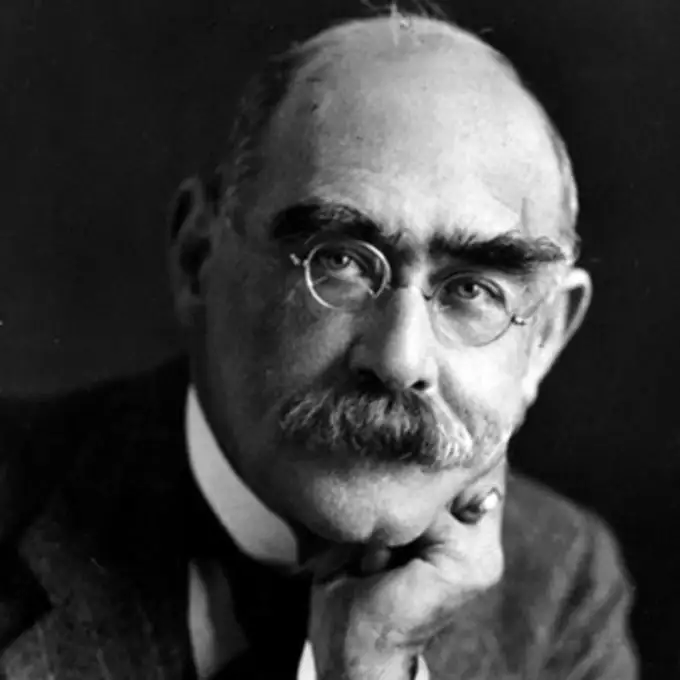
Who Was Rudyard Kipling
Rudyard Kipling (1865–1936) was an English short-story writer, poet, and novelist best known for his stories about British India, his children's literature, and his poetry. He was awarded the Nobel Prize in Literature in 1907.
Rudyard Kipling's Early Life and Education
Born in Bombay (now Mumbai), India, Kipling was the son of John Lockwood Kipling, an artist and scholar whose work later influenced many of his writings, including his famous novel Kim. At the age of six, Kipling was sent to England, where he spent five years in foster care before attending the United Services College in Devon, as per a Britannica report.
Rudyard Kipling's Journalism Career and Rise to Fame
Kipling returned to India in 1882 and worked as a journalist for seven years. During this period, he began publishing prose sketches, poems, and short stories. His early works included Departmental Ditties (1886) and Plain Tales from the Hills (1888). By the time he returned to England in 1889, he had already gained recognition, and within a year he was considered one of the leading prose writers of his time, as per the Britannica report.
Major Works by Rudyard Kipling
Kipling published several influential works during the 1890s and early 1900s. His best-known books include The Jungle Book (1894), The Second Jungle Book (1895), Captains Courageous (1897), and Kim (1901). He also wrote popular poems such as "Mandalay," "Gunga Din," and "Danny Deever," which appeared in Barrack-Room Ballads (1892), as per the Britannica report.
Nobel Prize and Later Years
In 1902, Kipling settled in Sussex, England, where he continued writing. Many of his later works, including Puck of Pook's Hill (1906) and Rewards and Fairies (1910), were inspired by the surrounding landscape. In 1907, he became the first Englishman to receive the Nobel Prize in Literature, as per the Britannica report.
Rudyard Kipling's Legacy
Kipling's poems and stories were immensely popular during the late 19th and early 20th centuries. His children's books, including Just So Stories (1902) and The Jungle Book series, remain widely read. Although his reputation changed over time, his works continue to attract readers and critical attention around the world, as per the Britannica report.