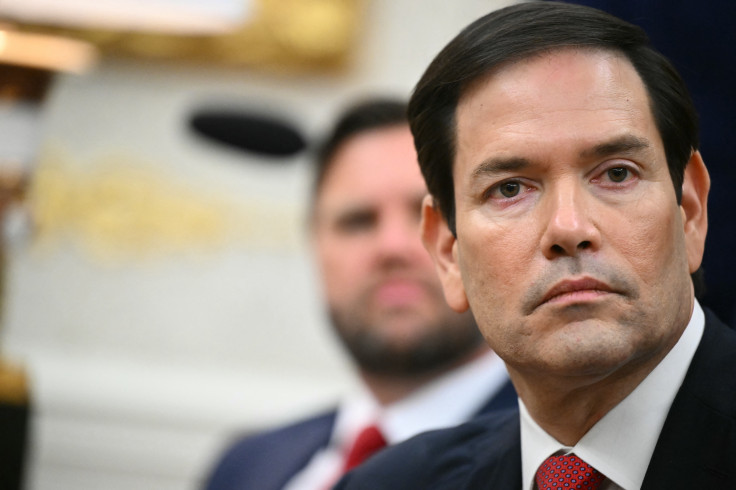
Secretary of State Marco Rubio said his office has revoked more than 600 visas from foreign nationals worldwide over the past month as part of a new effort targeting so-called "birth tourism," the practice of traveling to the United States to give birth so a child receives U.S. citizenship.
In a post on X, Rubio said the recently established Birth Tourism Prevention Task Force is reviewing visa holders and investigating networks that allegedly help foreign nationals misrepresent their travel plans.
"American citizenship is not for sale," Rubio said, accusing some operators of coaching travelers to defraud the visa system, arranging housing and forging documents.
American citizenship is not for sale.
— Secretary Marco Rubio (@SecRubio) August 12, 2026
But elaborate birth tourism rings are profiting off the exploitation of America's laws- coaching foreigners to defraud the U.S. visa system, arranging travel and housing, and even forging documents, all to enable foreign nationals to obtain…
The State Department also issued a statement saying the task force works with the Department of Homeland Security and analyzes travel histories and information held across federal agencies. Officials said visas are generally revoked when there are indications that a holder may be ineligible.
The department cited several cases behind the crackdown, including a couple it said used conferences and vacations as cover stories while traveling to the U.S. to have two children. In another case, a foreign government official obtained a visa for a weeklong official trip but remained for three months and gave birth, according to the department. Their visas were revoked.
The initiative follows two executive orders President Donald Trump signed on August 6 as part of a renewed effort to restrict access to birthright citizenship. One directs the State and Homeland Security departments to prioritize preventing birth tourism and denying visas to people suspected of engaging in the practice.
Estimates of its prevalence vary. NPR reported that fewer than 10,000 babies were born in the U.S. to foreign residents in 2024, citing federal data, while the Center for Immigration Studies, which favors lower immigration levels, has produced substantially higher estimates using a broader methodology.
Trump's latest measures have already drawn a legal challenge. The ACLU and other groups asked a federal judge on Tuesday to block their enforcement, arguing they conflict with a June Supreme Court ruling that struck down Trump's earlier attempt to restrict birthright citizenship.
The White House has maintained that the new measures comply with that ruling. The ACLU argues they face the same constitutional barrier, with attorney Cody Wofsy saying that "no additional executive order can change the meaning of the Constitution."