From December 30, only those producing COVID-19 negative certificates will be permitted entry into the Sabarimala Ayyappa Temple.
Though an advisory by the State Health Department stipulated production of RT-PCR results from December 27 onwards, the authorities have decided to extend its implementation on a directive by the Kerala High Court. While raising the number of permissible daily pilgrims to 5,000, the High Court also directed that COVID-19 negative certificates be insisted from devotees from December 30.
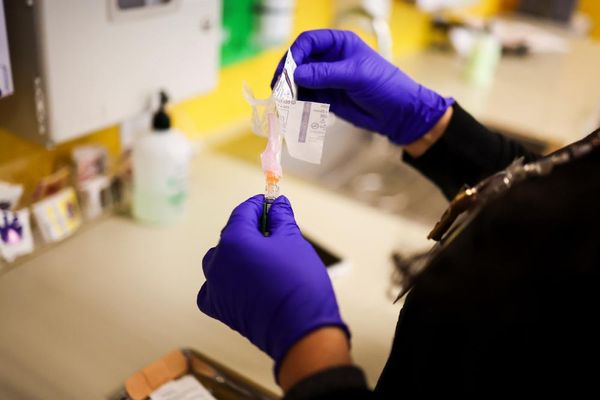
According to officials, the four days when the temple remains closed after the Mandala Puja on December 26 will be used for streamlining the RT-PCR testing facilities for the pilgrims. “They may undergo the test anywhere in Pathanamthitta, Thiruvalla or Chengannur, but will have to plan the onward journey to the Nilackal base camp in a way not to miss the slots booked in the virtual queue,” said an official of the Health Department.
Except the Regional Public Health Laboratory at Kozhencherry, all other RT-PCR testing units in the district are in the private sector.
At the same time, the rapid antigen testing units at Pampa, Nilackal and Sannidhanam will continue to operate. “Since the RT-PCR tests can be conducted only in lab settings, the facility will not be available anywhere in the pilgrimage zone. But in case if the validity of a COVID negatice certificate breaches its validity of 48 hours, the police may decide on whether to permit the person after conducting an antigen test or not,” the official said.
Meanwhile, the authorities have limited to 100 the number of people taking part in the three-day procession carrying the Thiruvabharanam to be adorned on the idol of Lord Ayyappa during the Makaravilakku ceremony. The receptions to be accorded to the procession at various points en route to Pampa too have been cancelled, said N. Vasu, president, Travancore Devaswom Board (TDB).
According to him, the TDB has also kick-started preparations for receiving 5,000 pilgrims on a daily basis as directed by the High Court.