Alarming declines in the UK's greenfinch and starling populations have been revealed by new data from the RSPB’s long-running Big Garden Birdwatch.
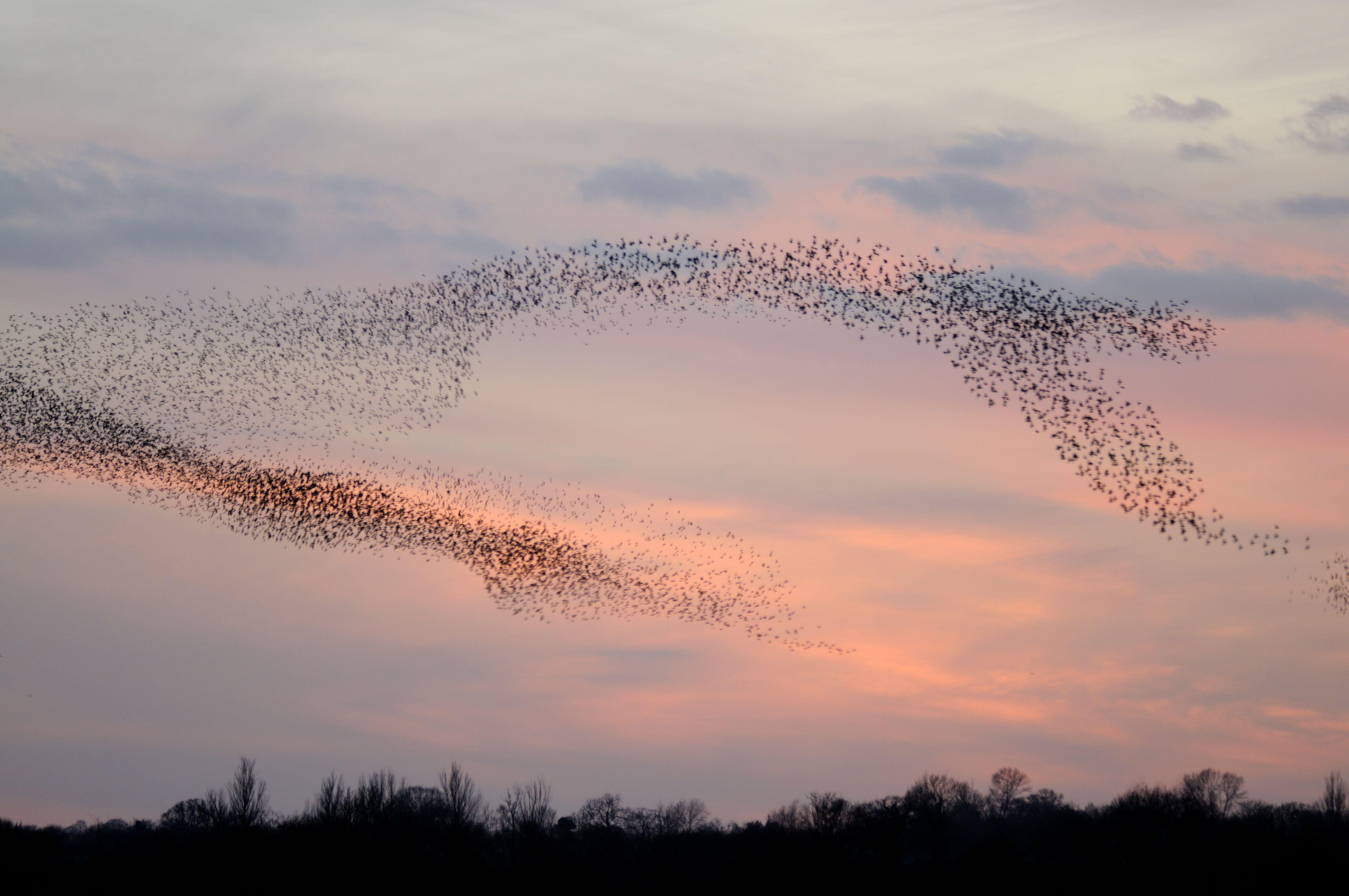
The once-common starling has reached record low numbers for the second year running, with this year's survey showing a further 3 per cent decline. Overall, their population has plummeted by an alarming 85.1 per cent since the citizen science scheme began in 1979.
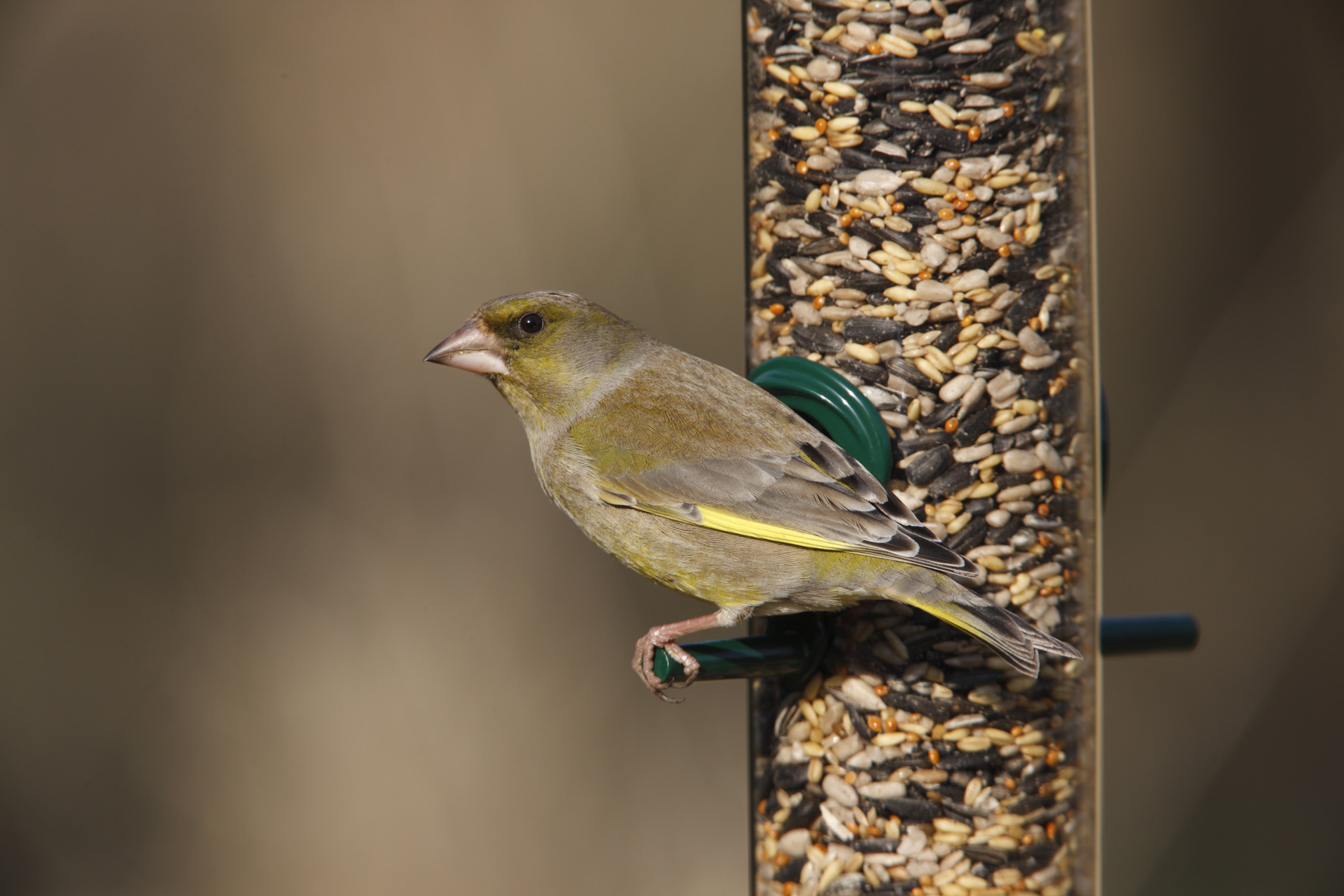
Greenfinches, despite a modest 2.3 per cent rise in average counts this year, still see their overall numbers two-thirds lower than in 1979, highlighting ongoing concerns for the species.
RSPB scientists warn that these songbirds are vulnerable to diseases spread at bird feeders, urging households to reconsider when, how, and what food they offer to help protect them.
Beccy Speight, the charity’s chief executive, said: “We’re not asking people to stop feeding, just to feed in a way that protects birds’ long-term health.”
This year, more than 650,000 people took part in the birdwatch, which involves spending an hour counting birds in a garden or local green space during the last weekend in January.
The results can help conservationists gauge how the country’s bird life is faring.
The house sparrow held on to the top spot and the blue tit remained at number two again this year, followed by starling in third, woodpigeon in fourth and blackbird in fifth.
While starlings jumped from fourth to third place for the most commonly spotted species in 2026, it was largely because fewer woodpigeons were reported compared to last year, the RSPB said.
The charismatic birds are found across the UK, with numbers swelling during winter when more of the species arrive from northern Europe, and can be seen in huge numbers performing aerial displays known as “murmurations”.
Before the year 2000, starlings were regularly the most numerous species recorded in the Big Garden Birdwatch.
However, they are now “red-listed” because of concerns over their falling population.
The RSPB said there is a lack of evidence behind what might be driving the decline, although a fall in chicks’ survival rates over their first winter could be contributing.
Meanwhile, greenfinches – which came in 18th place – have seen their population particularly devastated by the disease trichomonosis, which spreads more easily when birds gather around feeders in summer and autumn.
The songbird is also on the conservation “red list”, with other UK-wide surveys indicating a loss of more than two million birds since the mid-1990s.
Ms Speight said: “Feeding birds is something millions of us love and value, but the science shows us that birds such as greenfinches have been affected by the spread of disease at feeders.
“By making small changes together, we can ensure garden feeding continues to be a positive force for nature.”
The charity’s experts said households should feed birds seasonally, adjusting what goes into feeders during the summer and autumn months when the risk of disease spreading is higher.
This could include a pause on seed and peanuts to prevent too many birds gathering in one place, although small amounts of mealworms, fat balls or suet are safe to provide year-round.
Other recommendations include cleaning or moving feeders weekly, changing water daily and retiring flat-surfaced feeders after research found a higher risk of disease spread on flat surfaces, including bird tables.
When launching the survey in January, the RSPB said bird lovers could enjoy a bumper year for migratory species after cold and unsettled weather across Europe.
The results suggested the number of redwing and fieldfare recorded did surge this year, with average counts rising by 307 per cent and 70 per cent, respectively.
Seagulls launch ‘coordinated’ attacks on children at Easter egg hunt
Ministers pledge £90m to help save birds, beavers and beetles from extinction
Three-month-old baby girl dies in suspected dog attack in Redcar
Overworked estate manager wins £400,000 payout for 827 days of untaken holiday
UK may not be able to deal with Russian ‘threat’ to Scotland, Swinney says