Despite Next’s profit warning, the retailer is no longer the biggest faller in the FTSE 100.
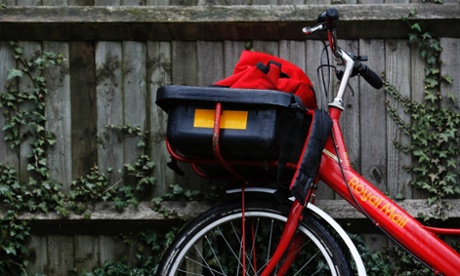
That dubious accolade goes to Royal Mail at the moment. Just over a year on from its controversial flotations at 330p a share and ahead of the key Christmas period, it now stands at 445.9p, down 7.4p. That is above its low of 388p, with its shares recovering some ground after recent news of the £111m sale of its former mail centre in Paddington, west London.
This latest share price fall follows a downbeat note from analysts at Credit Suisse. Ahead of the second quarter results on 19 November the bank has repeated its underperform recommendation, albeit with a target price raised from 350p to 377p. Analyst Hugo Turner said:
We model underlying profitability - pre-transformation (its modernisation programme) not returning to 2014 peak levels before 2018. We think this will prompt incremental transformation spend, impacting cash.
Royal Mail has already set a precedent within its first year as a listed company (£100m cash impact in 2015). And for a restructuring plan likely to be more protracted than expected, property disposals (only two of which are left) are likely to provide only short-term relief. We mechanically increase our target price by 5% to 377p to reflect the Paddington disposal, and revalue the two remaining assets upwards. And with Royal Mail re-rating 13% since lows in August on the back of this disposal, we feel recent strength is overplayed going into results.
We make no changes to estimates and continue to see pressure on the 50 basis points margin improvement guided to for 2015. Industry trends have not been supportive: i) UK Mail has flagged market wide parcels weakness, ii) foreign exchange headwinds in international parcels are persisting, iii) there is well flagged competitive pressure from Whistl (previously TNT Post UK) and iv) trading at [European parcel delivery business] GLS could further disappoint – TNT Express profit warning providing some context. We think consensus needs to adjust down further for 2015/2016 – our full year 2015 estimated £431m operating profit post transformation costs sits around 8% below company consensus.