Robin Holloway has pursued an equal-opportunities approach to concerto writing, having created showpieces for orchestral underdogs such as the viola, bassoon and double bass. The piece premiered this evening, Europa and the Bull, describes the birth of a continent from the rape of a nymph and takes the form of a concerto for the tuba.
Holloway believes the big daddy of the brass section to be unfairly maligned; a perception that a 20-minute expostulation of a tuba’s sexual activity may, on the face of things, seem unlikely to dispel. And though Holloway’s writing is fairly rampant in parts, he makes expansive room for exploration of the lyrical, even seductive qualities that give the instrument a certain nobility. The Royal Liverpool Philharmonic’s heroic principal tuba Robin Haggart fully conveyed the profound, singing quality achievable from this very large yet surprisingly expressive horn.
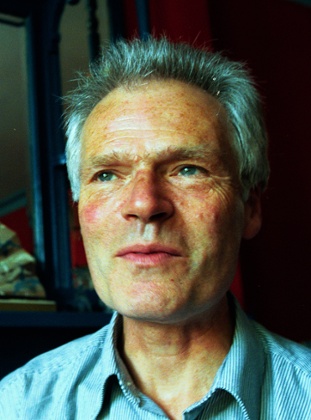
Ralph Vaughan Williams is among the few other composers to have written a tuba concerto, and though Haggart’s virtuosity kindled a desire to hear him play that, too, the programme featured another of the composer’s most whimsical late creations, the unique jazz-pastoral odyssey of the eighth symphony, in which English meadows seem to sway to the lullaby of Broadway. Especially thrilling was the tuned percussion frenzy of the final movement in which Vaughan Williams gave clamorous rein to “all the ’phones and ’spiels known to the composer”.
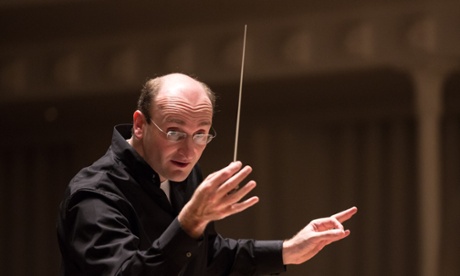
A visceral account of the Planets Suite was a crowd-pleaser, yet Andrew Manze had the clear intent of placing Holst’s astonishing music at the forefront of the European avant garde. Manze’s escape from the early music niche to become a brilliantly perceptive interpreter of mainstream repertoire has been an odyssey in itself, and his empathy with the RLPO, honed through an artistic residency last year, is remarkable. If and when Vasily Petrenko decides to move on from Merseyside, Manze might be the man.