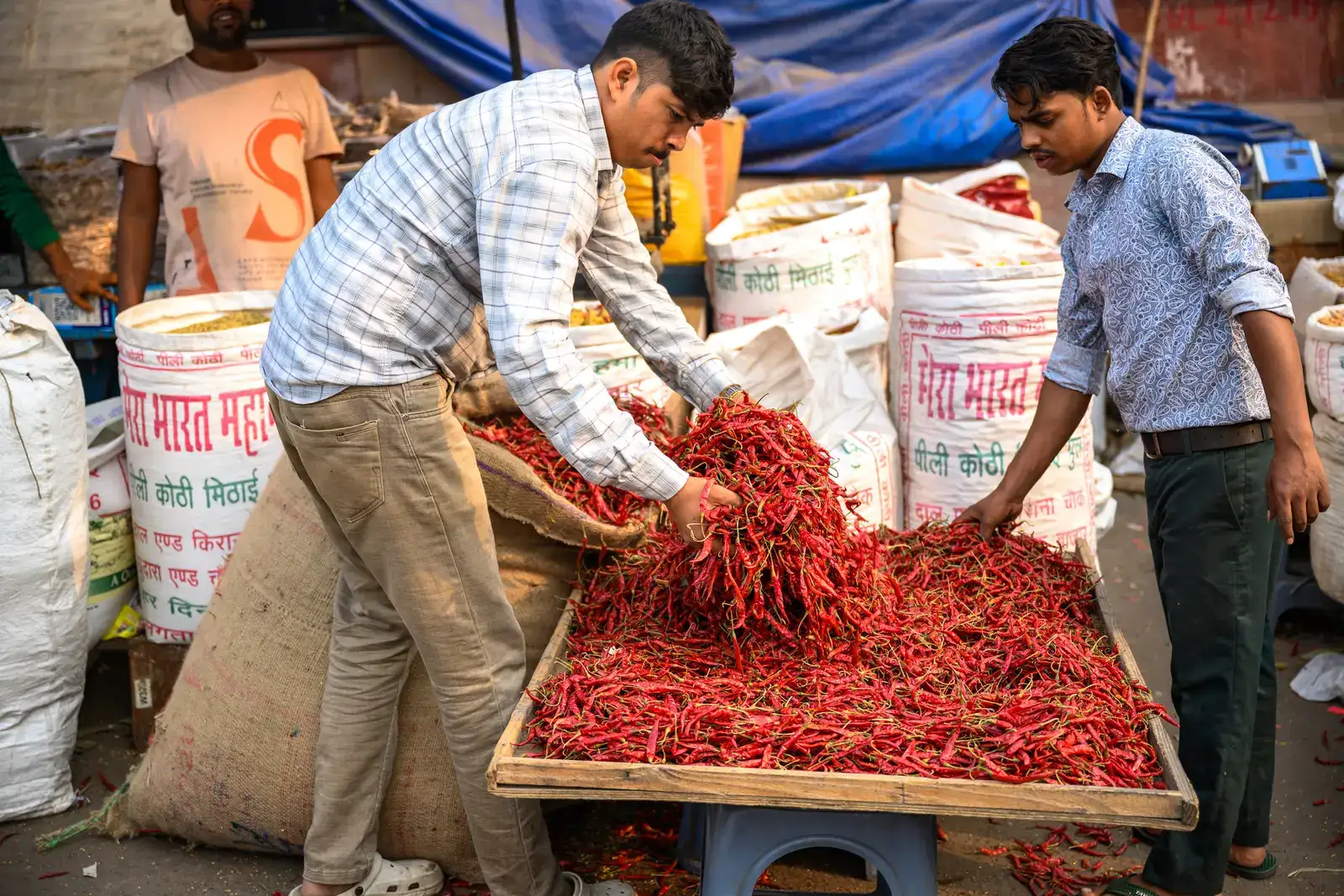
India, the land of spices, is now facing the looming threat of losing its crown as the global leader in the spices trade. Although the country continues to dominate the global spice trade with exports of around Rs 40,000 crore annually, repeated shipment rejections and tightening international food safety standards have exposed a critical weakness in the value chain, experts say. A significant part of the problem, they say, originates at Indian farms, where indiscriminate pesticide use, the continued use of banned chemicals, limited adoption of integrated pest management (IPM), and poor awareness of sustainable alternatives are undermining the quality and export competitiveness of Indian spices.
The fragmented structure of farms in the country makes this even worse. Spices are grown across vast, varied regions mostly by small and marginal farmers who lack modern tech, expert guidance, and affordable digital solutions. As global food safety rules tighten, experts say India needs a dedicated policy to deliver traceable, residue-safe, sustainable spices. Madhya Pradesh, Gujarat, Rajasthan, Andhra Pradesh, and Telangana are the major producers of spices in India.