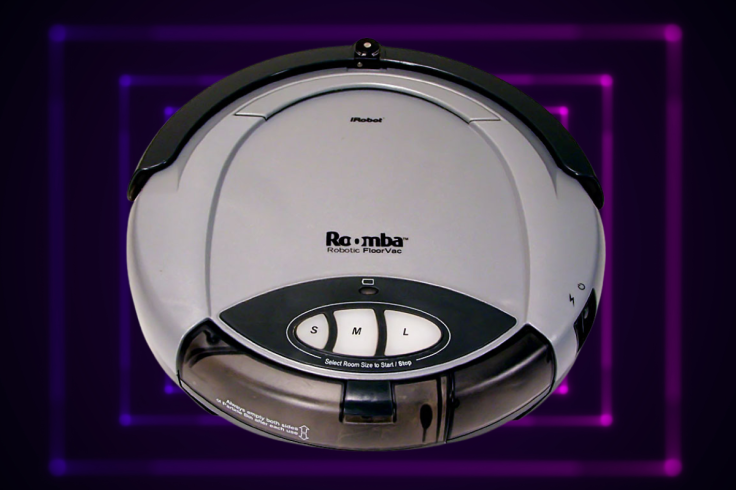
If you own a Roomba, the news that iRobot has filed for bankruptcy protection may have caused concern. The Massachusetts-based company, which pioneered the robotic vacuum cleaner and has sold more than 50 million units worldwide, filed for Chapter 11 bankruptcy in the District of Delaware on 14 December 2025. Under a restructuring agreement, Chinese manufacturer Shenzhen Picea Robotics will acquire 100% of the company's equity—effectively ending iRobot's 35-year history as an independent American enterprise.
The deal will wipe out existing shareholders entirely. Court documents reveal the company carries approximately $190 million (£142 million) in secured debt, alongside owing its manufacturer over $161.5 million (£120.9 million) for production costs. But for the millions of households relying on their Roomba's smart features, the most pressing question remains: will your robot vacuum continue to work as before?
What iRobot Says About Consumer Support
The company has moved swiftly to reassure users. In an official statement, iRobot confirmed that the bankruptcy process is not expected to disrupt app functionality, customer programmes, global partnerships, supply chain relationships, or ongoing product support.
'Today's announcement marks a pivotal milestone in securing iRobot's long-term future,' said Gary Cohen, iRobot's Chief Executive Officer. 'The transaction will strengthen our financial position and will help deliver continuity for our consumers, customers, and partners.'
The pre-packaged Chapter 11 process aims to conclude by February 2026, allowing iRobot to continue operating normally throughout the restructuring period.
Why Consumers Had Reason to Worry
Concerns were understandable. Weeks before the filing, experts warned that customers might lose important features such as mapping, scheduled cleanings, smart device integration, and future upgrades if iRobot shut down entirely. Without cloud server support, premium Roomba models could be reduced to manual operation via physical buttons.
Additionally, iRobot's Select subscription programme—which offered equipment upgrades and premium support—ceased accepting new members in 2024, according to The Verge. This move heightened speculation about the company's long-term viability.
A Billion-Dollar Collapse: How iRobot Got Here
The scale of iRobot's downfall is staggering. Founded in 1990 by three MIT engineers, the company commanded a valuation of $3.56 billion (£2.66 billion) during the pandemic-driven demand surge of 2021. Today, its worth is estimated at roughly $140 million (£104 million), according to data compiled by LSEG.
iRobot launched the first Roomba in 2002, which quickly became a household name. The brand captured approximately 42% of the US market and 65% of the Japanese market for robotic vacuum cleaners, according to court documents. That dominance now faces an uncertain future.
A proposed $1.7 billion (£1.2 billion) acquisition by Amazon collapsed in January 2024 after iRobot stated there was 'no path to regulatory approval in the European Union.' The failed deal proved catastrophic, stripping the company of a crucial financial lifeline.
Chinese Rivals Undercut Roomba on Price
Since then, iRobot has faced stiff competition from Chinese rivals such as Ecovacs Robotics. These companies have slashed prices and introduced features comparable to, or even better than, Roomba's. Court documents reveal that this pressure forced iRobot to reduce prices and invest heavily in technological upgrades, which drained profit margins.
New US tariffs compounded the situation. A 46% tariff on imports from Vietnam—where iRobot manufactures its products—added around $23 million (£17 million) to costs in 2025, according to court filings.
What This Means for Your Roomba
For current Roomba owners, there is some reassurance. Instead of shutting down entirely, filing under Chapter 11 allows the company to reorganise without ceasing operations. Picea, the Chinese manufacturer responsible for iRobot's devices and owning over 1,300 robot-related IP assets, appears committed to preserving the brand name.
However, moving into Chinese ownership raises questions about future product development, data security, and whether Picea will continue pushing aggressively into Western markets.
The Roomba's rise revolutionised home cleaning, but its recent difficulties highlight a sobering truth: when gadgets depend heavily on internet connectivity, their true value hinges on the stability and priorities of the company behind them.