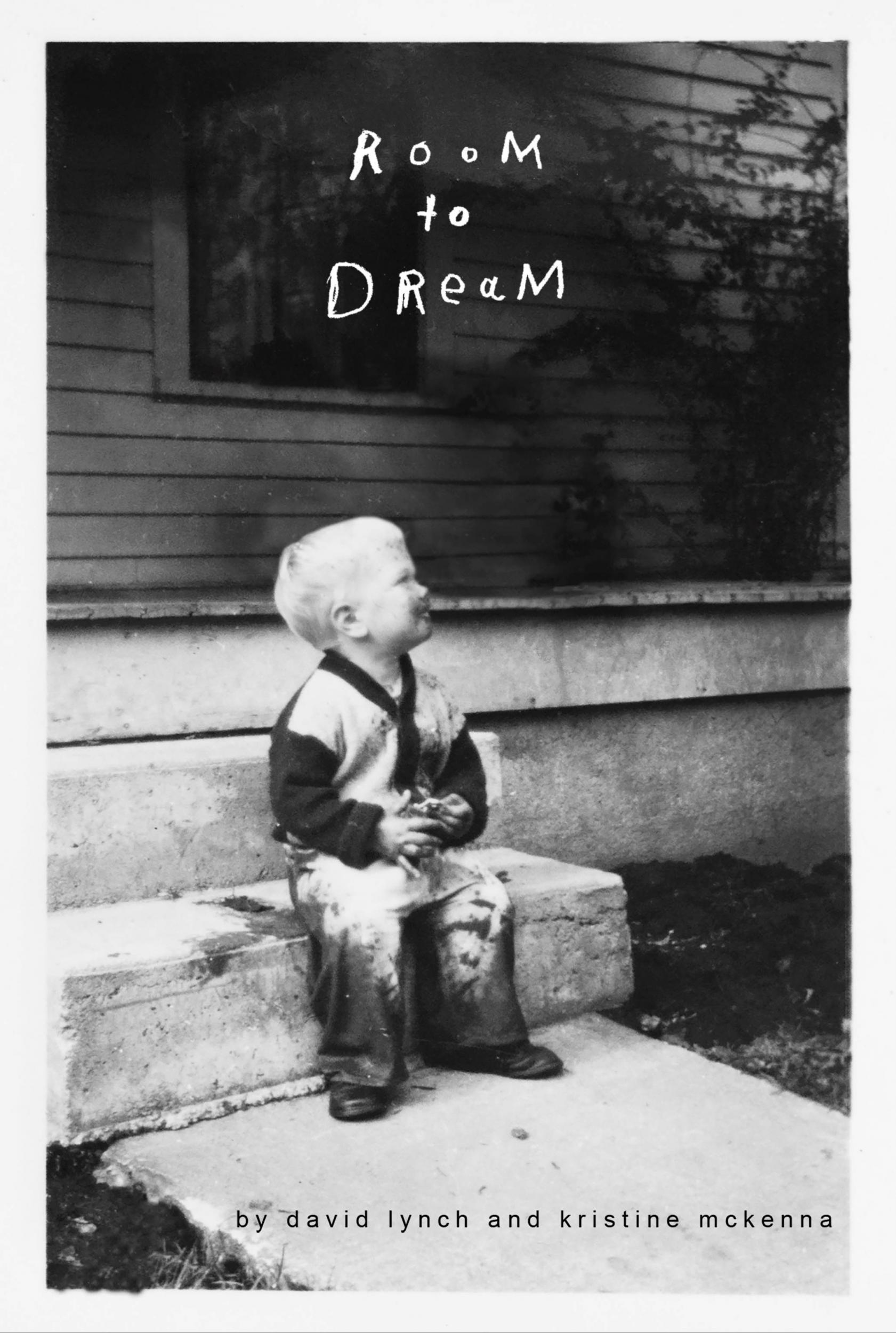
As with any great artist, the last thing we should want to do with David Lynch is “solve” him in any way - or for him to “explain” himself, and his work, to us. But those with an eye for telling detail will luxuriate in this part-memoir, part-biography by Lynch and the journalist Kristine McKenna.
After 2001’s Mulholland Drive - seen by some critics as the greatest film of the century so far - the visionary director hit what you might call '(twin) peak Lynch' in 2007, with his entropic black masterpiece Inland Empire, about a Hollywood actress trapped in This memoir tha cursed film. One observer correctly described the film as representing the “vast, dysfunctional anatomy of David Lynch's imaginary universe… breaking down and contaminating itself”.
Baffling and dark even by Lynch’s standards, it felt like some kind of harrowing maximalist end-point. Where next? Remarkable it is then that he should then gift fans last year a return to the world of Twin Peaks, his most cherished and relatable of universes.
There are plenty of appetising pointers to the formative monsters in the picket-fence garden that shaped his imagination. These include the astonishing event in his childhood: a terrified “nude woman with white skin” and “a bloodied mouth” who Lynch and his brother see walking down the street one evening at dusk.
“Everything is about Marilyn Monroe,” Lynch concludes at another point in Room to Dream, referring to what he calls “the woman-in-trouble thing” which - as for Hitchcock - is an abiding obsession.
“Let’s make it darker,” Lynch tells cinematographer Frederick Elmes while shooting his debut, Eraserhead. What’s clear from Room to Dream is how from an early age Lynch’s eye was preternaturally drawn to divining the blacker surfaces beneath the promise of America.
Under the “dreamy” Eisenhower-era Fifties, he says “I always knew there was stuff going on… that wasn’t happy”. McKenna describes Lynch’s childhood as “bucolic and secure”, but his own account is much more interesting, and packed with detail.
A neighbour’s son blows his foot off with a rocket - “there was a lot of bomb-building in Boise” he deadpans. Fired up with nascent rock’n’roll, his eye is caught by “librarian types… their outer appearance hiding smoldering heat”. Moving to art school in the hellish mid-1960s dystopia of inner-city Philadelphia in his early twenties adds more fuel to the imaginative fire.
The cultural critic Greil Marcus has written eloquently about how Lynch’s work captures the betrayal of the American dream, its exquisitely textured shadow. What’s clear from Room to Dream is how remarkably Lynch has managed to realise this vision, mostly on his own terms, against the odds.
There are also rewarding insights into what could be described as Lynch’s spiritual logic, shaped by his devotion to transcendental meditation. In a quintessentially American passage he outlines this world-view. “Picture a baseball: You hit it and it goes out and it doesn't come back until it hits something and starts travelling back. There’s so much empty space that it could be gone for a long time, but then it starts coming back and it’s coming back to you, the person who set the baseball in motion.” It’s a space he’s made his own.
'Room to Dream' is published by Canongate