Roman remains unearthed near famous Lisbon restaurant
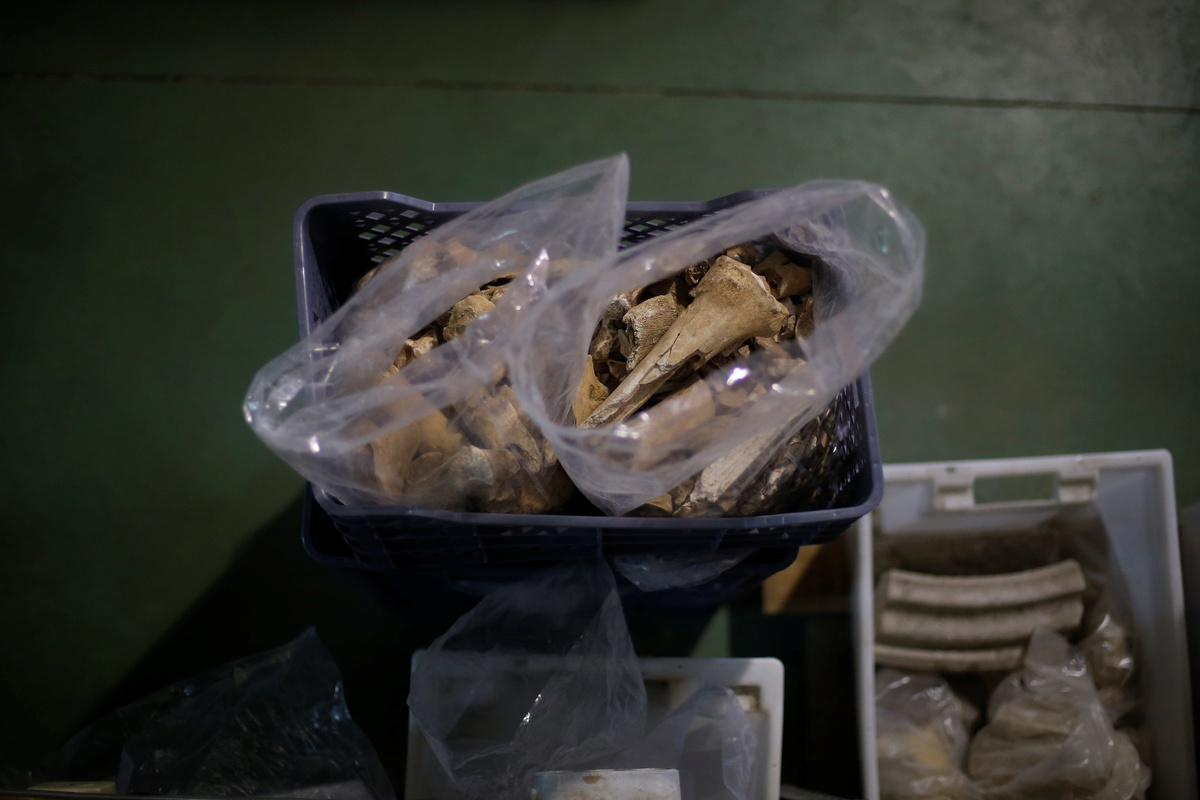
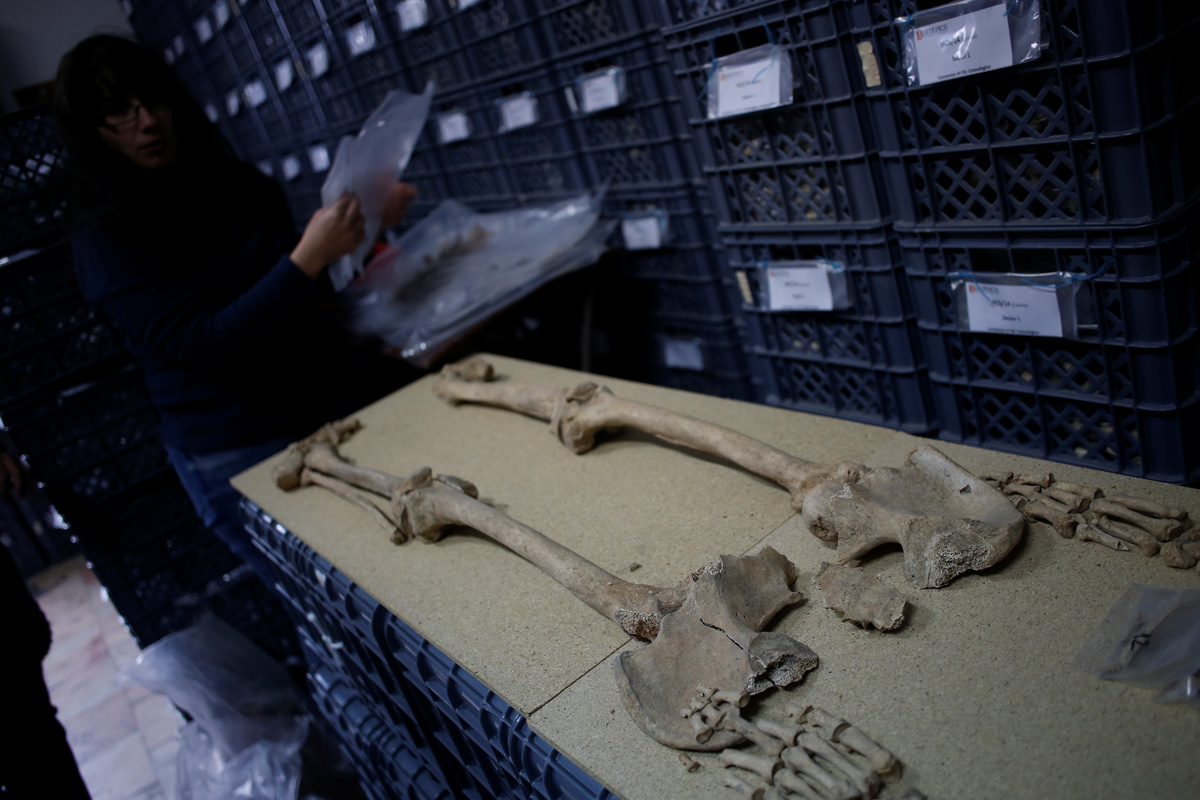
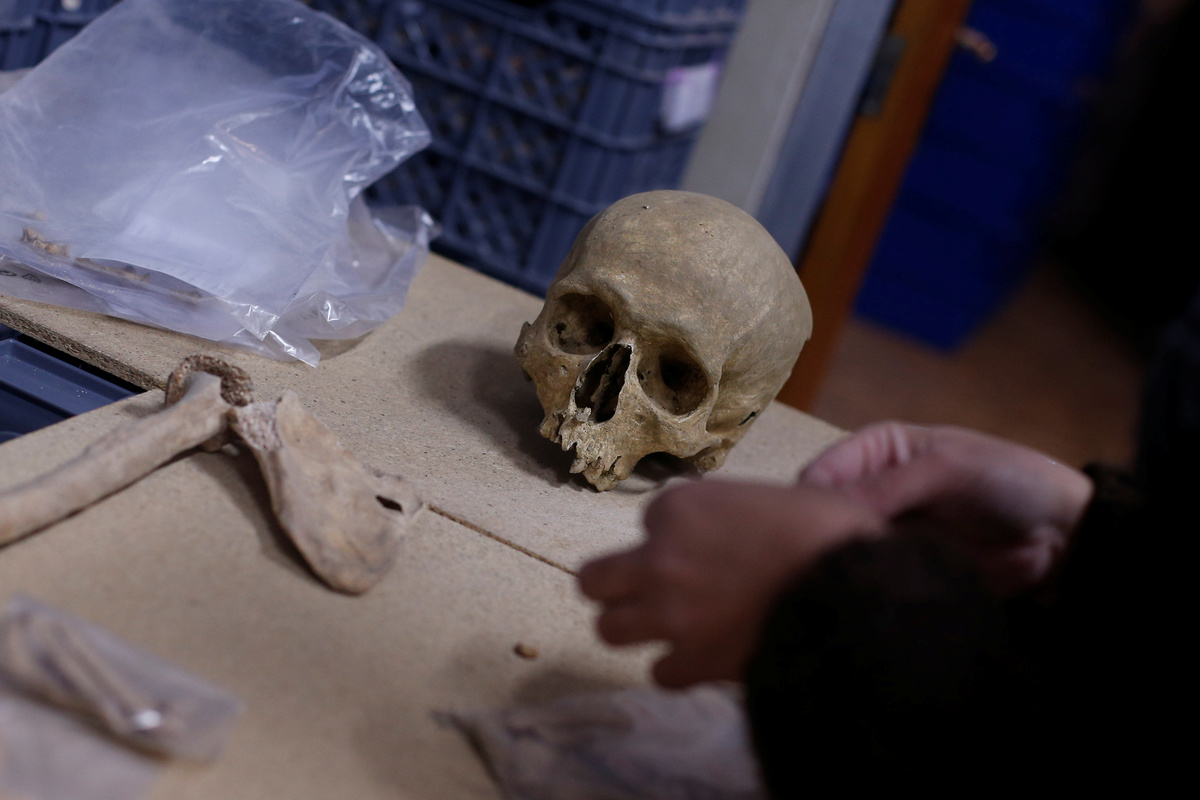
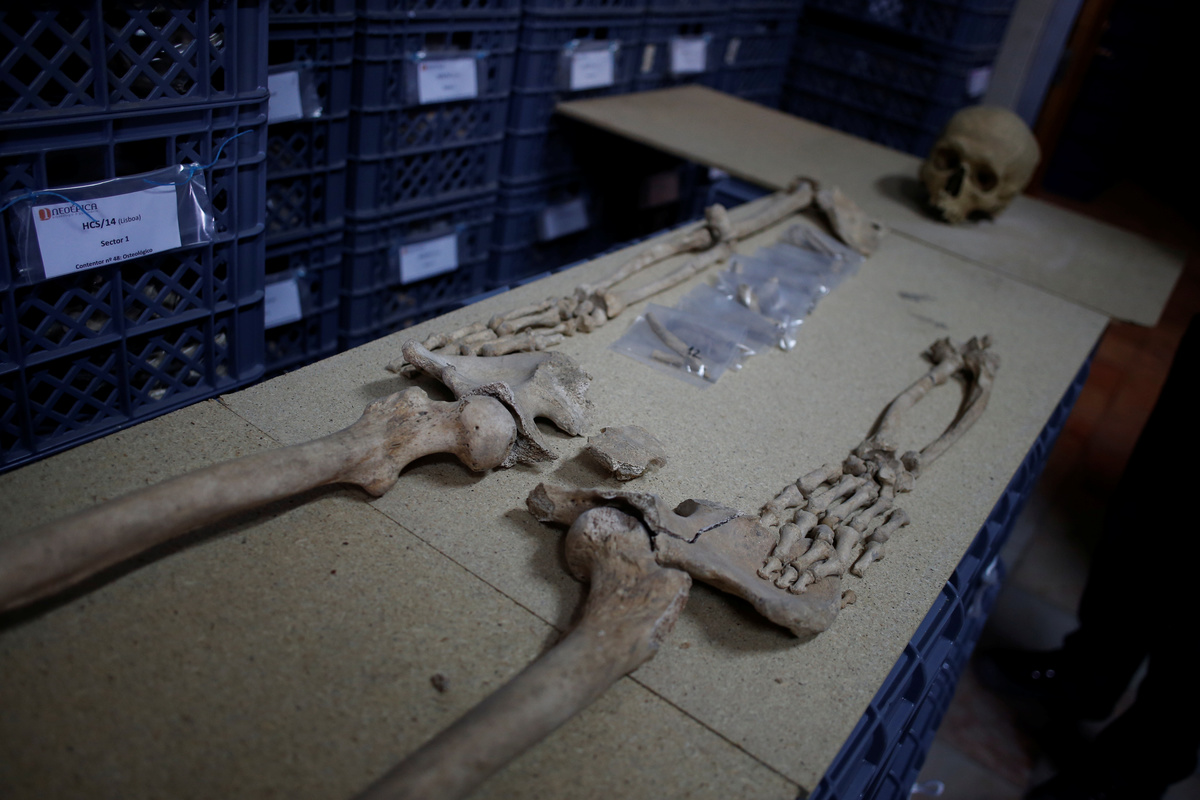
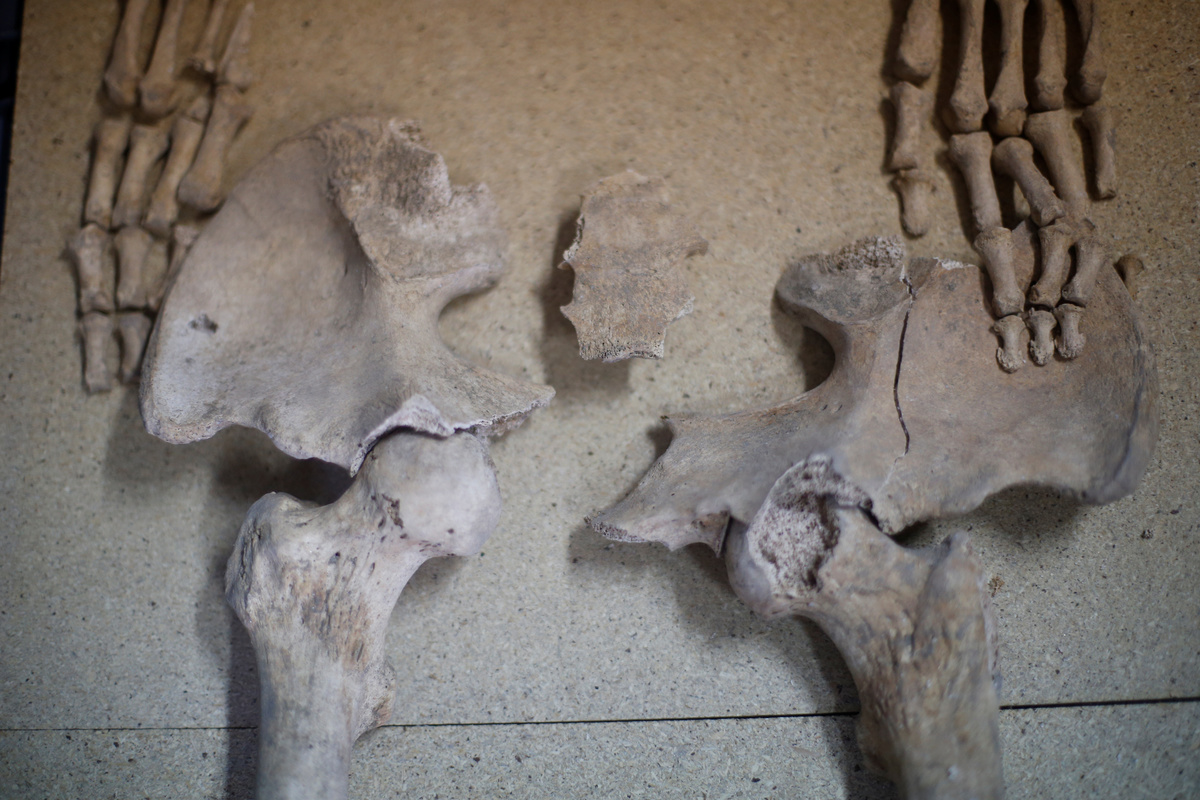
A view of findings from an ancient Roman cemetery with 2000-year-old skeletons and various artefacts, found below a restaurant in Lisbon, Portugal, January 24, 2019. REUTERS/Pedro Nunes
LISBON (Reuters) - Portuguese archaeologists digging near one of Lisbon's most iconic restaurants, the Solar dos Presuntos (Manor of Hams), have discovered a large Roman cemetery holding 2,000-year-old skeletons and various ancient artifacts.
The necropolis was found after the restaurant owners decided to expand their establishment, founded in 1974 in Lisbon's historical center.
To get the expansion project approved, city authorities required that a team of archaeologists first survey the land.
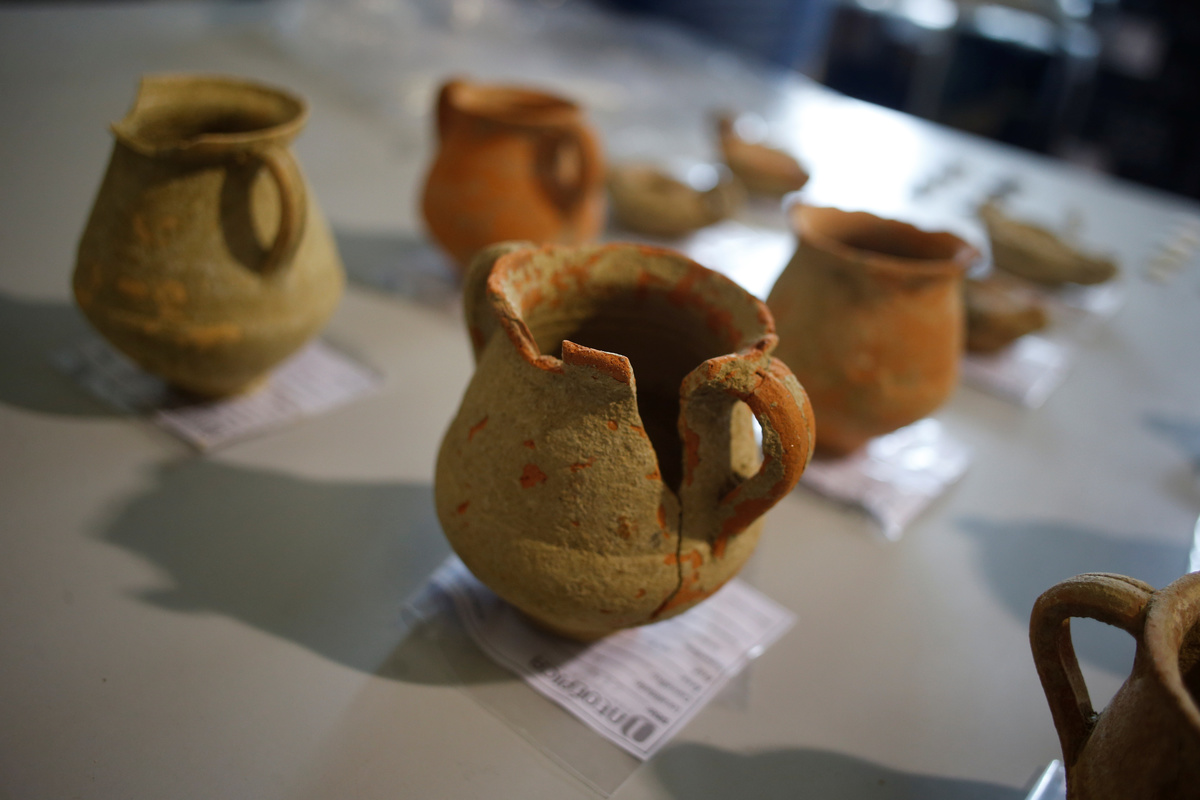
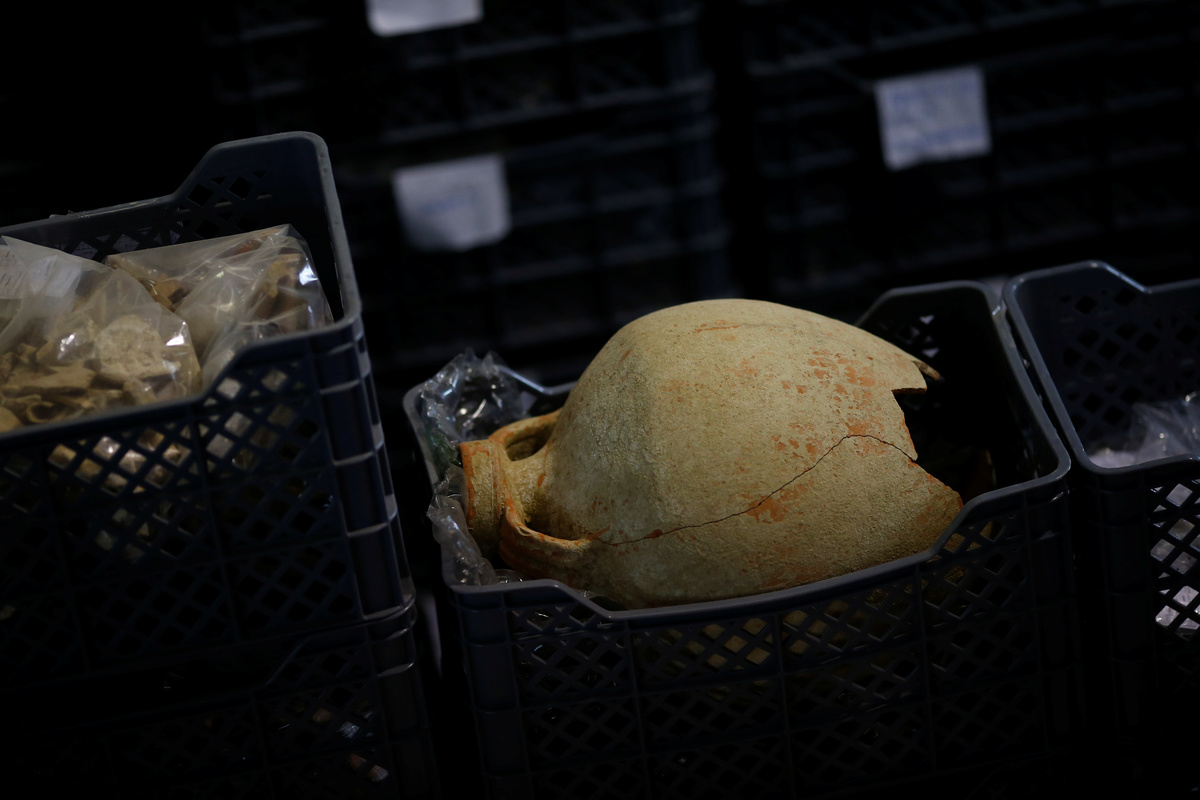
A view of findings from an ancient Roman cemetery with 2000-year-old skeletons and various artefacts, found below a restaurant in Lisbon, Portugal, January 24, 2019. REUTERS/Pedro Nunes
"What we found was a big surprise," said Nuno Neto, an archaeologist at Neoepica, the company that carried out the digging at a depth of around six meters (20 ft). "The level of preservation is excellent, and the set of artifacts is fabulous."
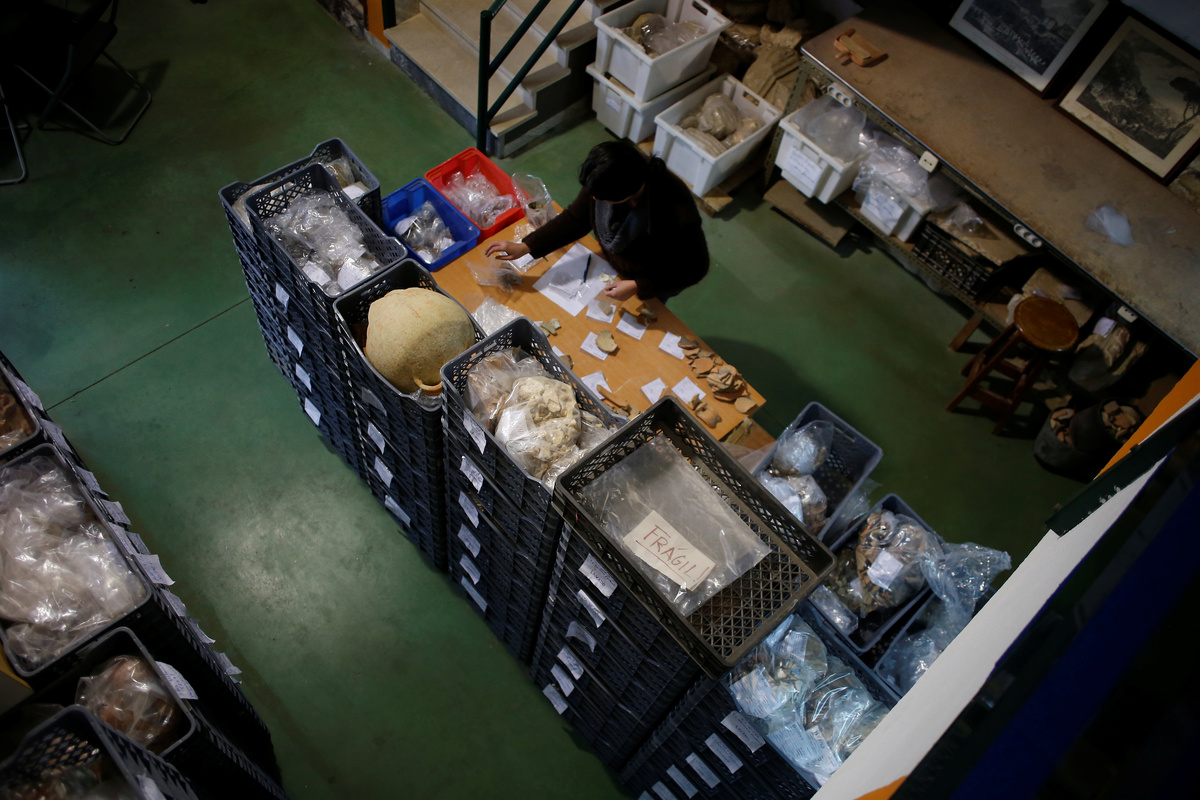
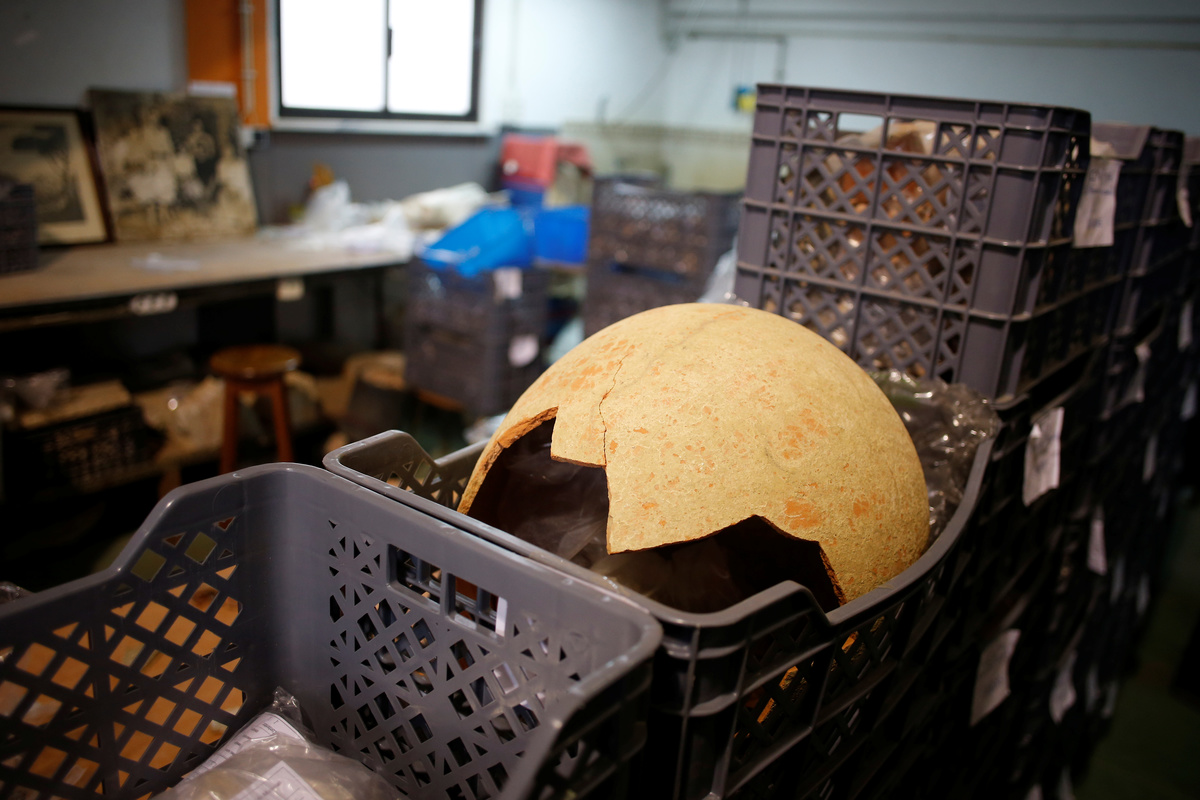
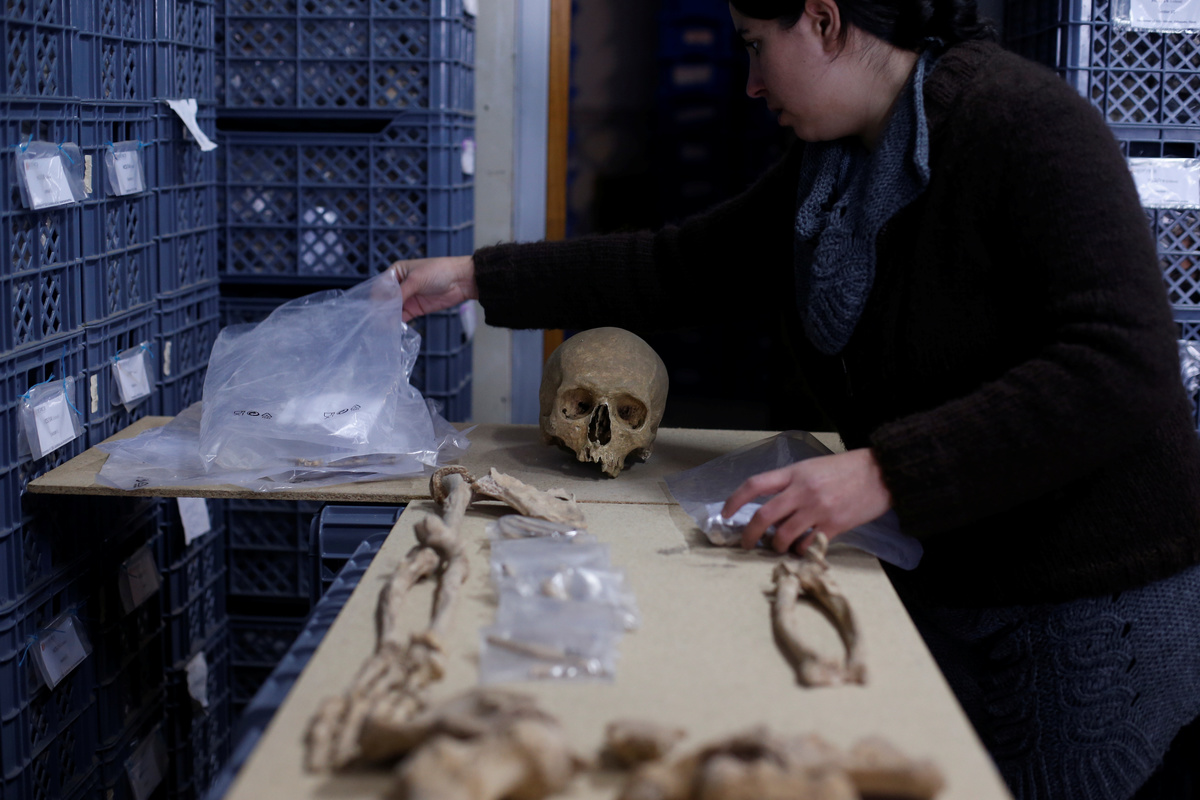
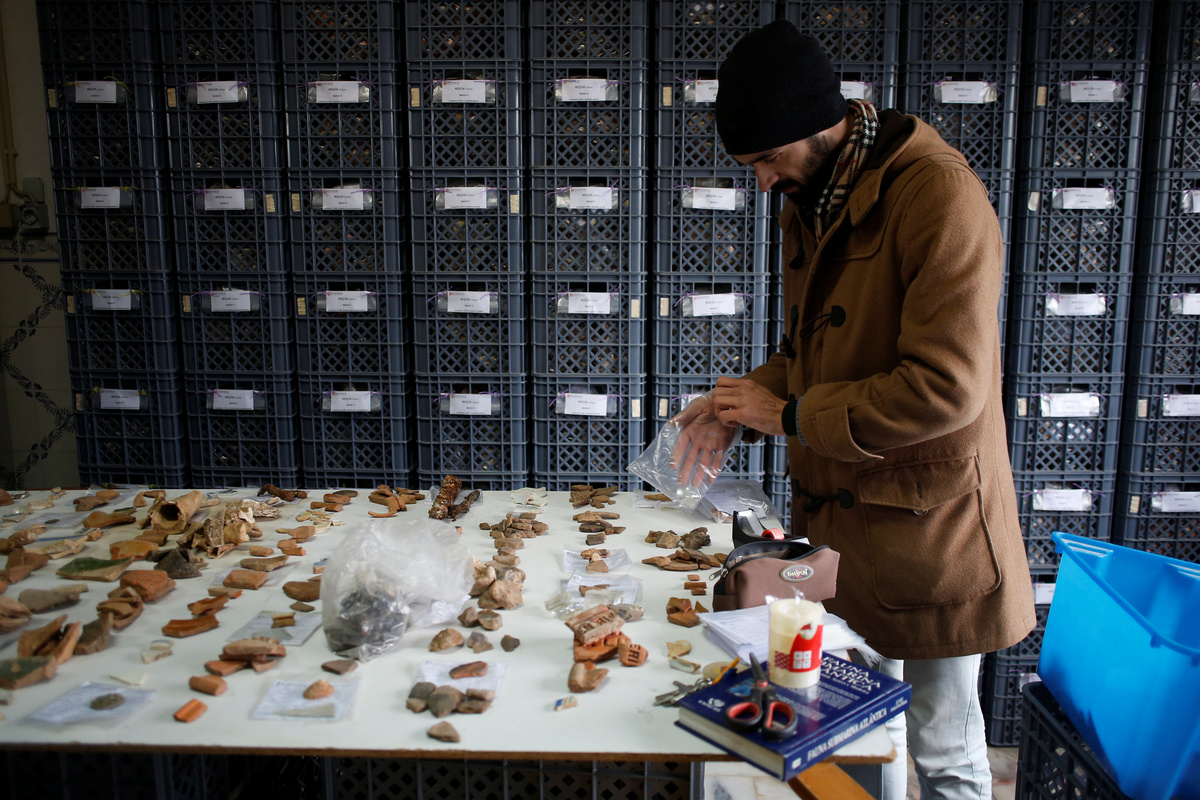
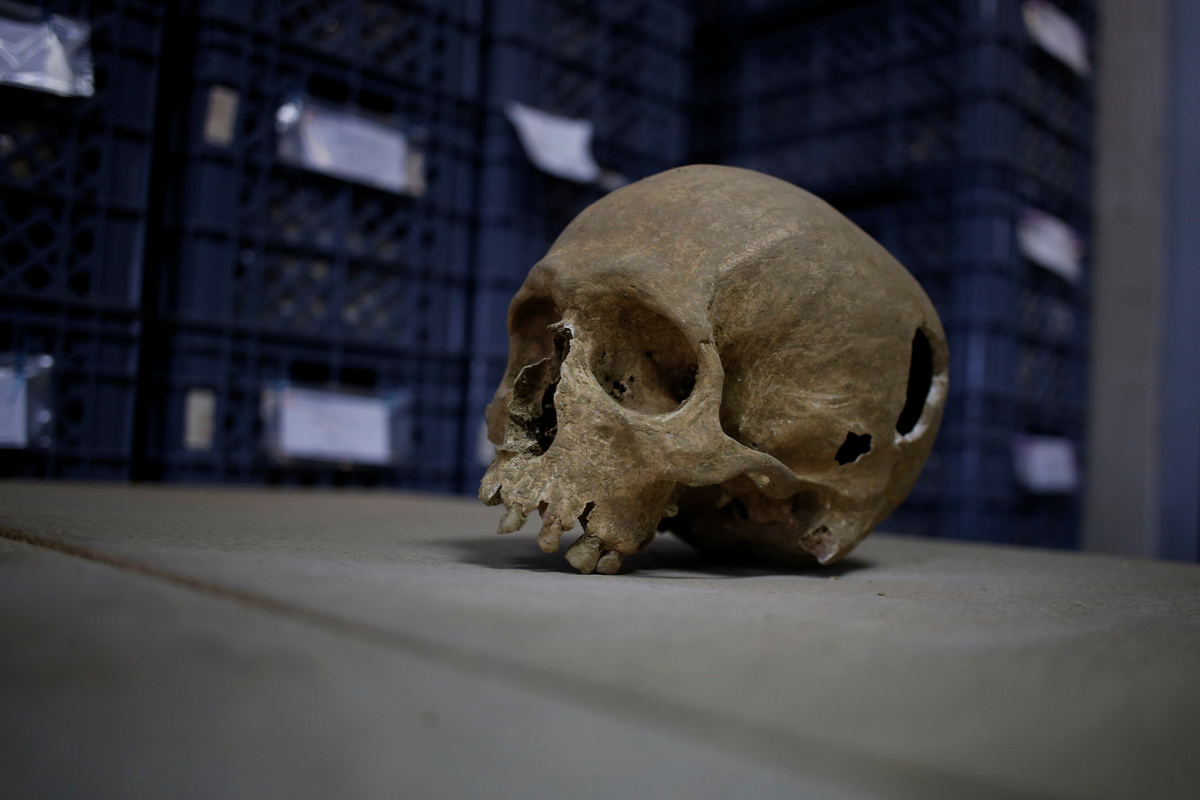
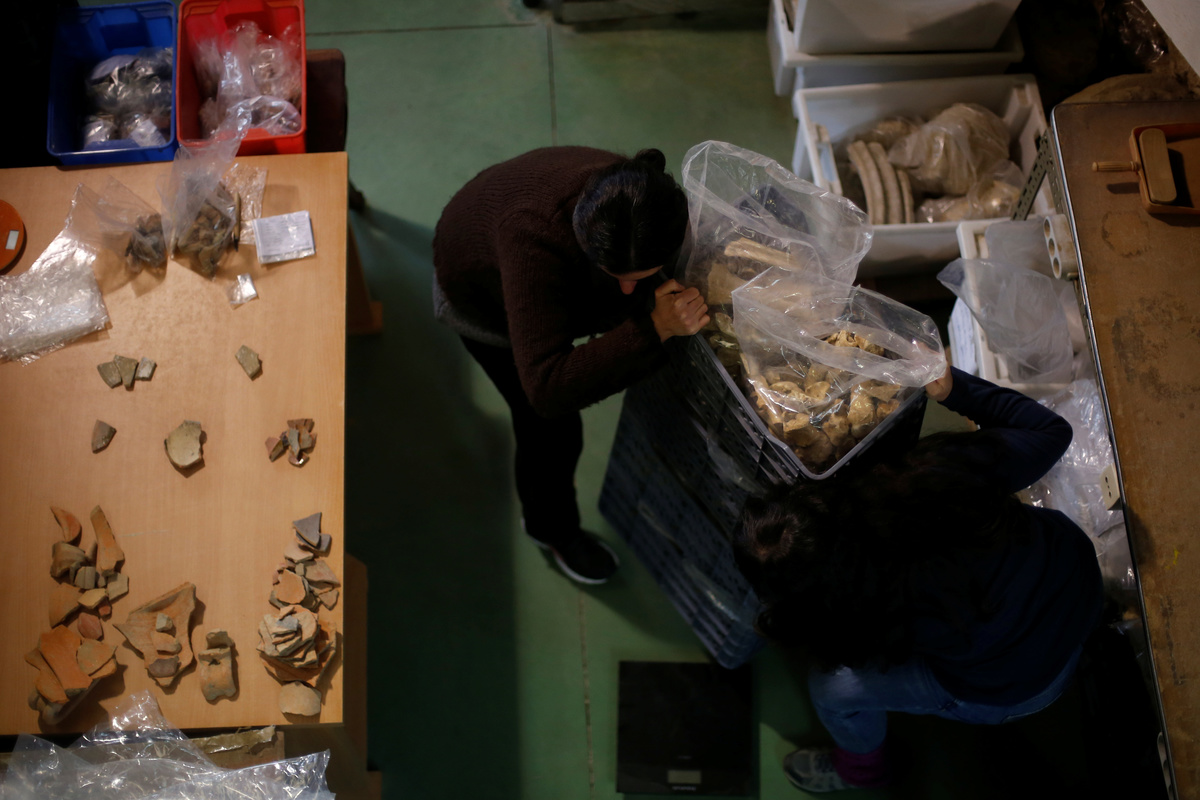
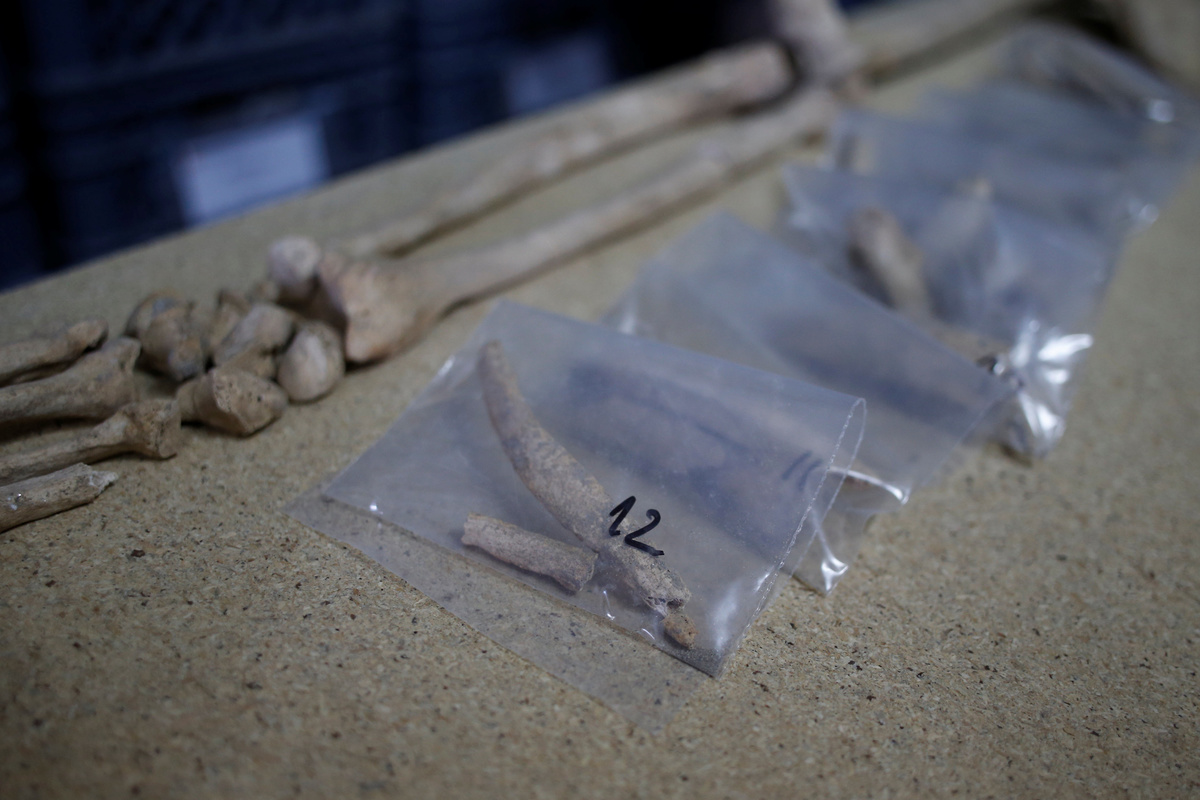
The necropolis was found to hold 25 skeletons, 35 sets of cremated remains, pottery and coins used in ancient burial rituals. All have been moved to Neoepica's research laboratory, which will eventually transfer them to the city council.
The findings were only made public last month, but archaeologists have been working on the site since 2016.
A person works on the findings from an ancient Roman cemetery with 2000-year-old skeletons and various artefacts, found below a restaurant in Lisbon, Portugal, January 24, 2019. REUTERS/Pedro Nunes
Work on expanding the restaurant has already started, and despite the delays, the owners see the discovery of the Roman cemetery as something positive and hope to have some of the ancient items on display in the future.
Roman armies occupied Olissipo, as Lisbon used to be known, around 200 BC and it remained under Roman control for several centuries.
A view of findings from an ancient Roman cemetery with 2000-year-old skeletons and various artefacts, found below a restaurant in Lisbon, Portugal, January 24, 2019. REUTERS/Pedro Nunes
(Reporting by Catarina Demony; Editing by Andrei Khalip and Hugh Lawson)
A person works on a skeleton from an ancient Roman cemetery with 2000-year-old skeletons and various artefacts, found below a restaurant in Lisbon, Portugal, January 24, 2019. REUTERS/Pedro NunesA person works on a skeleton from an ancient Roman cemetery with 2000-year-old skeletons and various artefacts, found below a restaurant in Lisbon, Portugal, January 24, 2019. REUTERS/Pedro NunesA man works on the findings of an ancient Roman cemetery with 2000-year-old skeletons and various artefacts, found below a restaurant in Lisbon, Portugal, January 24, 2019. REUTERS/Pedro NunesA view of a skull from an ancient Roman cemetery with 2000-year-old skeletons and various artefacts, found below a restaurant in Lisbon, Portugal, January 24, 2019. REUTERS/Pedro NunesA person works on a skeleton from an ancient Roman cemetery with 2000-year-old skeletons and various artefacts, found below a restaurant in Lisbon, Portugal, January 24, 2019. REUTERS/Pedro NunesPeople work on the findings from an ancient Roman cemetery with 2000-year-old skeletons and various artefacts, found below a restaurant in Lisbon, Portugal, January 24, 2019. REUTERS/Pedro NunesA view of a skeleton from an ancient Roman cemetery with 2000-year-old skeletons and various artefacts, found below a restaurant in Lisbon, Portugal, January 24, 2019. REUTERS/Pedro NunesA view of bone fragments of a skeleton from an ancient Roman cemetery with 2000-year-old skeletons and various artefacts, found below a restaurant in Lisbon, Portugal, January 24, 2019. REUTERS/Pedro NunesA view of a skeleton from an ancient Roman cemetery with 2000-year-old skeletons and various artefacts, found below a restaurant in Lisbon, Portugal, January 24, 2019. REUTERS/Pedro NunesA view of findings from an ancient Roman cemetery with 2000-year-old skeletons and various artefacts, found below a restaurant in Lisbon, Portugal, January 24, 2019. REUTERS/Pedro Nunes
Sign up to read this article
Read news from 100’s of titles, curated specifically for you.