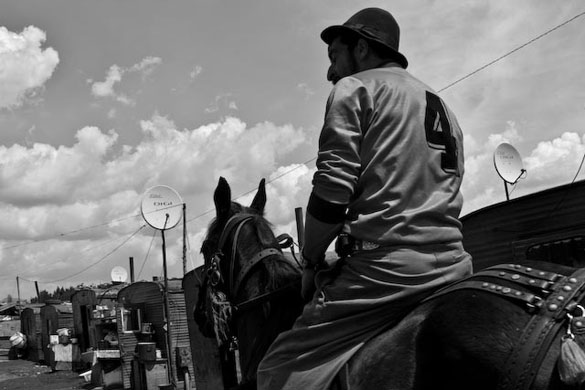
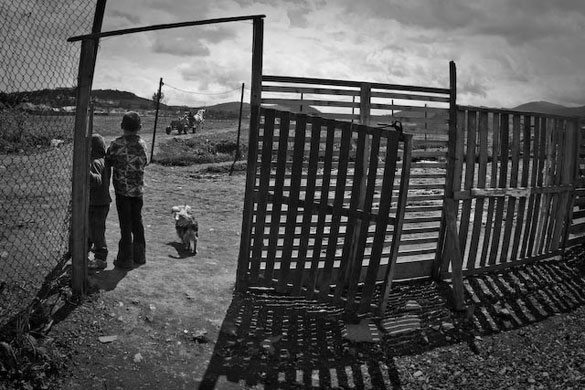
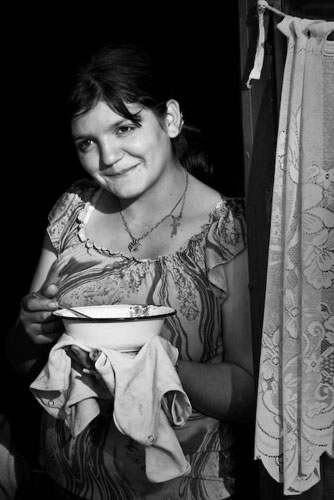
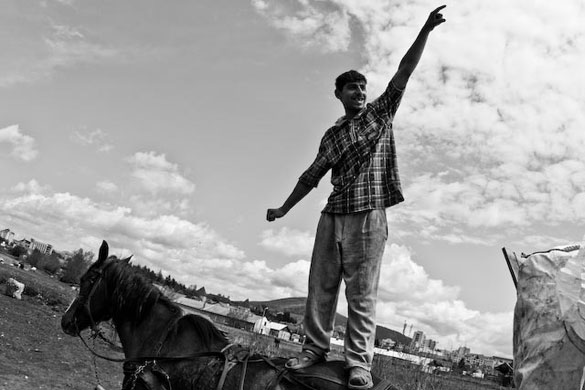
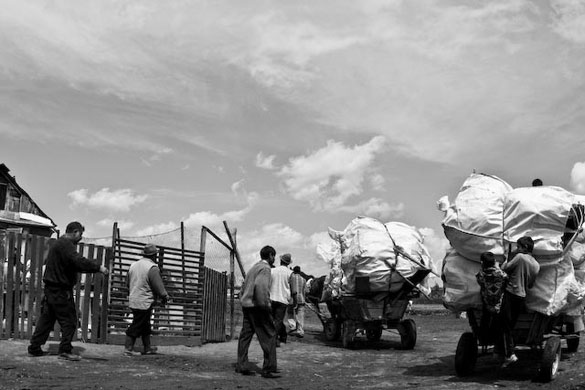
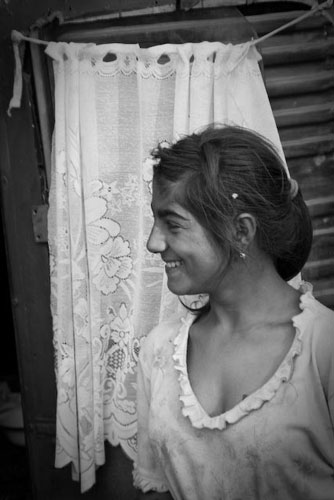
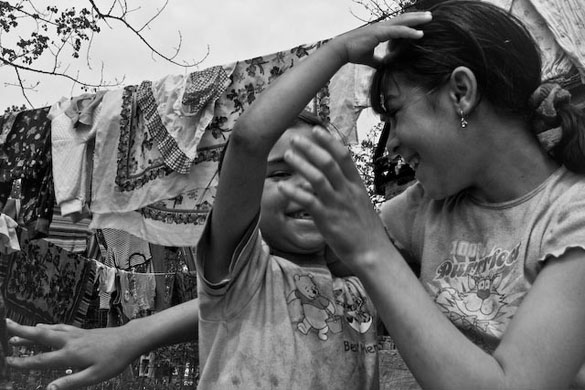
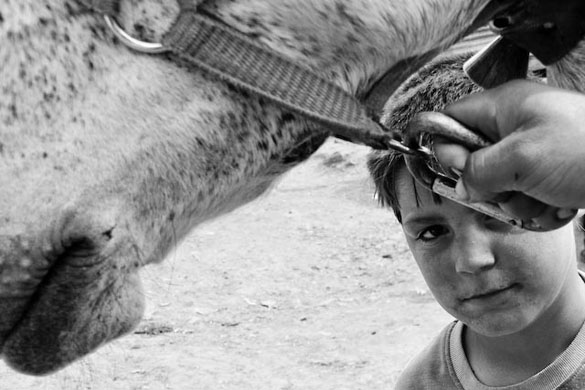
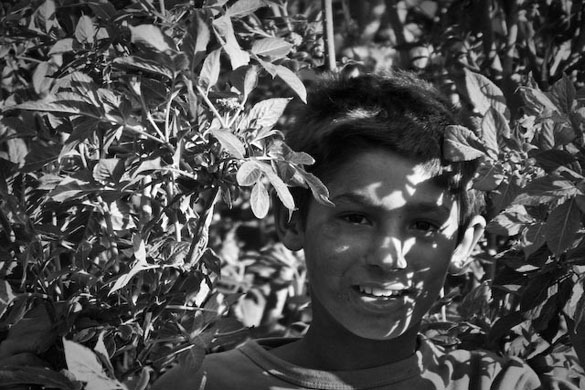
The people in this Roma community in Harghita County are mostly Hungarian speakers, but they also speak RomanianPhotograph: Zsuzsanna ArdóHorse breeding and trading is a traditional part of Roma culture Photograph: Zsuzsanna ArdóSummer in Harghita CountyPhotograph: Zsuzsanna Ardó
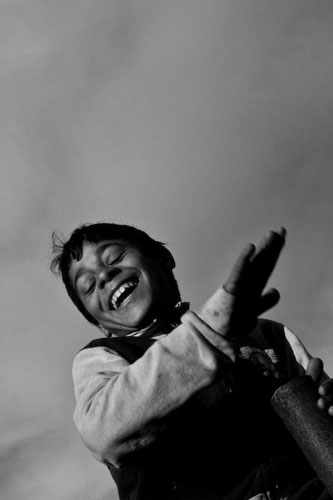
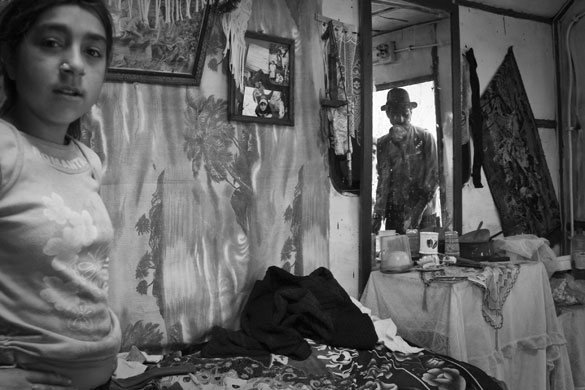
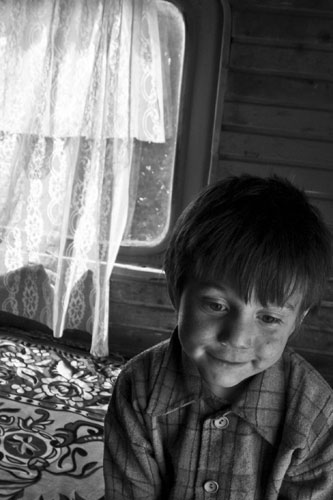
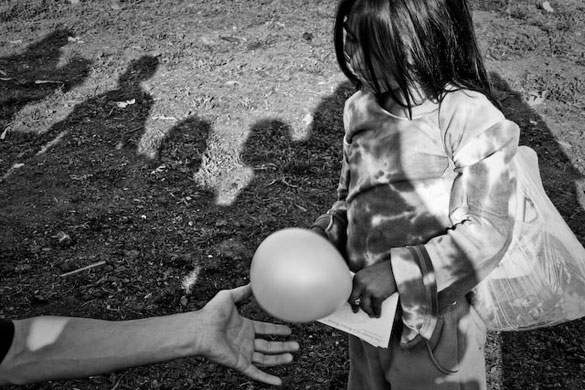
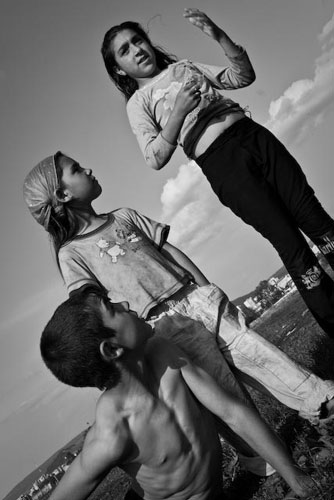
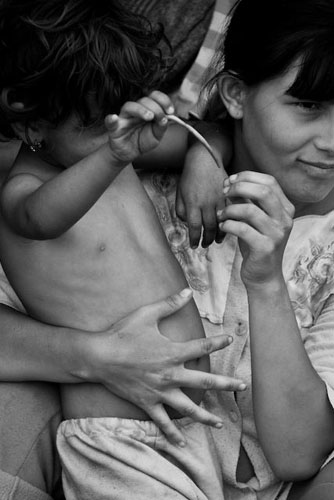
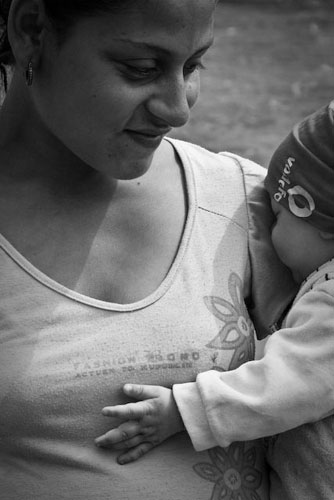
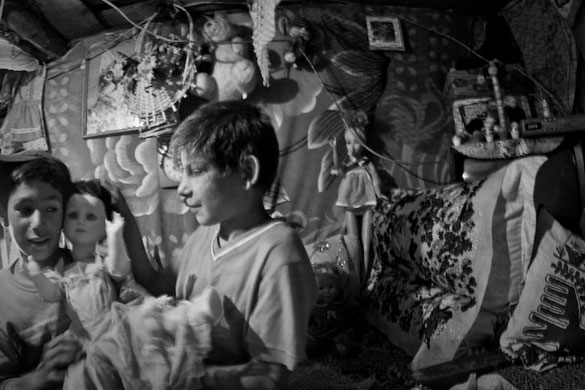
Taking a break for some foodPhotograph: Zsuzsanna ArdóHorse-drawn carriage is the Roma community's main form of transport Photograph: Zsuzsanna ArdóThese carriages are also used for the recycling job some of the Roma men and women do, transporting huge bags of plastic bottles to the recycling centresPhotograph: Zsuzsanna ArdóHaving funPhotograph: Zsuzsanna ArdóPamela (foreground) works hard at school and would like to be a teacherPhotograph: Zsuzsanna ArdóA child sits in his family's wagonPhotograph: Zsuzsanna ArdóThe community in Harghita is closely knit, and outsiders have to work for its trustPhotograph: Zsuzsanna ArdóA helping handPhotograph: Zsuzsanna ArdóEnjoying lifePhotograph: Zsuzsanna ArdóChildren playingPhotograph: Zsuzsanna ArdóWashing day in full swing. Most women and children actively participate, gathering around the watertap of the communityPhotograph: Zsuzsanna ArdóChildren in this community get used to living and playing with horses from a very early age Photograph: Zsuzsanna ArdóA mother and childPhotograph: Zsuzsanna ArdóThe metal wagons are turned into homes with rows of teddy bears, dolls and toysPhotograph: Zsuzsanna ArdóEnjoying the summerPhotograph: Zsuzsanna Ardó
Sign up to read this article
Read news from 100’s of titles, curated specifically for you.